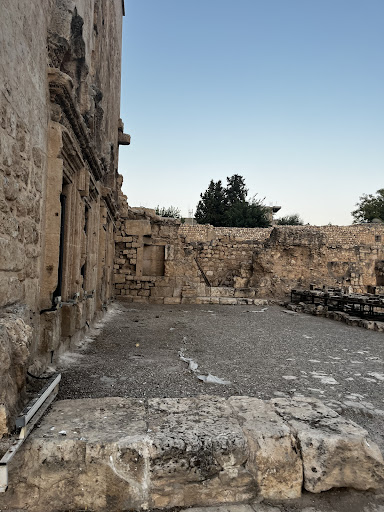
Mor Yakup (Jacob) Orthodox Church: A Fascinating Heritage Site for Archaeology Enthusiasts
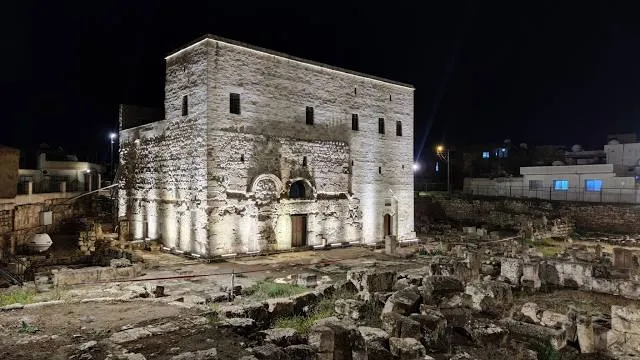
Mor Yakup Orthodox Church is a mesmerizing historical site that opens its doors to archaeology and history enthusiasts. Once serving as an educational institution, this remarkable church now stands as an architectural and spiritual landmark, attracting visitors with its breathtaking structure and deep-rooted history.
Located in Nusaybin, this ancient church reflects the diverse cultural heritage of Mesopotamia. The building itself is a testament to the region’s rich past, with intricate stonework and well-preserved architectural details. One of the most fascinating aspects of the church is the underground section, where the tomb of Mor Yakup is located. This sacred site adds an even greater historical and spiritual significance to the church, making it a must-visit location for those interested in religious history.
As you walk through the halls of this historical gem, you can almost feel the echoes of the past. However, it is important to show respect to the individuals buried within the church. Our guide, a knowledgeable and passionate individual, emphasized the importance of maintaining a respectful attitude during the visit, as he had encountered visitors who were not mindful of the sacredness of the site.
If you ever find yourself in Nusaybin, do not miss the opportunity to explore Mor Yakup Church. Its historical depth, stunning architecture, and cultural significance make it an unforgettable experience. Just remember to approach the site with the reverence...
Read moreMetropolitan Mor Yakup thinks that the church he prayed for in ascending Episcopal order is small and wants to build a new church. Thus, it was built in seven years between 313 and 320 years. According to the belief, an angel helped the building.
The students of Episcopal Mor Yakup started to build the Nusaybin School here when they returned to Nusaybin after attending the council meetings of Ephraim Christianity. They opened the school they founded on the basis of a temple left from Zoroastrians in 326, and Efraim directed this school for 38 years. In this school, philosophy, logic, literature, geometry, astronomy, medicine, law education were given. At the same time, many writings from Greek were translated into Syriac.
The characteristic of this school is that Nusaybin was an advanced educational center at that time. Until the Sassanids of Nusaybin School took Nusaybin in 363 BC. After that, the teaching staff of the school were scattered and the education in Syria continued. In the following years, the Byzantines were oppressed against the Nasturians, and Edessa School in Urfa was relocated to Nusaybin and this became the religious center of the Nasturs.
The monastery continued to function until the...
Read moreNusaybin'deki Zeynel Abidin Camisi ve Mor Yakup Kilisesi'nin 15 Nisan'da yapılan değerlendirme sonucunda Dünya Miras Geçici Listesi'ne alınması ilçede sevinçle karşılandı.
Yüzyıllardır yan yana iki farklı inanışın mabetleri olan Zeynel Abidin Camisi ve Mor Yakup Kilisesi'nin, dünya mirasları kalıcı listesine girmesi bekleniyor.
Nusaybin Kaymakamı Abdulhalim Can, AA muhabirine, Türkiye'den 13 alanın Dünya Miras Geçici Listesi'ne alındığını anımsatarak, bu durumun memnuniyet verici olduğunu söyledi.
Zeynel Abidin Camisi ve Mor Yakup Kilisesi'nin UNESCO Dünya Kültür Mirası Listesi'ne girmeyi hak ettiğine inandığını anlatan Can, şöyle konuştu:
"Cami külliyesinde, orada meftun olarak bilinen Zeynel Abidin ve onun kız kardeşi Sitti Zeynep'in türbeleri bulunuyor. Bizim için çok önemli bir dini merkez. Cami içerisinde Hz. Muhammed'in ehli beytinden olduğu bilinen Hz. Hüseyin'in 13. kuşaktan torunu Molla Zeynel Abidin'in türbesi ve onun kız kardeşi Sitti Zeynep'in türbeleri mevcuttur. Üzerilerinde yazılan Arapça kitabeye göre caminin milattan sonra 1160 yılında inşa edildiği bilinmektedir."
Diğer tarafta ise Hristiyanlık inancında önemli bir yere sahip olan Mor Yakup Kilisesi'nin milattan sonra 313 yılında inşa edilmiş çok önemli bir mekan olduğunu vurgulayan Can, kilisenin vaftizhane ve katedral bölümleriyle önemli bir inanç kompleksi olduğunu belirtti.
-"Kilise parasıyla cami yapıldığı inanışı yaygın"
Zeynel Abidin Cami ve Mor Yakup Kilisesi'nin birbirleriyle olan ilişkilerinin sadece fiziki olmadığına değinen Can, şöyle devam etti:
"Süryani kaynaklarına göre, Zeynel Abidin Camisi'nin yapımı için gerekli olan para, tanrı yolunda harcandığı gerekçesiyle kilise parasından karşılanmış. Bölgede de bu inanış yaygın. Osmanlı kaynaklarında ise Mor Yakup Kilisesi ile Zeynel Abidin Camisi ortak vakıf malı olarak değerlendiriliyor."
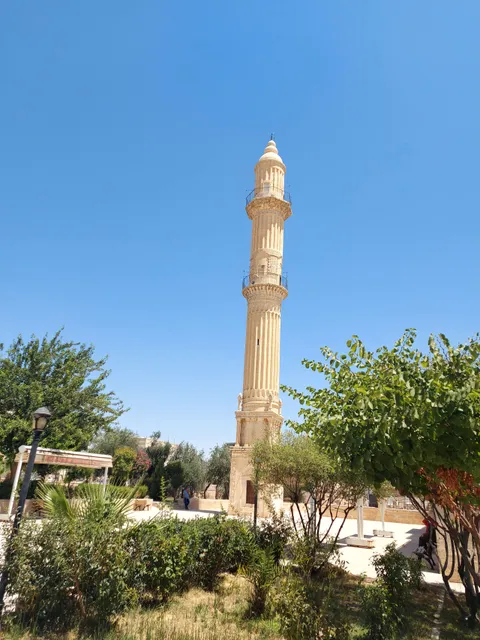
Zeynel Abidin Camisi'nin minaresinin 1956 yılında Süryani bir usta tarafından inşa edildiğini ve caminin yapısına bakıldığı zaman Hristiyanlık inancının dekoratif mimari öğelerinin görülebileceğini bildiren Can, "Zeynel Abidin Camisi ile Mor Yakup Kilisesi kültürlerarası sanatsal, politik ve kültürel birikim noktasında geçmişin izlerini günümüze taşıyan birer yapı olduğunu düşünüyoruz" dedi.
Her ikisinin de aralarında bir duvar ya da bir tel örgü olmadan bu haliyle ortak bir Kültür ve İnanç Projesi adı altında UNESCO Dünya Miras Geçici Listesi'ne girdiğini dile getiren Can, bundan sonra her iki mabedin Dünya Kalıcı Miras Listesi'nde yer almasını arzuladıklarını bildirdi.
Nusaybin Kültür ve Çevre Platformu Sözcüsü Şerefhan Ciziri de ilçedeki iki mabedin hoşgörü içinde birbirlerini kabul ederek yüzyıllarca yaşamasının bir kültürün tezahürü...
Read more