HTML SitemapExplore
logo
Find Things to DoFind The Best Restaurants

Gordion Ancient City — Attraction in Polatlı

Name
Gordion Ancient City
Description
Nearby attractions
Nearby restaurants
Nearby hotels
Related posts
Keywords
Gordion Ancient City tourism.Gordion Ancient City hotels.Gordion Ancient City bed and breakfast. flights to Gordion Ancient City.Gordion Ancient City attractions.Gordion Ancient City restaurants.Gordion Ancient City travel.Gordion Ancient City travel guide.Gordion Ancient City travel blog.Gordion Ancient City pictures.Gordion Ancient City photos.Gordion Ancient City travel tips.Gordion Ancient City maps.Gordion Ancient City things to do.
Gordion Ancient City things to do, attractions, restaurants, events info and trip planning
Gordion Ancient City
TurkeyAnkaraPolatlıGordion Ancient City

Basic Info

Gordion Ancient City

Yassıhüyük, 06900 Polatlı/Ankara, Türkiye
4.3(561)
Open 24 hours
Save
spot

Ratings & Description

Info

Cultural
Outdoor
Scenic
Family friendly
Off the beaten path
attractions: , restaurants:
logoLearn more insights from Wanderboat AI.
Phone
+90 312 638 21 88
Website
muze.gov.tr

Plan your stay

hotel
Pet-friendly Hotels in Polatlı
Find a cozy hotel nearby and make it a full experience.
hotel
Affordable Hotels in Polatlı
Find a cozy hotel nearby and make it a full experience.
hotel
The Coolest Hotels You Haven't Heard Of (Yet)
Find a cozy hotel nearby and make it a full experience.
hotel
Trending Stays Worth the Hype in Polatlı
Find a cozy hotel nearby and make it a full experience.

Reviews

Get the Appoverlay
Get the AppOne tap to find yournext favorite spots!
Wanderboat LogoWanderboat

Your everyday Al companion for getaway ideas

CompanyAbout Us
InformationAI Trip PlannerSitemap
SocialXInstagramTiktokLinkedin
LegalTerms of ServicePrivacy Policy

Get the app

© 2025 Wanderboat. All rights reserved.
logo

Reviews of Gordion Ancient City

4.3
(561)
avatar
5.0
3y

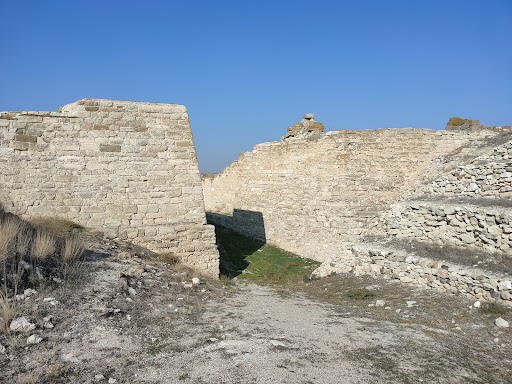
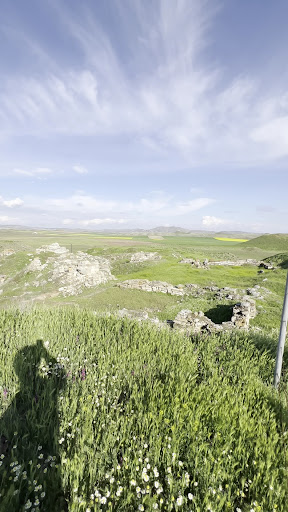
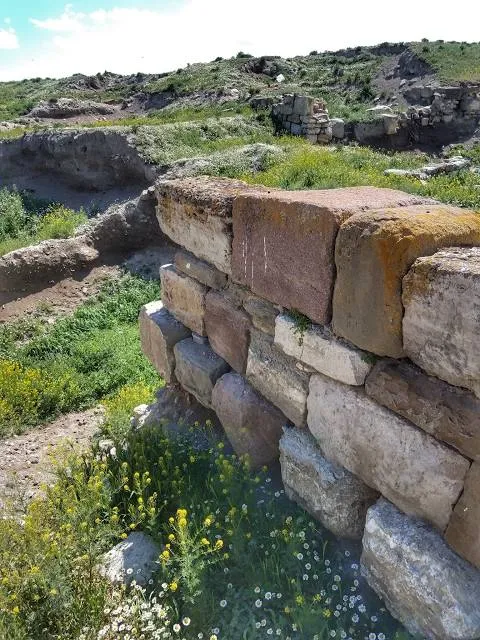
Ancient capital city of the kingdom of Phrygia. For those interested in ancient history or mythology, this is worth seeing. The Kingdom of Phrygia flourished around the time of the late Assyrian Empire. Legends say that their king was crowned according to a prophecy of a stranger arriving with an ox-cart. Upon being unexpectedly made king, Gordias, for whom the city is named, tied his oxcart to the temple with a complex knot. A prophecy was made that whoever could undo the knot would rule all Asia. Many tried, all had failed. That is until Alexander the Great showed up and being faced with the prophecy, slashed the knot open. These are legends, but still interesting. Midas of the Golden Touch was the last king of the Phrygians, and there are many more legends about him. His kingdom fell when the Cimmerians attacked and Midas drank bull’s blood to commit suicide. The site itself is mostly the excavated citadel. You can walk around it without taking too much time. It is being excavated by Penn State University, and they have replaced the fencing around the site and put up signage to help explain what you’re seeing. You cannot enter the place itself, but everything can be seen from the edges of the citadel. The city burned down around 700BC and was rebuilt, so much of what is seen here is actually from the earlier burned city. To the west lies the Sakarya River, which was the site of a major battle in the War of Turkish Independence. To visit the site from Ankara, you can take a bus from Ankara to Polatli, and then a taxi from Polatli to Gordion. There is nothing really in the village here, so best to ask the taxi to wait while you see the site. Be sure to also see the nearby Phrygian Museum and so called...

   Read more
avatar
5.0
3y

I remember learning about king Midas and Gordian knot in grade school. Making our way from Ankara to Izmir we saw a sign for this place and thought it would be a great place to stop.

The ancient city of Gordon is the ancient capital of the Phrygian Empire. The site includes the inch inside of the city, a museum housing some local artifacts, and the tomb of who they believe was King Midas’s father.

Traditionally this is the site where the Gordian knot was cut by Alexander the great signifying the fulfillment of the prophecy that whoever undid the knot would rule the land.

The giant tomb is an incredible visit. They carve their way through to the center of the tomb only to find an ancient wooden burial chamber perfectly preserved due to its burial conditions. Cut into the chamber to find what looked like a living room and the burial place of King Midas‘s father. They say the wooden chamber is the oldest preserved wooden structure in the world and this was only possible because of the giant mound around it.

It was like something you’d see in Indiana Jones.

Be warned. The village offers very little in terms of accommodation, food, drink and restrooms. Be prepared beforehand with supplies and sunscreen.

Weather, you should be able to see the entire site in an hour or so. Given the historical significance of the location and the mini myths surrounding it it is definitely...

   Read more
avatar
5.0
46w

In het dorpje ligt de hoge tumulus (grafheuvel) van koning Midas. Gordion wordt namelijk ook in verband gebracht met Midas, de koning uit de ijzertijd van eind 8e eeuw v.Chr., die in de latere Griekse mythologie vervloekt is met de "gouden aanraking". Zelfs zijn eten veranderde in goud nadat hij gevraagd had om de gave om alles wat hij aan zou raken in goud te kunnen veranderen.

De bijzonder lange en complexe nederzettingsgeschiedenis van Gordion en omgeving beslaan ten minste 4500 jaar: van de bronstijd (ca. 2500 v.Chr.) tot het heden. Buiten het dorpje ligt de heuvel van Gordion, hier zijn recent goede informatieborden geplaatst.

Gordions bloeitijd kwam in de ijzertijd, na de ontbinding van het Hettitische koninkrijk, toen de plaats de hoofdstad werd van het land Phrygia, een van de machtigste staten die zich in Anatolië ontwikkelde. Verbonden met deze geopolitieke transformatie was de introductie van een vreemde taal (helaas nog steeds niet ontcijferd..) in Centraal-Anatolië, genaamd "Frygisch". Vermoedelijk de taal van een veroverende buitenlandse elite die afkomstig was uit de Balkan.

Monumentale bouwwerken uit deze periode hebben de grootste stempel gedrukt op het landschap van Gordion, en zelfs vandaag de dag boezemen ze nog ontzag

Midas de Grote, of Mita zoals hij werd genoemd in hedendaagse Assyrische keizerlijke verslagen van de late 8e eeuw v.Chr., was de enige Phrygische heerser over wie we iets persoonlijks en betrouwbaars weten. Voor de Assyriërs was hij destijds de sterkste rivaal van hun ambities in Anatolië. De opgegraven monumentale overblijfselen die dateren van vóór zijn regering, geven echter aan dat het zijn voorgangers waren die hielpen de grote macht op te bouwen die hij uiteindelijk genoot.

Na een periode van overheersing door het machtige koninkrijk Lydië in de 6e eeuw v.Chr., dat vanuit zijn hoofdstad Sardis in West-Turkije over heel West-Anatolië was gaan regeren, werd Gordion opgenomen in het uitgestrekte Perzische Rijk. Het Perzische Rijk, dat zich uitstrekte van de Balkan tot India, was het resultaat van de ongelooflijke militaire en diplomatieke operaties van zijn stichter, Cyrus de Grote, in de jaren 540 v.Chr.

Er was echter een groot beleg nodig om Gordion en zijn district onder controle te krijgen, zoals blijkt uit opmerkelijk bewijs van gevechten: achtergelaten wapens en andere uitrusting, overblijfselen van dode soldaten, monumentale belegeringswerken en de vernietiging van de vestingwerken van de benedenstad door het Perzische leger. In deze periode (ca. 550-330 v.Chr.), Achaemenidisch genoemd naar de naam van de Perzische heersende dynastie, diende Gordion als een groot en belangrijk districtscentrum binnen een van de provincies van het rijk

Alexander de Grote kwam langs Gordiom op zijn veldtocht tegen de Perzen in 334 voor Christus. In de stad had men een complexe knoop van dikke touwen. Volgens de legende zou degenen die heb zou ontwarren de heerser van heel Azië worden. Alexander wilde deze knoop uiteraard wel zien. Hij zag dat deze niet zomaar los te maken was. Daarom sloeg hij hem met zijn zwaard dwars doormidden. En inderdaad, hij werd koning van heel Azië (toen Asia Minor, het huidige Turkije). Hier komt ont spreekwoord 'de knoop...

   Read more

Page 1 of 7
Previous
Next

Posts

David DanceyDavid Dancey
Ancient capital city of the kingdom of Phrygia. For those interested in ancient history or mythology, this is worth seeing. The Kingdom of Phrygia flourished around the time of the late Assyrian Empire. Legends say that their king was crowned according to a prophecy of a stranger arriving with an ox-cart. Upon being unexpectedly made king, Gordias, for whom the city is named, tied his oxcart to the temple with a complex knot. A prophecy was made that whoever could undo the knot would rule all Asia. Many tried, all had failed. That is until Alexander the Great showed up and being faced with the prophecy, slashed the knot open. These are legends, but still interesting. Midas of the Golden Touch was the last king of the Phrygians, and there are many more legends about him. His kingdom fell when the Cimmerians attacked and Midas drank bull’s blood to commit suicide. The site itself is mostly the excavated citadel. You can walk around it without taking too much time. It is being excavated by Penn State University, and they have replaced the fencing around the site and put up signage to help explain what you’re seeing. You cannot enter the place itself, but everything can be seen from the edges of the citadel. The city burned down around 700BC and was rebuilt, so much of what is seen here is actually from the earlier burned city. To the west lies the Sakarya River, which was the site of a major battle in the War of Turkish Independence. To visit the site from Ankara, you can take a bus from Ankara to Polatli, and then a taxi from Polatli to Gordion. There is nothing really in the village here, so best to ask the taxi to wait while you see the site. Be sure to also see the nearby Phrygian Museum and so called Tomb of Midas.
Mt2nd YtaccMt2nd Ytacc
In het dorpje ligt de hoge tumulus (grafheuvel) van koning Midas. Gordion wordt namelijk ook in verband gebracht met Midas, de koning uit de ijzertijd van eind 8e eeuw v.Chr., die in de latere Griekse mythologie vervloekt is met de "gouden aanraking". Zelfs zijn eten veranderde in goud nadat hij gevraagd had om de gave om alles wat hij aan zou raken in goud te kunnen veranderen. De bijzonder lange en complexe nederzettingsgeschiedenis van Gordion en omgeving beslaan ten minste 4500 jaar: van de bronstijd (ca. 2500 v.Chr.) tot het heden. Buiten het dorpje ligt de heuvel van Gordion, hier zijn recent goede informatieborden geplaatst. Gordions bloeitijd kwam in de ijzertijd, na de ontbinding van het Hettitische koninkrijk, toen de plaats de hoofdstad werd van het land Phrygia, een van de machtigste staten die zich in Anatolië ontwikkelde. Verbonden met deze geopolitieke transformatie was de introductie van een vreemde taal (helaas nog steeds niet ontcijferd..) in Centraal-Anatolië, genaamd "Frygisch". Vermoedelijk de taal van een veroverende buitenlandse elite die afkomstig was uit de Balkan. Monumentale bouwwerken uit deze periode hebben de grootste stempel gedrukt op het landschap van Gordion, en zelfs vandaag de dag boezemen ze nog ontzag Midas de Grote, of Mita zoals hij werd genoemd in hedendaagse Assyrische keizerlijke verslagen van de late 8e eeuw v.Chr., was de enige Phrygische heerser over wie we iets persoonlijks en betrouwbaars weten. Voor de Assyriërs was hij destijds de sterkste rivaal van hun ambities in Anatolië. De opgegraven monumentale overblijfselen die dateren van vóór zijn regering, geven echter aan dat het zijn voorgangers waren die hielpen de grote macht op te bouwen die hij uiteindelijk genoot. Na een periode van overheersing door het machtige koninkrijk Lydië in de 6e eeuw v.Chr., dat vanuit zijn hoofdstad Sardis in West-Turkije over heel West-Anatolië was gaan regeren, werd Gordion opgenomen in het uitgestrekte Perzische Rijk. Het Perzische Rijk, dat zich uitstrekte van de Balkan tot India, was het resultaat van de ongelooflijke militaire en diplomatieke operaties van zijn stichter, Cyrus de Grote, in de jaren 540 v.Chr. Er was echter een groot beleg nodig om Gordion en zijn district onder controle te krijgen, zoals blijkt uit opmerkelijk bewijs van gevechten: achtergelaten wapens en andere uitrusting, overblijfselen van dode soldaten, monumentale belegeringswerken en de vernietiging van de vestingwerken van de benedenstad door het Perzische leger. In deze periode (ca. 550-330 v.Chr.), Achaemenidisch genoemd naar de naam van de Perzische heersende dynastie, diende Gordion als een groot en belangrijk districtscentrum binnen een van de provincies van het rijk Alexander de Grote kwam langs Gordiom op zijn veldtocht tegen de Perzen in 334 voor Christus. In de stad had men een complexe knoop van dikke touwen. Volgens de legende zou degenen die heb zou ontwarren de heerser van heel Azië worden. Alexander wilde deze knoop uiteraard wel zien. Hij zag dat deze niet zomaar los te maken was. Daarom sloeg hij hem met zijn zwaard dwars doormidden. En inderdaad, hij werd koning van heel Azië (toen Asia Minor, het huidige Turkije). Hier komt ont spreekwoord 'de knoop doorhakken' vandaan.
Gölge GezginGölge Gezgin
aklaşık olarak M.Ö. 3000'li yıllara (3000-2000) rastlayan Eski Tunç Çağı, Gordion'da yerleşimin bilinen ilk safhasıdır. Anadolu ve Yakın Doğu'da, aletler ve diğer araç gereçlerin yapımında kullanılan tuncun (bronz) üretiminde, en son teknolojik adımların atılması bu döneme rastlar. Daha eski bir dönem olan Neolitik (Yeni Taş Çağı) Dönemde ana malzeme taş kullanılmış ancak Gordion ve çevresinde bu döneme ait buluntulara rastlanılmamıştır. Gordion'a yakın bir başka höyük olan Polatlı höyüğü'nde de Gordion'dakilere benzer buluntular ele geçmiş, böylece Tunç Çağı'nın Gordion çevresindeki diğer mevkiilerde de kendini gösterdiği anlaşılmıştır. Frigya Krallığı'nın başkenti olan ünlü Gordion şehrinin kalıntıları; Ankara-Eskişehir karayolunun yakınında, Sakarya (Sangarios) ve Porsuk nehirlerinin birbirlerine yaklaştıkları yerde, Polatlı'nın 18 km. kuzeybatısındadır. (Ankara'dan 90km.) Gordion Müzesinde sergilenen tarihi eserler, Yassıhöyük'te ( Gordion) 1950 yılında arkeolojik çalışmaları başlatan Rodney S. Young yönetiminde bir ekip tarafından ve Pensilvanya Üniversitesi, Arkeoloji ve Antropoloji Müzesinin sponsorluğu altında çıkarılmıştır. Gordion'da ( Yassıhöyük) arkeolojik yerleşim tabakaları aşağıdan yukarıya doğru Tunç Çağı (M.Ö 3000-1100) , Demir Çağı ve Frig Dönemi ( M.Ö 1100 -300), Büyük İskenderin zaferleri sonrası yaşanmış olan Helenistik Çağ (300 - 100) ve Roma İmparatorluğu Dönemi ( M.S 1.yüzyıl - 4.yüzyıl ) olarak tespit edilmiştir. Daha sonra bölgeye Selçuklu'lar Döneminde ( M.S 11.yy - 13.yy ) yerleşilmiş ve böylece Gordion'un 3000 yılı aşkın bir arkeolojik geçmişe sahip olduğu görülmüştür. Gordion Antik Şehri, UNESCO Dünya Kültürel ve Doğal Mirasının Korunmasına dair sözleşme gereğince geçici listeye alınmıştır. Bölgeye dikkat çekmek ve Gordion’un geçici listeden ana listeye geçmesini sağlamak amacıyla oluşturulacak farkındalık faaliyetlerinden birisi olarak GORDİON YARI MARATONU VE 10 K KOŞUSU yapılmaktadır.
See more posts
See more posts
hotel
Find your stay

Pet-friendly Hotels in Polatlı

Find a cozy hotel nearby and make it a full experience.

Ancient capital city of the kingdom of Phrygia. For those interested in ancient history or mythology, this is worth seeing. The Kingdom of Phrygia flourished around the time of the late Assyrian Empire. Legends say that their king was crowned according to a prophecy of a stranger arriving with an ox-cart. Upon being unexpectedly made king, Gordias, for whom the city is named, tied his oxcart to the temple with a complex knot. A prophecy was made that whoever could undo the knot would rule all Asia. Many tried, all had failed. That is until Alexander the Great showed up and being faced with the prophecy, slashed the knot open. These are legends, but still interesting. Midas of the Golden Touch was the last king of the Phrygians, and there are many more legends about him. His kingdom fell when the Cimmerians attacked and Midas drank bull’s blood to commit suicide. The site itself is mostly the excavated citadel. You can walk around it without taking too much time. It is being excavated by Penn State University, and they have replaced the fencing around the site and put up signage to help explain what you’re seeing. You cannot enter the place itself, but everything can be seen from the edges of the citadel. The city burned down around 700BC and was rebuilt, so much of what is seen here is actually from the earlier burned city. To the west lies the Sakarya River, which was the site of a major battle in the War of Turkish Independence. To visit the site from Ankara, you can take a bus from Ankara to Polatli, and then a taxi from Polatli to Gordion. There is nothing really in the village here, so best to ask the taxi to wait while you see the site. Be sure to also see the nearby Phrygian Museum and so called Tomb of Midas.
David Dancey

David Dancey

hotel
Find your stay

Affordable Hotels in Polatlı

Find a cozy hotel nearby and make it a full experience.

Get the Appoverlay
Get the AppOne tap to find yournext favorite spots!
In het dorpje ligt de hoge tumulus (grafheuvel) van koning Midas. Gordion wordt namelijk ook in verband gebracht met Midas, de koning uit de ijzertijd van eind 8e eeuw v.Chr., die in de latere Griekse mythologie vervloekt is met de "gouden aanraking". Zelfs zijn eten veranderde in goud nadat hij gevraagd had om de gave om alles wat hij aan zou raken in goud te kunnen veranderen. De bijzonder lange en complexe nederzettingsgeschiedenis van Gordion en omgeving beslaan ten minste 4500 jaar: van de bronstijd (ca. 2500 v.Chr.) tot het heden. Buiten het dorpje ligt de heuvel van Gordion, hier zijn recent goede informatieborden geplaatst. Gordions bloeitijd kwam in de ijzertijd, na de ontbinding van het Hettitische koninkrijk, toen de plaats de hoofdstad werd van het land Phrygia, een van de machtigste staten die zich in Anatolië ontwikkelde. Verbonden met deze geopolitieke transformatie was de introductie van een vreemde taal (helaas nog steeds niet ontcijferd..) in Centraal-Anatolië, genaamd "Frygisch". Vermoedelijk de taal van een veroverende buitenlandse elite die afkomstig was uit de Balkan. Monumentale bouwwerken uit deze periode hebben de grootste stempel gedrukt op het landschap van Gordion, en zelfs vandaag de dag boezemen ze nog ontzag Midas de Grote, of Mita zoals hij werd genoemd in hedendaagse Assyrische keizerlijke verslagen van de late 8e eeuw v.Chr., was de enige Phrygische heerser over wie we iets persoonlijks en betrouwbaars weten. Voor de Assyriërs was hij destijds de sterkste rivaal van hun ambities in Anatolië. De opgegraven monumentale overblijfselen die dateren van vóór zijn regering, geven echter aan dat het zijn voorgangers waren die hielpen de grote macht op te bouwen die hij uiteindelijk genoot. Na een periode van overheersing door het machtige koninkrijk Lydië in de 6e eeuw v.Chr., dat vanuit zijn hoofdstad Sardis in West-Turkije over heel West-Anatolië was gaan regeren, werd Gordion opgenomen in het uitgestrekte Perzische Rijk. Het Perzische Rijk, dat zich uitstrekte van de Balkan tot India, was het resultaat van de ongelooflijke militaire en diplomatieke operaties van zijn stichter, Cyrus de Grote, in de jaren 540 v.Chr. Er was echter een groot beleg nodig om Gordion en zijn district onder controle te krijgen, zoals blijkt uit opmerkelijk bewijs van gevechten: achtergelaten wapens en andere uitrusting, overblijfselen van dode soldaten, monumentale belegeringswerken en de vernietiging van de vestingwerken van de benedenstad door het Perzische leger. In deze periode (ca. 550-330 v.Chr.), Achaemenidisch genoemd naar de naam van de Perzische heersende dynastie, diende Gordion als een groot en belangrijk districtscentrum binnen een van de provincies van het rijk Alexander de Grote kwam langs Gordiom op zijn veldtocht tegen de Perzen in 334 voor Christus. In de stad had men een complexe knoop van dikke touwen. Volgens de legende zou degenen die heb zou ontwarren de heerser van heel Azië worden. Alexander wilde deze knoop uiteraard wel zien. Hij zag dat deze niet zomaar los te maken was. Daarom sloeg hij hem met zijn zwaard dwars doormidden. En inderdaad, hij werd koning van heel Azië (toen Asia Minor, het huidige Turkije). Hier komt ont spreekwoord 'de knoop doorhakken' vandaan.
Mt2nd Ytacc

Mt2nd Ytacc

hotel
Find your stay

The Coolest Hotels You Haven't Heard Of (Yet)

Find a cozy hotel nearby and make it a full experience.

hotel
Find your stay

Trending Stays Worth the Hype in Polatlı

Find a cozy hotel nearby and make it a full experience.

aklaşık olarak M.Ö. 3000'li yıllara (3000-2000) rastlayan Eski Tunç Çağı, Gordion'da yerleşimin bilinen ilk safhasıdır. Anadolu ve Yakın Doğu'da, aletler ve diğer araç gereçlerin yapımında kullanılan tuncun (bronz) üretiminde, en son teknolojik adımların atılması bu döneme rastlar. Daha eski bir dönem olan Neolitik (Yeni Taş Çağı) Dönemde ana malzeme taş kullanılmış ancak Gordion ve çevresinde bu döneme ait buluntulara rastlanılmamıştır. Gordion'a yakın bir başka höyük olan Polatlı höyüğü'nde de Gordion'dakilere benzer buluntular ele geçmiş, böylece Tunç Çağı'nın Gordion çevresindeki diğer mevkiilerde de kendini gösterdiği anlaşılmıştır. Frigya Krallığı'nın başkenti olan ünlü Gordion şehrinin kalıntıları; Ankara-Eskişehir karayolunun yakınında, Sakarya (Sangarios) ve Porsuk nehirlerinin birbirlerine yaklaştıkları yerde, Polatlı'nın 18 km. kuzeybatısındadır. (Ankara'dan 90km.) Gordion Müzesinde sergilenen tarihi eserler, Yassıhöyük'te ( Gordion) 1950 yılında arkeolojik çalışmaları başlatan Rodney S. Young yönetiminde bir ekip tarafından ve Pensilvanya Üniversitesi, Arkeoloji ve Antropoloji Müzesinin sponsorluğu altında çıkarılmıştır. Gordion'da ( Yassıhöyük) arkeolojik yerleşim tabakaları aşağıdan yukarıya doğru Tunç Çağı (M.Ö 3000-1100) , Demir Çağı ve Frig Dönemi ( M.Ö 1100 -300), Büyük İskenderin zaferleri sonrası yaşanmış olan Helenistik Çağ (300 - 100) ve Roma İmparatorluğu Dönemi ( M.S 1.yüzyıl - 4.yüzyıl ) olarak tespit edilmiştir. Daha sonra bölgeye Selçuklu'lar Döneminde ( M.S 11.yy - 13.yy ) yerleşilmiş ve böylece Gordion'un 3000 yılı aşkın bir arkeolojik geçmişe sahip olduğu görülmüştür. Gordion Antik Şehri, UNESCO Dünya Kültürel ve Doğal Mirasının Korunmasına dair sözleşme gereğince geçici listeye alınmıştır. Bölgeye dikkat çekmek ve Gordion’un geçici listeden ana listeye geçmesini sağlamak amacıyla oluşturulacak farkındalık faaliyetlerinden birisi olarak GORDİON YARI MARATONU VE 10 K KOŞUSU yapılmaktadır.
Gölge Gezgin

Gölge Gezgin

See more posts
See more posts