Rev. 1:11;3:1-4
The fifth letter of St. John to the seven churches was to the ancient and historic city of Sardis. As one of the oldest cities of Asia Minor, the city lay along a highway that stretched from the Persian city of Susa, following a parallel course to the Tigris River, passing through Cappadocia to Sardis. Located in the Hermus Valley (modern R. Gediz) on the banks of a southern tributary, the Pactolus (modern Sart Cay) and north of the range of the Tmolus Mountains (modern Bozdag). It is about 30 miles southeast of Thyatira and about 45 miles of Izmir (Smyrna).
The name Sardis is that of the stone, sardius (Greek: sardinos; carnelian, RSV, cp. Rev 4:3). The semi-precious stone is orange-brown but reflects deep red when light is passed through. It was an economic stronghold of the wool industry. The acropolis was built about 1500 feet above the plain on a ridge of the 5,800 foot high Mount Tmolus. The precipice was difficult to reach and was considered unassailable by an enemy. The lower city was more accessible. Today the site is a ruin, but nearby the small Turkish village bears the name Sart, and the memory of fabled characters such as Midas and King Croesus of Sardis live on.
Sardis was a place of importance from the Lydian Kingdom in the 13th century BCE. The Lydian Kingdom made Sardis its capital as early as 700 B.C. The first king of the Mermnad Dynasty was Gyges (687-652 B.C.), credited with the invention of the first coined money. The earliest coins were made of electrum, an alloy of gold and silver. In excavations in the early 1980s, many were found in buildings of the Lydian period.
The last and most famous Lydian King Croesus (560-546 B.C.) was said to have panned gold from the nearby river Pactolus introduced coinage of pure gold and pure silver. Crucibles and a few gold objects have made conclusive evidence for the gold-refining process from the 6th century B.C. for modern archaeologists.
Following the Lydian Kingdom, Persian domination began in 546 BCE, when King Croesus and Sardis fell to Cyrus. Herodotus records the shock of the Lydian defeat, as they considered the city impregnable. According to the ancient historian, the Persian forces were in the valley below the citadel, when a Lydian soldier dropped his helmet over the city wall. He scaled down the rock to get it. A local slave watched carefully and when captured, revealed the city's vulnerability. The soldiers used the information to capture the city for Cyrus, and King Croesus was taken prisoner. At the end of the Susa Road, Sardis became the most important Persian city in Asia Minor.
With the decline of the Persians under the advancing Greeks, the city surrendered willingly to Alexander the Great in 334 BCE. Sardis became the western administrative center for the Seleucid Dynasty. One notable battle of the period was in 214 BCE, when the city fell to Antiochus the Great through the use of the employed by the Persians more than three centuries earlier.
Sardis came under Pergamene rule from 189 to 133 BCE, and was passed into the hands of the Romans upon the death of Attallus II. Under Roman rule the city flourished until it was devastated by the great earthquake in 17 CE (called by Eusebius the greatest earthquake in human memory). and Tiberias assisted in the rebuilding of the city (Tacitus Annals II.47). Some scholars feel that because of this great indebtedness to Tiberius, the city gave itself to the cult of emperor-worship, largely abandoning its historic love affair with the Cybele cult. In 26 CE, Sardis lost the competition with Smyrna for the coveted permission to build a temple to the emperor.
CONTINUE reading on Meander...
Read moreThe Forgotten Glory of the Lydian Empire / Sardis, once the glittering capital of the Lydian Empire, offers a remarkably well-preserved glimpse into a once-thriving ancient civilization. The Lydian Empire flourished in western Anatolia from the 7th to 6th century BCE and is credited with inventing the world’s first known coinage, made of electrum. Under the legendary King Croesus, Sardis became synonymous with immense wealth and influence.
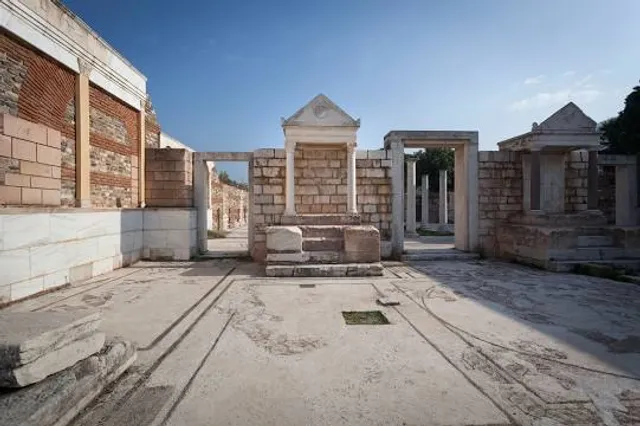
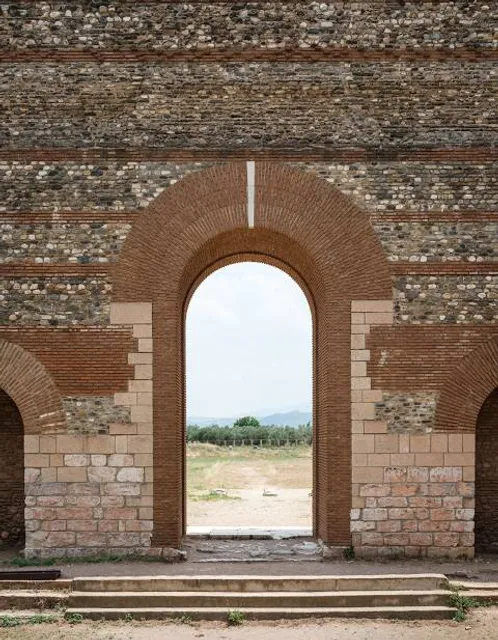
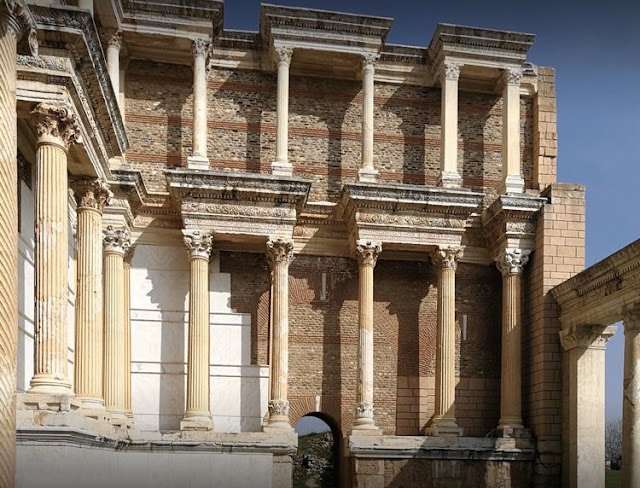
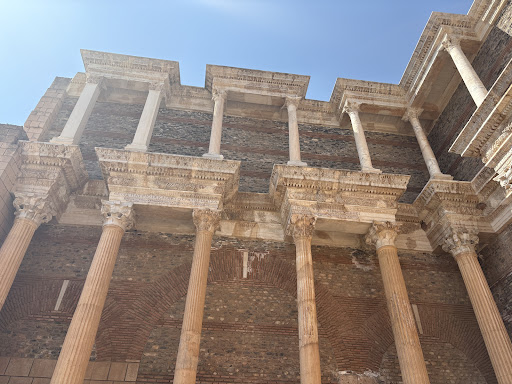
One of the most impressive structures in Sardis today is the Roman-era gymnasium, with its reconstructed two-story marble façade, soaring arches, and monumental design that showcased Roman ideals of strength and education. Just beside it lies the grand ancient synagogue—one of the largest known from antiquity—testifying to the vibrant Jewish community that lived in Sardis. The synagogue’s well-preserved mosaic floors, adorned with geometric patterns, and the standing columns create a vivid picture of religious life in the late Roman period.
When we arrived, we were surprised to find so few visitors despite the vastness of the site. It felt peaceful and uncrowded, allowing us to reflect more deeply. Seeing the scale of Sardis made us realize how vast and powerful the empire must have been. We truly hope more people take the time to visit this impressive and meaningful place.
#SardisAncientCity #LydianEmpire #RomanGymnasium #AncientSynagogue #Mosaics #Croesus...
Read moreManisa'nın Salihli ilçesinde bulunan Sardes Antik Kenti, tarihte önemli bir yere sahip olan Lidya Krallığı'nın başkentiydi. Hem doğal güzellikleri hem de zengin tarihi kalıntılarıyla ziyaretçilerine eşsiz bir deneyim sunar. Tarihi Önemi ve Özellikleri Sardes, M.Ö. 1300'lerde kurulup M.S. 1200'lerde yıkılmıştır. Özellikle Demir Çağı'nın izlerini taşır ve M.Ö. 1200-546 yılları arasında hüküm süren Lidya Krallığı'na başkentlik yapmıştır. Sardes'i dünya çapında ünlü kılan en önemli özelliği, tarihte paranın ilk kez basıldığı yer olmasıdır. Aynı zamanda ünlü Kral Yolu'nun başlangıç noktasıdır. Kentin zenginliği, Paktalos (Sart) Çayı'nın taşıdığı altın tozlarından kaynaklanıyordu. Mezopotamya dışındaki en büyük savunma duvarları ile çevrili olduğu bilinen Sardes, Bizans döneminde önemli bir piskoposluk merkezi haline gelmiştir. Sardes Antik Kenti'nde Gezilecek Yerler Sardes Antik Kenti'nde görebileceğiniz başlıca yapılar şunlardır: Hamam-Gymnasium Kompleksi: Roma İmparatorluğu dönemine ait bu anıtsal yapı, dönemin mimarisini en iyi şekilde yansıtır. İçerisinde okul, kütüphane, spor alanları ve hamam bulunuyordu. Sardes Sinagogu: Hamam-Gymnasium kompleksinin bir parçası olan bu sinagog, antik dünyanın en büyük üçüncü havrası olma özelliğine sahiptir. İçindeki mozaikler ve yazıtlar dikkat çekicidir. Artemis Tapınağı: Hellenistik Dönem'e ait olan bu tapınak, İon düzeniyle yapılmıştır ve tanrıça Artemis'e ithaf edilmiştir. Günümüze sadece iki sütunu sağlam bir şekilde ulaşmıştır. Akropol: Kente hakim bir tepe üzerinde yer alan Akropol, Sardes'in savunma sisteminin önemli bir parçasıydı. Bin Tepeler (Lidya Kraliyet Mezarlığı): Antik kentin yaklaşık 5 km kuzeyinde yer alan bu bölge, Lidya krallarına ve soylularına ait yaklaşık 85 tümülüs mezara ev sahipliği yapar. Bu tümülüsler arasında en büyüğü, Kral Alyattes'e aittir. Sütunlu Cadde ve Dükkanlar: Antik kentin önemli ticaret merkezlerinden biri olan bu bölgede, Roma dönemine ait dükkan kalıntıları görülebilir. Bizans Kilisesi Kalıntıları: Kentte Bizans dönemine ait kilise kalıntıları da bulunmaktadır. Ziyaret Bilgileri Sardes Antik Kenti, Manisa'nın Salihli ilçesine bağlı Sart Mahallesi'nde yer alır. Salihli ilçe merkezine yaklaşık 9 km uzaklıktadır. Giriş Ücreti: Antik kente giriş ücretlidir ancak Müze Kart geçerlidir. Ziyaret Saatleri: Yaz döneminde (15 Nisan – 2 Ekim) 08.00-19.00, kış döneminde (3 Ekim – 14 Nisan) ise 08.00-17.00 saatleri arasında ziyarete açıktır.
Persler, Sardes Antik Kenti'ni ve dolayısıyla Lidya Krallığı'nı, M.Ö. 547 veya 546 yılında gerçekleşen Thymbra Muharebesi sonrasında ele geçirmiştir. Thymbra Muharebesi ve Sonuçları Lidya Kralı Kroisos ile Pers İmparatorluğu'nun kurucusu Büyük Kiros (II. Kyros) arasında geçen bu savaş, Lidya Krallığı'nın sonunu getirmiştir. Savaşın Öncesi: Lidya ve Persler arasında Kerkenes'te (muhtemelen Pteria yakınları) ilk bir çatışma yaşanmış, ancak bu savaşta kesin bir galip belirlenememiştir. Bunun üzerine Kral Kroisos, daha güçlü bir ordu kurmak amacıyla başkent Sardes'e dönmüş ve Mısır ile Sparta'dan müttefik aramaya başlamıştır. Perslerin Ani Saldırısı: Ancak Büyük Kiros, Kroisos'un geri çekildiğini düşünmeden Lidya ordusunu takip etmiş ve Lidya ordusu beklemediği bir anda Sardes surları önünde saldırıya uğramıştır. Sardes Kuşatması ve Düşüşü: Lidya ordusu zor da olsa şehir duvarları içine sığınmış, ancak kent iki hafta süren kuşatmanın ardından düşmüştür. Kral Kroisos esir alınmıştır. Sardes'teki arkeolojik kazılarda, bu muharebeye ait mızrak, ok ucu, kılıç, miğfer parçası gibi savaş aletleri ve hatta iki askerin iskeleti bulunmuştur. Bu bulgular, savaşın şiddetini ve Pers işgalinin kent üzerindeki etkisini gözler önüne sermektedir. Bu zaferle birlikte Sardes, Pers İmparatorluğu'nun batıdaki en önemli satraplık (vali) merkezlerinden biri haline gelmiştir ve Anadolu'da 200 yıllık Pers egemenliği...
Read more