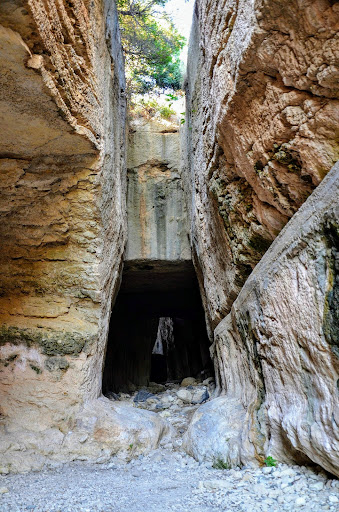
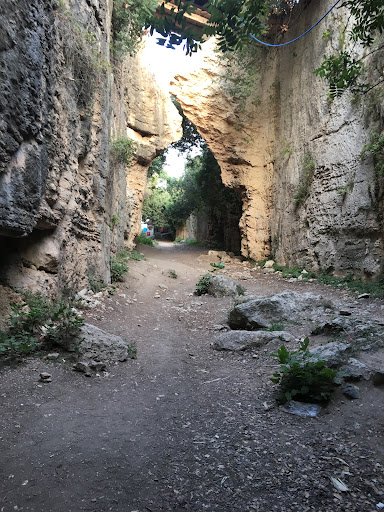
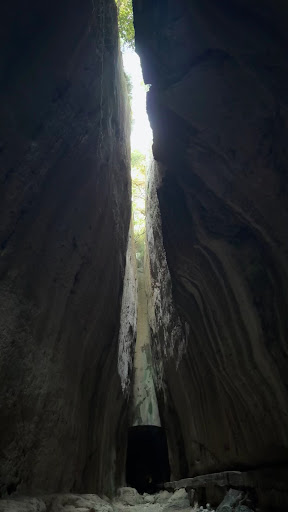
Titus Tüneli, Hatay'ın Samandağ ilçesinde bulunan ve Roma dönemine ait bir mühendislik harikasıdır. İmparator Vespasianus tarafından M.Ö. 69 yılında yapılmaya başlanmış, oğlu Titus ve ardından Antonius Pius zamanında tamamlanmıştır. Bu tünel, dağdan gelen sel sularının limanı doldurmaması amacıyla inşa edilmiştir. Yaklaşık 1380 metre uzunluğunda, 7 metre yüksekliğinde ve 6 metre genişliğindedir. Titus Tüneli'nin yakınında Beşikli Mağara olarak bilinen etkileyici kaya mezarları da bulunmaktadır. UNESCO Dünya Mirası Geçici Listesi'nde yer alan bu tünel, tarihe ve mühendisliğe ilgisi olanlar için gerçekten büyüleyici bir yer.
🏗️ Yapım Hikâyesi: Babadan Oğula Miras
Başlangıç: M.S. 69 yılında Roma İmparatoru Vespasianus, Samandağ’daki Seleucia Pieria limanını sel sularından korumak amacıyla bu devasa tünelin inşasını başlatır.
Devamı: Proje, Vespasianus’un ölümünden sonra oğlu Titus tarafından devralınır ve onun döneminde büyük ölçüde tamamlanır. Bu yüzden tünel genellikle “Titus Tüneli” olarak anılır.
Tamamlanma: Bazı kaynaklara göre inşaat, Antoninus Pius dönemine kadar uzanmış olabilir; yani tünelin tamamlanması yaklaşık 90 yıl sürmüş olabilir.
🔨 Nasıl İnşa Edildi?
Tünel, binlerce işçi ve köle tarafından, sadece el aletleri kullanılarak Musa Dağı’nın kayalıkları oyularak yapılmıştır.
Yaklaşık 1380 metre uzunluğunda, 7 metre yüksekliğinde ve 6 metre genişliğindedir.
Bu devasa iş gücü, 10 yıl boyunca gece gündüz çalışarak sel sularının yönünü değiştirecek bir kanal oluşturmuştur.
🌊 Amaç Neydi?
Seleucia Pieria limanı, Akdeniz’in doğusundaki en büyük ikinci limandı. Ancak dağlardan gelen seller limanı tehdit ediyordu.
Tünel, bu suların yönünü değiştirerek limanı korumak için tasarlandı. Yani bu yapı, antik çağın mega altyapı projelerinden biri olarak kabul ediliyor.
🏛️ Kültürel Miras
Tünel, 2014 yılında UNESCO Dünya Mirası Geçici Listesi’ne alındı.
Yakınında bulunan Beşikli Mağara ise kaya mezarlarıyla birlikte bölgenin arkeolojik önemini artırıyor.
Bu hikâye, Roma’nın sadece askeri değil, mühendislik alanındaki gücünü de gösteriyor.
🧱 Mimari Özellikleri
| Özellik | Detaylar |
|---|
| Uzunluk | Toplamda yaklaşık 1380 metre; bunun 130 metresi kapalı tünel, geri kalanı açık kanal şeklindedir. |
| Yükseklik | Ortalama 7 metre |
| Genişlik | Yaklaşık 6 metre |
| Yapım Tekniği | Tamamen el aletleriyle, çekiç ve murç kullanılarak dağ oyularak yapılmıştır. |
| Malzeme | Doğal kireçtaşı kayalıklar, bölgenin jeolojik yapısına uygun olarak oyulmuştur. |
| İnşaat Süreci | Roma lejyonları ve köleler tarafından, yaklaşık 10 yıl süren yoğun bir emekle inşa edilmiştir. |
🏛️ Mühendislik Harikası
Tünel, dağdan gelen sel sularını Seleucia Pieria limanından uzaklaştırmak için tasarlanmıştır.
Dağın içi oyularak, dere yatağı denize yönlendirilmiş, böylece limanın dolması engellenmiştir.
Bu yapı, hidrolik mühendislik açısından antik çağın en sofistike projelerinden biridir.
🗿 Çevresel Mimari: Beşikli Mağara
Tünelin doğusunda yer alan Beşikli Mağara, kaya mezarlarıyla dikkat çeker.
Mezarlar, sütunlar ve kemerlerle birbirine bağlanmış, taş merdivenlerle aşağıya inilen bölümlerden oluşur.
Bu alan, dönemin soylu ailelerine ait 12 mezarı barındırır ve mimari açıdan oldukça gösterişlidir.
Bu tünel, sadece bir su tahliye sistemi değil; aynı zamanda Roma'nın doğudaki gücünü ve mühendislik becerisini...
Read more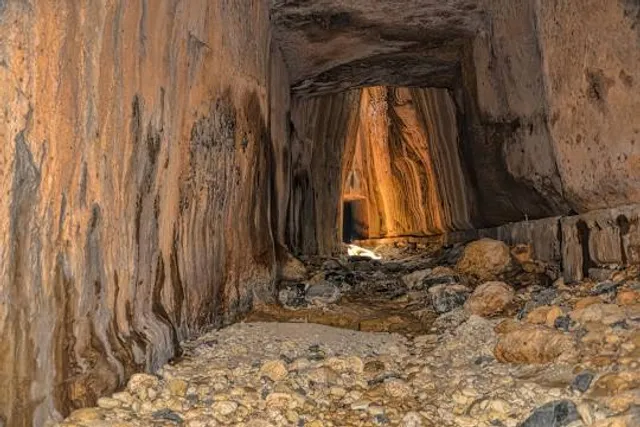
 Learn more insights from Wanderboat AI.