Norway is an amazing country in northern Europe. Located in the west of the Scandinavian Peninsula, this state combines many landscapes: the famous rocky fjords, clear lakes, mountain waterfalls, snow-capped peaks.
The territory of the country is divided in two parts: the low populated north area occupied by mountains and densely populated southern region. Although Norway is a northern country, the climate is soft due to the Gulf Stream.
The national symbols of Norway are the heather flower, the moose and the dipper bird.
Native people are called Saami. Reindeer herding and fishing take a central place in their lives and are flourishing in Norway to this day. The modern capital of the Saami culture is Karasjok, located in the north of the country.
Norway people value social equality and equality in general. It plays a major role in the life of Norwegians. Any kind of discrimination in the country is subject to sharp criticism.
Norway has musical traditions of the Scandinavian peoples, folk music is traditionally performed during holidays and carnivals. Marie Boyne is a famous performer of traditional Sami music, and a representative of the Norwegian classical music is Edvard Grieg.
Norway also has national dishes. Lefse are dry flat cakes, prepared with mashed potatoes. The flat cakes are eaten instead of bread or used to make rolls or sandwiches.
Lutefisk is dried fish, soaked in a special liquid until there are no bones left in the fish. It is often served with potatoes.
Norway is also a country of many attractions. Northern Norway is considered one of the most fascinating places for those who want to see the northern lights. For the people of Northern Norway, the northern lights are part of everyday life, a source of inspiration and a topic of myths and legends.
The embankment in the Aker Brygge district is considered one of the most popular holiday destinations in Oslo and one of its main sights. In 1982, this industrial, working area on the shore of the Oslo Fjord was transformed into a recreation and entertainment quarter, with office and residential neighbourhoods. Today, this is one of the most fashionable areas of Oslo. Locals and tourists come here to take a stroll along the bay, sit at the table of one of the restaurant-barges, listen to street concerts and watch the sunset.
The famous Troll tongue is a breakaway piece of a mountain near the city of Odda, frozen on its edge 350 meters above the Ringedalsvatn lake. It is shaped like a tongue, hence the name.
In conclusion, Norway is an fascinating country with its unique nature and culture that will enchant you from the first minutes of...
Read moreКрепость основана в июле 1635 года с целью перекрытия выхода к Чёрному морю и воспрепятствования бегству крестьян в Запорожье, в другом источнике цель постройки крепости очистка от запорожцев днепровских островов. «Ключом к Запорожью» называли крепость современники. Кодак строился под руководством французского инженера де Боплана, по приказанию коронного гетмана Конецпольского.
На строительство сейм ассигновал 100 тысяч польских злотых. Гарнизонсоставлял 200 немецких наёмников-драгунов во главе с французским офицером Жаном Марионом. Находившийся здесь начальником гарнизона Ж. Марион не пропускал запорожских казаков на юг, запрещал им проходить мимо крепости, ловить рыбу в Днепре и вообще всячески их притеснял.
Уже в августе 1635 года запорожцы под командованием атамана Сулимы, возвращаясь из похода, внезапным нападением ночью взяли и разрушили Кодак, вырезав весь гарнизон (живы остались 15 драгун, которые были в разведке). Сам комендант Ж. Марион был казнён.
Крепость была восстановлена немецким инженером Фридрихом Геткантом в 1639 году, её размеры увеличились почти в три раза, были построены католический костёл и монастырь, православная церковь, а гарнизон увеличен до 600 наёмников. Огневую мощь усилили артиллерией, в трёх километрах от крепости построили сторожевую башню. Губернатором Кодака стал шляхтич Ян Жолтовский, а комендантом — Адам Конецпольский, племянник гетманаСтанислава Конецпольского.
В сентябре 1648 года на захват крепости было отправлено три казацких полка под командованием полковников П. Шумейко, М. Нестеренко и Я. Вовченко. 1 октября1648 года крепость Кодак без боя капитулировала. Койдак был объявлен Богданом Хмельницким сборным местом Малороссийского казачьего войска[6]. Крепостные орудия были сняты, а сама крепость утратила своё значение до 1654 года.
Во времена гетмана Ивана Мазепы Кодак был сторожевым постом против Запорожской Сечи. В 1711 году по условиям Прутского мирного договоравместе с прочими крепостями на юге Русибыл разрушен.
В 1734—1775 годах Кодак — казацкая слобода, центр Кодацкой паланки. В конце XVIII века Кодак был переименован в Старые Кодаки, и здесь поселилось много запорожцев после уничтожения Новой Сечи. Руины Кодака сохранились до наших дней.
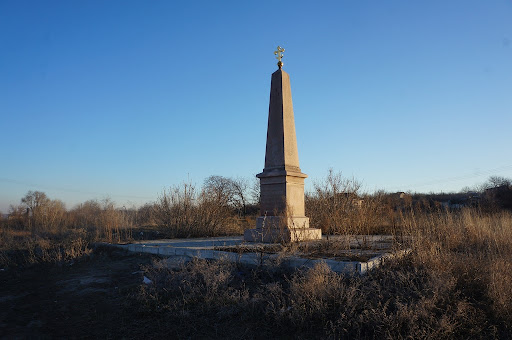
В 1910 году по инициативе Д. Яворницкогона месте крепости был установлен памятный знак.
На месте крепости в 1940 году был создан гранитный карьер, который за сорок с лишним лет уничтожил около 90 % крепости. В наше время сохранились только северные земляные валы и озеро, оставшиеся после...
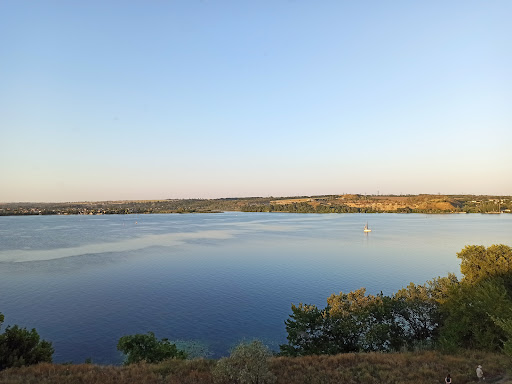
Read moreFor a day out you could track the Dnieper River for about 20 minutes down to the remnants of a 17th-century Polish stronghold.
The star-shaped artillery fortress was raised in 1635 and only existed for 80 years, but in that time witnessed an unbelievable amount of violence between the Poles and Cossacks.
The very year it was completed some 200 German mercenaries fighting with the Poles were put to death by the Cossacks.
The fortress was decommissioned and torn down in 1711 after the Treaty of the Pruth.
Later it was used as a quarry, but the natural, riverside setting, earthworks, information panels and obelisk give a sense of what...
Read more