HTML SitemapExplore

Dominican Church of St. Stanislav — Attraction in Chortkiv Urban Hromada

Name
Dominican Church of St. Stanislav
Description
Nearby attractions
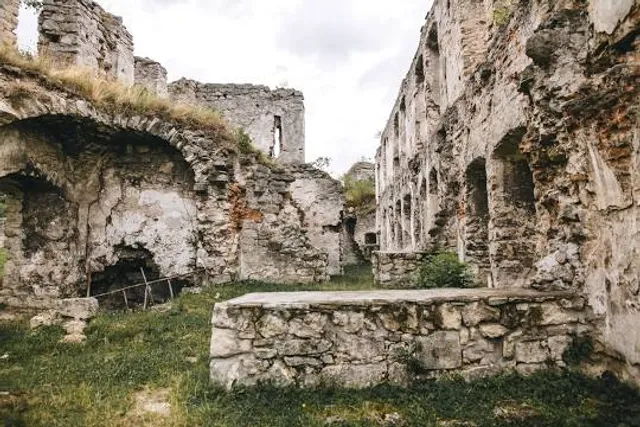
Chortkiv Fortress
Chortkiv, Ternopil Oblast, Ukraine, 48500
Chortkivsʹkyy Zamok Natsionalʹnoho Zapovidnyka "Zamky Ternopillya"
Vulytsya Zamkova, 1, Chortkiv, Ternopil Oblast, Ukraine, 48500
Nearby restaurants
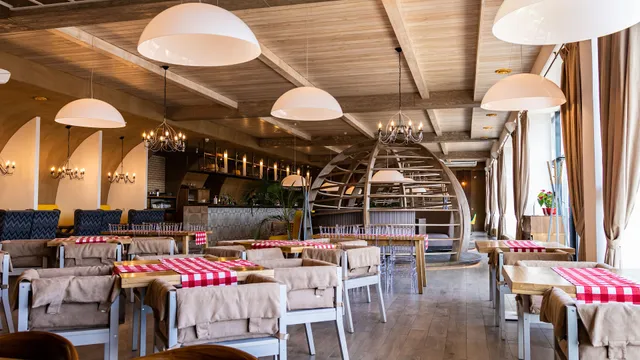
Pitseriya-Pasteriya "Pomidora"
Vul. Nezalezhnosti, 51в, Chortkiv, Ternopil Oblast, Ukraine, 48501
Nearby hotels
Related posts
Keywords
Dominican Church of St. Stanislav tourism.Dominican Church of St. Stanislav hotels.Dominican Church of St. Stanislav bed and breakfast. flights to Dominican Church of St. Stanislav.Dominican Church of St. Stanislav attractions.Dominican Church of St. Stanislav restaurants.Dominican Church of St. Stanislav travel.Dominican Church of St. Stanislav travel guide.Dominican Church of St. Stanislav travel blog.Dominican Church of St. Stanislav pictures.Dominican Church of St. Stanislav photos.Dominican Church of St. Stanislav travel tips.Dominican Church of St. Stanislav maps.Dominican Church of St. Stanislav things to do.
Dominican Church of St. Stanislav things to do, attractions, restaurants, events info and trip planning
Dominican Church of St. Stanislav
UkraineTernopil OblastChortkiv Urban HromadaDominican Church of St. Stanislav

Basic Info

Dominican Church of St. Stanislav

Vulytsya Shevchenka, 2, Chortkiv, Ternopil Oblast, Ukraine, 48500
4.9(231)
Closed
Save
spot

Ratings & Description

Info

Cultural
Scenic
Family friendly
Accessibility
attractions: Chortkiv Fortress, Chortkivsʹkyy Zamok Natsionalʹnoho Zapovidnyka "Zamky Ternopillya", restaurants: Pitseriya-Pasteriya "Pomidora"
logoLearn more insights from Wanderboat AI.
Phone
+380 3552 20342
Open hoursSee all hours
Thu8:30 AM - 7 PMClosed

Plan your stay

hotel
Pet-friendly Hotels in Chortkiv Urban Hromada
Find a cozy hotel nearby and make it a full experience.
hotel
Affordable Hotels in Chortkiv Urban Hromada
Find a cozy hotel nearby and make it a full experience.
hotel
The Coolest Hotels You Haven't Heard Of (Yet)
Find a cozy hotel nearby and make it a full experience.
hotel
Trending Stays Worth the Hype in Chortkiv Urban Hromada
Find a cozy hotel nearby and make it a full experience.

Reviews

Nearby attractions of Dominican Church of St. Stanislav

Chortkiv Fortress

Chortkivsʹkyy Zamok Natsionalʹnoho Zapovidnyka "Zamky Ternopillya"

Chortkiv Fortress

Chortkiv Fortress

4.2

(444)

Open 24 hours
Click for details
Chortkivsʹkyy Zamok Natsionalʹnoho Zapovidnyka "Zamky Ternopillya"

Chortkivsʹkyy Zamok Natsionalʹnoho Zapovidnyka "Zamky Ternopillya"

4.2

(91)

Closed
Click for details

Nearby restaurants of Dominican Church of St. Stanislav

Pitseriya-Pasteriya "Pomidora"

Pitseriya-Pasteriya "Pomidora"

Pitseriya-Pasteriya "Pomidora"

4.6

(182)

$$

Click for details
Get the Appoverlay
Get the AppOne tap to find yournext favorite spots!
Wanderboat LogoWanderboat

Your everyday Al companion for getaway ideas

CompanyAbout Us
InformationAI Trip PlannerSitemap
SocialXInstagramTiktokLinkedin
LegalTerms of ServicePrivacy Policy

Get the app

© 2025 Wanderboat. All rights reserved.

Reviews of Dominican Church of St. Stanislav

4.9
(231)
avatar
5.0
4y

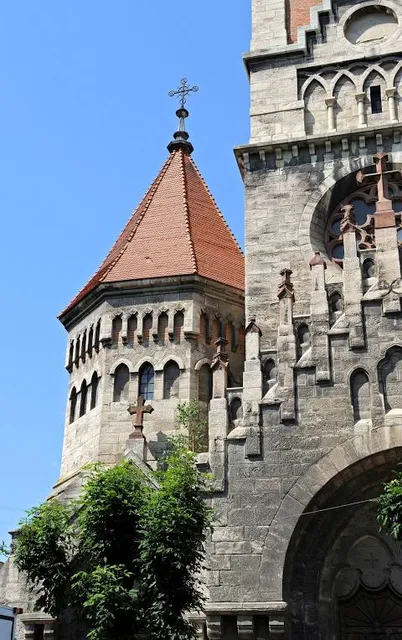
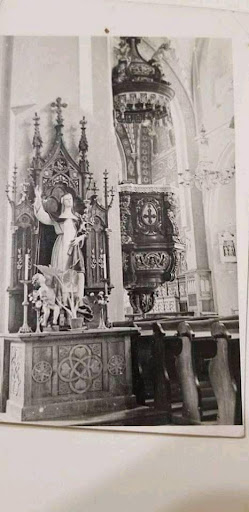
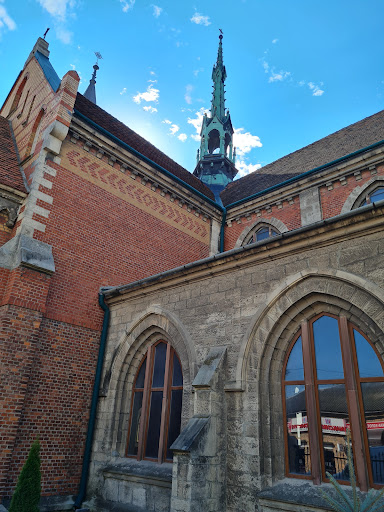
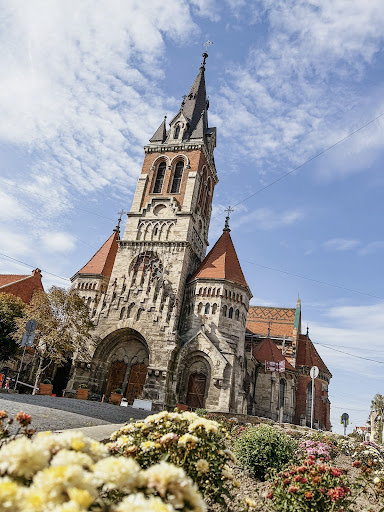
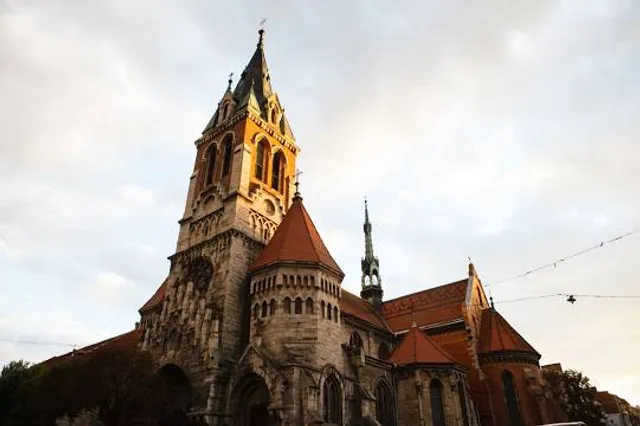
In about 1600, monks of the Dominican Order arrived in Chortkiv, who came here from a town that once existed on the site of the present-day village of Shmankivtsi (10 km south-east of Chortkiv). Stanislav Golsky, who invited the Chortkiv Dominicans, provided funds for the construction of the church, which would later become the nucleus of the monastery. The place for its construction was chosen on the right bank of the River Seret. Probably, by 1610 the church was built. Its main facade was on the old market square. In 1612, Stanislav Golsky died, and he was buried in the temple's dungeon. How church looks in the initial period of its history, there is no information. It is unknown whether the church itself was adapted for defense, but around the perimeter it was surrounded by an outer defensive wall that protected the temple and other monastic buildings. In 1663, during a campaign to Smolensk, moving through Chortkiv, King of the Polish- Lithuanian Commonwealth Jan II Casimir (1609-1672) visited the Holy Liturgy in the temple. And in 1683 the next Polish king, Jan III Sobieski, visited the monastery church. It is known that in 1731 the church was rebuilt and renamed in honor of Stanislav, a bishop and martyr.The church is reconstructed again in 1780 At the beginning of the 20th century, on the initiative of Chortkiv burgomaster Ludwig Noss, a large-scale reconstruction of the Dominican temple was launched. Such responsible work was given to Jan Sasu Zubritsky (1860 - 1935). The works were begun in 1903 and lasted for nine long years and was almost completely completed before the start of the First World War. As a building material, stone and brick were used. It is known that during this period the premises of the old monastery (sacristy, monastic chancellery, cells) were adjacent to the temple. It is also necessary to mention the two-story building of the so-called New Monastery, where the monks and the library, as well as reception, were arranged. In the process of rebuilding, the church and monastic complex lost all defensive features. After Soviet Power established its rule over the territory, the divine service in the church stopped. Since 1959 its premises was converted into a city’s warehouse. In 1989 the church was returned to the Dominican Fathers. In 2014, a stone cross symbolizing Holy Mission was installed in the church yard. In the main altar there is the copy of the image of the Holy Mother of St. Rosary . According to legends, the icon of the Holy Mother of St. Rosary was painted in the 15th century. The image was brought to Ukraine from Belorussia. The image for Chortkov was presented by the Polish king Jan Kazymyr. Before that it was in Lviv in the temple of St. Mary Magdalene During the Second World War, the icon was taken to Krakow. Today the original is located in the Warsaw Temple of St. Jacek, and the icon that is in Chortkiv is an exact copy of...

   Read more

avatar
5.0
4y

Вперше зведено у 1610 року для кляштора (монастиря) домініканців. Костел і сьогодні виглядає як оборонний, а в давні часи був оточений високими оборонними мурами з баштами, залишки яких і досі збереглися з тильного боку храму. То ж під час численних нападів татар за храмовими мурами переховувалося місцеве населення. У 1663 році Чортків відвідав, взявши участь у Літургії в костелі, король Ян Казимир, що прямував походом на Смоленськ. А у 1683 році в монастирському костелі побував наступний польський король – Ян ІІІ Собєський. Наприкінці XIX століття костел вже не вміщував усіх парафіян. Виникла потреба у новому, більш просторому храмі. Старий костел з частиною мурів частково розібрали, а на його місці польський архітектор,професор Краківського університету, на початку ХХ століття поставив новий величний храм у стилі готики. Перебудова тривала довгих десять років і закінчилася майже перед початком Першої світової війни. У 1914 році російські війська зняли та вивезли дзвони. Залишився лише один, найбільший, який окупанти не змогли зняти. Але і його через 3 роки вивезли німці, розбивши на частини і знявши. За два роки дзвони повернулися на своє місце. Совіти виявилися більш жорстокішими: у 1941 році перед наступом німців костел і монастир підпалили, а майже всіх отців і монахів-домініканців замордували на околиці Чорткова. У 1947 році його передали православним, а у 1959 році перетворили на склад міськторгу. Наприкінці 80-х років храм все ж таки повернули...

   Read more
avatar
5.0
1y

Костел святого Станіслава в місті Чортків Тернопільська область

У 2016 році костел Матері Божої Святого Розарія та святого Станіслава в Чорткові, або Домініканський костел у Чорткові увійшов до ТОП-7 найвеличніших католицьких храмів України.

Споруджений на початку XVII століття. У 1683 році в монастирському костелі побував наступний польський король – Ян ІІІ Собєський.

Наприкінці XIX століття старий костел не вміщував усіх парафіян, а їх кількість зростала. Тому старий храм з частиною мурів частково розібрали, а на його місці за проєктом, польського архітектора, професора Краківського університету Яна Кароля Саса-Зубжицького на початку ХХ століття звели новий храм у стилі надвіслянської готики, який прикрашали скульптури святих, які виготовили майстри Чеслав Стовп та Діаман Станкевич. Завершили будівництво у 1910 році. Проте у 1914 році костел пограбували російські війська та зняли дзвони.

З приходом радянської окупації костел зачинили і перетворили на склад.

Повернули костел віруючим наприкінці 80-х.

Зараз костел діючий, він просто неймовірної краси та атмосфери, а побувати на службі у ньому одне...

   Read more
Page 1 of 7
Previous
Next

Posts

Viktor Yedynak. Your Guide In UkraineViktor Yedynak. Your Guide In Ukraine
In about 1600, monks of the Dominican Order arrived in Chortkiv, who came here from a town that once existed on the site of the present-day village of Shmankivtsi (10 km south-east of Chortkiv). Stanislav Golsky, who invited the Chortkiv Dominicans, provided funds for the construction of the church, which would later become the nucleus of the monastery. The place for its construction was chosen on the right bank of the River Seret. Probably, by 1610 the church was built. Its main facade was on the old market square. In 1612, Stanislav Golsky died, and he was buried in the temple's dungeon. How church looks in the initial period of its history, there is no information. It is unknown whether the church itself was adapted for defense, but around the perimeter it was surrounded by an outer defensive wall that protected the temple and other monastic buildings. In 1663, during a campaign to Smolensk, moving through Chortkiv, King of the Polish- Lithuanian Commonwealth Jan II Casimir (1609-1672) visited the Holy Liturgy in the temple. And in 1683 the next Polish king, Jan III Sobieski, visited the monastery church. It is known that in 1731 the church was rebuilt and renamed in honor of Stanislav, a bishop and martyr.The church is reconstructed again in 1780 At the beginning of the 20th century, on the initiative of Chortkiv burgomaster Ludwig Noss, a large-scale reconstruction of the Dominican temple was launched. Such responsible work was given to Jan Sasu Zubritsky (1860 - 1935). The works were begun in 1903 and lasted for nine long years and was almost completely completed before the start of the First World War. As a building material, stone and brick were used. It is known that during this period the premises of the old monastery (sacristy, monastic chancellery, cells) were adjacent to the temple. It is also necessary to mention the two-story building of the so-called New Monastery, where the monks and the library, as well as reception, were arranged. In the process of rebuilding, the church and monastic complex lost all defensive features. After Soviet Power established its rule over the territory, the divine service in the church stopped. Since 1959 its premises was converted into a city’s warehouse. In 1989 the church was returned to the Dominican Fathers. In 2014, a stone cross symbolizing Holy Mission was installed in the church yard. In the main altar there is the copy of the image of the Holy Mother of St. Rosary . According to legends, the icon of the Holy Mother of St. Rosary was painted in the 15th century. The image was brought to Ukraine from Belorussia. The image for Chortkov was presented by the Polish king Jan Kazymyr. Before that it was in Lviv in the temple of St. Mary Magdalene During the Second World War, the icon was taken to Krakow. Today the original is located in the Warsaw Temple of St. Jacek, and the icon that is in Chortkiv is an exact copy of the original.
Євгена ВасилишинаЄвгена Василишина
Вперше зведено у 1610 року для кляштора (монастиря) домініканців. Костел і сьогодні виглядає як оборонний, а в давні часи був оточений високими оборонними мурами з баштами, залишки яких і досі збереглися з тильного боку храму. То ж під час численних нападів татар за храмовими мурами переховувалося місцеве населення. У 1663 році Чортків відвідав, взявши участь у Літургії в костелі, король Ян Казимир, що прямував походом на Смоленськ. А у 1683 році в монастирському костелі побував наступний польський король – Ян ІІІ Собєський. Наприкінці XIX століття костел вже не вміщував усіх парафіян. Виникла потреба у новому, більш просторому храмі. Старий костел з частиною мурів частково розібрали, а на його місці польський архітектор,професор Краківського університету, на початку ХХ століття поставив новий величний храм у стилі готики. Перебудова тривала довгих десять років і закінчилася майже перед початком Першої світової війни. У 1914 році російські війська зняли та вивезли дзвони. Залишився лише один, найбільший, який окупанти не змогли зняти. Але і його через 3 роки вивезли німці, розбивши на частини і знявши. За два роки дзвони повернулися на своє місце. Совіти виявилися більш жорстокішими: у 1941 році перед наступом німців костел і монастир підпалили, а майже всіх отців і монахів-домініканців замордували на околиці Чорткова. У 1947 році його передали православним, а у 1959 році перетворили на склад міськторгу. Наприкінці 80-х років храм все ж таки повернули домініканцям.
Віталій ЛиктейВіталій Ликтей
Костел святого Станіслава в місті Чортків Тернопільська область У 2016 році костел Матері Божої Святого Розарія та святого Станіслава в Чорткові, або Домініканський костел у Чорткові увійшов до ТОП-7 найвеличніших католицьких храмів України. Споруджений на початку XVII століття. У 1683 році в монастирському костелі побував наступний польський король – Ян ІІІ Собєський. Наприкінці XIX століття старий костел не вміщував усіх парафіян, а їх кількість зростала. Тому старий храм з частиною мурів частково розібрали, а на його місці за проєктом, польського архітектора, професора Краківського університету Яна Кароля Саса-Зубжицького на початку ХХ століття звели новий храм у стилі надвіслянської готики, який прикрашали скульптури святих, які виготовили майстри Чеслав Стовп та Діаман Станкевич. Завершили будівництво у 1910 році. Проте у 1914 році костел пограбували російські війська та зняли дзвони. З приходом радянської окупації костел зачинили і перетворили на склад. Повернули костел віруючим наприкінці 80-х. Зараз костел діючий, він просто неймовірної краси та атмосфери, а побувати на службі у ньому одне задоволення!
See more posts
See more posts
hotel
Find your stay

Pet-friendly Hotels in Chortkiv Urban Hromada

Find a cozy hotel nearby and make it a full experience.

In about 1600, monks of the Dominican Order arrived in Chortkiv, who came here from a town that once existed on the site of the present-day village of Shmankivtsi (10 km south-east of Chortkiv). Stanislav Golsky, who invited the Chortkiv Dominicans, provided funds for the construction of the church, which would later become the nucleus of the monastery. The place for its construction was chosen on the right bank of the River Seret. Probably, by 1610 the church was built. Its main facade was on the old market square. In 1612, Stanislav Golsky died, and he was buried in the temple's dungeon. How church looks in the initial period of its history, there is no information. It is unknown whether the church itself was adapted for defense, but around the perimeter it was surrounded by an outer defensive wall that protected the temple and other monastic buildings. In 1663, during a campaign to Smolensk, moving through Chortkiv, King of the Polish- Lithuanian Commonwealth Jan II Casimir (1609-1672) visited the Holy Liturgy in the temple. And in 1683 the next Polish king, Jan III Sobieski, visited the monastery church. It is known that in 1731 the church was rebuilt and renamed in honor of Stanislav, a bishop and martyr.The church is reconstructed again in 1780 At the beginning of the 20th century, on the initiative of Chortkiv burgomaster Ludwig Noss, a large-scale reconstruction of the Dominican temple was launched. Such responsible work was given to Jan Sasu Zubritsky (1860 - 1935). The works were begun in 1903 and lasted for nine long years and was almost completely completed before the start of the First World War. As a building material, stone and brick were used. It is known that during this period the premises of the old monastery (sacristy, monastic chancellery, cells) were adjacent to the temple. It is also necessary to mention the two-story building of the so-called New Monastery, where the monks and the library, as well as reception, were arranged. In the process of rebuilding, the church and monastic complex lost all defensive features. After Soviet Power established its rule over the territory, the divine service in the church stopped. Since 1959 its premises was converted into a city’s warehouse. In 1989 the church was returned to the Dominican Fathers. In 2014, a stone cross symbolizing Holy Mission was installed in the church yard. In the main altar there is the copy of the image of the Holy Mother of St. Rosary . According to legends, the icon of the Holy Mother of St. Rosary was painted in the 15th century. The image was brought to Ukraine from Belorussia. The image for Chortkov was presented by the Polish king Jan Kazymyr. Before that it was in Lviv in the temple of St. Mary Magdalene During the Second World War, the icon was taken to Krakow. Today the original is located in the Warsaw Temple of St. Jacek, and the icon that is in Chortkiv is an exact copy of the original.
Viktor Yedynak. Your Guide In Ukraine

Viktor Yedynak. Your Guide In Ukraine

hotel
Find your stay

Affordable Hotels in Chortkiv Urban Hromada

Find a cozy hotel nearby and make it a full experience.

Get the Appoverlay
Get the AppOne tap to find yournext favorite spots!
Вперше зведено у 1610 року для кляштора (монастиря) домініканців. Костел і сьогодні виглядає як оборонний, а в давні часи був оточений високими оборонними мурами з баштами, залишки яких і досі збереглися з тильного боку храму. То ж під час численних нападів татар за храмовими мурами переховувалося місцеве населення. У 1663 році Чортків відвідав, взявши участь у Літургії в костелі, король Ян Казимир, що прямував походом на Смоленськ. А у 1683 році в монастирському костелі побував наступний польський король – Ян ІІІ Собєський. Наприкінці XIX століття костел вже не вміщував усіх парафіян. Виникла потреба у новому, більш просторому храмі. Старий костел з частиною мурів частково розібрали, а на його місці польський архітектор,професор Краківського університету, на початку ХХ століття поставив новий величний храм у стилі готики. Перебудова тривала довгих десять років і закінчилася майже перед початком Першої світової війни. У 1914 році російські війська зняли та вивезли дзвони. Залишився лише один, найбільший, який окупанти не змогли зняти. Але і його через 3 роки вивезли німці, розбивши на частини і знявши. За два роки дзвони повернулися на своє місце. Совіти виявилися більш жорстокішими: у 1941 році перед наступом німців костел і монастир підпалили, а майже всіх отців і монахів-домініканців замордували на околиці Чорткова. У 1947 році його передали православним, а у 1959 році перетворили на склад міськторгу. Наприкінці 80-х років храм все ж таки повернули домініканцям.
Євгена Василишина

Євгена Василишина

hotel
Find your stay

The Coolest Hotels You Haven't Heard Of (Yet)

Find a cozy hotel nearby and make it a full experience.

hotel
Find your stay

Trending Stays Worth the Hype in Chortkiv Urban Hromada

Find a cozy hotel nearby and make it a full experience.

Костел святого Станіслава в місті Чортків Тернопільська область У 2016 році костел Матері Божої Святого Розарія та святого Станіслава в Чорткові, або Домініканський костел у Чорткові увійшов до ТОП-7 найвеличніших католицьких храмів України. Споруджений на початку XVII століття. У 1683 році в монастирському костелі побував наступний польський король – Ян ІІІ Собєський. Наприкінці XIX століття старий костел не вміщував усіх парафіян, а їх кількість зростала. Тому старий храм з частиною мурів частково розібрали, а на його місці за проєктом, польського архітектора, професора Краківського університету Яна Кароля Саса-Зубжицького на початку ХХ століття звели новий храм у стилі надвіслянської готики, який прикрашали скульптури святих, які виготовили майстри Чеслав Стовп та Діаман Станкевич. Завершили будівництво у 1910 році. Проте у 1914 році костел пограбували російські війська та зняли дзвони. З приходом радянської окупації костел зачинили і перетворили на склад. Повернули костел віруючим наприкінці 80-х. Зараз костел діючий, він просто неймовірної краси та атмосфери, а побувати на службі у ньому одне задоволення!
Віталій Ликтей

Віталій Ликтей

See more posts
See more posts