HTML SitemapExplore
logo
Find Things to DoFind The Best Restaurants

Tsarskiy Kurgan — Attraction in Kerch

Name
Tsarskiy Kurgan
Description
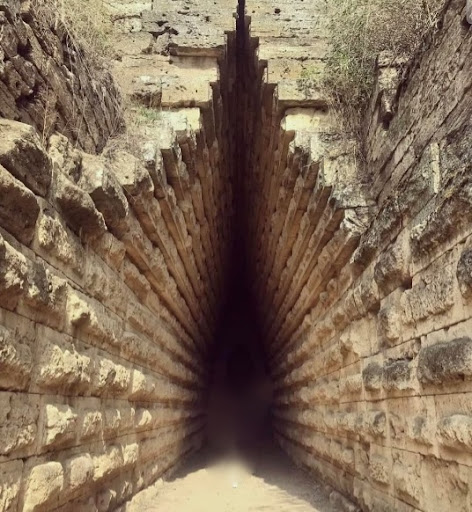
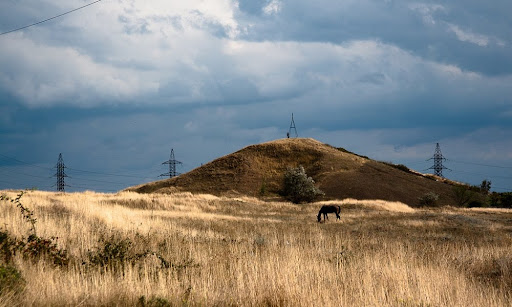
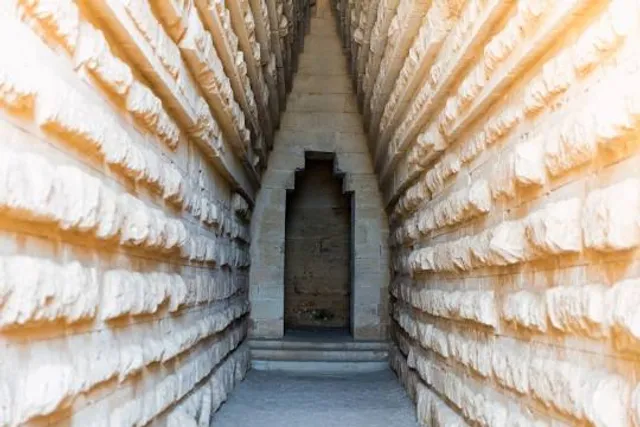
The Royal Kurgan or Tsarskiy Kurgan from the 4th century BC, is one of the most impressive tumuli of the eastern Crimea. The burial barrow is located in the present-day Kerch, which developed out of the ancient Greek town Panticapaeum founded by Miletus.
Nearby attractions
Adzhimushkayskiye Kamenolomni
пос. Аджимушкай, Kerch
Nearby restaurants
Nearby hotels
Related posts
Keywords
Tsarskiy Kurgan tourism.Tsarskiy Kurgan hotels.Tsarskiy Kurgan bed and breakfast. flights to Tsarskiy Kurgan.Tsarskiy Kurgan attractions.Tsarskiy Kurgan restaurants.Tsarskiy Kurgan travel.Tsarskiy Kurgan travel guide.Tsarskiy Kurgan travel blog.Tsarskiy Kurgan pictures.Tsarskiy Kurgan photos.Tsarskiy Kurgan travel tips.Tsarskiy Kurgan maps.Tsarskiy Kurgan things to do.
Tsarskiy Kurgan things to do, attractions, restaurants, events info and trip planning
Tsarskiy Kurgan
UkraineAutonomous Republic of CrimeaKerchTsarskiy Kurgan

Basic Info

Tsarskiy Kurgan

Skifs'ka St, Kerch
4.3(362)
Open 24 hours
Save
spot

Ratings & Description

Info

The Royal Kurgan or Tsarskiy Kurgan from the 4th century BC, is one of the most impressive tumuli of the eastern Crimea. The burial barrow is located in the present-day Kerch, which developed out of the ancient Greek town Panticapaeum founded by Miletus.

Cultural
Scenic
attractions: Adzhimushkayskiye Kamenolomni, restaurants:
logoLearn more insights from Wanderboat AI.
Phone
+7 978 085-04-03
Website
kerchmuseum.ru

Plan your stay

hotel
Pet-friendly Hotels in Kerch
Find a cozy hotel nearby and make it a full experience.

hotel
Affordable Hotels in Kerch
Find a cozy hotel nearby and make it a full experience.

hotel
The Coolest Hotels You Haven't Heard Of (Yet)
Find a cozy hotel nearby and make it a full experience.

hotel
Trending Stays Worth the Hype in Kerch
Find a cozy hotel nearby and make it a full experience.

Reviews

Nearby attractions of Tsarskiy Kurgan

Adzhimushkayskiye Kamenolomni

Adzhimushkayskiye Kamenolomni

Adzhimushkayskiye Kamenolomni

4.8

(1.2K)

Open 24 hours
Click for details

Get the Appoverlay
Get the AppOne tap to find yournext favorite spots!
Wanderboat LogoWanderboat

Your everyday Al companion for getaway ideas

CompanyAbout Us
InformationAI Trip PlannerSitemap
SocialXInstagramTiktokLinkedin
LegalTerms of ServicePrivacy Policy

Get the app

© 2025 Wanderboat. All rights reserved.
logo

Reviews of Tsarskiy Kurgan

4.3
(362)
avatar
4.0
50w

The Kurgan Real, also known as the Royal Mound, is a majestic burial mound located just outside Kerch in Crimea. Dating back to the 4th century BC, it is considered one of the most impressive megalithic sites in the region. Associated with the ancient Greek city of Panticapaeum, founded by settlers from Miletus, the site is believed to have served as the tomb of a ruler of the Bosphorus Kingdom, likely Leukon of Bosphorus (389-349 BC).

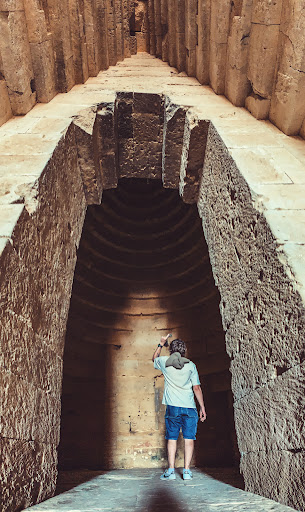
Excavations conducted between 1833 and 1837 revealed remains of a wooden sarcophagus and carved Christian symbols, indicating that the site had been looted and later reused by early Christians. The mound rises to a height of nearly 20 meters with a perimeter of 250 meters. Inside, it features a square burial chamber transitioning into a dome 8.84 meters high and a corridor (dromos) measuring 2.80 meters wide and 37 meters long. These structures were constructed using limestone blocks.

The architecture of the Kurgan Real bears resemblance to earthquake-resistant structures such as Sardinian nuraghi and ancient megalithic constructions designed to protect wells and springs. This has led some to speculate about its potential role in safeguarding against natural disasters, drawing comparisons to Greek myths like that of Phaeton and historical accounts such as Ramses III's inscriptions at Medinet Habu describing destruction caused by earthquakes and falling debris.

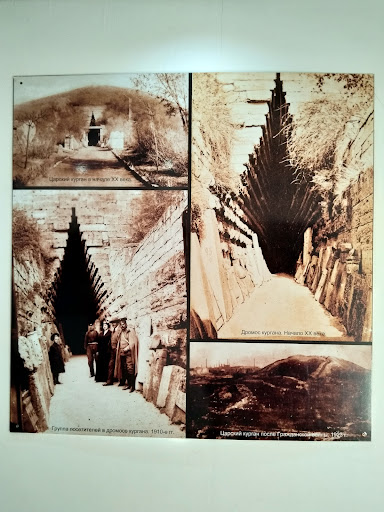
Now, the mound itself is empty, but the stonework of its walls and ceiling remains highly impressive. A small museum adjacent to the site provides insights into its history, though all informational texts are currently available only in Russian. The museum also displays photographs and artifacts related to the mound, dating back to its excavation.

Visitors have noted the site’s resemblance to Egypt's pyramids and admired its historical significance and unique drop-shaped design. The entrance fee, as of September 2018, was 120 rubles per adult. February, in particular, is an ideal time to visit, as there are no crowds. The site is highly recommended for those interested in ancient history and architecture, making it a memorable destination for both adults...

   Read more
avatar
5.0
6y

A most impressive megalithic site, situated just outside of Kerch, which I am glad to have been able to visit. Although said to have been used as burial site (and it may well have been at some point in time), the architecture reminds of the apparently (to a certain degree) earthquake proof Sardinian nuraghi and the way wells/springs were arched over with megalithic structures there in the ancient past - and thus protected from who knows what may once have been falling from the skies. Just think of the Greek myth of Phaeton or of what Aegypt's Ramses III had inscribed on the walls of his temple at Medinet Habu about the then recent destruction of most of the Mediterranean, including ancient Aegypt, by earthquakes as well as fires and stones falling from the skies. Even though the historical views on display in the small adjacent museum building give some hints, it is hard to make out to what extent the site may have been disturbed during its excavation, and how close to its original shape it is today. Unfortunately, all texts in the museum are in...

   Read more
avatar
5.0
6y

Царский курган, следующий раз посетим этот курган сами, без экскурсии. Подольше погуляем по округе.

Царский курган — место захоронения неизвестного нам боспорского царя. На пустыре, в пяти километрах от Керчи и в полукилометре от Аджимушкайских каменоломен сохранился этот всемирно известный памятник боспорской погребальной архитектуры 4 века до нашей эры. Высота царского кургана составляет 18,5 метров, диаметр насыпи до 250 метров. На площадке перед входом в курган ещё в 19 веке были собраны древние надгробные памятники и скульптуры, в основном боспорские. В начале дромоса (ведущего к склепу коридора) была установленна каменная плита с загадочными знаками на языке сарматских племён, ещё ждущими своих специалистов по расшифровке. Позже эти раритеты переместили в лапидарий.  Внутри кургана есть погребальная камера, в которой стоял большой царский саркофаг (разбитый грабителями ещё в древности). Цоколь вырублен прямо в монолитной скале, сама гробница была обложена камнями. Стены кургана завершаются уступчатым купольным перекрытием, которое кажется вечным. Ещё проходя по дромосу, экскурсанты проникаются ощущением глубочайшей древности и вместе с тем грозного могущества погребенного здесь царя. Возможно, это был Перисад Первый, которого за неоценимые заслуги перед Боспорским государством удостоили звания бога. Склеп находится под эгидой ЮНЕСКО и входит в сокровищницу редких земных сооружений, сохранившихся почти в идеальном виде. В начале нашей эры от свода дромоса в погребальную камеру вёл прямой лаз, со временем забытый и засыпанный. Есть интересное предположение, что в склепе, опасаясь от религиозных гонений, пряталась община первых христиан Боспора. Именно этим можно объяснить появление на стенах крестов. Для защиты от осадков каменную кладку Царского кургана завалили большими камнями, затем глиной с водорослями, поверх глины утрамбовали мелкий бут и, наконец, насыпали землю.  Сооружение, подобное Царскому кургану, составляет предмет гордости жителей Греции, но в Микенах от входа до склепа только шесть метров. Длина дромоса Царского кургана в Керчи — 37 метров. Архитекторы придавали сооружениям склепа формы основных геометрических фигур: дромос выполнен в форме треугольника, погребальная камера круглая, с квадратом в основании… Эти главные фигуры незаметно, органично переходят друг в друга, словно узоры в калейдоскопе. На многих камнях, как на горных породах геологического разреза, опытный исследователь узнает признаки разных эпох, а по трещинам можно определить следы древних или поздних землетресений. На камнях надписи, рисунки, символы. В одном месте изображено полтора десятка крестов. Откуда они? Когда в 1837 году открыли Царский курган, эти кресты в нём уже были. Царский курган находится в поселке Аршинцево, из города туда можно добраться...

   Read more
Page 1 of 7
Previous
Next

Posts

A J BashhaA J Bashha
The Kurgan Real, also known as the Royal Mound, is a majestic burial mound located just outside Kerch in Crimea. Dating back to the 4th century BC, it is considered one of the most impressive megalithic sites in the region. Associated with the ancient Greek city of Panticapaeum, founded by settlers from Miletus, the site is believed to have served as the tomb of a ruler of the Bosphorus Kingdom, likely Leukon of Bosphorus (389-349 BC). Excavations conducted between 1833 and 1837 revealed remains of a wooden sarcophagus and carved Christian symbols, indicating that the site had been looted and later reused by early Christians. The mound rises to a height of nearly 20 meters with a perimeter of 250 meters. Inside, it features a square burial chamber transitioning into a dome 8.84 meters high and a corridor (dromos) measuring 2.80 meters wide and 37 meters long. These structures were constructed using limestone blocks. The architecture of the Kurgan Real bears resemblance to earthquake-resistant structures such as Sardinian nuraghi and ancient megalithic constructions designed to protect wells and springs. This has led some to speculate about its potential role in safeguarding against natural disasters, drawing comparisons to Greek myths like that of Phaeton and historical accounts such as Ramses III's inscriptions at Medinet Habu describing destruction caused by earthquakes and falling debris. Now, the mound itself is empty, but the stonework of its walls and ceiling remains highly impressive. A small museum adjacent to the site provides insights into its history, though all informational texts are currently available only in Russian. The museum also displays photographs and artifacts related to the mound, dating back to its excavation. Visitors have noted the site’s resemblance to Egypt's pyramids and admired its historical significance and unique drop-shaped design. The entrance fee, as of September 2018, was 120 rubles per adult. February, in particular, is an ideal time to visit, as there are no crowds. The site is highly recommended for those interested in ancient history and architecture, making it a memorable destination for both adults and children.
Upāsaka GahapatiUpāsaka Gahapati
A most impressive megalithic site, situated just outside of Kerch, which I am glad to have been able to visit. Although said to have been used as burial site (and it may well have been at some point in time), the architecture reminds of the apparently (to a certain degree) earthquake proof Sardinian nuraghi and the way wells/springs were arched over with megalithic structures there in the ancient past - and thus protected from who knows what may once have been falling from the skies. Just think of the Greek myth of Phaeton or of what Aegypt's Ramses III had inscribed on the walls of his temple at Medinet Habu about the then recent destruction of most of the Mediterranean, including ancient Aegypt, by earthquakes as well as fires and stones falling from the skies. Even though the historical views on display in the small adjacent museum building give some hints, it is hard to make out to what extent the site may have been disturbed during its excavation, and how close to its original shape it is today. Unfortunately, all texts in the museum are in Russian only.
Наталья М.Наталья М.
Царский курган, следующий раз посетим этот курган сами, без экскурсии. Подольше погуляем по округе. Царский курган — место захоронения неизвестного нам боспорского царя. На пустыре, в пяти километрах от Керчи и в полукилометре от Аджимушкайских каменоломен сохранился этот всемирно известный памятник боспорской погребальной архитектуры 4 века до нашей эры. Высота царского кургана составляет 18,5 метров, диаметр насыпи до 250 метров. На площадке перед входом в курган ещё в 19 веке были собраны древние надгробные памятники и скульптуры, в основном боспорские. В начале дромоса (ведущего к склепу коридора) была установленна каменная плита с загадочными знаками на языке сарматских племён, ещё ждущими своих специалистов по расшифровке. Позже эти раритеты переместили в лапидарий.  Внутри кургана есть погребальная камера, в которой стоял большой царский саркофаг (разбитый грабителями ещё в древности). Цоколь вырублен прямо в монолитной скале, сама гробница была обложена камнями. Стены кургана завершаются уступчатым купольным перекрытием, которое кажется вечным. Ещё проходя по дромосу, экскурсанты проникаются ощущением глубочайшей древности и вместе с тем грозного могущества погребенного здесь царя. Возможно, это был Перисад Первый, которого за неоценимые заслуги перед Боспорским государством удостоили звания бога. Склеп находится под эгидой ЮНЕСКО и входит в сокровищницу редких земных сооружений, сохранившихся почти в идеальном виде. В начале нашей эры от свода дромоса в погребальную камеру вёл прямой лаз, со временем забытый и засыпанный. Есть интересное предположение, что в склепе, опасаясь от религиозных гонений, пряталась община первых христиан Боспора. Именно этим можно объяснить появление на стенах крестов. Для защиты от осадков каменную кладку Царского кургана завалили большими камнями, затем глиной с водорослями, поверх глины утрамбовали мелкий бут и, наконец, насыпали землю.  Сооружение, подобное Царскому кургану, составляет предмет гордости жителей Греции, но в Микенах от входа до склепа только шесть метров. Длина дромоса Царского кургана в Керчи — 37 метров. Архитекторы придавали сооружениям склепа формы основных геометрических фигур: дромос выполнен в форме треугольника, погребальная камера круглая, с квадратом в основании… Эти главные фигуры незаметно, органично переходят друг в друга, словно узоры в калейдоскопе. На многих камнях, как на горных породах геологического разреза, опытный исследователь узнает признаки разных эпох, а по трещинам можно определить следы древних или поздних землетресений. На камнях надписи, рисунки, символы. В одном месте изображено полтора десятка крестов. Откуда они? Когда в 1837 году открыли Царский курган, эти кресты в нём уже были. Царский курган находится в поселке Аршинцево, из города туда можно добраться автобусом N 4.
See more posts
See more posts
hotel
Find your stay

Pet-friendly Hotels in Kerch

Find a cozy hotel nearby and make it a full experience.

The Kurgan Real, also known as the Royal Mound, is a majestic burial mound located just outside Kerch in Crimea. Dating back to the 4th century BC, it is considered one of the most impressive megalithic sites in the region. Associated with the ancient Greek city of Panticapaeum, founded by settlers from Miletus, the site is believed to have served as the tomb of a ruler of the Bosphorus Kingdom, likely Leukon of Bosphorus (389-349 BC). Excavations conducted between 1833 and 1837 revealed remains of a wooden sarcophagus and carved Christian symbols, indicating that the site had been looted and later reused by early Christians. The mound rises to a height of nearly 20 meters with a perimeter of 250 meters. Inside, it features a square burial chamber transitioning into a dome 8.84 meters high and a corridor (dromos) measuring 2.80 meters wide and 37 meters long. These structures were constructed using limestone blocks. The architecture of the Kurgan Real bears resemblance to earthquake-resistant structures such as Sardinian nuraghi and ancient megalithic constructions designed to protect wells and springs. This has led some to speculate about its potential role in safeguarding against natural disasters, drawing comparisons to Greek myths like that of Phaeton and historical accounts such as Ramses III's inscriptions at Medinet Habu describing destruction caused by earthquakes and falling debris. Now, the mound itself is empty, but the stonework of its walls and ceiling remains highly impressive. A small museum adjacent to the site provides insights into its history, though all informational texts are currently available only in Russian. The museum also displays photographs and artifacts related to the mound, dating back to its excavation. Visitors have noted the site’s resemblance to Egypt's pyramids and admired its historical significance and unique drop-shaped design. The entrance fee, as of September 2018, was 120 rubles per adult. February, in particular, is an ideal time to visit, as there are no crowds. The site is highly recommended for those interested in ancient history and architecture, making it a memorable destination for both adults and children.
A J Bashha

A J Bashha

hotel
Find your stay

Affordable Hotels in Kerch

Find a cozy hotel nearby and make it a full experience.

Get the Appoverlay
Get the AppOne tap to find yournext favorite spots!
A most impressive megalithic site, situated just outside of Kerch, which I am glad to have been able to visit. Although said to have been used as burial site (and it may well have been at some point in time), the architecture reminds of the apparently (to a certain degree) earthquake proof Sardinian nuraghi and the way wells/springs were arched over with megalithic structures there in the ancient past - and thus protected from who knows what may once have been falling from the skies. Just think of the Greek myth of Phaeton or of what Aegypt's Ramses III had inscribed on the walls of his temple at Medinet Habu about the then recent destruction of most of the Mediterranean, including ancient Aegypt, by earthquakes as well as fires and stones falling from the skies. Even though the historical views on display in the small adjacent museum building give some hints, it is hard to make out to what extent the site may have been disturbed during its excavation, and how close to its original shape it is today. Unfortunately, all texts in the museum are in Russian only.
Upāsaka Gahapati

Upāsaka Gahapati

hotel
Find your stay

The Coolest Hotels You Haven't Heard Of (Yet)

Find a cozy hotel nearby and make it a full experience.

hotel
Find your stay

Trending Stays Worth the Hype in Kerch

Find a cozy hotel nearby and make it a full experience.

Царский курган, следующий раз посетим этот курган сами, без экскурсии. Подольше погуляем по округе. Царский курган — место захоронения неизвестного нам боспорского царя. На пустыре, в пяти километрах от Керчи и в полукилометре от Аджимушкайских каменоломен сохранился этот всемирно известный памятник боспорской погребальной архитектуры 4 века до нашей эры. Высота царского кургана составляет 18,5 метров, диаметр насыпи до 250 метров. На площадке перед входом в курган ещё в 19 веке были собраны древние надгробные памятники и скульптуры, в основном боспорские. В начале дромоса (ведущего к склепу коридора) была установленна каменная плита с загадочными знаками на языке сарматских племён, ещё ждущими своих специалистов по расшифровке. Позже эти раритеты переместили в лапидарий.  Внутри кургана есть погребальная камера, в которой стоял большой царский саркофаг (разбитый грабителями ещё в древности). Цоколь вырублен прямо в монолитной скале, сама гробница была обложена камнями. Стены кургана завершаются уступчатым купольным перекрытием, которое кажется вечным. Ещё проходя по дромосу, экскурсанты проникаются ощущением глубочайшей древности и вместе с тем грозного могущества погребенного здесь царя. Возможно, это был Перисад Первый, которого за неоценимые заслуги перед Боспорским государством удостоили звания бога. Склеп находится под эгидой ЮНЕСКО и входит в сокровищницу редких земных сооружений, сохранившихся почти в идеальном виде. В начале нашей эры от свода дромоса в погребальную камеру вёл прямой лаз, со временем забытый и засыпанный. Есть интересное предположение, что в склепе, опасаясь от религиозных гонений, пряталась община первых христиан Боспора. Именно этим можно объяснить появление на стенах крестов. Для защиты от осадков каменную кладку Царского кургана завалили большими камнями, затем глиной с водорослями, поверх глины утрамбовали мелкий бут и, наконец, насыпали землю.  Сооружение, подобное Царскому кургану, составляет предмет гордости жителей Греции, но в Микенах от входа до склепа только шесть метров. Длина дромоса Царского кургана в Керчи — 37 метров. Архитекторы придавали сооружениям склепа формы основных геометрических фигур: дромос выполнен в форме треугольника, погребальная камера круглая, с квадратом в основании… Эти главные фигуры незаметно, органично переходят друг в друга, словно узоры в калейдоскопе. На многих камнях, как на горных породах геологического разреза, опытный исследователь узнает признаки разных эпох, а по трещинам можно определить следы древних или поздних землетресений. На камнях надписи, рисунки, символы. В одном месте изображено полтора десятка крестов. Откуда они? Когда в 1837 году открыли Царский курган, эти кресты в нём уже были. Царский курган находится в поселке Аршинцево, из города туда можно добраться автобусом N 4.
Наталья М.

Наталья М.

See more posts
See more posts