Stonehenge is a prehistoric megalithic monument located on Salisbury Plain in Wiltshire, southern England, approximately 8 miles north of Salisbury and 2 miles west of Amesbury17]. This ancient stone circle represents one of the world's most famous and mysterious prehistoric sites, designated as a UNESCO World Heritage Site in 1986 alongside the nearby Avebury stone circle complex[3.
Physical Structure and Composition
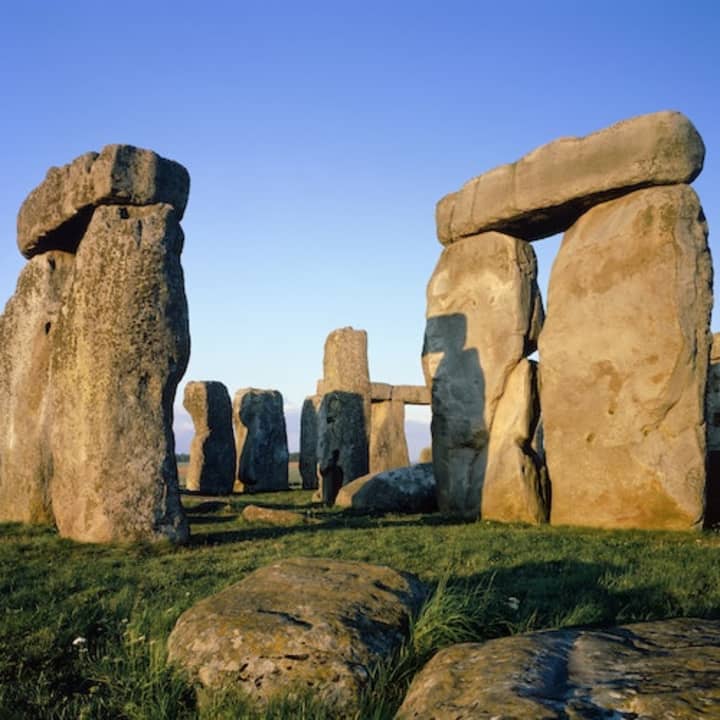
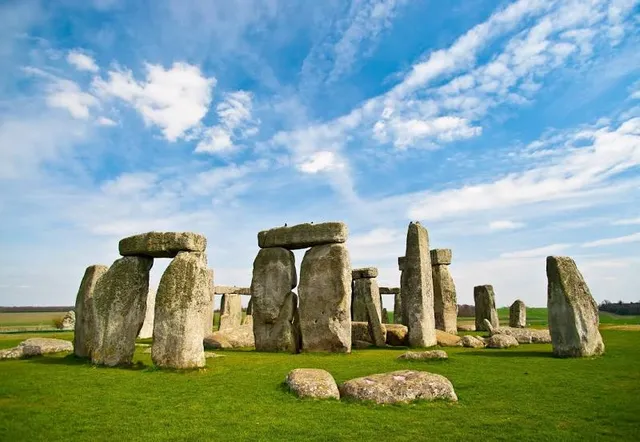
The monument consists of multiple concentric circles of standing stones arranged in a sophisticated architectural design. The outer ring features massive sarsen stones, each approximately 13 feet (4 meters) high, 7 feet (2.1 meters) wide, and weighing around 25 tons3]. These vertical stones are topped with horizontal lintel stones, connected using mortise and tenon joints - a unique feature among contemporary prehistoric monuments[3].
Inside the sarsen circle lies a ring of smaller bluestones, and within these are free-standing trilithons - pairs of massive vertical sarsen stones joined by a single lintel stone[3]. The central area contains five trilithons arranged in a horseshoe pattern, with stones reaching heights of up to 7 meters and weighing as much as 45 tons[6]. At the very center sits what appears to be an altar stone[1.
The monument is surrounded by various earthworks, including a circular ditch and bank that constitute the earliest phase of construction3]. Beyond these are the Aubrey Holes - 56 circular pits arranged in a ring - and additional features such as the Y and Z holes[1]. Standing apart from the main circle is the Heel Stone, positioned to the northeast and aligned with astronomical observations[6.
Construction Timeline and Phases
Stonehenge was constructed over an extended period spanning approximately 1,500 years, built in multiple phases between 3100 BC and 1600 BC3. The construction can be divided into several distinct stages:
Phase 1 (c. 3100 BC): The earliest monument consisted of a circular earthwork enclosure with a ditch and bank, along with the Aubrey Holes3. This initial henge monument was built approximately 5,000 years ago2].
Phase 2 (c. 2600-2400 BC): The famous circle of large sarsen stones was erected during this period[3]. Major reconstruction occurred, extending the avenue eastward to connect with the River Avon and establishing the double concentric circle of bluestones in the center[8].
Phase 3 (c. 2000-1100 BC): The monument was comprehensively rebuilt into its current form, with the massive trilithons and the sophisticated stone arrangements we see today[8].
Materials and Origins
The stones used in Stonehenge come from remarkably distant sources, demonstrating the monument's significance and the sophisticated logistics of its builders. The structure incorporates three main types of stone:
Sarsen Stones: These massive sandstone blocks, weighing up to 50 tons, were likely sourced from the local Marlborough Downs area[1. The sarsen stones form the outer circle and the central trilithons.
Bluestones: These smaller stones, including dolerite, rhyolite, and other igneous rocks, originated from the Preseli Hills in South Wales, approximately 100-150 miles away3. The transportation of these stones across such distances remains one of archaeology's greatest puzzles.
Altar Stone: A large flat stone positioned at the center, believed to have served ceremonial purposes1.
Astronomical Alignment and Purpose
Stonehenge demonstrates sophisticated astronomical knowledge, with its primary axis aligned toward the sunrise on the summer solstice and sunset on the winter solstice3. This alignment suggests the monument served as an ancient calendar or observatory, helping prehistoric peoples track seasonal changes crucial for agricultural activities6.
The precise positioning of stones creates sight lines that frame important celestial events, indicating that the builders possessed advanced understanding of astronomical cycles....
Read moreWent there for Litha (Summer solstice) and it was packed, lines everywhere, impossible to get into the center. But it was so magickal, you could touch the stones! The music, drumming, chanting and cheering was lovely. Someone got married too, that was so so beautiful, I cried a little.
I was very unprepared because there is no information about the event online except for opening and closing hours, so here's my tips:
Come early, at opening at 7pm is probably best, but the sunset is around 9:30pm. First, if you want to see the sunrise at 4:45am ish, I don't recommend leaving and coming back during the night, it's a hassle. Instead, bring warm clothes to put on after dark, a blanket to sit on, a water bottle and some activity and light (phone flash is good enough, but headlights can be nice if you're going outside the site after dark) There are food stalls, I had no clue about that, so I spent so much time trying to find what I could bring. The foodstalls in 2024 served burgers, pizza, cheesy bread, loaded fries, desserts like crepe, sodas and teas + more that I can't remember. There were vegan options. There is water filling stations as well, but also other drinks at the stalls. There are public toilets, without sinks, bring some wet wipes and antibac. If you forget something essential, you can buy clothes and blankets, though not cheap, at the site.
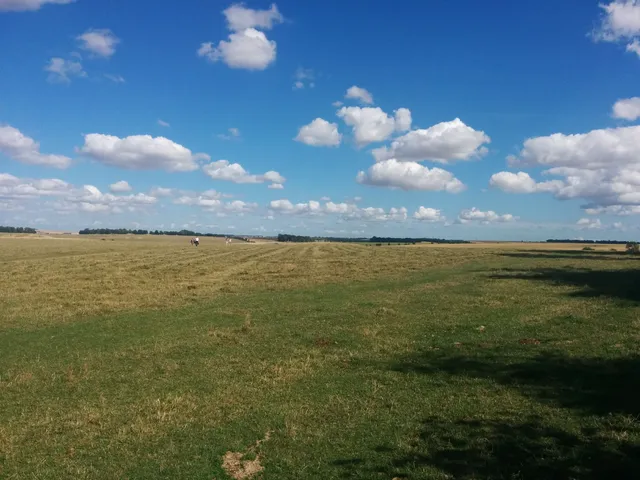
If traveling, you could stay in Amesbury if you want to take the hour walk trough the grass. There are buses but limited. If you're not into walking that long in the fields, I suggest staying in Salisbury, easier with buses and a bit more central. You can drive there, there are car parks and free bus from the car park to stonehenge.
There is a stage where you can come and perform music, so instruments are welcome. In the middle of the stones, there is a drumming circle, so if you bring a drum, you can get in there and vibe. There will be a massive load of people, not just spiritual people, hippies and pagans but people just wanting to see the sunset and sunrise as well. There's lots of stuff to do and people to connect to, try to say a compliment to someone and start a conversation with a stranger, talk to those you walk with on the way there. Everyone is so nice.
Also it's free on this day, we were unsure so I'm letting you know! There were police and guards everywhere, I felt really safe. If you have allergies to grass, hay or pollen, bring some medicine because I took double dose and still died a little (I'm allergic to dried grass and the grass was cut without anyone picking it up) The line to getting in can take up to half...
Read moreVisiting Stonehenge was an awe-inspiring experience that blended the mysteries of ancient history with the serene beauty of the English countryside. As we approached the iconic stone circle, it was hard not to feel a sense of wonder and respect for this marvel that has stood for millennia, its purpose still debated by historians and scholars alike. The sheer scale of the stones, along with the precision of their placement, made us truly appreciate the craftsmanship and significance they must have held for the people who built them.
One of the best decisions we made was following our tour guide’s advice to arrive early. We beat the crowds, avoiding the congestion of later tours and the steady stream of travelers from London. It was peaceful, and there was something magical about being able to take in the monument in relative quiet before the bulk of tourists arrived. The guide also recommended exploring some of the surrounding areas after visiting the main site, as the landscape itself holds many additional archaeological sites and hidden treasures related to the ancient culture that created Stonehenge.
The visitor center and museum added incredible depth to the visit, offering context that made the stones come alive with stories and theories. The interactive displays were fantastic, especially for kids and history buffs. The exhibits detailed the history of the site, the people who constructed it, and the various interpretations of its purpose, from a solar calendar to a religious or ceremonial site. The most captivating part of the museum for me was the immersive experience, where you are surrounded by a 360-degree projection that simulates the changes in Stonehenge across time—from its earliest construction to how it might have looked during various solstices.
The interactive elements in the museum are engaging and thoughtful. Being able to see a recreated Neolithic house gave us a glimpse into the lives of the people who may have frequented this place. There were even opportunities to touch replicas of the stones and tools used during construction, which brought a more tangible sense of connection to the people who lived thousands of years ago.
Overall, Stonehenge offers so much more than just a chance to see an ancient monument. With the museum, interactive exhibits, and guided tours, the experience becomes rich in both history and personal reflection. My advice to future travelers is to heed the guide’s tip: go early, beat the rush, and give yourself the gift of quiet time at one of the world’s most mysterious and beloved sites. It’s well worth...
Read more