HTML SitemapExplore
logo
Find Things to DoFind The Best Restaurants

Llywelyn Monument — Attraction in Cilmery

Name
Llywelyn Monument
Description
Nearby attractions
Nearby restaurants
Nearby hotels
Pwllgwilym Holiday Cottages
Llanafan Road, Cilmery, Builth Wells LD2 3NY, United Kingdom
Related posts
Keywords
Llywelyn Monument tourism.Llywelyn Monument hotels.Llywelyn Monument bed and breakfast. flights to Llywelyn Monument.Llywelyn Monument attractions.Llywelyn Monument restaurants.Llywelyn Monument travel.Llywelyn Monument travel guide.Llywelyn Monument travel blog.Llywelyn Monument pictures.Llywelyn Monument photos.Llywelyn Monument travel tips.Llywelyn Monument maps.Llywelyn Monument things to do.
Llywelyn Monument things to do, attractions, restaurants, events info and trip planning
Llywelyn Monument
United KingdomWalesCilmeryLlywelyn Monument

Basic Info

Llywelyn Monument

Cilmery, Builth Wells LD2 3LG, United Kingdom
4.7(52)
Open 24 hours
Save
spot

Ratings & Description

Info

Cultural
Scenic
Family friendly
attractions: , restaurants:
logoLearn more insights from Wanderboat AI.
Phone
+44 7464 873802
Website
coflein.gov.uk

Plan your stay

hotel
Pet-friendly Hotels in Cilmery
Find a cozy hotel nearby and make it a full experience.
hotel
Affordable Hotels in Cilmery
Find a cozy hotel nearby and make it a full experience.
hotel
The Coolest Hotels You Haven't Heard Of (Yet)
Find a cozy hotel nearby and make it a full experience.
hotel
Trending Stays Worth the Hype in Cilmery
Find a cozy hotel nearby and make it a full experience.

Reviews

Get the Appoverlay
Get the AppOne tap to find yournext favorite spots!
Wanderboat LogoWanderboat

Your everyday Al companion for getaway ideas

CompanyAbout Us
InformationAI Trip PlannerSitemap
SocialXInstagramTiktokLinkedin
LegalTerms of ServicePrivacy Policy

Get the app

© 2025 Wanderboat. All rights reserved.
logo

Posts

Jon BeardJon Beard
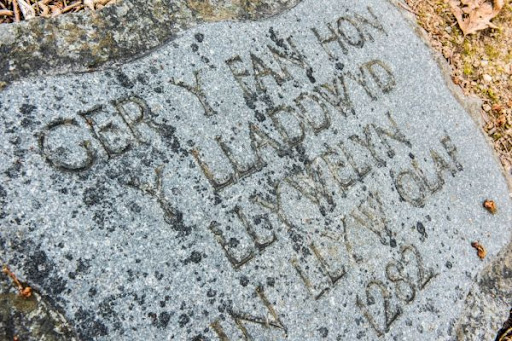
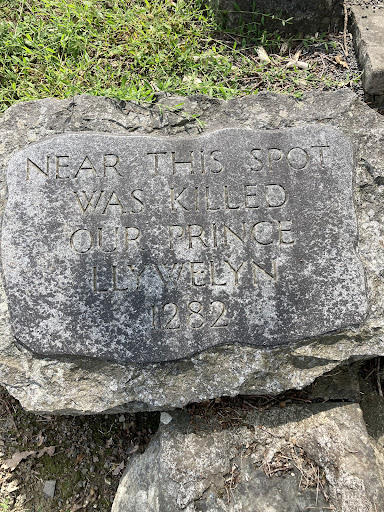
Llywelyn Memorial A monument at Cilmeri, west of Builth Wells, marks the spot where the Welsh hero Llywelyn the Last was ambushed and killed in 1282. Llywelyn (Llewelyn) ap Gruffudd was the last true Prince of Wales before that title was re-used by Edward I and came in time to be given to the male heir to the English throne. Llywelyn was born in 1223, the second son of Gruffudd and the grandson of Llywelyn the Great, Prince of Gwynedd. Llywelyn's father Gruffudd was Llywelyn the Great's eldest son, but he was illegitimate, so when the elder Llywelyn died in 1240 the title passed to his younger brother Dafydd ap Llywelyn. Dafydd initially kept Gruffudd prisoner, then under pressure gave his custody over to Henry III of England. Gruffudd was held in the Tower of London. He attempted to escape from a high window in the Tower but fell to his death in the attempt. After Gruffudd's death, Dafydd rebelled against Henry III, and Llywelyn joined the rebellion. When Dafydd died without an heir in 1246 Llywelyn seized his opportunity and had himself named became Prince of Gwynedd. Llywelyn and his uncle Owain signed the Treaty of Woodstock with Henry in 1247, dividing Gwynedd into two parts. They held the western part while Henry ruled the part east of the River Conwy. The peace proved to be temporary, however, for when Llywelyn's younger brother Dafydd reached adulthood Henry gave him part of Gwynedd. Llywelyn objected, but Owain formed an alliance with Owain against him. Llywelyn defeated his uncle and brother at the Battle of Bryn Derwin in 1255 to become sole ruler of Gwynedd Uwch Conwy (Gwynedd west of the Conwy). Llywelyn then crossed the River Conwy and 'invaded' the area controlled by the English. A convoluted period of alliance and counter-alliance ensued, but by 1258 Llywelyn had gained the upper hand and began to style himself Prince of Wales. Some welsh lords did homage to Llywelyn, but others, including his brother Dafydd, sided with Henry III and the English. With Henry weakened by the Barons' War and the temporary rule of Simon de Montfort, Llywelyn pushed the English back. His success forced Henry to sign the Treaty of Montgomery in 1267, acknowledging Llywelyn as Prince of Wales. Unfortunately, Llywelyn faced opposition within his own country, particularly from the princes of southern Wales. He did not help his own cause by becoming increasingly ambitious for expanding his territory. He also faced treachery from within his own family. His younger brother Dafydd conspired to have him assassinated, and when the attempt failed he fled to refuge in England at the court of Edward I, who had succeeded to the throne on the death of his father Henry III. Edward supported Dafydd in carrying out raids on Llywelyn's territory, so it is not surprising that when Edward called on Llywelyn to come to Chester in 1277 to pay homage the Welsh leader refused. Edward declared Llywelyn a rebel and gathered an army to invade Wales. Many Welsh lords supported the invasion. Edward captured Anglesey and eastern Gwynedd, forcing Llywelyn to agree to the Treaty of Aberconwy. There was a temporary truce, and Edward even agreed to Llywelyn's marriage with Eleanor de Montfort, daughter of his great enemy Simon de Montfort. Like previous truces, this one was short-lived. The Welsh became disillusioned with English rule and rebelled, but this time the leader of the rebellion was Llywelyn's brother Dafydd ap Gruffudd. Llywelyn probably played no part in launching the rebellion, but he felt obliged to support his brother. He joined the revolt and declared war on Edward on behalf of all the Welsh. Edward seized the initiative and captured Anglesey before sending troops south to subdue any of Llywelyn potential allies. Llywelyn raised a force of men and marched south in an attempt to rally support among the Marcher Lords, many of whom only nominally supported the English. One version of this march suggests that Llywelyn was tricked; lured south from his mountain stronghold by the promise of support from the kingdom of Brycheiniog.
Gethin SugarGethin Sugar
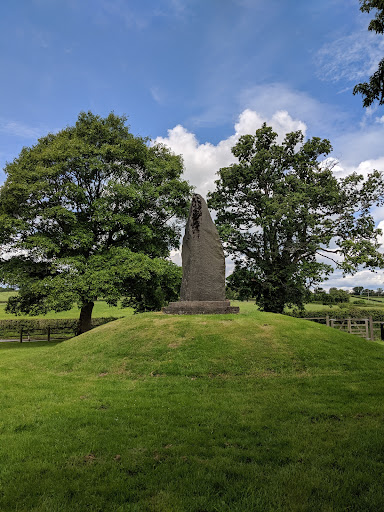
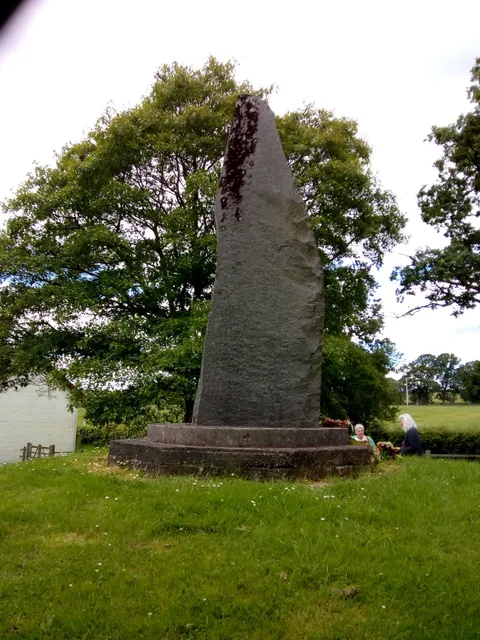
We visited the monument on a journey from the south of Wales to the north coast and made a little detour to visit. The monument is dedicated to the last proper Prince of Wales who died nearby in 1282. We thoroughly enjoyed our visit and learning more about the history of Llywelyn ap Gruffudd. The monument is set in a small field, accessed by a couple of steps from a lay-by on the road.
Andrew JenkinsAndrew Jenkins
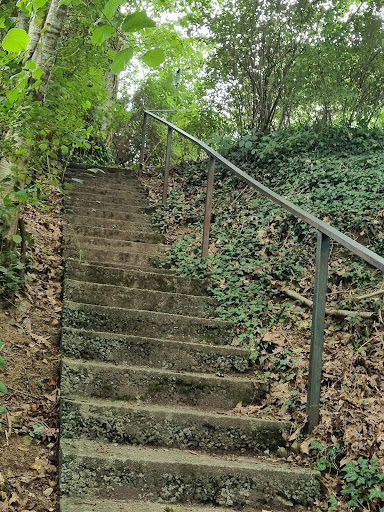
A little piece of history on our doorstep. Set in the beautiful countryside this monument to Llywelyn the Great, last proper Welsh Prince of Wales is a must visit for all horrible histories fans. My daughter loves the books and when we were reading about this monument we decided to visit. Only down side, if you have mobility issues then you will struggle with the steps to the well.
See more posts
See more posts
hotel
Find your stay

Pet-friendly Hotels in Cilmery

Find a cozy hotel nearby and make it a full experience.

Llywelyn Memorial A monument at Cilmeri, west of Builth Wells, marks the spot where the Welsh hero Llywelyn the Last was ambushed and killed in 1282. Llywelyn (Llewelyn) ap Gruffudd was the last true Prince of Wales before that title was re-used by Edward I and came in time to be given to the male heir to the English throne. Llywelyn was born in 1223, the second son of Gruffudd and the grandson of Llywelyn the Great, Prince of Gwynedd. Llywelyn's father Gruffudd was Llywelyn the Great's eldest son, but he was illegitimate, so when the elder Llywelyn died in 1240 the title passed to his younger brother Dafydd ap Llywelyn. Dafydd initially kept Gruffudd prisoner, then under pressure gave his custody over to Henry III of England. Gruffudd was held in the Tower of London. He attempted to escape from a high window in the Tower but fell to his death in the attempt. After Gruffudd's death, Dafydd rebelled against Henry III, and Llywelyn joined the rebellion. When Dafydd died without an heir in 1246 Llywelyn seized his opportunity and had himself named became Prince of Gwynedd. Llywelyn and his uncle Owain signed the Treaty of Woodstock with Henry in 1247, dividing Gwynedd into two parts. They held the western part while Henry ruled the part east of the River Conwy. The peace proved to be temporary, however, for when Llywelyn's younger brother Dafydd reached adulthood Henry gave him part of Gwynedd. Llywelyn objected, but Owain formed an alliance with Owain against him. Llywelyn defeated his uncle and brother at the Battle of Bryn Derwin in 1255 to become sole ruler of Gwynedd Uwch Conwy (Gwynedd west of the Conwy). Llywelyn then crossed the River Conwy and 'invaded' the area controlled by the English. A convoluted period of alliance and counter-alliance ensued, but by 1258 Llywelyn had gained the upper hand and began to style himself Prince of Wales. Some welsh lords did homage to Llywelyn, but others, including his brother Dafydd, sided with Henry III and the English. With Henry weakened by the Barons' War and the temporary rule of Simon de Montfort, Llywelyn pushed the English back. His success forced Henry to sign the Treaty of Montgomery in 1267, acknowledging Llywelyn as Prince of Wales. Unfortunately, Llywelyn faced opposition within his own country, particularly from the princes of southern Wales. He did not help his own cause by becoming increasingly ambitious for expanding his territory. He also faced treachery from within his own family. His younger brother Dafydd conspired to have him assassinated, and when the attempt failed he fled to refuge in England at the court of Edward I, who had succeeded to the throne on the death of his father Henry III. Edward supported Dafydd in carrying out raids on Llywelyn's territory, so it is not surprising that when Edward called on Llywelyn to come to Chester in 1277 to pay homage the Welsh leader refused. Edward declared Llywelyn a rebel and gathered an army to invade Wales. Many Welsh lords supported the invasion. Edward captured Anglesey and eastern Gwynedd, forcing Llywelyn to agree to the Treaty of Aberconwy. There was a temporary truce, and Edward even agreed to Llywelyn's marriage with Eleanor de Montfort, daughter of his great enemy Simon de Montfort. Like previous truces, this one was short-lived. The Welsh became disillusioned with English rule and rebelled, but this time the leader of the rebellion was Llywelyn's brother Dafydd ap Gruffudd. Llywelyn probably played no part in launching the rebellion, but he felt obliged to support his brother. He joined the revolt and declared war on Edward on behalf of all the Welsh. Edward seized the initiative and captured Anglesey before sending troops south to subdue any of Llywelyn potential allies. Llywelyn raised a force of men and marched south in an attempt to rally support among the Marcher Lords, many of whom only nominally supported the English. One version of this march suggests that Llywelyn was tricked; lured south from his mountain stronghold by the promise of support from the kingdom of Brycheiniog.
Jon Beard

Jon Beard

hotel
Find your stay

Affordable Hotels in Cilmery

Find a cozy hotel nearby and make it a full experience.

Get the Appoverlay
Get the AppOne tap to find yournext favorite spots!
We visited the monument on a journey from the south of Wales to the north coast and made a little detour to visit. The monument is dedicated to the last proper Prince of Wales who died nearby in 1282. We thoroughly enjoyed our visit and learning more about the history of Llywelyn ap Gruffudd. The monument is set in a small field, accessed by a couple of steps from a lay-by on the road.
Gethin Sugar

Gethin Sugar

hotel
Find your stay

The Coolest Hotels You Haven't Heard Of (Yet)

Find a cozy hotel nearby and make it a full experience.

hotel
Find your stay

Trending Stays Worth the Hype in Cilmery

Find a cozy hotel nearby and make it a full experience.

A little piece of history on our doorstep. Set in the beautiful countryside this monument to Llywelyn the Great, last proper Welsh Prince of Wales is a must visit for all horrible histories fans. My daughter loves the books and when we were reading about this monument we decided to visit. Only down side, if you have mobility issues then you will struggle with the steps to the well.
Andrew Jenkins

Andrew Jenkins

See more posts
See more posts

Reviews of Llywelyn Monument

4.7
(52)
avatar
5.0
27w

Llywelyn Memorial

A monument at Cilmeri, west of Builth Wells, marks the spot where the Welsh hero Llywelyn the Last was ambushed and killed in 1282.

Llywelyn (Llewelyn) ap Gruffudd was the last true Prince of Wales before that title was re-used by Edward I and came in time to be given to the male heir to the English throne. Llywelyn was born in 1223, the second son of Gruffudd and the grandson of Llywelyn the Great, Prince of Gwynedd.

Llywelyn's father Gruffudd was Llywelyn the Great's eldest son, but he was illegitimate, so when the elder Llywelyn died in 1240 the title passed to his younger brother Dafydd ap Llywelyn. Dafydd initially kept Gruffudd prisoner, then under pressure gave his custody over to Henry III of England. Gruffudd was held in the Tower of London. He attempted to escape from a high window in the Tower but fell to his death in the attempt.

After Gruffudd's death, Dafydd rebelled against Henry III, and Llywelyn joined the rebellion. When Dafydd died without an heir in 1246 Llywelyn seized his opportunity and had himself named became Prince of Gwynedd.

Llywelyn and his uncle Owain signed the Treaty of Woodstock with Henry in 1247, dividing Gwynedd into two parts. They held the western part while Henry ruled the part east of the River Conwy.

The peace proved to be temporary, however, for when Llywelyn's younger brother Dafydd reached adulthood Henry gave him part of Gwynedd. Llywelyn objected, but Owain formed an alliance with Owain against him. Llywelyn defeated his uncle and brother at the Battle of Bryn Derwin in 1255 to become sole ruler of Gwynedd Uwch Conwy (Gwynedd west of the Conwy).

Llywelyn then crossed the River Conwy and 'invaded' the area controlled by the English. A convoluted period of alliance and counter-alliance ensued, but by 1258 Llywelyn had gained the upper hand and began to style himself Prince of Wales. Some welsh lords did homage to Llywelyn, but others, including his brother Dafydd, sided with Henry III and the English.

With Henry weakened by the Barons' War and the temporary rule of Simon de Montfort, Llywelyn pushed the English back. His success forced Henry to sign the Treaty of Montgomery in 1267, acknowledging Llywelyn as Prince of Wales.

Unfortunately, Llywelyn faced opposition within his own country, particularly from the princes of southern Wales. He did not help his own cause by becoming increasingly ambitious for expanding his territory.

He also faced treachery from within his own family. His younger brother Dafydd conspired to have him assassinated, and when the attempt failed he fled to refuge in England at the court of Edward I, who had succeeded to the throne on the death of his father Henry III. Edward supported Dafydd in carrying out raids on Llywelyn's territory, so it is not surprising that when Edward called on Llywelyn to come to Chester in 1277 to pay homage the Welsh leader refused.

Edward declared Llywelyn a rebel and gathered an army to invade Wales. Many Welsh lords supported the invasion. Edward captured Anglesey and eastern Gwynedd, forcing Llywelyn to agree to the Treaty of Aberconwy. There was a temporary truce, and Edward even agreed to Llywelyn's marriage with Eleanor de Montfort, daughter of his great enemy Simon de Montfort.

Like previous truces, this one was short-lived. The Welsh became disillusioned with English rule and rebelled, but this time the leader of the rebellion was Llywelyn's brother Dafydd ap Gruffudd. Llywelyn probably played no part in launching the rebellion, but he felt obliged to support his brother. He joined the revolt and declared war on Edward on behalf of all the Welsh.

Edward seized the initiative and captured Anglesey before sending troops south to subdue any of Llywelyn potential allies. Llywelyn raised a force of men and marched south in an attempt to rally support among the Marcher Lords, many of whom only nominally supported the English. One version of this march suggests that Llywelyn was tricked; lured south from his mountain stronghold by the promise of support from the kingdom of...

   Read more

avatar
5.0
2y

We visited the monument on a journey from the south of Wales to the north coast and made a little detour to visit. The monument is dedicated to the last proper Prince of Wales who died nearby in 1282.

We thoroughly enjoyed our visit and learning more about the history of Llywelyn ap Gruffudd. The monument is set in a small field, accessed by a couple of steps from a lay-by...

   Read more
avatar
5.0
4y

A little piece of history on our doorstep. Set in the beautiful countryside this monument to Llywelyn the Great, last proper Welsh Prince of Wales is a must visit for all horrible histories fans. My daughter loves the books and when we were reading about this monument we decided to visit.

Only down side, if you have mobility issues then you will struggle with the steps...

   Read more
Page 1 of 7
Previous
Next