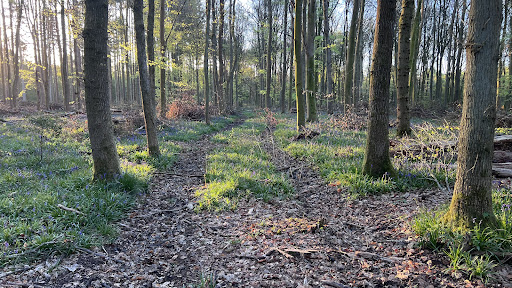
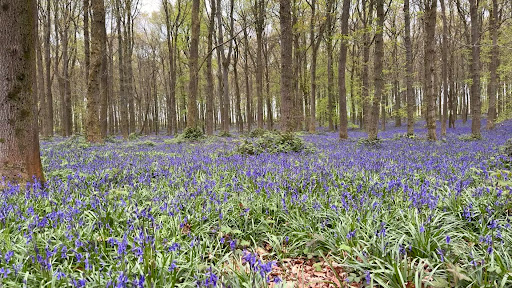
I was a National Trust member for quite some time, and used to visit Dockey Wood to enjoy the bluebells every year, up until four years ago when the bluebell woods was overrun with brambles. Even though after numerous complaints about how it was neglected they started putting up signs. They started leaving lots of branches for barriers in a claim to stop people from treading over the bluebells. It looked a mess. They left signs saying how they wanted to protect the bluebells, and then it was for forestry reasons why they left the brambles there. They claimed they didn’t have to do anything as it was originally a commercial forest but for the benefit of the public they were going to charge them for the benefit of looking at brambles and dead branches. There is a slightly lesser known larger bluebell area the opposite the road to Docky wood. It was perfectly shaded. It wasn’t open, and no major deforestation had ever taken place in that area for some time, and the bluebells flourished. However, last year they put barriers up in the car park by Docky Wood, and I noticed a lot of tree trunks and forestry notices going up. Today I’ve walked to the secret bluebell area which is now covered in tree debris. A whole area of forest has disappeared leaving the area wide open. All of the tree debris is all over the emerging bluebells, including lots of trees that have been felled to get the large machinery right through the centre of the Bluebells. There were originally small paths through the bluebells, which they then blocked with signs saying don’t come up this path badgers beware. But obviously when it suits them most there is now great big 2 track tree felling machine tracks straight through those little paths. The single paths are now large double track mud holes, which have trampled over the bluebells, and have effectively devastated an absolutely gorgeous bluebell wood. It’s quite clear that the tree felling has got nothing to do with the protecting the bluebells but all to do with the financial gain they’re going to get from the high price of wood. They could have put the tree debris anywhere else in their 500 ha area of forest and yet they chose to dump all of the trees and debris and cut down lovely well established trees and dump it on all of the bluebells. Great job,...
Read moreWe visited Ashridge Park and the visitors centre last week. We saw there's a buggy hire service (see photo).
The two seater can be hired for a recommended donation of at least £4. This service is not part of the National Trust but run separately by "Friends of Ashridge Park". They have two 2-seater buggies, and three single seater buggies available. The buggies have seatbelts too.
You can drive the buggies along the pathways of Ashridge Park. They have a guide for the paths and routes you may take to where to see the Bluebells from. This costs £1.
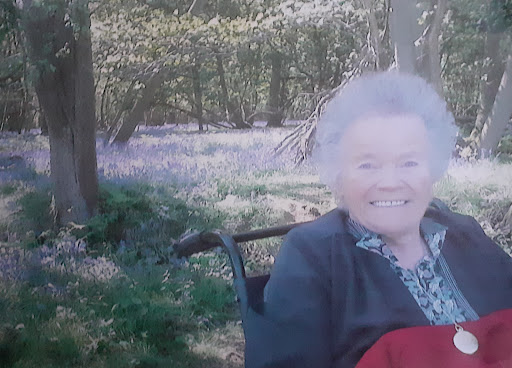
We didn't hire a buggie although I could have left my Mother's wheelchair with them. The weather forecast was accurate for once because within 30 minutes or so, it changed from blue and slightly cloudy skies to pouring down with rain!
Ashridge is always popular and when the cafe fully opens to allow their tables and benches to be used, it will be great. It's always best to go early as the FREE car park fills up.
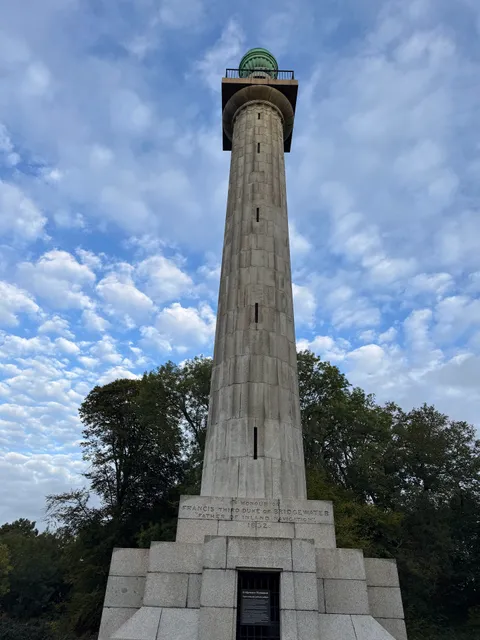
There are a few disabled parking spaces closest to the monument and visitors centre but being free and seemingly unpartrolled, I noticed there were a couple of cars parked in the disabled bays not displaying a blue badge. That's my only gripe with Ashridge Park really.
There are never enough disabled bays in many places. We don't mind paying to park in National Trust or any other car parks but do object to often seeing cars parked in disabled bays without a blue badge. We often see this up Blows Downs in the car park overlooking the Glider club.
I've never seen a National Trust car park patrolled, which is probably why there are often cars parked in the disabled bays without displaying...
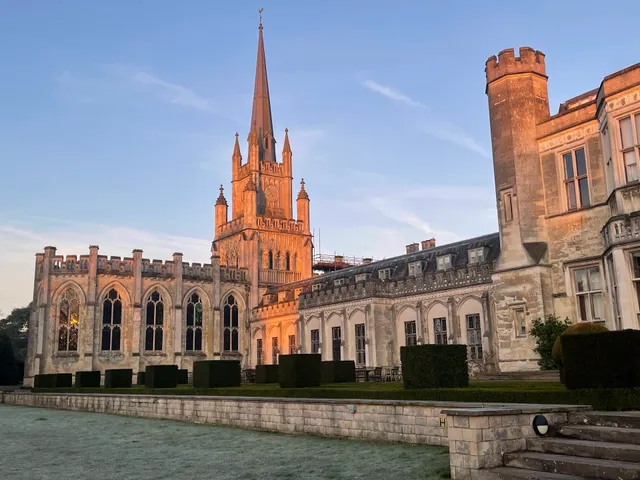
Read moreAshridge Estate is a captivating and historically significant property situated in the heart of the Chiltern Hills in Hertfordshire, England. Spanning over 5,000 acres of lush woodlands, meadows, and parklands, Ashridge is a haven for nature enthusiasts, history buffs, and those seeking a tranquil escape.
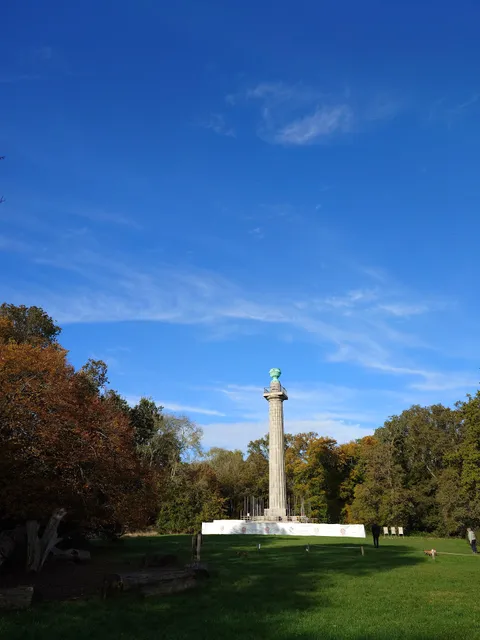
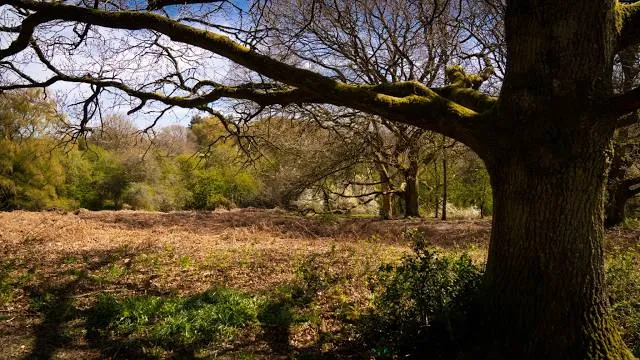
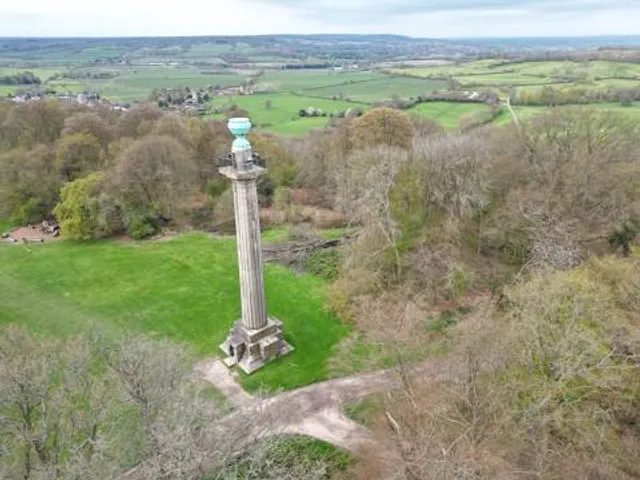
The estate's history is steeped in centuries of rich and diverse heritage. Originally founded as a monastery in the 13th century, it later became a royal residence for Henry VIII before eventually transitioning into a grand country estate. Its diverse landscape features enchanting woodlands, a meandering river, and an abundance of wildlife. The ancient, gnarled trees that grace the estate, such as the iconic Bridgewater Monument, add a sense of timelessness to the surroundings.
Visitors can explore numerous walking trails, each leading to hidden gems like the enchanting Bluebell Woods, a carpet of vibrant blue flowers in the spring, and the picturesque Dockey Wood. There are also opportunities for birdwatching, photography, and picnicking.
Ashridge Estate is managed by the National Trust, ensuring its preservation for generations to come. The visitor center offers insights into the estate's history and conservation efforts, making it an educational experience as well.
As a designated Area of Outstanding Natural Beauty, Ashridge Estate is not only a haven for nature but a testament to the harmonious coexistence of history and natural beauty. Whether for a leisurely stroll, a deeper connection with nature, or an exploration of England's storied past, Ashridge Estate offers an unforgettable experience in the heart of the...
Read more