Although there may not be much left of it nowadays Dunadd Fort was once the capital of the Kingdom of Dál Riata, one of the 3 kingdoms that joined together to form the Kingdom of Scotland.
Unfortunately very little of the actual structure remains, with only a small stone work at the top of the hill and the site where kings were crowned. Don't let this stop you from visiting though as it would be a dis-service to the site.
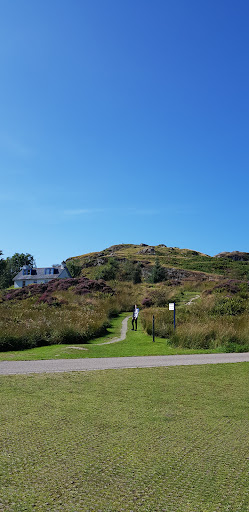
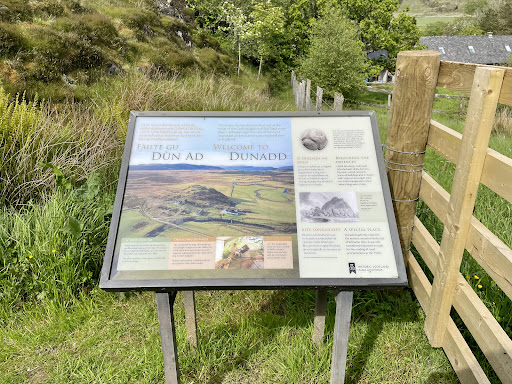
There is a large free car park at the base of the hill, with a short (5min) walk to the top, although it may take you longer because you will no doubt want to stop and read the many information placards scattered throughout the site that give much needed context and help imagine what the site would have looked like in it's heyday.
The only negative I can think of is that it is unfortunately not accessible for those with mobility impairments as in order to reach the top there is small amount of climbing and a few uneven...
Read moreAmazing historic site. Atmosphere and scenery are breathtaking. This place is arguably the most important location in the history of Scotland. King Fergus MacErc, the King of the Scots, who were then an Irish Tribe in what is now Antrim, in Northern Ireland, made Dunadd in Dal Riata, (now Argylshire and the adjacent islands), the capital of his sea kingdom, in the 6th century A.D. Later through strategic marriages, the evangelism of the Irish, Christian Monks and military conquest, the Scots came to dominate the area that is now called Scotland, giving it their name. The Scots were also the custodians of the Stone of Destiny, which their ancestors, carried with them as they migrated from the Holy Land, as the 10 lost tribes of Israel, after the Assyrian captivity. The vast importance of this historical site cannot be overestimated. It exemplifies the history of the Scots and the ancient...
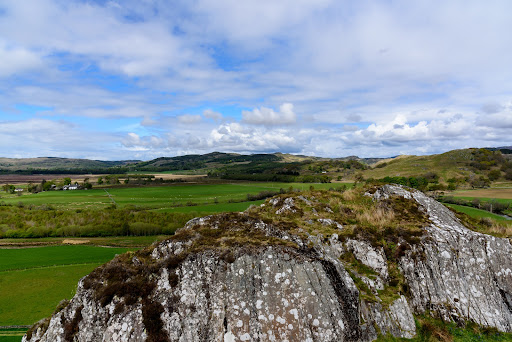
Read moreBeautiful views from the top, even on a cloudy day. The entrance through the natural passage gives you a real feel of how natural defences were used for fortification of this important site.
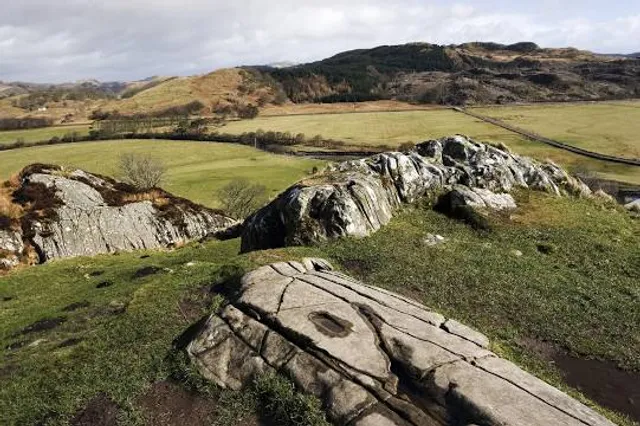
Everyone stands in the footprint although it’s explained that this is an overlay to protect the original. You would never have known. The basin and instructions are clearly evident.
There are several information displays around the site which give you some insight into to how it looked and was used in the past. Well is still intact.
Although it’s an easy walk to the top, I’d recommend stout shoes as the path is a bit rough and slippery in places, presumably more so in wet weather.
There’s a good car park at the base of the fort. No...
Read more