HTML SitemapExplore
logo
Find Things to DoFind The Best Restaurants

Weobley Castle — Attraction in Great Britain

Name
Weobley Castle
Description
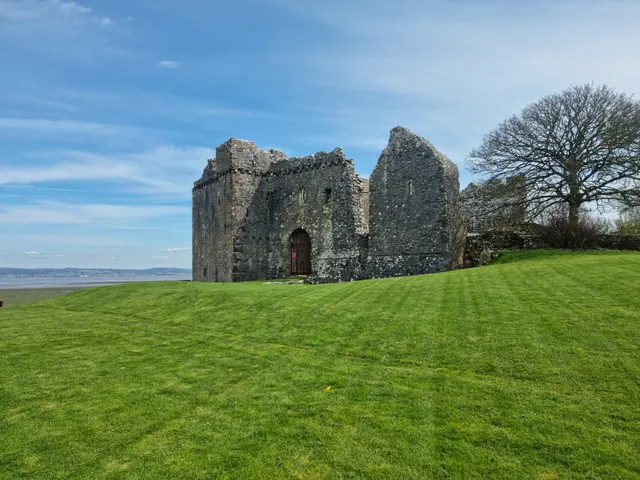
Weobley Castle is a 14th-century fortified manor house on the Gower Peninsula, Wales, in the care of Cadw. The castle overlooks Llanrhidian saltmarshes and the Loughor estuary.
Nearby attractions
Nearby restaurants
Nearby hotels
Ocean View - Windmill Gower
Windmill, Llanrhidian, Swansea SA3 1HB, United Kingdom
Related posts
Keywords
Weobley Castle tourism.Weobley Castle hotels.Weobley Castle bed and breakfast. flights to Weobley Castle.Weobley Castle attractions.Weobley Castle restaurants.Weobley Castle travel.Weobley Castle travel guide.Weobley Castle travel blog.Weobley Castle pictures.Weobley Castle photos.Weobley Castle travel tips.Weobley Castle maps.Weobley Castle things to do.
Weobley Castle things to do, attractions, restaurants, events info and trip planning
Weobley Castle
United KingdomWalesGreat BritainWeobley Castle

Basic Info

Weobley Castle

Gower Peninsula, Swansea SA3, United Kingdom
4.4(223)
Closed
Save
spot

Ratings & Description

Info

Weobley Castle is a 14th-century fortified manor house on the Gower Peninsula, Wales, in the care of Cadw. The castle overlooks Llanrhidian saltmarshes and the Loughor estuary.

Cultural
Scenic
Outdoor
Family friendly
attractions: , restaurants:
logoLearn more insights from Wanderboat AI.
Website
cadw.gov.wales
Open hoursSee all hours
Sat9:30 AM - 5 PMClosed

Plan your stay

hotel
Pet-friendly Hotels in Great Britain
Find a cozy hotel nearby and make it a full experience.
hotel
Affordable Hotels in Great Britain
Find a cozy hotel nearby and make it a full experience.
hotel
The Coolest Hotels You Haven't Heard Of (Yet)
Find a cozy hotel nearby and make it a full experience.
hotel
Trending Stays Worth the Hype in Great Britain
Find a cozy hotel nearby and make it a full experience.

Reviews

Get the Appoverlay
Get the AppOne tap to find yournext favorite spots!
Wanderboat LogoWanderboat

Your everyday Al companion for getaway ideas

CompanyAbout Us
InformationAI Trip PlannerSitemap
SocialXInstagramTiktokLinkedin
LegalTerms of ServicePrivacy Policy

Get the app

© 2025 Wanderboat. All rights reserved.
logo

Reviews of Weobley Castle

4.4
(223)
avatar
5.0
26w

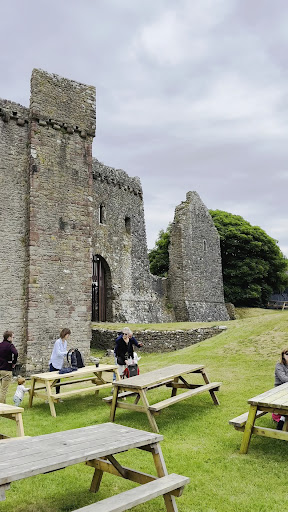
The existing buildings were largely created between 1304 and 1327 by the de la Bere family. They consist of a gateway, a hall and kitchen, a chapel block and an east range, enclosing a courtyard, all now in a semi-ruinous state. The buildings are largely constructed of rubble masonry with window and door features of sandstone.

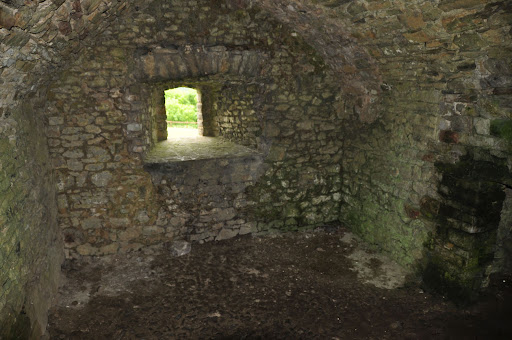
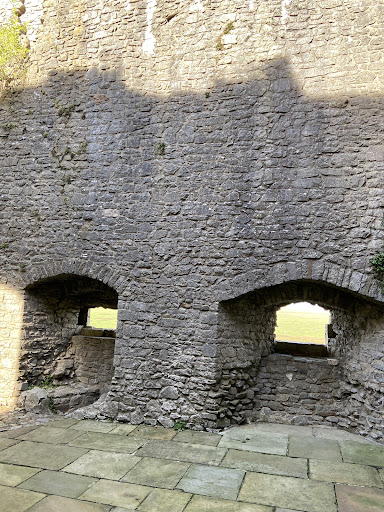
The gateway, at the west of the castle, is framed to its north by the solar block, which contained the lord's private chamber, a latrine and a cellar space. To the south of the gateway is the so-called Cistern Turret, which is believed to have contained a cistern for rainwater storage; behind this is the South-West Tower, which was originally a separate building and may be the oldest part of the present structure. The gateway itself also included an additional living chamber in its upper storey. The northern range of the castle, including the hall, kitchen and porch leading from the inner courtyard, is the most substantial of the surviving sections. Features of the hall include a recess for the display of tapestry or panelling. This supports interpretations of the castle as primarily a wealthy residence rather than a military outpost. During excavations at the Chapel Block, fragments of a piscina were discovered. The eastern range is more fragmentary that other parts, and much of it may never have been developed beyond the foundation stage during the ownership of the de la Beres. Although most of the outer fortifications no longer exist, the remaining portions demonstrate that Weobley was well provided with guestrooms and facilities (including garderobes). The building was extended later in the 14th century, including construction of the south porch.

Until the 15th century the castle was the home of the de la Beres, originally stewards to William De Braose, Lord of Gower.[3] In 1318 the castle is recorded by a deed signed there by Adam de la Bere.

The castle was attacked and damaged by the forces of Owain Glyndŵr in the early 15th century, but most of the building was left standing. It is possible that John de la Bere (d. 1403) was a casualty of Glyndŵr's incursion. Sir Rhys ap Thomas became the owner towards the end of the 15th century; following the execution for treason of Rhys's grandson Rhys ap Gruffydd in 1531, Weobley eventually reverted to the Crown in the person of King Henry VIII. It was then sold and subsequently leased to tenants until the 20th century, when the last owner, Emily Talbot, gave it to the...

   Read more
avatar
1.0
1y

The castle itself looks beautiful but we were unable to access it

Not dog friendly at all, had to leave dog in car As we approached we were taking in the scenery when an extremely rude woman shouted at us to pay in the shop. She was very agressive and loud and completely uneccessary. As we went towards to shop a large, older looking beagle launched towards us barking very aggressively. I myself am very comfortable with dogs but my friend was quite alarmed and scared. If there's no dogs onsite how can it be acceptable to have visitors chased? The lady calmly called the dogs name once (still barking and around our legs) and she then ignored us and the dog eventually wandered off. We went to the shop, waited for 10 minutes and there was no one there so we left, very upset.

We visited 6 castles this day and this is the first negative review I have EVER left. Will never return here and will actively encourage others not to until the owners actually treat...

   Read more
avatar
4.0
19w

Pros: Nice little castle on the beautiful Gower peninsula. Lots of nooks, crannies and interesting rooms to explore. There is a room with lots of interesting history about the castle and the Gower. Not many pigeons nesting in the castle at all compared to the bigger ones, so very quiet inside. Gorgeous views of the sea and valleys from the castle hill, and beautiful wildflower bed near the car park. Cons: Very limited parking. To enter the castle you have to stand in the garden of a farmhouse for someone to come and then pay them, sometimes you can be waiting a while. Lack of information around the castle telling you which room you are in and the history of it. Some of the information boards in the exhibition room are a bit tatty and difficult to read. The one toilet on site's door doesn't lock and the sink is operated by an awkward sensor. Overall a nice morning out for castle enthusiasts, nice and quiet and not...

   Read more
Page 1 of 7
Previous
Next

Posts

Jon BeardJon Beard
The existing buildings were largely created between 1304 and 1327 by the de la Bere family. They consist of a gateway, a hall and kitchen, a chapel block and an east range, enclosing a courtyard, all now in a semi-ruinous state. The buildings are largely constructed of rubble masonry with window and door features of sandstone. The gateway, at the west of the castle, is framed to its north by the solar block, which contained the lord's private chamber, a latrine and a cellar space. To the south of the gateway is the so-called Cistern Turret, which is believed to have contained a cistern for rainwater storage; behind this is the South-West Tower, which was originally a separate building and may be the oldest part of the present structure. The gateway itself also included an additional living chamber in its upper storey. The northern range of the castle, including the hall, kitchen and porch leading from the inner courtyard, is the most substantial of the surviving sections. Features of the hall include a recess for the display of tapestry or panelling. This supports interpretations of the castle as primarily a wealthy residence rather than a military outpost. During excavations at the Chapel Block, fragments of a piscina were discovered. The eastern range is more fragmentary that other parts, and much of it may never have been developed beyond the foundation stage during the ownership of the de la Beres. Although most of the outer fortifications no longer exist, the remaining portions demonstrate that Weobley was well provided with guestrooms and facilities (including garderobes). The building was extended later in the 14th century, including construction of the south porch. Until the 15th century the castle was the home of the de la Beres, originally stewards to William De Braose, Lord of Gower.[3] In 1318 the castle is recorded by a deed signed there by Adam de la Bere. The castle was attacked and damaged by the forces of Owain Glyndŵr in the early 15th century, but most of the building was left standing. It is possible that John de la Bere (d. 1403) was a casualty of Glyndŵr's incursion. Sir Rhys ap Thomas became the owner towards the end of the 15th century; following the execution for treason of Rhys's grandson Rhys ap Gruffydd in 1531, Weobley eventually reverted to the Crown in the person of King Henry VIII. It was then sold and subsequently leased to tenants until the 20th century, when the last owner, Emily Talbot, gave it to the state in 1911.
Richard A'CourtRichard A'Court
You won't be visiting this castle because there is lots to do or even see, you will be visiting because of the beautiful views of the estuary and the history that's involved. I like the fact that it hasn't been rebuilt, granted you can walk round it in under 30 minutes but on a nice day you can enjoy the ample space to just sit and enjoy the natural beauty. It doesn't cost much to get in, there is a small shop selling Saltmarsh Lamb, not a huge car park but then I wouldn't expect this place to be flooded with visitors. We went in September, we were there around an hour, one other family arrived just as we were leaving
Tara SandersTara Sanders
Lovely little castle with an exhibition room filled with information about all the local Cadw castles and sites. We took about an hour walking around. Beautiful views from the castle. Small carpark, for about 6 cars. We got there at 9.30am, opening time, the front gate was open when we got there. We followed the instructions on the door to go to the farm house, ring the bell and phone the numbers on window to get someone to come to the door for us to pay, but no one came. We are Cadw members so would have got in for free anyway so walked straight into the castle without seeing anyone else.
See more posts
See more posts
hotel
Find your stay

Pet-friendly Hotels in Great Britain

Find a cozy hotel nearby and make it a full experience.

The existing buildings were largely created between 1304 and 1327 by the de la Bere family. They consist of a gateway, a hall and kitchen, a chapel block and an east range, enclosing a courtyard, all now in a semi-ruinous state. The buildings are largely constructed of rubble masonry with window and door features of sandstone. The gateway, at the west of the castle, is framed to its north by the solar block, which contained the lord's private chamber, a latrine and a cellar space. To the south of the gateway is the so-called Cistern Turret, which is believed to have contained a cistern for rainwater storage; behind this is the South-West Tower, which was originally a separate building and may be the oldest part of the present structure. The gateway itself also included an additional living chamber in its upper storey. The northern range of the castle, including the hall, kitchen and porch leading from the inner courtyard, is the most substantial of the surviving sections. Features of the hall include a recess for the display of tapestry or panelling. This supports interpretations of the castle as primarily a wealthy residence rather than a military outpost. During excavations at the Chapel Block, fragments of a piscina were discovered. The eastern range is more fragmentary that other parts, and much of it may never have been developed beyond the foundation stage during the ownership of the de la Beres. Although most of the outer fortifications no longer exist, the remaining portions demonstrate that Weobley was well provided with guestrooms and facilities (including garderobes). The building was extended later in the 14th century, including construction of the south porch. Until the 15th century the castle was the home of the de la Beres, originally stewards to William De Braose, Lord of Gower.[3] In 1318 the castle is recorded by a deed signed there by Adam de la Bere. The castle was attacked and damaged by the forces of Owain Glyndŵr in the early 15th century, but most of the building was left standing. It is possible that John de la Bere (d. 1403) was a casualty of Glyndŵr's incursion. Sir Rhys ap Thomas became the owner towards the end of the 15th century; following the execution for treason of Rhys's grandson Rhys ap Gruffydd in 1531, Weobley eventually reverted to the Crown in the person of King Henry VIII. It was then sold and subsequently leased to tenants until the 20th century, when the last owner, Emily Talbot, gave it to the state in 1911.
Jon Beard

Jon Beard

hotel
Find your stay

Affordable Hotels in Great Britain

Find a cozy hotel nearby and make it a full experience.

Get the Appoverlay
Get the AppOne tap to find yournext favorite spots!
You won't be visiting this castle because there is lots to do or even see, you will be visiting because of the beautiful views of the estuary and the history that's involved. I like the fact that it hasn't been rebuilt, granted you can walk round it in under 30 minutes but on a nice day you can enjoy the ample space to just sit and enjoy the natural beauty. It doesn't cost much to get in, there is a small shop selling Saltmarsh Lamb, not a huge car park but then I wouldn't expect this place to be flooded with visitors. We went in September, we were there around an hour, one other family arrived just as we were leaving
Richard A'Court

Richard A'Court

hotel
Find your stay

The Coolest Hotels You Haven't Heard Of (Yet)

Find a cozy hotel nearby and make it a full experience.

hotel
Find your stay

Trending Stays Worth the Hype in Great Britain

Find a cozy hotel nearby and make it a full experience.

Lovely little castle with an exhibition room filled with information about all the local Cadw castles and sites. We took about an hour walking around. Beautiful views from the castle. Small carpark, for about 6 cars. We got there at 9.30am, opening time, the front gate was open when we got there. We followed the instructions on the door to go to the farm house, ring the bell and phone the numbers on window to get someone to come to the door for us to pay, but no one came. We are Cadw members so would have got in for free anyway so walked straight into the castle without seeing anyone else.
Tara Sanders

Tara Sanders

See more posts
See more posts