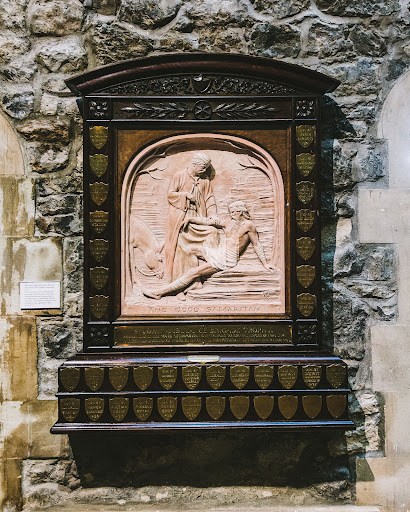
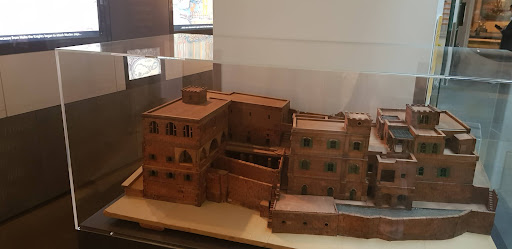
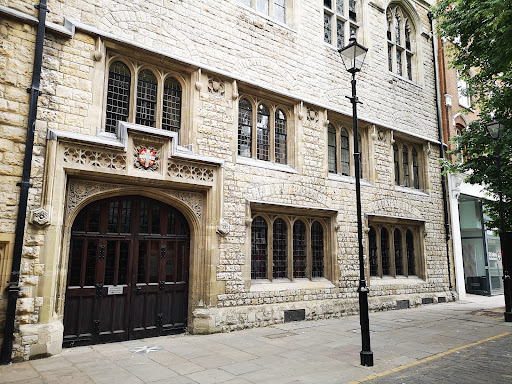
Museum of the Order of Saint John things to do, attractions, restaurants, events info and trip planning

Basic Info
Museum of the Order of Saint John
St John’s Gate, 26 St John's Ln, London EC1M 4DA, United Kingdom
4.6(306)
Open until 12:00 AM

tickets
Save
spot
spot
Ratings & Description
Info
The Museum of the Order of St John in Clerkenwell, London, tells the story of the Venerable Order of Saint John from its roots as a pan-European Order of Hospitaller Knights founded in Jerusalem during ...
Cultural
Family friendly
Accessibility
attractions: St John's Gate, The Charterhouse, St John Priory Church, St John's Garden, St Bartholomew the Great, St. Peter's Italian Catholic Church, Amanda Wilkinson Gallery, Smithfield Rotunda Garden, Barbican Centre, St. Etheldreda's RC Church, Farringdon, restaurants: Dans le Noir ? London Restaurant, BrewDog Clerkenwell, Lebanon Grill, The Holy Tavern, Luca, Clerkenwell & Social, The Chocolate Cocktail Club, St. John, The Dovetail, Roni's cafe, local businesses: Crown Tavern, Kitchen Fitters & Renovators London, Three Compasses, Farringdon, Crown & Pepper Farringdon, Cocoa Runners, GuestReady London, City Pride, Hatton Garden Metals Gold Buyers, GoCardless
 Learn more insights from Wanderboat AI.
Phone
+44 20 7324 4005
Website
museumstjohn.org.uk
Open hoursSee all hours
Wed9:30 AM - 5 PMOpen
Plan your stay

Pet-friendly Hotels in London
Find a cozy hotel nearby and make it a full experience.

Affordable Hotels in London
Find a cozy hotel nearby and make it a full experience.

The Coolest Hotels You Haven't Heard Of (Yet)
Find a cozy hotel nearby and make it a full experience.

Trending Stays Worth the Hype in London
Find a cozy hotel nearby and make it a full experience.
Reviews
Live events

Explore the hidden pubs of London
Wed, Feb 18 • 2:00 PM
Greater London, EC2V 6AA, United Kingdom
View details
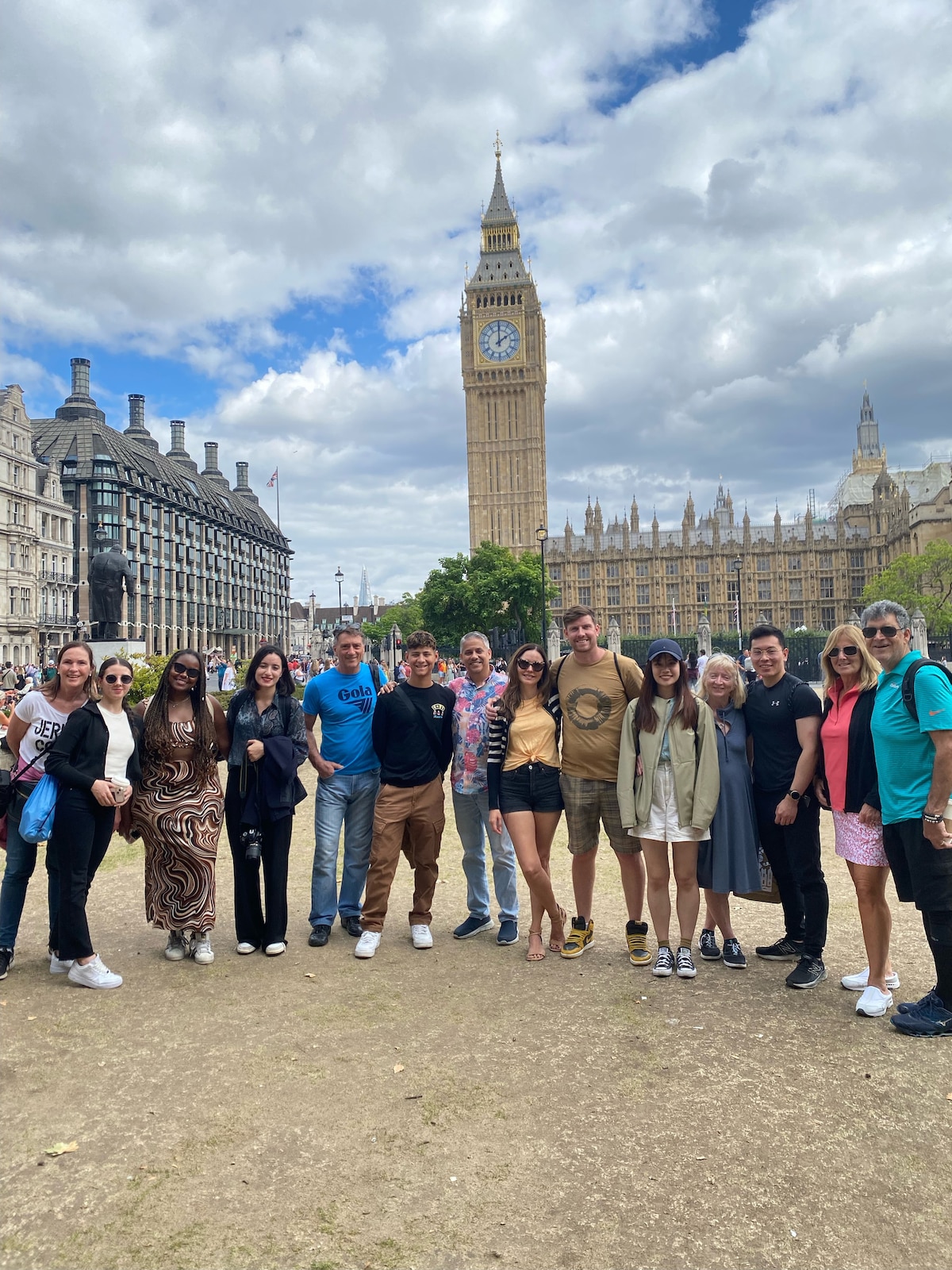
London sightseeing walking tour with 30 sights
Fri, Feb 20 • 10:00 AM
Greater London, SW1E 5EA, United Kingdom
View details
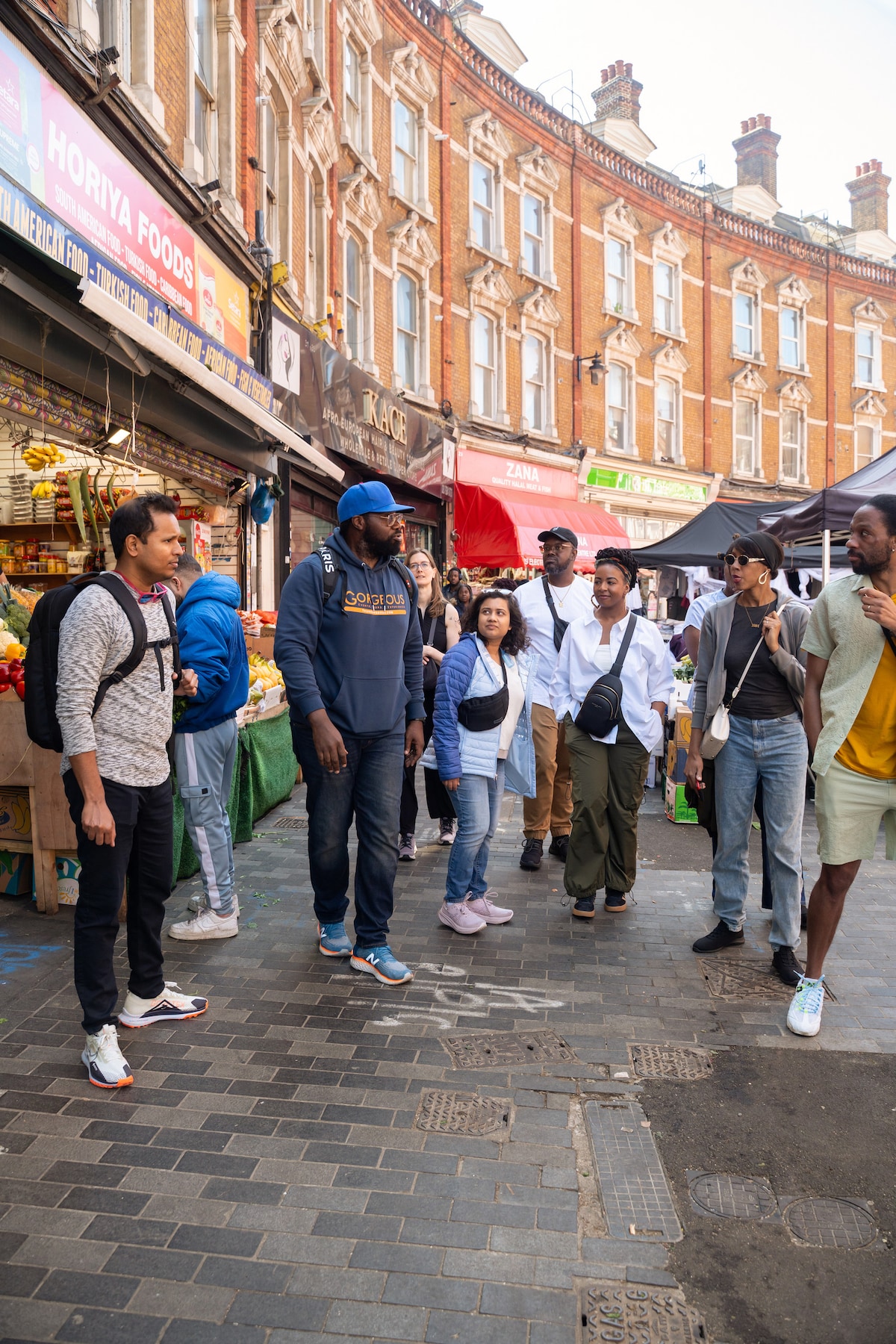
Obis African and Caribbean Food Tour in Brixton
Thu, Feb 19 • 12:00 PM
Greater London, SW9 8EA, United Kingdom
View details
Nearby attractions of Museum of the Order of Saint John
St John's Gate
The Charterhouse
St John Priory Church
St John's Garden
St Bartholomew the Great
St. Peter's Italian Catholic Church
Amanda Wilkinson Gallery
Smithfield Rotunda Garden
Barbican Centre
St. Etheldreda's RC Church, Farringdon
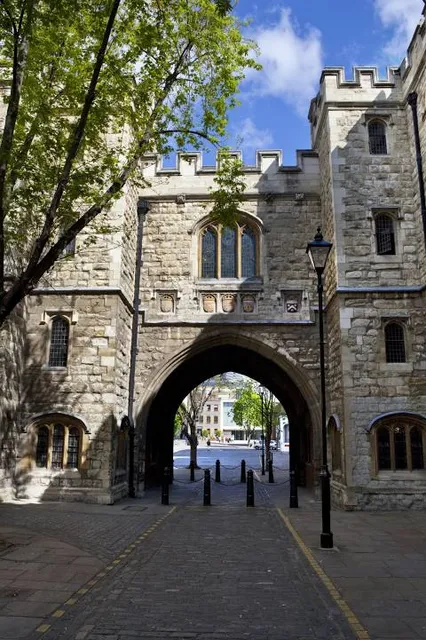
St John's Gate
4.7
(86)
Open until 12:00 AM
Click for details
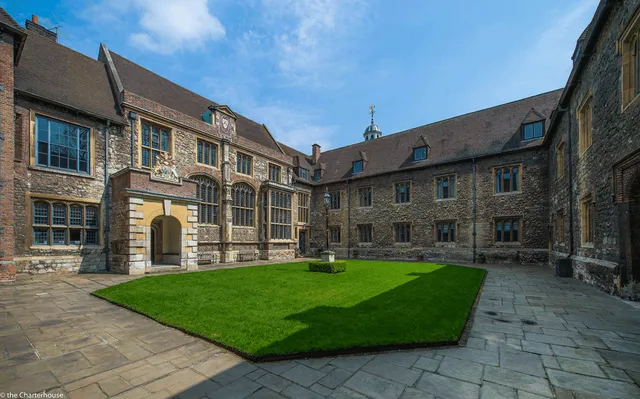
The Charterhouse
4.7
(362)
Open until 4:30 PM
Click for details
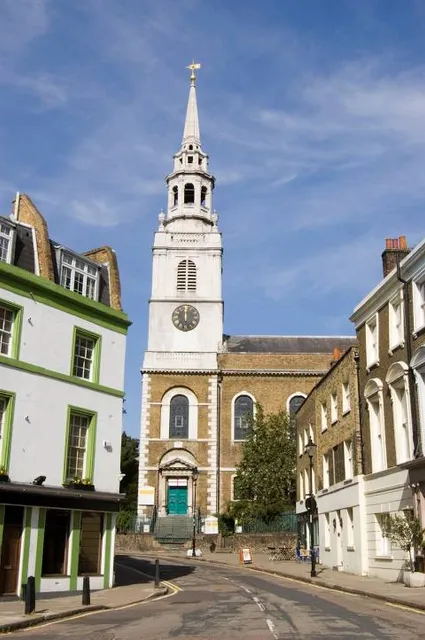
St John Priory Church
4.7
(55)
Open 24 hours
Click for details
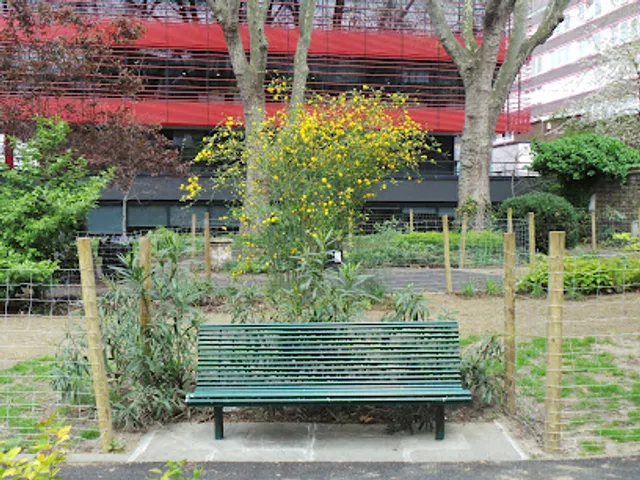
St John's Garden
4.3
(62)
Open until 12:00 AM
Click for details
Nearby restaurants of Museum of the Order of Saint John
Dans le Noir ? London Restaurant
BrewDog Clerkenwell
Lebanon Grill
The Holy Tavern
Luca
Clerkenwell & Social
The Chocolate Cocktail Club
St. John
The Dovetail
Roni's cafe
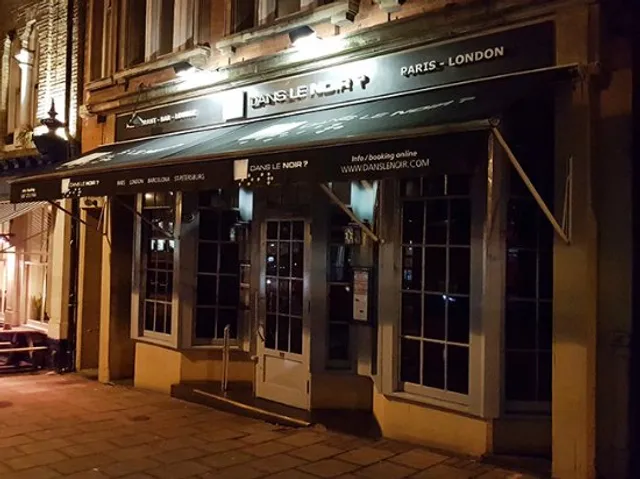
Dans le Noir ? London Restaurant
4.5
(1.0K)
$$$
Closed
Click for details
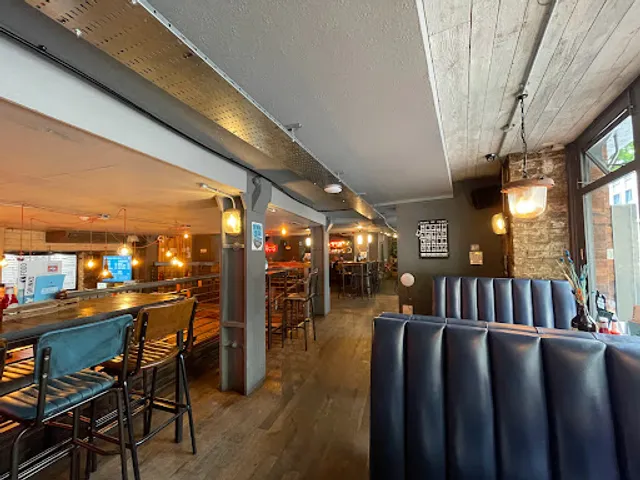
BrewDog Clerkenwell
4.3
(702)
Closed
Click for details

Lebanon Grill
4.9
(710)
Open until 1:00 AM
Click for details
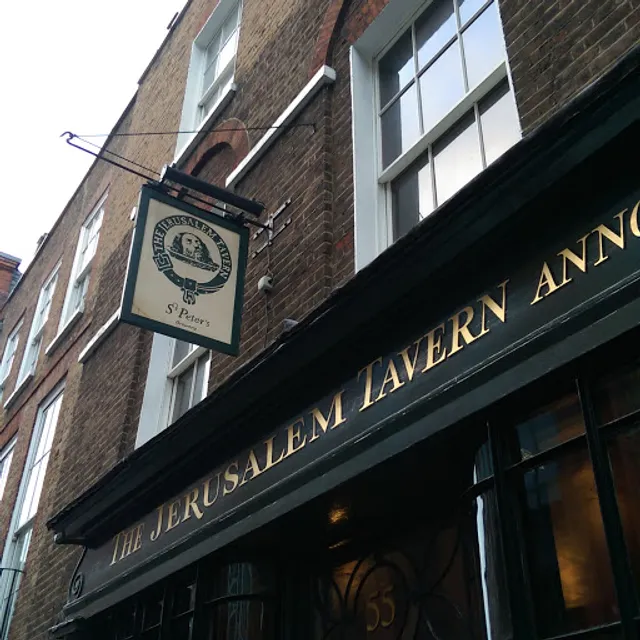
The Holy Tavern
4.6
(655)
Closed
Click for details
Nearby local services of Museum of the Order of Saint John
Crown Tavern
Kitchen Fitters & Renovators London
Three Compasses
Farringdon
Crown & Pepper Farringdon
Cocoa Runners
GuestReady London
City Pride
Hatton Garden Metals Gold Buyers
GoCardless
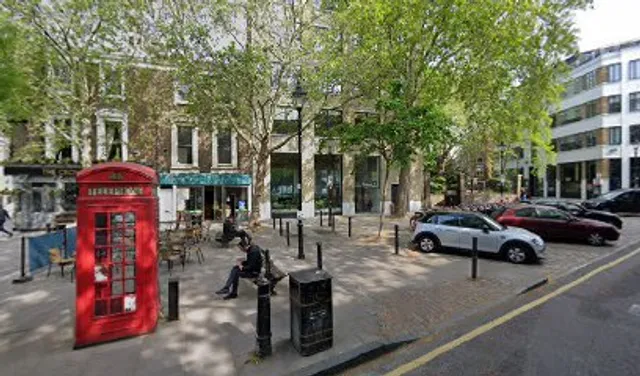
Crown Tavern
4.4
(851)
Click for details

Kitchen Fitters & Renovators London
5.0
(64)
Click for details
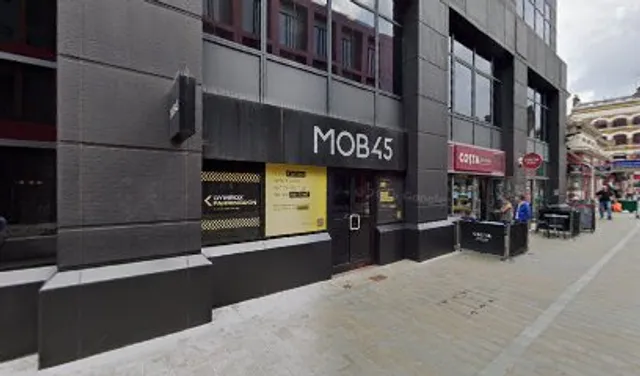
Three Compasses
4.8
(501)
Click for details
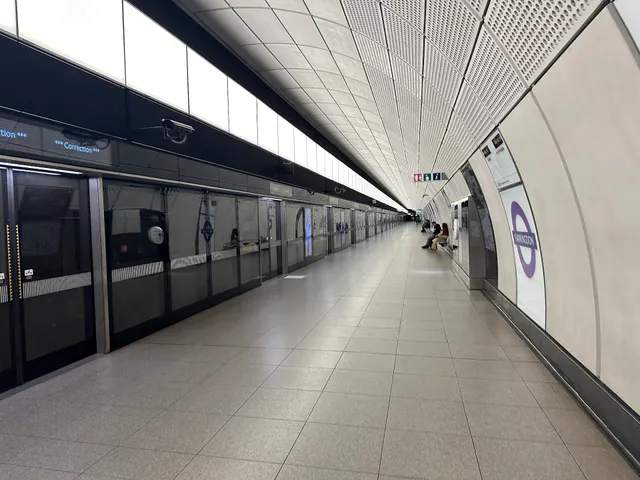
Farringdon
4.3
(293)
Click for details


The hit list



Plan your trip with Wanderboat
Welcome to Wanderboat AI, your AI search for local Eats and Fun, designed to help you explore your city and the world with ease.
Powered by Wanderboat AI trip planner.