HTML SitemapExplore
logo
Find Things to DoFind The Best Restaurants

Italian Chapel — Attraction in Scotland

Name
Italian Chapel
Description
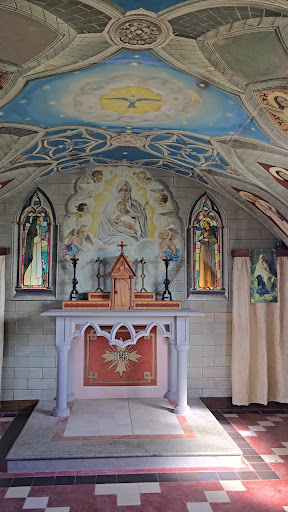
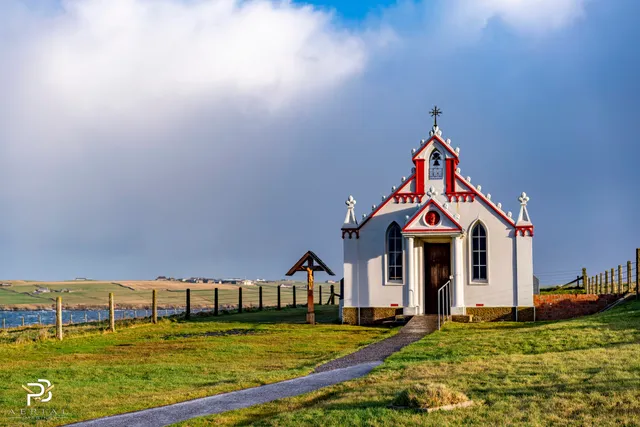
The Italian Chapel is a highly ornate Catholic chapel on Lamb Holm in the Orkney Islands. It was built during World War II by Italian prisoners of war, who were housed on the previously uninhabited island while they constructed the Churchill Barriers to the east of Scapa Flow.
Nearby attractions
Churchill Barriers
A961, Orkney KW17 2RZ, United Kingdom
Nearby restaurants
Nearby hotels
Related posts
Keywords
Italian Chapel tourism.Italian Chapel hotels.Italian Chapel bed and breakfast. flights to Italian Chapel.Italian Chapel attractions.Italian Chapel restaurants.Italian Chapel travel.Italian Chapel travel guide.Italian Chapel travel blog.Italian Chapel pictures.Italian Chapel photos.Italian Chapel travel tips.Italian Chapel maps.Italian Chapel things to do.
Italian Chapel things to do, attractions, restaurants, events info and trip planning
Italian Chapel
United KingdomScotlandItalian Chapel

Basic Info

Italian Chapel

Lamb Holm, Orkney KW17 2SF, United Kingdom
4.6(1.1K)
Open 24 hours
Save
spot

Ratings & Description

Info

The Italian Chapel is a highly ornate Catholic chapel on Lamb Holm in the Orkney Islands. It was built during World War II by Italian prisoners of war, who were housed on the previously uninhabited island while they constructed the Churchill Barriers to the east of Scapa Flow.

Cultural
Scenic
Accessibility
attractions: Churchill Barriers, restaurants:
logoLearn more insights from Wanderboat AI.
Phone
+44 1856 781580
Website
facebook.com

Plan your stay

hotel
Pet-friendly Hotels in Scotland
Find a cozy hotel nearby and make it a full experience.
hotel
Affordable Hotels in Scotland
Find a cozy hotel nearby and make it a full experience.
hotel
The Coolest Hotels You Haven't Heard Of (Yet)
Find a cozy hotel nearby and make it a full experience.
hotel
Trending Stays Worth the Hype in Scotland
Find a cozy hotel nearby and make it a full experience.

Reviews

Nearby attractions of Italian Chapel

Churchill Barriers

Churchill Barriers

Churchill Barriers

4.7

(42)

Open 24 hours
Click for details
Get the Appoverlay
Get the AppOne tap to find yournext favorite spots!
Wanderboat LogoWanderboat

Your everyday Al companion for getaway ideas

CompanyAbout Us
InformationAI Trip PlannerSitemap
SocialXInstagramTiktokLinkedin
LegalTerms of ServicePrivacy Policy

Get the app

© 2025 Wanderboat. All rights reserved.
logo

Reviews of Italian Chapel

4.6
(1,130)
avatar
5.0
1y

The Italian Chapel consists of two Nissen huts transformed into a beautiful chapel by Domenico Chiocchetti and his colleagues, Italian prisoners of war captured in North Africa and transported to the Island of Lamb Holm in Orkney.

In October 1939 a German submarine under the command of Gunther Prien entered Scapa Flow and sank the British battleship 'HMS Royal Oak' with the loss of 834 lives. Winston Churchill, at that time First Sea Lord, visited Orkney and the decision was taken to construct barriers to close off four of the entrances to Scapa Flow to make the base for the home fleet more secure.

A shortage of manpower to construct the barriers coincided with the capture of thousands of Italian soldiers fighting in North Africa, so a decision was taken to transport 550 men to Camp 60 on Lamb Holm and a similar number to Camp 34 in Burray.

Following a request from the camp priest, Fr Giacobazzi, it was agreed that two Nissen huts would be joined together to provide a chapel. Among the Italians in Camp 60 was an artist, Domenico Chiocchetti, and he was given the task of transforming the two Nissen huts into a chapel. He was assisted by other tradesmen - in particular Giuseppe Palumbi, a blacksmith, and Domenico Buttapasta, a cement worker.

Domenico Chiocchetti carried in his pocket a small prayer card given to him by his mother before he left his home in Italy, and it was the image on that card of the Madonna and Child by Nicolo Barabino that Chiocchetti based his painting above the altar in the Chapel. When the Camp Commander, Major Buckland, realised that the prisoner was a very talented artist he was allowed to continue painting to make the building more attractive.

Now, decades after the completion of the Chapel, it is one of Orkney's most loved attractions.

There is also strong friendship with the town of Moena in Italy, the home of Chiocchetti, and Orkney, and members of the family visit the islands from time to time. Chiocchetti's daughter, Letizia, is an Honorary President of the Preservation Committee. Antonella Papa, a restoration artist from Rome, who had previously done work in the Sistine Chapel, has also spent time working in the Chapel to refresh areas of Chiocchetti's painting.

In August 2014 three of the Station of the Cross were stolen. Replacement plaques were carved in Moena are in place in the Chapel, but this has resulted in the installation of CCTV cameras which, it is hoped, will deter any further damage to the Chapel.

The Preservation Committee do hope visitors will enjoy their time in the Chapel. A small booklet is available in English, Italian and German which, for a donation of £1.00, tells the story in words and pictures and gives a full explanation of the Chapel and its...

   Read more
avatar
5.0
2y

È sempre bello fare ogni tanto una visita a questa meravigliosa cappella. Si trova un parcheggio gratuito ma l'ingresso è diventato a pagamento, £ 3.50 caduno, uno sconto ai bambini. Per raccontare la storia di questa cappella bisogna tornare indietro nel tempo durante la Seconda Guerra Mondiale. Il 14 ottobre 1939 un sommergibile tedesco superò gli sbarramenti che avrebbero dovuto proteggere la baia di Scapa Flow e lanciò cinque siluri contro l’ammiraglia della flotta inglese la Royal Oak, che affondò nel giro di pochi minuti insieme a ottocento marinai dell’equipaggio. Fu una delle maggiori tragedie nella storia della marina britannica. Churchill arrivò sul posto per prendere visione del disastro e valutare le possibili soluzioni. Diede il via all’opera più ambiziosa della Seconda Guerra Mondiale costruire quattro barriere per bloccare un futuro passaggio nemico e che unirà le varie isole all'isola principale. I lavori iniziano ma mancava la manodopera. Churchill decise di utilizzare i prigionieri di guerra. Dalla spedizione in Africa vennero trasportati 550 prigioni italiani. Su quest'isola di Lamb Holm viene assegnato il Campo 60. Venne concordata la necessità di dare al campo un luogo di culto. La prima opera ideata e realizzata dai prigionieri italiani fu il monumento dei prigionieri di guerra italiani, con una scultura raffigurante San Giorgio che trafigge il drago, realizzata con uno scheletro di filo spinato ricoperto di cemento. Di fronte a questo monumento si trovavano due capanni non più utilizzabili che vennero usati per la loro Cappella utilizzando materiali di recupero. Domenico Chiocchetti realizzò l’opera più importante, dal punto di vista spirituale e pittorico la Madonna con Bambino, prendendo ispirazione da un santino che teneva in tasca ricevuto dalla madre. Altri parteciparono a questa impresa quali il fabbro Giuseppe Palumbi, l’artista Giovanni Pennisi che aiutò Domenico nel dipingere la navata, oltre a tanti altri prigionieri di cui non è stato possibile recuperare i nomi per poterli ricordare. Nell’estate del 1944 i lavori delle barriere furono terminati. Il miracolo del Campo 60 era riuscito ad unire popoli ed uomini che la guerra aveva schierato su fronti opposti. Domenico convinse il Maggiore e restando ancora una settimana riuscì a fare l'acquasantiera che ancora mancava. Una squadra di demolitori arrivò a Lamb Holm, avevano l’ordine di abbattere gli edifici dei campi militari il più velocemente possibile. Gli uomini se ne andarono disobbedendo agli ordini ricevuti e lasciando intatte la Cappella e la statua di San Giorgio. Viene così battezzata la Italian Chapel, se ne iniziò a parlare in tutto il Regno Unito e da qui anche la voglia di prendersene cura ed il ritorno dello stesso Domenico questa volta come uomo libero a occuparsi del primo restauro. Oggi al lato della Cappella si trova un crocifisso in legno donato dalla figlia di Domenico, le tavole della via crucis donate da Domenico e la moglie. Ecco da quando ho scoperto questa storia incredibile me ne sono innamorata così tanto da volerla visitare più volte....

   Read more
avatar
5.0
15w

I last visited the Italian Chapel some fifty years ago when my ship, the Royal Fleet Auxiliary Stromness, berthed at her namesake port in the Orkneys. This time, visiting on Fred Olsen's Balmoral, I achieved all that the £135 ship tour offered - and a lot more besides. I hired a bike for £50, arrived at the chapel after all the tour buses had left after their twenty minute stay and had the place virtually to myself. A lot has changed since I last visited. There's a £4 charge, rules and regulations, a concrete path and a souvenir shop. In the 1970's, you just walked in. For the Italian Prisoners of War to have built the chapel so beautifully from a couple of Nissen huts and some salvaged bits of wood and other odds and sods is quite remarkable. The ceiling is especially breathtaking. Situated beside Scapa Flow and within sight of the Churchill barriers, it's an amazingly tranquil and beautiful spot. Well worth a visit especially as the X1 bus from Kirkwall passes right by and charges just £10 for...

   Read more
Page 1 of 7
Previous
Next

Posts

En Yin LiewEn Yin Liew
The Italian Chapel consists of two Nissen huts transformed into a beautiful chapel by Domenico Chiocchetti and his colleagues, Italian prisoners of war captured in North Africa and transported to the Island of Lamb Holm in Orkney. In October 1939 a German submarine under the command of Gunther Prien entered Scapa Flow and sank the British battleship 'HMS Royal Oak' with the loss of 834 lives. Winston Churchill, at that time First Sea Lord, visited Orkney and the decision was taken to construct barriers to close off four of the entrances to Scapa Flow to make the base for the home fleet more secure. A shortage of manpower to construct the barriers coincided with the capture of thousands of Italian soldiers fighting in North Africa, so a decision was taken to transport 550 men to Camp 60 on Lamb Holm and a similar number to Camp 34 in Burray. Following a request from the camp priest, Fr Giacobazzi, it was agreed that two Nissen huts would be joined together to provide a chapel. Among the Italians in Camp 60 was an artist, Domenico Chiocchetti, and he was given the task of transforming the two Nissen huts into a chapel. He was assisted by other tradesmen - in particular Giuseppe Palumbi, a blacksmith, and Domenico Buttapasta, a cement worker. Domenico Chiocchetti carried in his pocket a small prayer card given to him by his mother before he left his home in Italy, and it was the image on that card of the Madonna and Child by Nicolo Barabino that Chiocchetti based his painting above the altar in the Chapel. When the Camp Commander, Major Buckland, realised that the prisoner was a very talented artist he was allowed to continue painting to make the building more attractive. Now, decades after the completion of the Chapel, it is one of Orkney's most loved attractions. There is also strong friendship with the town of Moena in Italy, the home of Chiocchetti, and Orkney, and members of the family visit the islands from time to time. Chiocchetti's daughter, Letizia, is an Honorary President of the Preservation Committee. Antonella Papa, a restoration artist from Rome, who had previously done work in the Sistine Chapel, has also spent time working in the Chapel to refresh areas of Chiocchetti's painting. In August 2014 three of the Station of the Cross were stolen. Replacement plaques were carved in Moena are in place in the Chapel, but this has resulted in the installation of CCTV cameras which, it is hoped, will deter any further damage to the Chapel. The Preservation Committee do hope visitors will enjoy their time in the Chapel. A small booklet is available in English, Italian and German which, for a donation of £1.00, tells the story in words and pictures and gives a full explanation of the Chapel and its construction.
Elisa Gava WilliamsElisa Gava Williams
È sempre bello fare ogni tanto una visita a questa meravigliosa cappella. Si trova un parcheggio gratuito ma l'ingresso è diventato a pagamento, £ 3.50 caduno, uno sconto ai bambini. Per raccontare la storia di questa cappella bisogna tornare indietro nel tempo durante la Seconda Guerra Mondiale. Il 14 ottobre 1939 un sommergibile tedesco superò gli sbarramenti che avrebbero dovuto proteggere la baia di Scapa Flow e lanciò cinque siluri contro l’ammiraglia della flotta inglese la Royal Oak, che affondò nel giro di pochi minuti insieme a ottocento marinai dell’equipaggio. Fu una delle maggiori tragedie nella storia della marina britannica. Churchill arrivò sul posto per prendere visione del disastro e valutare le possibili soluzioni. Diede il via all’opera più ambiziosa della Seconda Guerra Mondiale costruire quattro barriere per bloccare un futuro passaggio nemico e che unirà le varie isole all'isola principale. I lavori iniziano ma mancava la manodopera. Churchill decise di utilizzare i prigionieri di guerra. Dalla spedizione in Africa vennero trasportati 550 prigioni italiani. Su quest'isola di Lamb Holm viene assegnato il Campo 60. Venne concordata la necessità di dare al campo un luogo di culto. La prima opera ideata e realizzata dai prigionieri italiani fu il monumento dei prigionieri di guerra italiani, con una scultura raffigurante San Giorgio che trafigge il drago, realizzata con uno scheletro di filo spinato ricoperto di cemento. Di fronte a questo monumento si trovavano due capanni non più utilizzabili che vennero usati per la loro Cappella utilizzando materiali di recupero. Domenico Chiocchetti realizzò l’opera più importante, dal punto di vista spirituale e pittorico la Madonna con Bambino, prendendo ispirazione da un santino che teneva in tasca ricevuto dalla madre. Altri parteciparono a questa impresa quali il fabbro Giuseppe Palumbi, l’artista Giovanni Pennisi che aiutò Domenico nel dipingere la navata, oltre a tanti altri prigionieri di cui non è stato possibile recuperare i nomi per poterli ricordare. Nell’estate del 1944 i lavori delle barriere furono terminati. Il miracolo del Campo 60 era riuscito ad unire popoli ed uomini che la guerra aveva schierato su fronti opposti. Domenico convinse il Maggiore e restando ancora una settimana riuscì a fare l'acquasantiera che ancora mancava. Una squadra di demolitori arrivò a Lamb Holm, avevano l’ordine di abbattere gli edifici dei campi militari il più velocemente possibile. Gli uomini se ne andarono disobbedendo agli ordini ricevuti e lasciando intatte la Cappella e la statua di San Giorgio. Viene così battezzata la Italian Chapel, se ne iniziò a parlare in tutto il Regno Unito e da qui anche la voglia di prendersene cura ed il ritorno dello stesso Domenico questa volta come uomo libero a occuparsi del primo restauro. Oggi al lato della Cappella si trova un crocifisso in legno donato dalla figlia di Domenico, le tavole della via crucis donate da Domenico e la moglie. Ecco da quando ho scoperto questa storia incredibile me ne sono innamorata così tanto da volerla visitare più volte. Straordinario.
Michael D. ScottMichael D. Scott
I last visited the Italian Chapel some fifty years ago when my ship, the Royal Fleet Auxiliary Stromness, berthed at her namesake port in the Orkneys. This time, visiting on Fred Olsen's Balmoral, I achieved all that the £135 ship tour offered - and a lot more besides. I hired a bike for £50, arrived at the chapel after all the tour buses had left after their twenty minute stay and had the place virtually to myself. A lot has changed since I last visited. There's a £4 charge, rules and regulations, a concrete path and a souvenir shop. In the 1970's, you just walked in. For the Italian Prisoners of War to have built the chapel so beautifully from a couple of Nissen huts and some salvaged bits of wood and other odds and sods is quite remarkable. The ceiling is especially breathtaking. Situated beside Scapa Flow and within sight of the Churchill barriers, it's an amazingly tranquil and beautiful spot. Well worth a visit especially as the X1 bus from Kirkwall passes right by and charges just £10 for a day ticket.
See more posts
See more posts
hotel
Find your stay

Pet-friendly Hotels in Scotland

Find a cozy hotel nearby and make it a full experience.

The Italian Chapel consists of two Nissen huts transformed into a beautiful chapel by Domenico Chiocchetti and his colleagues, Italian prisoners of war captured in North Africa and transported to the Island of Lamb Holm in Orkney. In October 1939 a German submarine under the command of Gunther Prien entered Scapa Flow and sank the British battleship 'HMS Royal Oak' with the loss of 834 lives. Winston Churchill, at that time First Sea Lord, visited Orkney and the decision was taken to construct barriers to close off four of the entrances to Scapa Flow to make the base for the home fleet more secure. A shortage of manpower to construct the barriers coincided with the capture of thousands of Italian soldiers fighting in North Africa, so a decision was taken to transport 550 men to Camp 60 on Lamb Holm and a similar number to Camp 34 in Burray. Following a request from the camp priest, Fr Giacobazzi, it was agreed that two Nissen huts would be joined together to provide a chapel. Among the Italians in Camp 60 was an artist, Domenico Chiocchetti, and he was given the task of transforming the two Nissen huts into a chapel. He was assisted by other tradesmen - in particular Giuseppe Palumbi, a blacksmith, and Domenico Buttapasta, a cement worker. Domenico Chiocchetti carried in his pocket a small prayer card given to him by his mother before he left his home in Italy, and it was the image on that card of the Madonna and Child by Nicolo Barabino that Chiocchetti based his painting above the altar in the Chapel. When the Camp Commander, Major Buckland, realised that the prisoner was a very talented artist he was allowed to continue painting to make the building more attractive. Now, decades after the completion of the Chapel, it is one of Orkney's most loved attractions. There is also strong friendship with the town of Moena in Italy, the home of Chiocchetti, and Orkney, and members of the family visit the islands from time to time. Chiocchetti's daughter, Letizia, is an Honorary President of the Preservation Committee. Antonella Papa, a restoration artist from Rome, who had previously done work in the Sistine Chapel, has also spent time working in the Chapel to refresh areas of Chiocchetti's painting. In August 2014 three of the Station of the Cross were stolen. Replacement plaques were carved in Moena are in place in the Chapel, but this has resulted in the installation of CCTV cameras which, it is hoped, will deter any further damage to the Chapel. The Preservation Committee do hope visitors will enjoy their time in the Chapel. A small booklet is available in English, Italian and German which, for a donation of £1.00, tells the story in words and pictures and gives a full explanation of the Chapel and its construction.
En Yin Liew

En Yin Liew

hotel
Find your stay

Affordable Hotels in Scotland

Find a cozy hotel nearby and make it a full experience.

Get the Appoverlay
Get the AppOne tap to find yournext favorite spots!
È sempre bello fare ogni tanto una visita a questa meravigliosa cappella. Si trova un parcheggio gratuito ma l'ingresso è diventato a pagamento, £ 3.50 caduno, uno sconto ai bambini. Per raccontare la storia di questa cappella bisogna tornare indietro nel tempo durante la Seconda Guerra Mondiale. Il 14 ottobre 1939 un sommergibile tedesco superò gli sbarramenti che avrebbero dovuto proteggere la baia di Scapa Flow e lanciò cinque siluri contro l’ammiraglia della flotta inglese la Royal Oak, che affondò nel giro di pochi minuti insieme a ottocento marinai dell’equipaggio. Fu una delle maggiori tragedie nella storia della marina britannica. Churchill arrivò sul posto per prendere visione del disastro e valutare le possibili soluzioni. Diede il via all’opera più ambiziosa della Seconda Guerra Mondiale costruire quattro barriere per bloccare un futuro passaggio nemico e che unirà le varie isole all'isola principale. I lavori iniziano ma mancava la manodopera. Churchill decise di utilizzare i prigionieri di guerra. Dalla spedizione in Africa vennero trasportati 550 prigioni italiani. Su quest'isola di Lamb Holm viene assegnato il Campo 60. Venne concordata la necessità di dare al campo un luogo di culto. La prima opera ideata e realizzata dai prigionieri italiani fu il monumento dei prigionieri di guerra italiani, con una scultura raffigurante San Giorgio che trafigge il drago, realizzata con uno scheletro di filo spinato ricoperto di cemento. Di fronte a questo monumento si trovavano due capanni non più utilizzabili che vennero usati per la loro Cappella utilizzando materiali di recupero. Domenico Chiocchetti realizzò l’opera più importante, dal punto di vista spirituale e pittorico la Madonna con Bambino, prendendo ispirazione da un santino che teneva in tasca ricevuto dalla madre. Altri parteciparono a questa impresa quali il fabbro Giuseppe Palumbi, l’artista Giovanni Pennisi che aiutò Domenico nel dipingere la navata, oltre a tanti altri prigionieri di cui non è stato possibile recuperare i nomi per poterli ricordare. Nell’estate del 1944 i lavori delle barriere furono terminati. Il miracolo del Campo 60 era riuscito ad unire popoli ed uomini che la guerra aveva schierato su fronti opposti. Domenico convinse il Maggiore e restando ancora una settimana riuscì a fare l'acquasantiera che ancora mancava. Una squadra di demolitori arrivò a Lamb Holm, avevano l’ordine di abbattere gli edifici dei campi militari il più velocemente possibile. Gli uomini se ne andarono disobbedendo agli ordini ricevuti e lasciando intatte la Cappella e la statua di San Giorgio. Viene così battezzata la Italian Chapel, se ne iniziò a parlare in tutto il Regno Unito e da qui anche la voglia di prendersene cura ed il ritorno dello stesso Domenico questa volta come uomo libero a occuparsi del primo restauro. Oggi al lato della Cappella si trova un crocifisso in legno donato dalla figlia di Domenico, le tavole della via crucis donate da Domenico e la moglie. Ecco da quando ho scoperto questa storia incredibile me ne sono innamorata così tanto da volerla visitare più volte. Straordinario.
Elisa Gava Williams

Elisa Gava Williams

hotel
Find your stay

The Coolest Hotels You Haven't Heard Of (Yet)

Find a cozy hotel nearby and make it a full experience.

hotel
Find your stay

Trending Stays Worth the Hype in Scotland

Find a cozy hotel nearby and make it a full experience.

I last visited the Italian Chapel some fifty years ago when my ship, the Royal Fleet Auxiliary Stromness, berthed at her namesake port in the Orkneys. This time, visiting on Fred Olsen's Balmoral, I achieved all that the £135 ship tour offered - and a lot more besides. I hired a bike for £50, arrived at the chapel after all the tour buses had left after their twenty minute stay and had the place virtually to myself. A lot has changed since I last visited. There's a £4 charge, rules and regulations, a concrete path and a souvenir shop. In the 1970's, you just walked in. For the Italian Prisoners of War to have built the chapel so beautifully from a couple of Nissen huts and some salvaged bits of wood and other odds and sods is quite remarkable. The ceiling is especially breathtaking. Situated beside Scapa Flow and within sight of the Churchill barriers, it's an amazingly tranquil and beautiful spot. Well worth a visit especially as the X1 bus from Kirkwall passes right by and charges just £10 for a day ticket.
Michael D. Scott

Michael D. Scott

See more posts
See more posts