HTML SitemapExplore

Traquair House — Attraction in Scotland

Name
Traquair House
Description
Nearby attractions
Nearby restaurants
Nearby hotels
River View Holiday Home
Tweedbank Farm, Traquair Road, Innerleithen EH44 6PF, United Kingdom
Related posts
Keywords
Traquair House tourism.Traquair House hotels.Traquair House bed and breakfast. flights to Traquair House.Traquair House attractions.Traquair House restaurants.Traquair House travel.Traquair House travel guide.Traquair House travel blog.Traquair House pictures.Traquair House photos.Traquair House travel tips.Traquair House maps.Traquair House things to do.
Traquair House things to do, attractions, restaurants, events info and trip planning
Traquair House
United KingdomScotlandTraquair House

Basic Info

Traquair House

Traquair House, Traquair, Innerleithen EH44 6PW, United Kingdom
4.7(215)
Open 24 hours
Save
spot

Ratings & Description

Info

Cultural
Relaxation
Scenic
Family friendly
attractions: , restaurants:
logoLearn more insights from Wanderboat AI.
Phone
+44 1896 830323
Website
traquair.co.uk

Plan your stay

hotel
Pet-friendly Hotels in Scotland
Find a cozy hotel nearby and make it a full experience.
hotel
Affordable Hotels in Scotland
Find a cozy hotel nearby and make it a full experience.
hotel
The Coolest Hotels You Haven't Heard Of (Yet)
Find a cozy hotel nearby and make it a full experience.
hotel
Trending Stays Worth the Hype in Scotland
Find a cozy hotel nearby and make it a full experience.

Reviews

Things to do nearby

New Years Day at Earlston RFC
Thu, Jan 1 • 1:00 PM
The Haugh, Mill Road, Earlston, Melrose, United Kingdom
View details
Get the Appoverlay
Get the AppOne tap to find yournext favorite spots!
Wanderboat LogoWanderboat

Your everyday Al companion for getaway ideas

CompanyAbout Us
InformationAI Trip PlannerSitemap
SocialXInstagramTiktokLinkedin
LegalTerms of ServicePrivacy Policy

Get the app

© 2025 Wanderboat. All rights reserved.

Reviews of Traquair House

4.7
(215)
avatar
5.0
6y

Traquair (Scottish Gaelic: Cille Bhrìghde) is a small village and civil parish in the Scottish Borders; until 1975 it was in the county of Peeblesshire. Traquair, said to mean "hamlet on the Quair Water", a river which runs northwards from the hill, Slake Law (2,229 feet (679 m)) to drain into the River Tweed north of Traquair. The village was once surrounded by the great Ettrick Forest and is surrounded by many hills in excess of 1,500 feet (460 m) The area was renowned for the rearing of Cheviot sheep.

In early times the village bore the name Kirkbryde or Strathquair, the Kirkbryde coming from the local church which was dedicated to St. Bride, or Bridget. As early as the 12th century, Traquair was of some importance, important enough to be raised to the status of a Sheriffdom. One of the earliest mentions of the area came in 1107 when Traquair House or Tower was known as a hunting lodge of the Scottish kings and as a refuge for priests. The house was known as Traquair Palace and, in 1176, at the palace, William I of Scotland granted a charter for the erection of a burgh with the power to hold markets every Thursday.

The lands of Traquair were granted by King Robert the Bruce to Sir James Douglas, Lord of Douglas. The manor was later in the hands of the Murray family, the Douglas of Cluny then the Boyds before becoming forfeit to the crown. Robert Stewart, Duke of Albany is said to have granted the lands to William Watson in a charter signed at Edinburgh in 1409. In 1469, there was uproar when James III of Scotland granted the estates to Dr William Rogers. Rogers only lived there a few years before selling it to James Stewart, 1st Earl of Buchan. Rogers, reputed to be a friend and court musician to the king, sold the house to Buchan for 70 Scots merks (less than four pounds in today's money). The earl gave the manor of Traquair to his son, also James, who later died at the Battle of Flodden on 9 September 1513. The estate was elevated in status in 1633 when John was elevated to the title of John Stewart, 1st Earl of Traquair; he later became Lord High Treasurer of Scotland but was later attainted and died penniless. The last of the family, Lady Louisa Stewart, died aged 99 in 1875 and the lands of Traquair passed to her kinsman, Henry Maxwell. Henry adopted the name Stuart and the Maxwell Stuarts still live at the house today. Modern-day Traquair House is an acclaimed visitor attraction, brewery, wedding venue, corporate hospitality and conference centre.

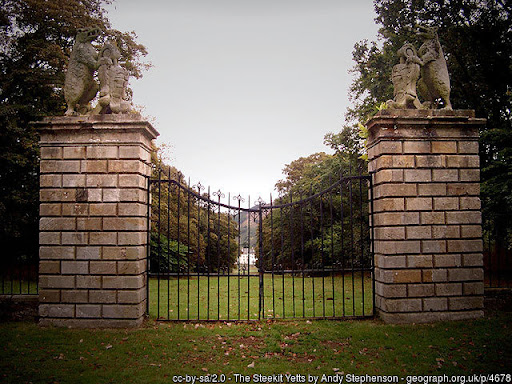
A legend, in two versions, applies to the 'Steekit Yetts' (stuck, or closed, gates), formerly the main entrance of Traquair House. Prince Charles Edward Stewart visited the family during the Jacobite rising of 1745. On his departure, the 5th earl declared the gates would never open again until a Stewart monarch required entry to the house. The second version belongs to the 7th earl who deemed the gates stay closed after the death of his wife, in 1796, and not to re-open until there was another Countess of Traquair.

The Duke of Montrose visited Traquair in 1645 after the Battle of Philiphaugh. Then Robert Burns came to Traquair in order to see a then-famous thicket of beech trees known as the 'Bush aboon Traquair'. A considerable village in the early 18th century, Traquair boasted no less than six alehouses but the local minister stated the locals drank to excess. By the end of the century there was only one pub and the population was said to have halved during that century. At one point, at the same time, there was talk of building a road through Traquair to become the main route between Edinburgh and Carlisle. An Edinburgh man had even offered to fund the building of a new bridge over the River Tweed but the plans never came to fruition and the local roads stayed in a very poor state. A toll bar was built in an attempt to raise funds for roads but was...

   Read more
avatar
5.0
8y

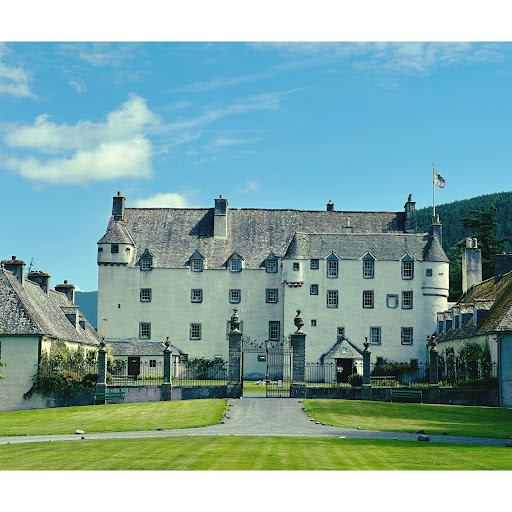
The Bear Gates of the Traquair House—Scotland’s oldest continually inhabited house—have been locked since 1745 on the instruction they remain closed until the Stuart Dynasty returns to the throne. We may be waiting a long time. The last direct male descendent of the Stuart Kings died in 1807, so it doesn’t look like the “Steekit Yetts” (that’s Scots for “stuck gates”) will be unstuck any time soon. All entrants to the fortified 12th-century house, from tourists visiting its microbrewery to the current 21st Laird (Lord) of Traquair, have to use the side entrance.

Many great houses and castles in Europe are approached by an impressive tree-lined driveway. The Traquair House had such a feature until the bear-topped gates at the end of the driveway were closed indefinitely behind “Bonnie Prince Charlie” Stuart as he rode away in 1745 to restore the Stuart Dynasty to the throne. This lead to the Bear Gates being given the nickname of “The Steekit Yetts.”

The house has been owned by relatives of the Stuart Royal Dynasty—a dynasty including Mary Queen of Scots and her son James VI who became the first king to hold the throne of both Scotland and England— since the 15th century.

James VI’s great-grandson, James VII & II, was the last king of this dynasty. He was exiled from Britain for being Catholic and replaced by an imported Protestant king. Fearful of Catholic superpowers in mainland Europe, the English Parliament then passed laws to prevent any Catholics taking the English throne ever again.

This did not stop the exiled king’s grandson, Bonnie Prince Charlie. Charlie, who had grown up in Rome, landed on Eriskay (an island in Scotland’s Outer Hebrides) in 1745 and raised an army of clansmen who were sympathetic to his cause. They marched south through the recently United Kingdom to attempt to retake the throne.

It was during this advance that Bonnie Prince Charlie visited his distant cousin and staunch supporter, the 5th Earl at Traquair (also named Charles Stuart). It was this earl who ordered the gates at the top of the avenue to be shut after him until the Stuarts returned to the throne.

Unfortunately for the inhabitants of Traquair, Bonnie Prince Charlie and his Highland Army were defeated in the Battle of Culloden mere months later, and, though he escaped back to mainland Europe with his life, his dynasty never returned.

Know Before You Go Follow signs for Traquair House from the A72 road as it passes through Innerleithen. The Bear Gates and abandoned avenue are to the left of the entrance. The abandoned avenue ends in front of the house, which, along with its microbrewery dating back to the 1700's, is well worth paying the small entrance to have a...

   Read more
avatar
5.0
1y

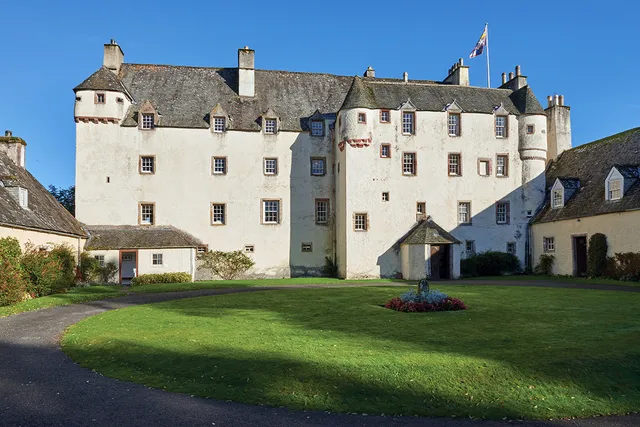
If you're used to visiting houses managed by national organisations and trusts, then Traquair House will come as a very pleasant surprise. It's definitely quirky, a bit eccentric and has a wonderful warm atmosphere to it. Perhaps it's because the family still live here - Scotland's oldest inhabited house. We had wanted to visit here for some time and it didn't disappoint. It's easy to find with lots of parking and we were greeted on arrival in the car park by a very sweet dog, apparently the owner's. We had free entry as Historic House members but we did spend almost 5 hours here. At the house, we were met by Jan, one of the guides who gave us a very entertaining introductory talk and then showed us to a room playing a film giving a brief background of the house. The history and stories of the house are amazing and all credit to the guides, particularly Jan and Fraser who both have such warm enthusiasm for the house and have clearly researched extensively. I was unable to visit the upstairs as the stairs are the narrow spiral type so I visited one of the wings while my partner visited upstairs. Jan joined me and the time flew by as she talked extensively about the unusual items in the dining room plus the characters - I could have listened a lot longer, thank you, Jan! Then to the brewery shop to sample some ale (the Jacobite ale is a bit marmite!) and the usual gift shop.

We then visited the cafe for lunch where, sadly, the experience was a bit of a let down. It was a warm day so all the tables outside were taken and there was little atmosphere inside. Our diet cokes were warm and my partner's toastie was barely toasted and my cullen skink was unusual, being a broth with huge undercooked pieces of potato and skinny pieces of fish. We had heard the assistant say a couple of times that they were under staffed so decided to make the best of the food but unfortunately I found a rather large bone in the soup. We did show this to the assistant who apologised. We tried some cake but it was a little stale. Service was good but we felt the bill was high for the quality of food.

Back out to the gardens where we enjoyed a river walk alongside some very beautiful trees, we particularly admired the yews here. We dawdled along until we reached the house and then the walled garden where we spotted a deer munching some cake that had been dropped on the ground! All in all, we would return to visit the house and grounds but probably...

   Read more
Page 1 of 7
Previous
Next

Posts

Dilek IDilek I
The Bear Gates of the Traquair House—Scotland’s oldest continually inhabited house—have been locked since 1745 on the instruction they remain closed until the Stuart Dynasty returns to the throne. We may be waiting a long time. The last direct male descendent of the Stuart Kings died in 1807, so it doesn’t look like the “Steekit Yetts” (that’s Scots for “stuck gates”) will be unstuck any time soon. All entrants to the fortified 12th-century house, from tourists visiting its microbrewery to the current 21st Laird (Lord) of Traquair, have to use the side entrance. Many great houses and castles in Europe are approached by an impressive tree-lined driveway. The Traquair House had such a feature until the bear-topped gates at the end of the driveway were closed indefinitely behind “Bonnie Prince Charlie” Stuart as he rode away in 1745 to restore the Stuart Dynasty to the throne. This lead to the Bear Gates being given the nickname of “The Steekit Yetts.” The house has been owned by relatives of the Stuart Royal Dynasty—a dynasty including Mary Queen of Scots and her son James VI who became the first king to hold the throne of both Scotland and England— since the 15th century. James VI’s great-grandson, James VII & II, was the last king of this dynasty. He was exiled from Britain for being Catholic and replaced by an imported Protestant king. Fearful of Catholic superpowers in mainland Europe, the English Parliament then passed laws to prevent any Catholics taking the English throne ever again. This did not stop the exiled king’s grandson, Bonnie Prince Charlie. Charlie, who had grown up in Rome, landed on Eriskay (an island in Scotland’s Outer Hebrides) in 1745 and raised an army of clansmen who were sympathetic to his cause. They marched south through the recently United Kingdom to attempt to retake the throne. It was during this advance that Bonnie Prince Charlie visited his distant cousin and staunch supporter, the 5th Earl at Traquair (also named Charles Stuart). It was this earl who ordered the gates at the top of the avenue to be shut after him until the Stuarts returned to the throne. Unfortunately for the inhabitants of Traquair, Bonnie Prince Charlie and his Highland Army were defeated in the Battle of Culloden mere months later, and, though he escaped back to mainland Europe with his life, his dynasty never returned. Know Before You Go Follow signs for Traquair House from the A72 road as it passes through Innerleithen. The Bear Gates and abandoned avenue are to the left of the entrance. The abandoned avenue ends in front of the house, which, along with its microbrewery dating back to the 1700's, is well worth paying the small entrance to have a look around.
Tasha (AutismFamilyTravelGuide)Tasha (AutismFamilyTravelGuide)
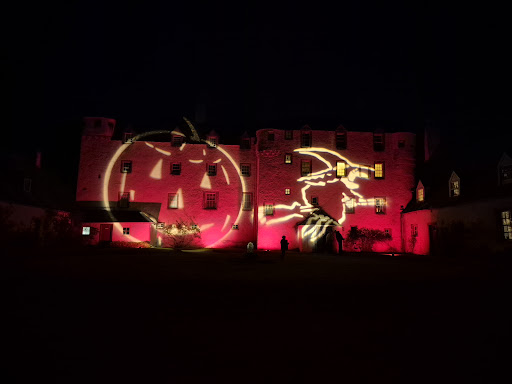
Traquair House — Scotland’s oldest inhabited house — takes on a whole new kind of magic during its Light Trail. As night falls, the historic grounds are transformed by glowing installations, twinkling pathways, and creative light displays that bring the gardens and ancient trees to life. We wandered through illuminated tree tunnels, watched colours dance across the stone walls of the house, and followed spooky cackles through the forest as the lights shifted and sparkled around us. It’s a perfect blend of history and imagination — every corner reveals something new, from glowing glowing spiders to a dancing disco ball. The event is beautifully organised, family-friendly, and has a truly enchanting atmosphere. The car park is pitch black - and for me whi relies on light for spacial awareness this because an issue when I slammed the car boot down on my head. Be careful walking down the road to the initial gazebo area - my kids fell multiple times because it was too dark to notice the speed bumps and other changes in the road surface level. Whether you come for the history, the artistry, or just a dose of Halloween magic, the Traquair House Light Trail is one of the most memorable seasonal events in the Borders — cosy, creative, and completely spellbinding.
OLIVER GREENOLIVER GREEN
⭐️⭐️⭐️⭐️⭐️ I had a fantastic visit to Traquair House yesterday — truly a hidden gem in the Borders. The house itself is absolutely steeped in history, with beautifully preserved rooms and fascinating stories around every corner. Did you know that Glasgow market charter was created here, which lead to development of the village, town then city! You really get a sense of stepping back in time (though thankfully without the drafty rooms and powdered wigs). The staff were friendly and knowledgeable, happy to share anecdotes and answer questions, which made the experience even more engaging. After exploring the house and grounds, I stopped at the café, which was an absolute delight. I had a pulled pork bun with a fresh salad — it was delicious and hit the spot perfectly. The atmosphere was warm and welcoming, just what you need after a good wander. All in all, Traquair House is a wonderful day out. Highly recommended for anyone interested in history, beautiful surroundings, and a tasty lunch to top it all off!
See more posts
See more posts
hotel
Find your stay

Pet-friendly Hotels in Scotland

Find a cozy hotel nearby and make it a full experience.

The Bear Gates of the Traquair House—Scotland’s oldest continually inhabited house—have been locked since 1745 on the instruction they remain closed until the Stuart Dynasty returns to the throne. We may be waiting a long time. The last direct male descendent of the Stuart Kings died in 1807, so it doesn’t look like the “Steekit Yetts” (that’s Scots for “stuck gates”) will be unstuck any time soon. All entrants to the fortified 12th-century house, from tourists visiting its microbrewery to the current 21st Laird (Lord) of Traquair, have to use the side entrance. Many great houses and castles in Europe are approached by an impressive tree-lined driveway. The Traquair House had such a feature until the bear-topped gates at the end of the driveway were closed indefinitely behind “Bonnie Prince Charlie” Stuart as he rode away in 1745 to restore the Stuart Dynasty to the throne. This lead to the Bear Gates being given the nickname of “The Steekit Yetts.” The house has been owned by relatives of the Stuart Royal Dynasty—a dynasty including Mary Queen of Scots and her son James VI who became the first king to hold the throne of both Scotland and England— since the 15th century. James VI’s great-grandson, James VII & II, was the last king of this dynasty. He was exiled from Britain for being Catholic and replaced by an imported Protestant king. Fearful of Catholic superpowers in mainland Europe, the English Parliament then passed laws to prevent any Catholics taking the English throne ever again. This did not stop the exiled king’s grandson, Bonnie Prince Charlie. Charlie, who had grown up in Rome, landed on Eriskay (an island in Scotland’s Outer Hebrides) in 1745 and raised an army of clansmen who were sympathetic to his cause. They marched south through the recently United Kingdom to attempt to retake the throne. It was during this advance that Bonnie Prince Charlie visited his distant cousin and staunch supporter, the 5th Earl at Traquair (also named Charles Stuart). It was this earl who ordered the gates at the top of the avenue to be shut after him until the Stuarts returned to the throne. Unfortunately for the inhabitants of Traquair, Bonnie Prince Charlie and his Highland Army were defeated in the Battle of Culloden mere months later, and, though he escaped back to mainland Europe with his life, his dynasty never returned. Know Before You Go Follow signs for Traquair House from the A72 road as it passes through Innerleithen. The Bear Gates and abandoned avenue are to the left of the entrance. The abandoned avenue ends in front of the house, which, along with its microbrewery dating back to the 1700's, is well worth paying the small entrance to have a look around.
Dilek I

Dilek I

hotel
Find your stay

Affordable Hotels in Scotland

Find a cozy hotel nearby and make it a full experience.

Get the Appoverlay
Get the AppOne tap to find yournext favorite spots!
Traquair House — Scotland’s oldest inhabited house — takes on a whole new kind of magic during its Light Trail. As night falls, the historic grounds are transformed by glowing installations, twinkling pathways, and creative light displays that bring the gardens and ancient trees to life. We wandered through illuminated tree tunnels, watched colours dance across the stone walls of the house, and followed spooky cackles through the forest as the lights shifted and sparkled around us. It’s a perfect blend of history and imagination — every corner reveals something new, from glowing glowing spiders to a dancing disco ball. The event is beautifully organised, family-friendly, and has a truly enchanting atmosphere. The car park is pitch black - and for me whi relies on light for spacial awareness this because an issue when I slammed the car boot down on my head. Be careful walking down the road to the initial gazebo area - my kids fell multiple times because it was too dark to notice the speed bumps and other changes in the road surface level. Whether you come for the history, the artistry, or just a dose of Halloween magic, the Traquair House Light Trail is one of the most memorable seasonal events in the Borders — cosy, creative, and completely spellbinding.
Tasha (AutismFamilyTravelGuide)

Tasha (AutismFamilyTravelGuide)

hotel
Find your stay

The Coolest Hotels You Haven't Heard Of (Yet)

Find a cozy hotel nearby and make it a full experience.

hotel
Find your stay

Trending Stays Worth the Hype in Scotland

Find a cozy hotel nearby and make it a full experience.

⭐️⭐️⭐️⭐️⭐️ I had a fantastic visit to Traquair House yesterday — truly a hidden gem in the Borders. The house itself is absolutely steeped in history, with beautifully preserved rooms and fascinating stories around every corner. Did you know that Glasgow market charter was created here, which lead to development of the village, town then city! You really get a sense of stepping back in time (though thankfully without the drafty rooms and powdered wigs). The staff were friendly and knowledgeable, happy to share anecdotes and answer questions, which made the experience even more engaging. After exploring the house and grounds, I stopped at the café, which was an absolute delight. I had a pulled pork bun with a fresh salad — it was delicious and hit the spot perfectly. The atmosphere was warm and welcoming, just what you need after a good wander. All in all, Traquair House is a wonderful day out. Highly recommended for anyone interested in history, beautiful surroundings, and a tasty lunch to top it all off!
OLIVER GREEN

OLIVER GREEN

See more posts
See more posts