“A day not spent at Chartwell is a day wasted.” — Winston S. Churchill.
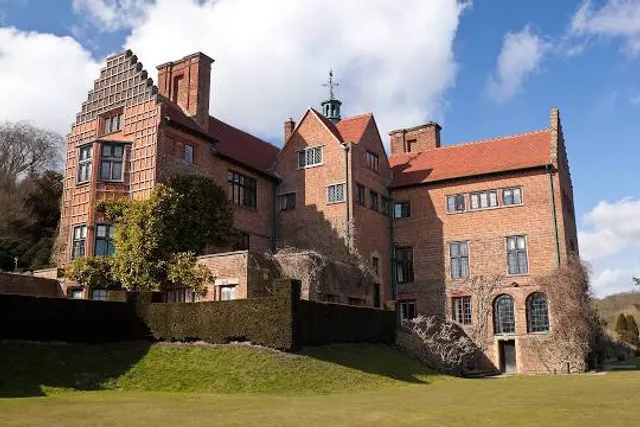
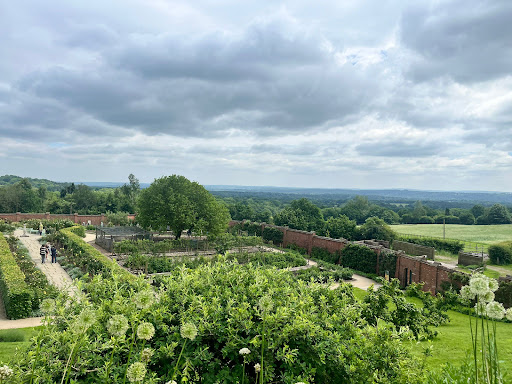
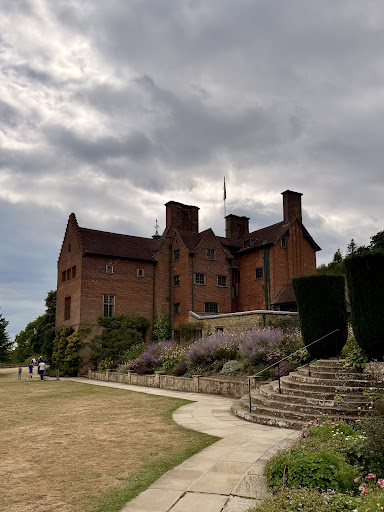
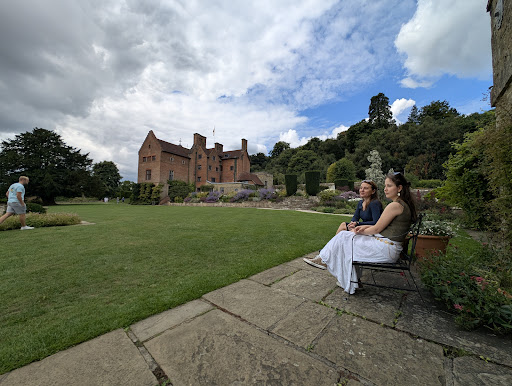
Grade I listed Chartwell was the family home of the famous Briton, Winston Leonard Spencer Churchill, considered the greatest Briton of all time (Source: 100 Greatest Britons, television series that was broadcast by the BBC in 2002). Whether you agree with that lofty estimation or not; this is a lovely estate nestled in a prime stretch of green and pleasant British countryside. In the 1930s, when Churchill was out of political office, Chartwell became the centre of his world. The house was renovated in 1923–24, with earlier origins. This year marks its Churchillian centenary. From the garden front, the house has extensive views over the Weald of Kent, "the most beautiful and charming" Churchill had ever seen, and the determining factor in his decision to buy the house. Chartwell has become among the National Trust's most popular properties.
The view from the house was of crucial importance to Churchill; he had remarked, "I bought Chartwell for that view" (over the Weald).
It was Churchill's own idea that the estate should have a museum to exhibit his various Churchilliana trinkets and medallions, and that it has - displayed in the house itself.
Neither the original Victorian house with its extensions, nor Tilden's reconstruction, created a building that has been highly regarded by critics. The architectural writer and Chairman of the National Trust Simon Jenkins considered the house, "undistinguished". The National Trust's guidebook describes the original building as "Victorian architecture at its least attractive". But I think it reflects Churchill's practical outlook.
The grounds themselves sport black swans and a range of geese. The forest footpaths are pleasant, smattered with children's play installations; even one in a converted bomb crater and a treehouse which takes after an earlier building that Churchill had constructed.
Churchill struggled financially at points in his life and the cost of the house's renovations spiralled out of control. Consequently, I think the grounds aren't as curated and developed as they could be and pale in comparison to some other estates, not to mention the relative modesty of the house itself. It's pleasant to think it gave someone a sense of refuge and comfort though, and Churchill's fantastic array of paintings and much-loved gardens are a testament to his affection for the place.
The toilet block by the gardens isn't big enough and quite messy. I felt the museum areas inside the house should be moved to a separate building (according to Churchill's own wishes). Currently parts of the house are a museum - and probably should be left as a house.
The estates' trees don't feel planted in any sort of deliberate manner although are still pleasant to look at with a brilliant sweeping tree line on the valley, many are veteran trees at least. The abundance of children's play areas are great...
Read moreQuick Takeaways
🏡 Chartwell reveals Winston Churchill’s softer, personal side beyond the statesman image
🚗 Large estate with ample parking, though busy — parking app required, WiFi needed due to no mobile signal
☕ Café is busy, functional, and reminiscent of a school hall; outdoor seating available in good weather
🛍️ Onsite shop with garden section and themed National Trust items
🏛️ House is homely yet full of history, with engaging displays on Churchill’s personal and political life
🎨 Churchill’s studio showcases his artwork — not technically perfect, but heartfelt and enjoyable
🌳 Lovely gardens and estate walks; sensible shoes recommended for uneven ground
😀 Friendly, knowledgeable volunteers add real value; always something new to discover on return visits
Full Review
Visiting Chartwell really brings out the human side of Winston Churchill. So often seen as a stubborn, grumpy politician with a love for the intricacies of the English language and his role as a first-class statesman, being in his home highlights his softer, more personal side.
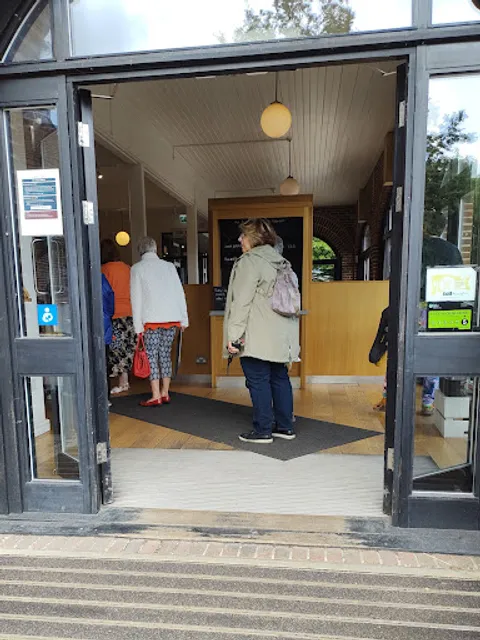
The estate itself is large with ample parking, though it was very busy when I visited. On arrival, you pass the café first — it was crowded and had the feel of a school dinner hall, but the food was half decent. In good weather, you can sit outside and enjoy your meal.
Just beyond is the shop, which includes a small garden section alongside the usual National Trust products, with some items themed around Churchill and the house.
Opposite is the entrance to the house and gardens. A word of warning: make sure you’ve sorted your parking before entering. Payment is via an app, and with no mobile signal on-site you’ll need to connect to the free WiFi. The app itself is fiddly and not intuitive, which I found irritating — though as a member, my ticket was ultimately free.
Inside, you’re warmly greeted by knowledgeable volunteers and staff who guide you around the best route and share historical context if you want to hear more. The house itself is large yet homely, filled with Churchill’s life, both personal and political. The displays are well presented, informative, and do an excellent job of telling his story.
A real highlight is Churchill’s artist’s studio, which showcases many of his paintings. He was always open about his limitations as an artist, but his enjoyment of the hobby is evident in the works — and they are impressive in their own right.
The gardens and estate are also lovely to walk around, though you’ll need sensible shoes as some areas are uneven.
Overall, I was delighted with the visit. This was my third time at Chartwell, and there is always...
Read moreChartwell – A Beautiful and Inspiring Journey Into History
Visiting Chartwell is a deeply rewarding experience — not just for those interested in Winston Churchill, but for anyone who appreciates history, art, nature, and beautifully preserved heritage.
The House: The house itself is wonderfully maintained, offering a genuine glimpse into Churchill’s private life. It feels personal, not overly formal — filled with original furnishings, family photos, and countless thoughtful details that tell the story of the man behind the public image. Walking through the rooms where he lived, wrote, and reflected gives you a real sense of his character.
What makes the visit even more special is the presence of National Trust staff and volunteers in each room. They are incredibly knowledgeable, approachable, and clearly passionate about the place. Rather than simply reading plaques, you’re treated to rich, engaging conversations that bring Churchill’s life and legacy into sharper focus. You can ask questions and always get insightful answers — it feels more like a guided journey than just a museum visit.
The Gardens and Grounds: The gardens are stunning — a blend of formal beauty and natural tranquility. From the rose garden to the lakes, studio, and woodland walks, there’s plenty to explore and enjoy. The view from the house across the Weald of Kent is breathtaking — it’s easy to see why Churchill loved it here.
The studio, where many of his paintings are displayed, is a highlight. It adds yet another layer to understanding Churchill — not just as a leader, but as a creative spirit and a man in search of peace.
Café and Facilities: The café serves good-quality food and drink with plenty of indoor and outdoor seating. There’s also a well-stocked shop and facilities that are clean and thoughtfully maintained.
Final Thoughts: Chartwell is more than a historic house — it’s a place filled with atmosphere, stories, and natural beauty. The combination of history, landscape, and warm, informative staff makes it one of the most enjoyable and meaningful National Trust properties I’ve visited. Whether you’re a Churchill enthusiast or simply someone who enjoys stepping into the past, Chartwell is absolutely...
Read more