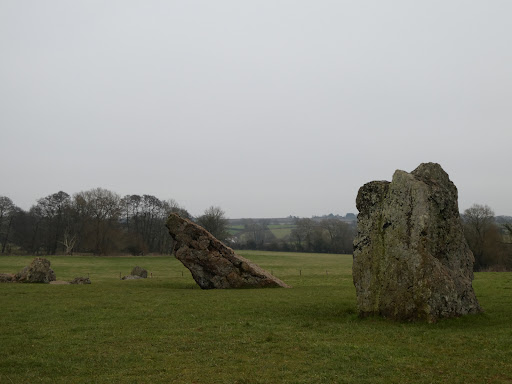
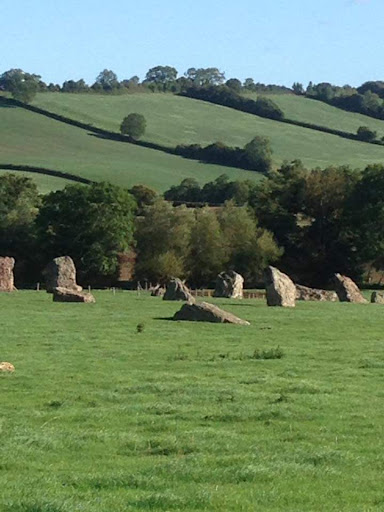
Stanton Drew Circles and Cove things to do, attractions, restaurants, events info and trip planning
Basic Info
Stanton Drew Circles and Cove
Stanton Drew, Somerset BS39 4EW, United Kingdom
4.5(323)
Open until 12:00 AM

tickets
Save
spot
spot
Ratings & Description
Info
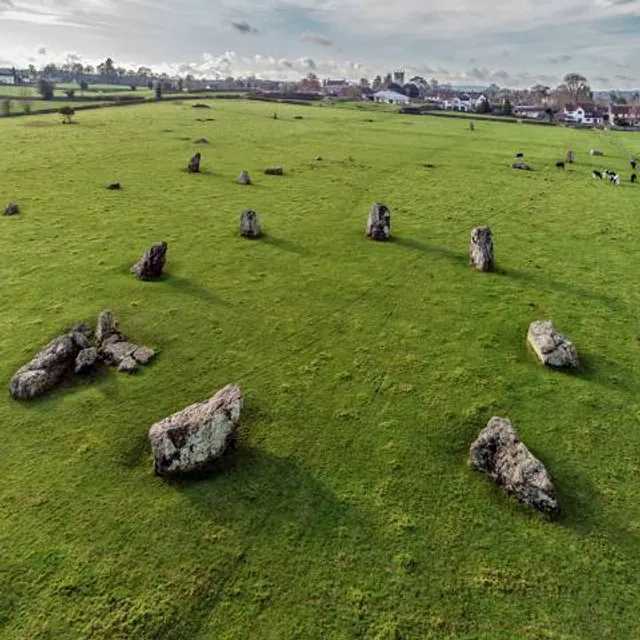
The Stanton Drew stone circles are just outside the village of Stanton Drew in the English county of Somerset. The largest stone circle is the Great Circle, 113 metres in diameter and the second largest stone circle in Britain; it is considered to be one of the largest Neolithic monuments to have been built.
Cultural
Outdoor
Scenic
Family friendly
Off the beaten path
attractions: The Round House, Stanton Drew, restaurants: The Druid's Arms, The Cafe Box, local businesses:
 Learn more insights from Wanderboat AI.
Phone
+44 370 333 1181
Website
english-heritage.org.uk
Open hoursSee all hours
WedOpen 24 hoursOpen
Plan your stay

Pet-friendly Hotels in Stanton Drew
Find a cozy hotel nearby and make it a full experience.

Affordable Hotels in Stanton Drew
Find a cozy hotel nearby and make it a full experience.

The Coolest Hotels You Haven't Heard Of (Yet)
Find a cozy hotel nearby and make it a full experience.

Trending Stays Worth the Hype in Stanton Drew
Find a cozy hotel nearby and make it a full experience.
Reviews
Live events

Sheep Herding
Sat, Jan 24 • 10:00 AM
Winsley, BA15, United Kingdom
View details

Craft wildflower and copper foiling art
Fri, Jan 23 • 11:00 AM
Easton, BS5 6JF, United Kingdom
View details

Candlelight: Queen vs. ABBA
Fri, Jan 23 • 9:00 PM
High Street, Bath, BA1 5AW
View details
Nearby attractions of Stanton Drew Circles and Cove
The Round House, Stanton Drew
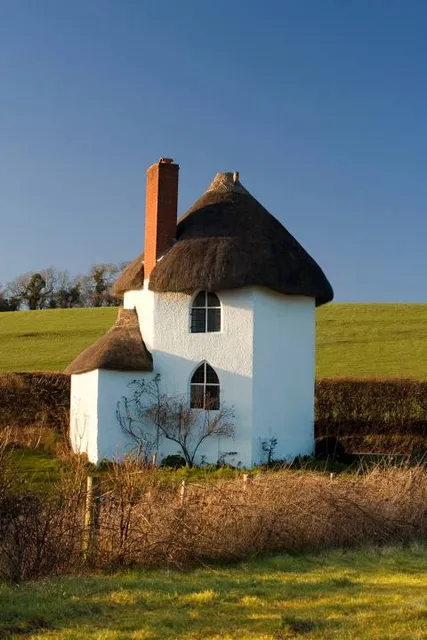
The Round House, Stanton Drew
4.3
(26)
Open 24 hours
Click for details
Nearby restaurants of Stanton Drew Circles and Cove
The Druid's Arms
The Cafe Box
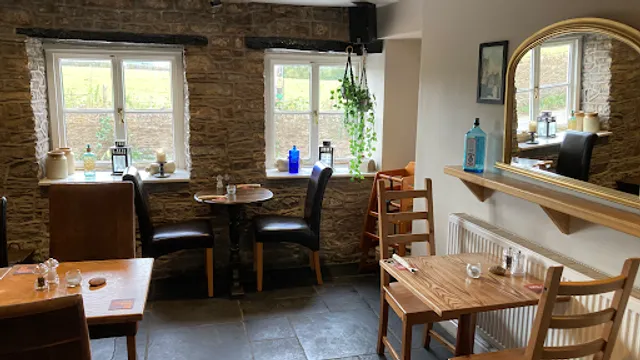
The Druid's Arms
4.7
(350)
Closed
Click for details

The Cafe Box
4.9
(74)
Open until 12:00 AM
Click for details