HTML SitemapExplore
logo
Find Things to DoFind The Best Restaurants

National Trust - Ightham Mote — Attraction in Tonbridge and Malling

Name
National Trust - Ightham Mote
Description
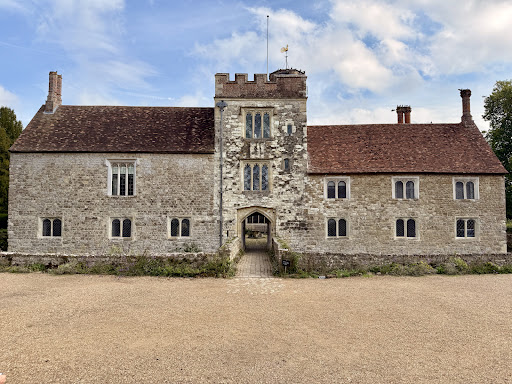
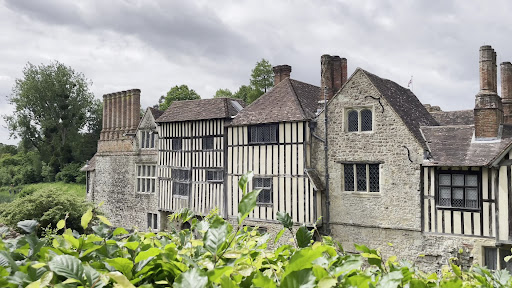
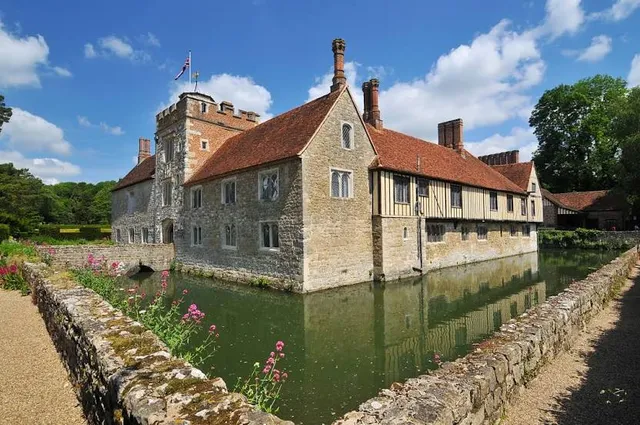
Ightham Mote, at Ightham, is a medieval moated manor house in Kent, England. The architectural writer John Newman describes it as "the most complete small medieval manor house in the county". Ightham Mote and its gardens are owned by the National Trust and are open to the public.
Nearby attractions
Nearby restaurants
The Plough, Ivy Hatch
High Cross Rd, Ivy Hatch, Sevenoaks TN15 0NL, United Kingdom
Nearby hotels
Related posts
Keywords
National Trust - Ightham Mote tourism.National Trust - Ightham Mote hotels.National Trust - Ightham Mote bed and breakfast. flights to National Trust - Ightham Mote.National Trust - Ightham Mote attractions.National Trust - Ightham Mote restaurants.National Trust - Ightham Mote travel.National Trust - Ightham Mote travel guide.National Trust - Ightham Mote travel blog.National Trust - Ightham Mote pictures.National Trust - Ightham Mote photos.National Trust - Ightham Mote travel tips.National Trust - Ightham Mote maps.National Trust - Ightham Mote things to do.
National Trust - Ightham Mote things to do, attractions, restaurants, events info and trip planning
National Trust - Ightham Mote
United KingdomEnglandTonbridge and MallingNational Trust - Ightham Mote

Basic Info

National Trust - Ightham Mote

Mote Rd, Ivy Hatch, Sevenoaks TN15 0NT, United Kingdom
4.7(2.2K)$$$$
Open until 5:00 PM
Save
spot

Ratings & Description

Info

Ightham Mote, at Ightham, is a medieval moated manor house in Kent, England. The architectural writer John Newman describes it as "the most complete small medieval manor house in the county". Ightham Mote and its gardens are owned by the National Trust and are open to the public.

Cultural
Outdoor
Family friendly
Accessibility
attractions: , restaurants: The Plough, Ivy Hatch
logoLearn more insights from Wanderboat AI.
Phone
+44 1732 810378
Website
nationaltrust.org.uk
Open hoursSee all hours
Fri10 AM - 5 PMOpen

Plan your stay

hotel
Pet-friendly Hotels in Tonbridge and Malling
Find a cozy hotel nearby and make it a full experience.

hotel
Affordable Hotels in Tonbridge and Malling
Find a cozy hotel nearby and make it a full experience.

hotel
The Coolest Hotels You Haven't Heard Of (Yet)
Find a cozy hotel nearby and make it a full experience.

hotel
Trending Stays Worth the Hype in Tonbridge and Malling
Find a cozy hotel nearby and make it a full experience.

Reviews

Things to do nearby

Candlelight: Hans Zimmers Best Works
Thu, Dec 11 • 9:00 PM
Northgate, The Precinct, Rochester, ME1 1LS
View details
Groom and walk miniature ponies near London
Sun, Dec 7 • 11:30 AM
Knockholt, TN14 7LD, United Kingdom
View details
Make pottery on the wheel
Mon, Dec 8 • 6:30 AM
East Sussex, 00000, United Kingdom
View details

Nearby restaurants of National Trust - Ightham Mote

The Plough, Ivy Hatch
The Plough, Ivy Hatch

The Plough, Ivy Hatch

4.3

(250)

$$

Click for details
Get the Appoverlay
Get the AppOne tap to find yournext favorite spots!
Wanderboat LogoWanderboat

Your everyday Al companion for getaway ideas

CompanyAbout Us
InformationAI Trip PlannerSitemap
SocialXInstagramTiktokLinkedin
LegalTerms of ServicePrivacy Policy

Get the app

© 2025 Wanderboat. All rights reserved.
logo

Reviews of National Trust - Ightham Mote

4.7
(2,188)
avatar
5.0
9w

Quick Takeaways

🏰 Fascinating National Trust property with a mix of historic buildings and grounds

🚗 Sat nav may direct you to the old entrance — car park is a few hundred yards further on

🅿️ Easy parking and short walk to the main entrance

🏛️ House is well presented with engaging exhibits; volunteers add valuable insight

⚔️ Special exhibits include WW2 displays, family/staff history, and a WW1 Victoria Cross

🌳 Grounds are well kept — enjoy a short stroll or a longer countryside walk

☕ Café serves good coffee and standard NT food at fair prices

🛍️ Large, well-stocked shop (one of the biggest in the NT)

⏱️ Allow a couple of hours to explore fully

Full Review

Ightham Mote is a very interesting property managed by the National Trust. Getting there was straightforward, though it’s worth noting that the sat nav directs you to the old entrance — you need to continue a few hundred yards further to reach the car park.

Parking is easy and it’s only a short walk to the main entrance. The site itself includes several buildings to explore, such as a couple of second-hand bookshops, a gallery, a coffee shop, the main National Trust shop, and of course, the house itself.

The house doesn’t disappoint. It’s well displayed with interesting and engaging exhibits, and the experience is made even better by the knowledgeable volunteers who share insights into the rooms and their history.

When I visited, there was a special WW2 exhibit featuring uniforms, artefacts, and interpretive panels telling the stories of the family and staff who served. There was also a section highlighting a Victoria Cross awarded during WW1, which added further depth to the visit.

The grounds are beautifully kept and pleasant to walk around. You can either stay within the immediate perimeter of the house or take a longer circular walk into the surrounding countryside.

The café served hot, tasty coffee along with the standard National Trust food and snacks at a reasonable price. The shop, one of the largest I’ve seen at a National Trust property, was well stocked with the usual high-quality items.

Overall, Ightham Mote is well worth a visit and can easily take up a couple of hours...

   Read more
avatar
5.0
2y

Wonderful, beautiful house. A lovely mix of very, very old architecture with design elements all the way up to the 80s, which always makes me laugh but I suppose the older I get the less funny it will get that the decade of my birth is considered "Historical" best not dwell on that.

The gardens are extensive but there are also options for staying on well maintained pathways, not exclusively gravel though there is some. The entrance way includes a pretty steep hill but there is the option of a little accessible bus that will take you up.

Site includes a mini-library/bookshop and a small overstock plant honesty box (plants they are growing on site) as well as a proper National Trust Gift shop and Café featuring all the classics. Their beeswax table polish is amazing.

The top of the site runs up to gardens and an art studio which runs events and I think is also rentable.

The house itself is a lot of twisty bits and stairs on multiple levels so may not be accessible for all, certainly not to wheelchairs.

There's a room watching the documentary - the £10million house - about the refurb. So if you can't manage the twistiness you can probably watch that at home.

The main library and billiard room are both downstairs so more accessible. The environment is whisper quiet and everyone is very respectful of that so if you struggle with sound that should make your life pretty comfortable. However, the routes around the house will make extracting (or escaping) unexpected noises difficult without a little foresight.

All the guides are friendly and helpful, a range of ages and different expertise. They are always looking for volunteers.

If you like interior and exterior architecture hunting, this is a good house for you. Probably comparable to Harewood House in Yorkshire age wise, though somewhat smaller.

Part of the house is still inhabited.

I spent most of my time trying to spot Jewel Blue Demoiselle Dragonflies and failing to photograph them over the Moat.

Hope you...

   Read more
avatar
2.0
1y

The house is lovely, the surrounding countryside is great (Look for White Rocks Farm for a well priced farm shop out on the footpaths). The place is situated in a sunken valley. Please note the circular walk is fairly challenging and hilly. Download a full map with the NT directions, otherwise you'll probably make a wrong turn.

Now for the quibbles. The inside of the house completely lacked information about the history of the place - the Tudor history info was nowhere to be seen. This seriously reduces the quality of the experience. Because there's no mobile signal there you can't just open Wikipedia to educate yourself as you walk around - the fact I felt I had to use Wikipedia shows how informationally light it is.

Strangely, John Singer Sargent (the painter) had loads of information about him and his connection to the place but very little else. Fans of art history might enjoy that but it's a very partial and limited representation.

I left the place knowing next to nothing about the history of the estate. So here's some information about it:

The architectural writer John Newman describes it as "the most complete small medieval manor house in the county".

The origins of the house date from circa 1340–1360. The earliest recorded owner is Sir Thomas Cawne, who fought in France with Edward the Black Prince and who acquired the Mote in the 1360s. He died in 1374 and there is a memorial to him in St Peter’s Church. In 1399 on the death of his son Robert the house passed by the marriage of Robert’s daughter Alice to Nicholas Haute and their descendants, their grandson Richard Haute being Sheriff of Kent in the late 15th century. It was then purchased in 1521 by the courtier Sir Richard Clement (d.1538). In 1591, Sir William Selby bought the estate.

(There's a starter for the earlier history of the estate).

The grounds themselves are nice but nothing astonishing. The trees feel a bit hodgepodge and the garden isn't...

   Read more
Page 1 of 7
Previous
Next

Posts

MilPoPoMilPoPo
Quick Takeaways 🏰 Fascinating National Trust property with a mix of historic buildings and grounds 🚗 Sat nav may direct you to the old entrance — car park is a few hundred yards further on 🅿️ Easy parking and short walk to the main entrance 🏛️ House is well presented with engaging exhibits; volunteers add valuable insight ⚔️ Special exhibits include WW2 displays, family/staff history, and a WW1 Victoria Cross 🌳 Grounds are well kept — enjoy a short stroll or a longer countryside walk ☕ Café serves good coffee and standard NT food at fair prices 🛍️ Large, well-stocked shop (one of the biggest in the NT) ⏱️ Allow a couple of hours to explore fully Full Review Ightham Mote is a very interesting property managed by the National Trust. Getting there was straightforward, though it’s worth noting that the sat nav directs you to the old entrance — you need to continue a few hundred yards further to reach the car park. Parking is easy and it’s only a short walk to the main entrance. The site itself includes several buildings to explore, such as a couple of second-hand bookshops, a gallery, a coffee shop, the main National Trust shop, and of course, the house itself. The house doesn’t disappoint. It’s well displayed with interesting and engaging exhibits, and the experience is made even better by the knowledgeable volunteers who share insights into the rooms and their history. When I visited, there was a special WW2 exhibit featuring uniforms, artefacts, and interpretive panels telling the stories of the family and staff who served. There was also a section highlighting a Victoria Cross awarded during WW1, which added further depth to the visit. The grounds are beautifully kept and pleasant to walk around. You can either stay within the immediate perimeter of the house or take a longer circular walk into the surrounding countryside. The café served hot, tasty coffee along with the standard National Trust food and snacks at a reasonable price. The shop, one of the largest I’ve seen at a National Trust property, was well stocked with the usual high-quality items. Overall, Ightham Mote is well worth a visit and can easily take up a couple of hours of your day.
Coralie TCoralie T
Wonderful, beautiful house. A lovely mix of very, very old architecture with design elements all the way up to the 80s, which always makes me laugh but I suppose the older I get the less funny it will get that the decade of my birth is considered "Historical" best not dwell on that. The gardens are extensive but there are also options for staying on well maintained pathways, not exclusively gravel though there is some. The entrance way includes a pretty steep hill but there is the option of a little accessible bus that will take you up. Site includes a mini-library/bookshop and a small overstock plant honesty box (plants they are growing on site) as well as a proper National Trust Gift shop and Café featuring all the classics. Their beeswax table polish is amazing. The top of the site runs up to gardens and an art studio which runs events and I think is also rentable. The house itself is a lot of twisty bits and stairs on multiple levels so may not be accessible for all, certainly not to wheelchairs. There's a room watching the documentary - the £10million house - about the refurb. So if you can't manage the twistiness you can probably watch that at home. The main library and billiard room are both downstairs so more accessible. The environment is whisper quiet and everyone is very respectful of that so if you struggle with sound that should make your life pretty comfortable. However, the routes around the house will make extracting (or escaping) unexpected noises difficult without a little foresight. All the guides are friendly and helpful, a range of ages and different expertise. They are always looking for volunteers. If you like interior and exterior architecture hunting, this is a good house for you. Probably comparable to Harewood House in Yorkshire age wise, though somewhat smaller. Part of the house is still inhabited. I spent most of my time trying to spot Jewel Blue Demoiselle Dragonflies and failing to photograph them over the Moat. Hope you enjoy your day!
Tom BombadilTom Bombadil
The house is lovely, the surrounding countryside is great (Look for White Rocks Farm for a well priced farm shop out on the footpaths). The place is situated in a sunken valley. Please note the circular walk is fairly challenging and hilly. Download a full map with the NT directions, otherwise you'll probably make a wrong turn. Now for the quibbles. The inside of the house completely lacked information about the history of the place - the Tudor history info was nowhere to be seen. This seriously reduces the quality of the experience. Because there's no mobile signal there you can't just open Wikipedia to educate yourself as you walk around - the fact I felt I had to use Wikipedia shows how informationally light it is. Strangely, John Singer Sargent (the painter) had loads of information about him and his connection to the place but very little else. Fans of art history might enjoy that but it's a very partial and limited representation. I left the place knowing next to nothing about the history of the estate. So here's some information about it: The architectural writer John Newman describes it as "the most complete small medieval manor house in the county". The origins of the house date from circa 1340–1360. The earliest recorded owner is Sir Thomas Cawne, who fought in France with Edward the Black Prince and who acquired the Mote in the 1360s. He died in 1374 and there is a memorial to him in St Peter’s Church. In 1399 on the death of his son Robert the house passed by the marriage of Robert’s daughter Alice to Nicholas Haute and their descendants, their grandson Richard Haute being Sheriff of Kent in the late 15th century. It was then purchased in 1521 by the courtier Sir Richard Clement (d.1538). In 1591, Sir William Selby bought the estate. (There's a starter for the earlier history of the estate). The grounds themselves are nice but nothing astonishing. The trees feel a bit hodgepodge and the garden isn't very curated.
See more posts
See more posts
hotel
Find your stay

Pet-friendly Hotels in Tonbridge and Malling

Find a cozy hotel nearby and make it a full experience.

Quick Takeaways 🏰 Fascinating National Trust property with a mix of historic buildings and grounds 🚗 Sat nav may direct you to the old entrance — car park is a few hundred yards further on 🅿️ Easy parking and short walk to the main entrance 🏛️ House is well presented with engaging exhibits; volunteers add valuable insight ⚔️ Special exhibits include WW2 displays, family/staff history, and a WW1 Victoria Cross 🌳 Grounds are well kept — enjoy a short stroll or a longer countryside walk ☕ Café serves good coffee and standard NT food at fair prices 🛍️ Large, well-stocked shop (one of the biggest in the NT) ⏱️ Allow a couple of hours to explore fully Full Review Ightham Mote is a very interesting property managed by the National Trust. Getting there was straightforward, though it’s worth noting that the sat nav directs you to the old entrance — you need to continue a few hundred yards further to reach the car park. Parking is easy and it’s only a short walk to the main entrance. The site itself includes several buildings to explore, such as a couple of second-hand bookshops, a gallery, a coffee shop, the main National Trust shop, and of course, the house itself. The house doesn’t disappoint. It’s well displayed with interesting and engaging exhibits, and the experience is made even better by the knowledgeable volunteers who share insights into the rooms and their history. When I visited, there was a special WW2 exhibit featuring uniforms, artefacts, and interpretive panels telling the stories of the family and staff who served. There was also a section highlighting a Victoria Cross awarded during WW1, which added further depth to the visit. The grounds are beautifully kept and pleasant to walk around. You can either stay within the immediate perimeter of the house or take a longer circular walk into the surrounding countryside. The café served hot, tasty coffee along with the standard National Trust food and snacks at a reasonable price. The shop, one of the largest I’ve seen at a National Trust property, was well stocked with the usual high-quality items. Overall, Ightham Mote is well worth a visit and can easily take up a couple of hours of your day.
MilPoPo

MilPoPo

hotel
Find your stay

Affordable Hotels in Tonbridge and Malling

Find a cozy hotel nearby and make it a full experience.

Get the Appoverlay
Get the AppOne tap to find yournext favorite spots!
Wonderful, beautiful house. A lovely mix of very, very old architecture with design elements all the way up to the 80s, which always makes me laugh but I suppose the older I get the less funny it will get that the decade of my birth is considered "Historical" best not dwell on that. The gardens are extensive but there are also options for staying on well maintained pathways, not exclusively gravel though there is some. The entrance way includes a pretty steep hill but there is the option of a little accessible bus that will take you up. Site includes a mini-library/bookshop and a small overstock plant honesty box (plants they are growing on site) as well as a proper National Trust Gift shop and Café featuring all the classics. Their beeswax table polish is amazing. The top of the site runs up to gardens and an art studio which runs events and I think is also rentable. The house itself is a lot of twisty bits and stairs on multiple levels so may not be accessible for all, certainly not to wheelchairs. There's a room watching the documentary - the £10million house - about the refurb. So if you can't manage the twistiness you can probably watch that at home. The main library and billiard room are both downstairs so more accessible. The environment is whisper quiet and everyone is very respectful of that so if you struggle with sound that should make your life pretty comfortable. However, the routes around the house will make extracting (or escaping) unexpected noises difficult without a little foresight. All the guides are friendly and helpful, a range of ages and different expertise. They are always looking for volunteers. If you like interior and exterior architecture hunting, this is a good house for you. Probably comparable to Harewood House in Yorkshire age wise, though somewhat smaller. Part of the house is still inhabited. I spent most of my time trying to spot Jewel Blue Demoiselle Dragonflies and failing to photograph them over the Moat. Hope you enjoy your day!
Coralie T

Coralie T

hotel
Find your stay

The Coolest Hotels You Haven't Heard Of (Yet)

Find a cozy hotel nearby and make it a full experience.

hotel
Find your stay

Trending Stays Worth the Hype in Tonbridge and Malling

Find a cozy hotel nearby and make it a full experience.

The house is lovely, the surrounding countryside is great (Look for White Rocks Farm for a well priced farm shop out on the footpaths). The place is situated in a sunken valley. Please note the circular walk is fairly challenging and hilly. Download a full map with the NT directions, otherwise you'll probably make a wrong turn. Now for the quibbles. The inside of the house completely lacked information about the history of the place - the Tudor history info was nowhere to be seen. This seriously reduces the quality of the experience. Because there's no mobile signal there you can't just open Wikipedia to educate yourself as you walk around - the fact I felt I had to use Wikipedia shows how informationally light it is. Strangely, John Singer Sargent (the painter) had loads of information about him and his connection to the place but very little else. Fans of art history might enjoy that but it's a very partial and limited representation. I left the place knowing next to nothing about the history of the estate. So here's some information about it: The architectural writer John Newman describes it as "the most complete small medieval manor house in the county". The origins of the house date from circa 1340–1360. The earliest recorded owner is Sir Thomas Cawne, who fought in France with Edward the Black Prince and who acquired the Mote in the 1360s. He died in 1374 and there is a memorial to him in St Peter’s Church. In 1399 on the death of his son Robert the house passed by the marriage of Robert’s daughter Alice to Nicholas Haute and their descendants, their grandson Richard Haute being Sheriff of Kent in the late 15th century. It was then purchased in 1521 by the courtier Sir Richard Clement (d.1538). In 1591, Sir William Selby bought the estate. (There's a starter for the earlier history of the estate). The grounds themselves are nice but nothing astonishing. The trees feel a bit hodgepodge and the garden isn't very curated.
Tom Bombadil

Tom Bombadil

See more posts
See more posts