HTML SitemapExplore
logo
Find Things to DoFind The Best Restaurants

King Arthur's Stone Dolmen — Attraction in Wales

Name
King Arthur's Stone Dolmen
Description
Nearby attractions
Gower National Landscape
Swansea SA1 3SN, United Kingdom
Nearby restaurants
Nearby hotels
Little Avalon
c/o Avalon House, Gower, Reynoldston SA3 1AE, United Kingdom
Related posts
Keywords
King Arthur's Stone Dolmen tourism.King Arthur's Stone Dolmen hotels.King Arthur's Stone Dolmen bed and breakfast. flights to King Arthur's Stone Dolmen.King Arthur's Stone Dolmen attractions.King Arthur's Stone Dolmen restaurants.King Arthur's Stone Dolmen travel.King Arthur's Stone Dolmen travel guide.King Arthur's Stone Dolmen travel blog.King Arthur's Stone Dolmen pictures.King Arthur's Stone Dolmen photos.King Arthur's Stone Dolmen travel tips.King Arthur's Stone Dolmen maps.King Arthur's Stone Dolmen things to do.
King Arthur's Stone Dolmen things to do, attractions, restaurants, events info and trip planning
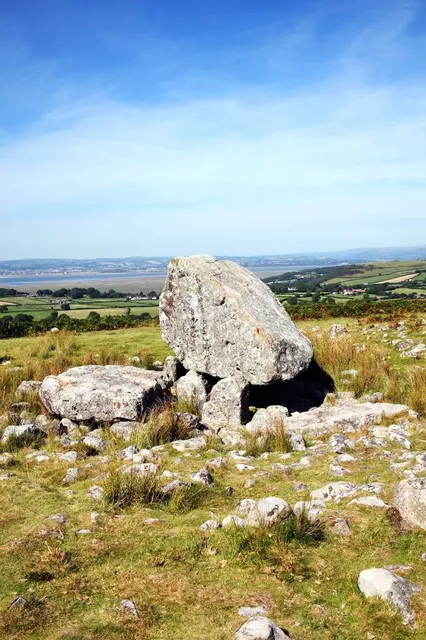
King Arthur's Stone Dolmen
United KingdomWalesKing Arthur's Stone Dolmen

Basic Info

King Arthur's Stone Dolmen

Swansea SA3 1AE, United Kingdom
4.6(179)
Open until 12:00 AM
Save
spot

Ratings & Description

Info

Cultural
Outdoor
Scenic
Off the beaten path
attractions: Gower National Landscape, restaurants:
logoLearn more insights from Wanderboat AI.
Website
discoveringbritain.org
Open hoursSee all hours
FriOpen 24 hoursOpen

Plan your stay

hotel
Pet-friendly Hotels in Wales
Find a cozy hotel nearby and make it a full experience.

hotel
Affordable Hotels in Wales
Find a cozy hotel nearby and make it a full experience.

hotel
The Coolest Hotels You Haven't Heard Of (Yet)
Find a cozy hotel nearby and make it a full experience.

hotel
Trending Stays Worth the Hype in Wales
Find a cozy hotel nearby and make it a full experience.

Reviews

Nearby attractions of King Arthur's Stone Dolmen

Gower National Landscape
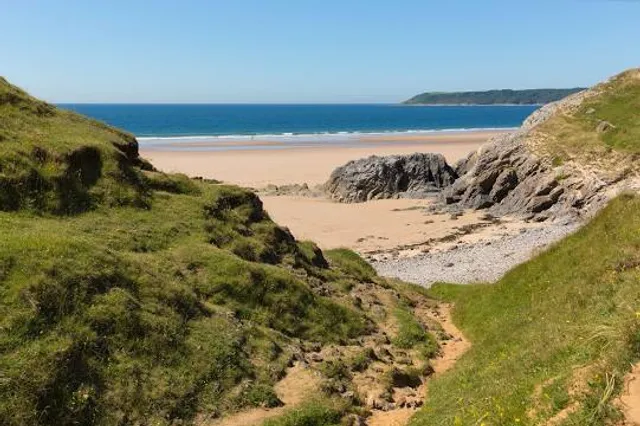
Gower National Landscape

Gower National Landscape

4.9

(557)

Open until 12:00 AM
Click for details
Get the Appoverlay
Get the AppOne tap to find yournext favorite spots!
Wanderboat LogoWanderboat

Your everyday Al companion for getaway ideas

CompanyAbout Us
InformationAI Trip PlannerSitemap
SocialXInstagramTiktokLinkedin
LegalTerms of ServicePrivacy Policy

Get the app

© 2025 Wanderboat. All rights reserved.
logo

Reviews of King Arthur's Stone Dolmen

4.6
(179)
avatar
5.0
2y

Amazing to see a remnant of the last Ice Age and a Neolithic tomb, set within an internationally important area for wildlife. Worth visiting for the spectacular views across the Loughor Estuary. Arthur's Stone is a 25-ton glacial boulder, deposited in the last Ice Age by the retreating ice sheet; this is known as an erratic. Around 5000 years ago in the New Stone Age Neolithic people excavated under the boulder and propped it up to create a double-chambered tomb with the boulder acting as the capstone. Many myths and legends surround the stone. The best known is that whilst in Carmarthenshire, King Arthur found a pebble in his shoe and threw it over the Loughor Estuary where it landed on Cefn Bryn Common, having grown in size from being touched by the hand of the King. Cefn Bryn Common is designated a Special Area of Conservation and a Site of Special Scientific Interest because of the habitats and species it supports. On your walk up to Arthur's Stone look out for flowering plants. In spring to mid-summer you can see the carnivorous plant sundew. In summer and autumn flowering gorse, heather and crossed leaved heath form swathes of yellow and purple. On a summer evening you might even be lucky enough to spot a southern damselfly, Cefn Bryn is one of only a handful of locations for the species in...

   Read more
avatar
5.0
2y

Amazing, powerful site... Reputedly, the capstone placement was one of the three herculean tasks of Britain, documented in the Welsh Triads.

Rich in history and folklore; some say Saint David split the stone to prove to the pagans it was not sacred, summoned a spring, and converted many heathens...

There are many tales of maidens performing rituals at midnight, giving offerings and testing the loyalty of their future husbands...

Some say the stone was simply cracked by local stone masons requiring a mill stone but was found unsuitable, but much more exciting is a link to the Celtic Goddess Ceridwen and possibly even to 'the great flood'.

Watch a video with more info on our YouTube channel, CoralJackz, or read more on our Facebook page, Coraljackz...

   Read more
avatar
5.0
2y

I must admit to being slightly underwhelmed by King Arthur’s Stone itself. At an estimated mass of 25 tons, I expected this glacial boulder to be larger than it is. The most fascinating thing to me, however, is that the ground under the stone was excavated to create a burial chamber, and other stones were then inserted to provide support. It therefore became the capstone of a Neolithic tomb, dating from 4400 BC.

I like the fact that the site isn’t marketed as a tourist attraction. The nearby car park is free of charge (but beware, as it’s deeply rutted with large potholes) and it’s only a few minutes’ walk (over fairly easy terrain) to the stone/tomb.

The views across the estuary are lovely and the Gower ponies, grazing by the car park, are an...

   Read more
Page 1 of 7
Previous
Next

Posts

Steven AldridgeSteven Aldridge
Amazing to see a remnant of the last Ice Age and a Neolithic tomb, set within an internationally important area for wildlife. Worth visiting for the spectacular views across the Loughor Estuary. Arthur's Stone is a 25-ton glacial boulder, deposited in the last Ice Age by the retreating ice sheet; this is known as an erratic. Around 5000 years ago in the New Stone Age Neolithic people excavated under the boulder and propped it up to create a double-chambered tomb with the boulder acting as the capstone. Many myths and legends surround the stone. The best known is that whilst in Carmarthenshire, King Arthur found a pebble in his shoe and threw it over the Loughor Estuary where it landed on Cefn Bryn Common, having grown in size from being touched by the hand of the King. Cefn Bryn Common is designated a Special Area of Conservation and a Site of Special Scientific Interest because of the habitats and species it supports. On your walk up to Arthur's Stone look out for flowering plants. In spring to mid-summer you can see the carnivorous plant sundew. In summer and autumn flowering gorse, heather and crossed leaved heath form swathes of yellow and purple. On a summer evening you might even be lucky enough to spot a southern damselfly, Cefn Bryn is one of only a handful of locations for the species in South Wales.
CoralJackzCoralJackz
Amazing, powerful site... Reputedly, the capstone placement was one of the three herculean tasks of Britain, documented in the Welsh Triads. Rich in history and folklore; some say Saint David split the stone to prove to the pagans it was not sacred, summoned a spring, and converted many heathens... There are many tales of maidens performing rituals at midnight, giving offerings and testing the loyalty of their future husbands... Some say the stone was simply cracked by local stone masons requiring a mill stone but was found unsuitable, but much more exciting is a link to the Celtic Goddess Ceridwen and possibly even to 'the great flood'. Watch a video with more info on our YouTube channel, CoralJackz, or read more on our Facebook page, Coraljackz Tales & Trails...
David SimkinsDavid Simkins
I must admit to being slightly underwhelmed by King Arthur’s Stone itself. At an estimated mass of 25 tons, I expected this glacial boulder to be larger than it is. The most fascinating thing to me, however, is that the ground under the stone was excavated to create a burial chamber, and other stones were then inserted to provide support. It therefore became the capstone of a Neolithic tomb, dating from 4400 BC. I like the fact that the site isn’t marketed as a tourist attraction. The nearby car park is free of charge (but beware, as it’s deeply rutted with large potholes) and it’s only a few minutes’ walk (over fairly easy terrain) to the stone/tomb. The views across the estuary are lovely and the Gower ponies, grazing by the car park, are an added attraction.
See more posts
See more posts
hotel
Find your stay

Pet-friendly Hotels in Wales

Find a cozy hotel nearby and make it a full experience.

Amazing to see a remnant of the last Ice Age and a Neolithic tomb, set within an internationally important area for wildlife. Worth visiting for the spectacular views across the Loughor Estuary. Arthur's Stone is a 25-ton glacial boulder, deposited in the last Ice Age by the retreating ice sheet; this is known as an erratic. Around 5000 years ago in the New Stone Age Neolithic people excavated under the boulder and propped it up to create a double-chambered tomb with the boulder acting as the capstone. Many myths and legends surround the stone. The best known is that whilst in Carmarthenshire, King Arthur found a pebble in his shoe and threw it over the Loughor Estuary where it landed on Cefn Bryn Common, having grown in size from being touched by the hand of the King. Cefn Bryn Common is designated a Special Area of Conservation and a Site of Special Scientific Interest because of the habitats and species it supports. On your walk up to Arthur's Stone look out for flowering plants. In spring to mid-summer you can see the carnivorous plant sundew. In summer and autumn flowering gorse, heather and crossed leaved heath form swathes of yellow and purple. On a summer evening you might even be lucky enough to spot a southern damselfly, Cefn Bryn is one of only a handful of locations for the species in South Wales.
Steven Aldridge

Steven Aldridge

hotel
Find your stay

Affordable Hotels in Wales

Find a cozy hotel nearby and make it a full experience.

Get the Appoverlay
Get the AppOne tap to find yournext favorite spots!
Amazing, powerful site... Reputedly, the capstone placement was one of the three herculean tasks of Britain, documented in the Welsh Triads. Rich in history and folklore; some say Saint David split the stone to prove to the pagans it was not sacred, summoned a spring, and converted many heathens... There are many tales of maidens performing rituals at midnight, giving offerings and testing the loyalty of their future husbands... Some say the stone was simply cracked by local stone masons requiring a mill stone but was found unsuitable, but much more exciting is a link to the Celtic Goddess Ceridwen and possibly even to 'the great flood'. Watch a video with more info on our YouTube channel, CoralJackz, or read more on our Facebook page, Coraljackz Tales & Trails...
CoralJackz

CoralJackz

hotel
Find your stay

The Coolest Hotels You Haven't Heard Of (Yet)

Find a cozy hotel nearby and make it a full experience.

hotel
Find your stay

Trending Stays Worth the Hype in Wales

Find a cozy hotel nearby and make it a full experience.

I must admit to being slightly underwhelmed by King Arthur’s Stone itself. At an estimated mass of 25 tons, I expected this glacial boulder to be larger than it is. The most fascinating thing to me, however, is that the ground under the stone was excavated to create a burial chamber, and other stones were then inserted to provide support. It therefore became the capstone of a Neolithic tomb, dating from 4400 BC. I like the fact that the site isn’t marketed as a tourist attraction. The nearby car park is free of charge (but beware, as it’s deeply rutted with large potholes) and it’s only a few minutes’ walk (over fairly easy terrain) to the stone/tomb. The views across the estuary are lovely and the Gower ponies, grazing by the car park, are an added attraction.
David Simkins

David Simkins

See more posts
See more posts