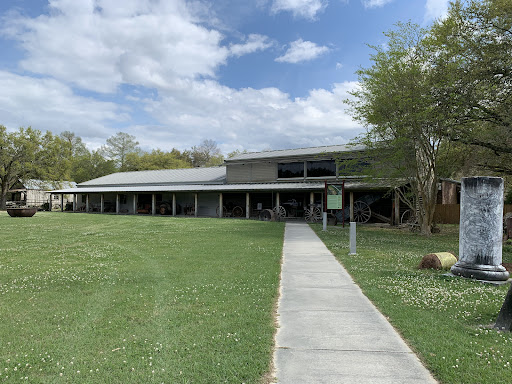
The museum was great, it was a scenic, though kind of confusing, trip back to the museum from essen. The main building was bigger than i thought and i wasnt aware until i got here how many buildings there were to see.
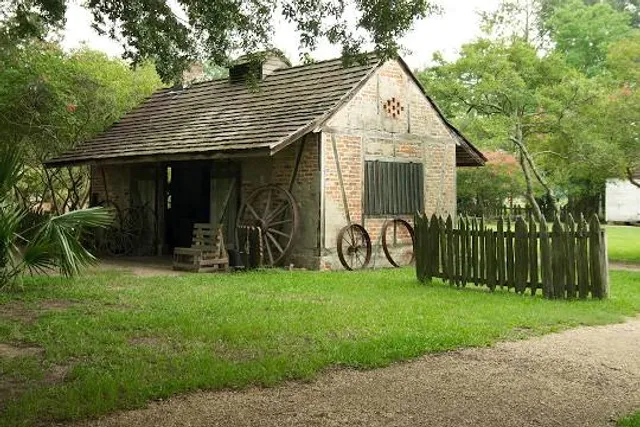
One of the impressions i got from reviews were that the museum would exclusively show slave life and history of slavery so i was going with that in mind and im really not sure if those reviewers looked at the whole museum because while there is a big slavery exhibit near the entrance id say probably only a fifth of it is dedicated to slavery, if that. It seemed about 20 or so buildings, the slave cabins made up 6 of them. I a few folks in the main room but as i went back, no one… i think maybe they need better signage because im not sure the other customers got their whole trip 😂
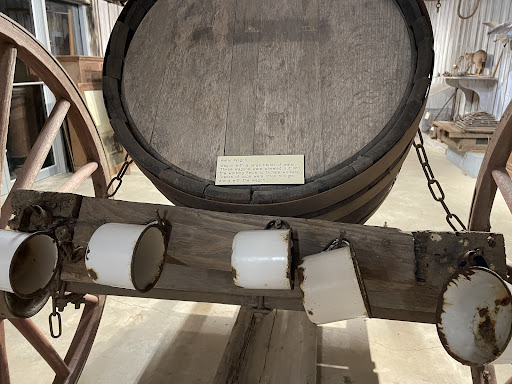
Other than the contents of the museum it seemed incredibly underfunded, understaffed, and to a degree undercared for. Some of the buildings are in disrepair and when i asked about this it was explained that they simply dont have the money or personnel to restore those buildings which is a shame, youd think lsu would actually be funding this more. I had never heard about rural life museum even tho im a native and have lived here my whole life but i had never even heard of it.
I visited on a sunday and the staff was very helpful and sincere, the front desk girl answered all of my husbands questions as best as she could and was willing to go the extra step for us when we got to the giftshop late (PSA they close the gift shop at 4:30 but close at 5 which i didnt know), as we were checking out another member of the staff was back there and told us a little extra about the museum that you cant find on the panels and gave us cards to come back for free another day.
Tldr: the museum is large, in depth, kind of broad, a bit underkept, but incredibly worth it and the folks who run it...
Read moreMy family loves anything dealing with history, so we were super excited when we found out about the LSU Rural Life Museum. Finding this place was interesting. Once you get to the initial entrance, you have to drive slow and follow signs for about a mile. We got confused a couple of times but finally made it. We visited around 3pm on a weekday so there weren’t many other guests. This is an outdoor and indoor museum. I suggest saving the indoor portion for last because the outdoor portion closes earlier.
Although it’s called a rural life museum, it really consists of old buildings that slaves lived in, used, and frequented while living on a plantation. While we were there, someone was having a professional photo shoot using the buildings as the background. I feel if the museum is going to allow that, it should be after hours…it just came across as insensitive.
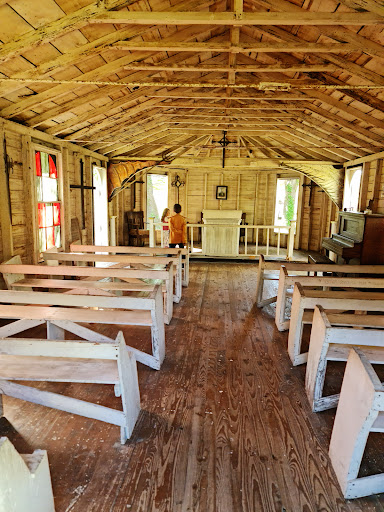
I thought we’d be looking at the outside of the various buildings, but we were allowed to go in them. There are 32 buildings and some highlights included a church, post office, and a freestanding kitchen. Seeing all of the buildings was an eye opening experience and definitely worth the hour drive from New Orleans. The indoor portion could use some work. There are A LOT of artifacts just sitting around in rooms with no context. Maybe it’s a lack of personnel and funding. Either way, it was a bit overwhelming. The large indoor space is nicely...
Read moreRemarkable local museum. This was the first museum or recreator site to specifically address the experience of enslaved persons from a human, individual perspective. The museum building presents a good, traditional museum display, then the next section offers buggies and other historical transportation devices covering birth (baby buggies) to earth in the form of several hearses. Keep an eye out for drawings on the walls from museum founder Steele Burden and for the type of ornaments left by people who cherished those objects. The you transition outdoors for an excellent selection of the cabins and other buildings that were the daily housing of lives in 19th century southern rural life. Pay special attention to the little church. It is likely that the builder was a self-educated enslaved person who figured out the intricate roof by experimentation or from drawings. The whole museum is wheelchair accessible though you need some maneuvering in a few spots. Be sure to spray down with mosquito repellent beforehand or you will be donating to the local skeeters. There is a fee which is reasonable and supports the museum historical research and conservation. And if it looks familiar when you visit, you probably saw the Rural Life Museum in the background of a movie or tv show. Definitely worth your time during any visit...
Read more