Caribbean Manatee Conservation Center things to do, attractions, restaurants, events info and trip planning
Basic Info
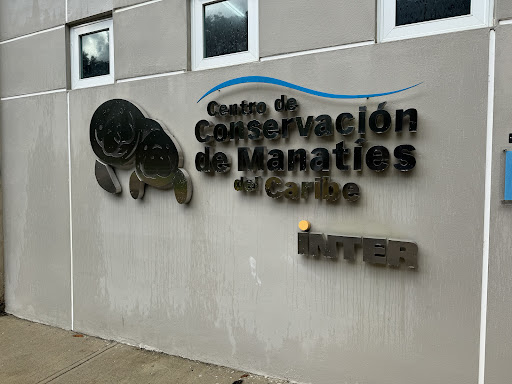
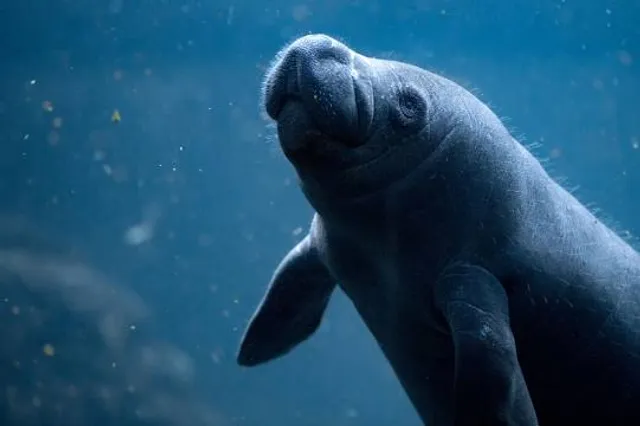
Caribbean Manatee Conservation Center
500 Dr. John Will Harris Street, Bayamón, 00957, Puerto Rico
4.6(114)
Open until 12:00 AM

tickets
Save
spot
spot
Ratings & Description
Info
Cultural
Outdoor
Family friendly
Accessibility
attractions: Inter American University Of Puerto Rico - Bayamon Campus, Escuela y Galería de Artes Cruz, Inc., restaurants: Baya Di Café, Casita Martell, Pochito's Pizza Burger, Big China, Mom and Dad's Cafe, Suki Restaurante, local businesses: Le Menina Boutique, Walgreens
 Learn more insights from Wanderboat AI.
Phone
+1 787-400-2782
Website
manatipr.org
Open hoursSee all hours
SunClosedOpen
Plan your stay

Pet-friendly Hotels in Bayamón
Find a cozy hotel nearby and make it a full experience.

Affordable Hotels in Bayamón
Find a cozy hotel nearby and make it a full experience.

The Coolest Hotels You Haven't Heard Of (Yet)
Find a cozy hotel nearby and make it a full experience.

Trending Stays Worth the Hype in Bayamón
Find a cozy hotel nearby and make it a full experience.
Reviews
Live events

E-VACATIONS TRAVEL FEST 2026
Sat, Feb 14 • 9:00 AM
525 Avenida F.D. Roosevelt San Juan, San Juan 00918
View details

TUMBAO PUERTO RICO POWERED BY ADIDAS
Sat, Feb 21 • 7:00 PM
51 Calle de San José San Juan, San Juan 00901
View details

VIVA EL REGGUETON
Sat, Feb 21 • 6:00 PM
1000 Avenida de la Constitución #5to piso San Juan, San Juan 00907
View details
Nearby attractions of Caribbean Manatee Conservation Center
Inter American University Of Puerto Rico - Bayamon Campus
Escuela y Galería de Artes Cruz, Inc.

Inter American University Of Puerto Rico - Bayamon Campus
4.5
(144)
Open until 12:00 AM
Click for details

Escuela y Galería de Artes Cruz, Inc.
4.6
(10)
Open until 12:00 AM
Click for details
Nearby restaurants of Caribbean Manatee Conservation Center
Baya Di Café
Casita Martell
Pochito's Pizza Burger
Big China
Mom and Dad's Cafe
Suki Restaurante
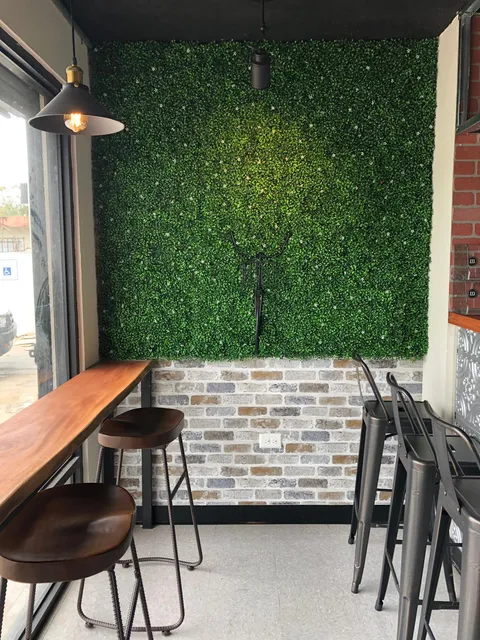
Baya Di Café
4.6
(179)
$
Open until 3:00 PM
Click for details
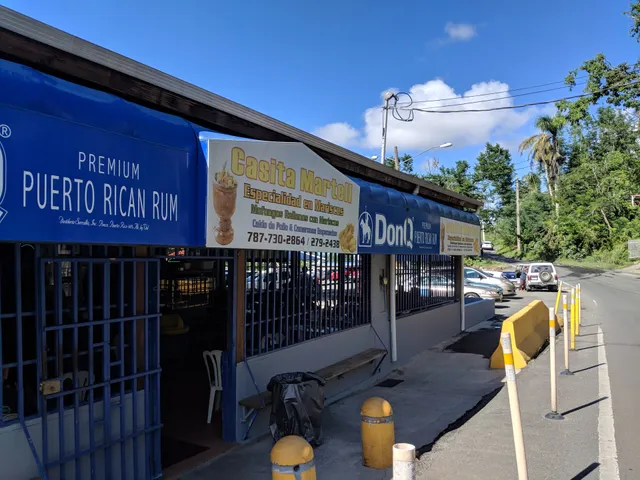
Casita Martell
4.6
(548)
$
Open until 6:30 PM
Click for details
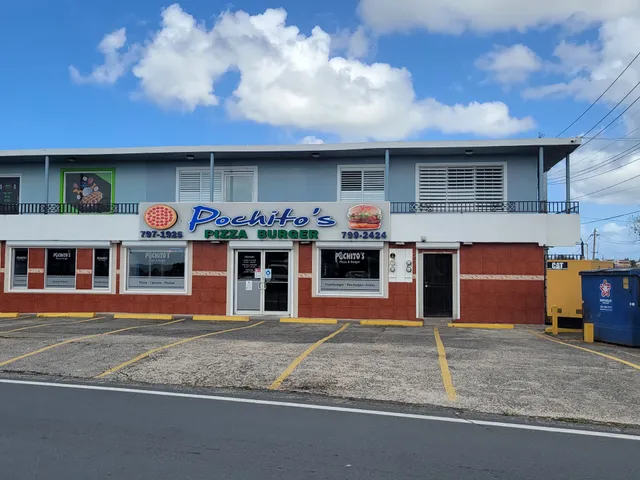
Pochito's Pizza Burger
4.5
(302)
$
Open until 10:00 PM
Click for details

Big China
4.4
(172)
$
Open until 10:00 PM
Click for details
Nearby local services of Caribbean Manatee Conservation Center
Le Menina Boutique
Walgreens

Le Menina Boutique
4.6
(27)
Click for details
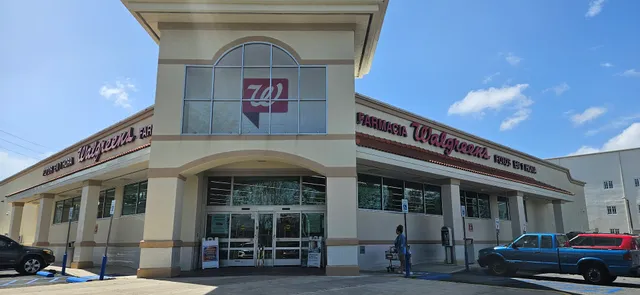
Walgreens
4.4
(36)
Click for details