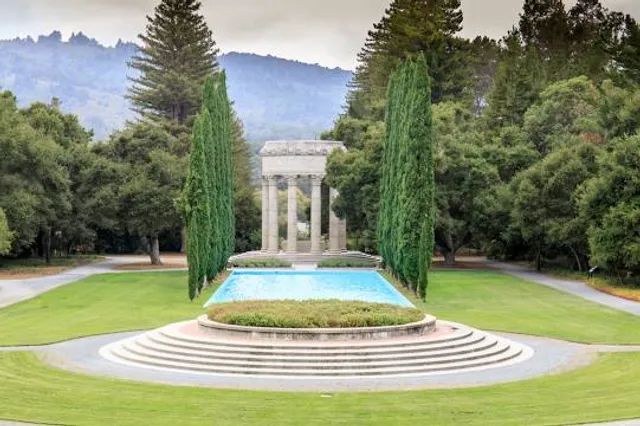
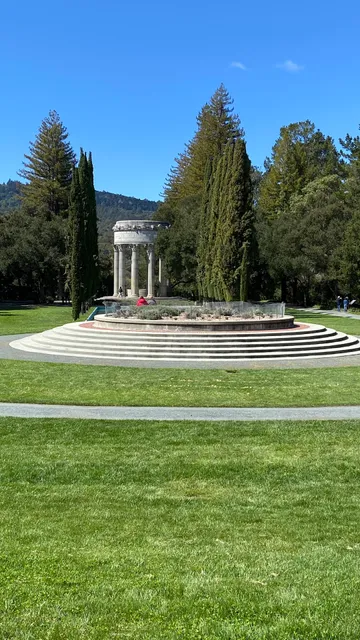
Nestled in the peaceful hills of San Mateo County, Pulgas Water Temple is a hidden gem that offers a unique blend of history, tranquility, and natural beauty. This historic landmark, built in 1934, serves as a testament to the region’s rich water history and provides visitors with a serene and picturesque setting to explore.
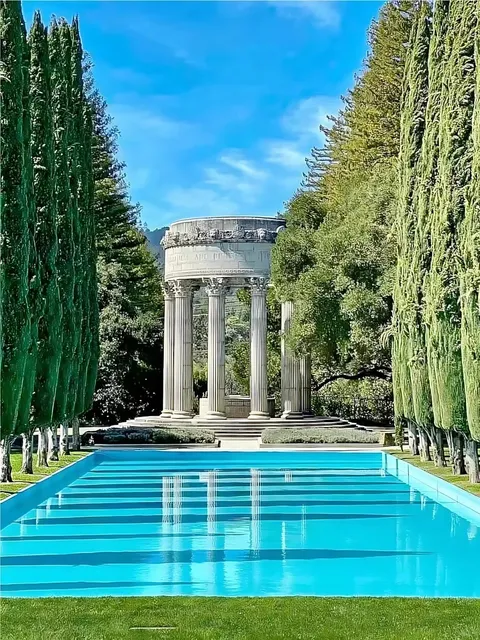
The first thing that strikes you about Pulgas Water Temple is its stunning architecture. The temple’s design, inspired by ancient Greek and Roman structures, exudes a sense of grandeur and timelessness. The majestic columns, intricate details, and tranquil reflecting pool create a captivating scene that is perfect for photography enthusiasts or those seeking a moment of reflection.
The surrounding landscape adds to the temple’s allure. Nestled amidst lush greenery and towering trees, the temple is a peaceful oasis away from the hustle and bustle of city life. The well-maintained grounds offer ample space for picnics, leisurely walks, or simply finding a quiet spot to soak in the serenity of the surroundings.
The temple’s historical significance adds depth to the visitor experience. It was built to commemorate the completion of the Hetch Hetchy Aqueduct, a major water supply system that brings water from the Sierra Nevada Mountains to the San Francisco Bay Area. Informational plaques and displays provide insight into the temple’s history and the importance of water conservation, making it an educational experience as well.
Pulgas Water Temple is also a popular venue for weddings and special events. The picturesque setting and serene ambiance make it an ideal location for celebrating special moments. However, it’s important to note that during these events, public access to certain areas of the temple may be restricted.
One aspect that could be improved is the lack of interpretive signage or guided tours. While the temple itself is visually captivating, visitors may appreciate more information about the history and significance of the site. Additionally, restroom facilities are limited, so it’s advisable to plan accordingly before visiting.
Overall, Pulgas Water Temple is a hidden gem that offers a unique blend of history, tranquility, and natural beauty. Whether you’re a history enthusiast, nature lover, or simply seeking a peaceful escape, this serene oasis provides a welcome respite from the daily grind. Pack a picnic, bring your camera, and immerse yourself in the timeless beauty of Pulgas Water Temple for a...
Read morePulgas Water Temples Throughout time, water has drawn people and wildlife to its shores. Water gives life to people and the land we depend on. Today, it’s easy to take water for granted because it flows underground in pipes to our homes. But imagine how water was used in the distant past…. For at least 10,000 years before the San Francisco Bay Area became a bustling urban center, Ohlone people lived successfully and creatively upon this land in this very area. They always built their community villages near a reliable source of fresh water for drinking, bathing, and foods. Water was essential to every day life. A bountiful Land The San Andreas Valley area was a rich and beautiful landscape of rolling hills and gentle valleys that supported a diverse array of plant and animal species. Its waterways teemed with gleaming salmon, steelhead, and trout that sustained the Ohlone people. Ohlone People Todat Ohlone people still live in the Bay Area today. They live modern lives, and also honor their ancestors by practicing their culture traditions and working to protect and preserve ancient cultural and sacred sites. Ohlone Language Eight different languages were spoken by the Ohlone people of the Central Coast. This area was once home to the Ssalson(Dahl-SOHN), a small tribe that spoke Ramaytush(rah-MY-tooth). Ramaytrush is part of the larger linguistic group known today as the Ohlone(o-LO-nee). The Ssalson People lived in the San Andreas Valley and along Man Mateo Creek to the San...
Read moreA nice place for photos - but not much else. Absolutely under no circumstances should you bring any food or drink, or you will bear the weight of harassment from tens of yellow jackets, possibly hundreds.
For the uninitiated, I emphasize: yellow jackets. These are predatory, ground-burrowing wasps that are exponentially more aggressive than other common wasps in this region, and more importantly, nest in significantly larger numbers than most other wasps which are either solitary or have fairly small nests.
We lasted about ten minutes before realizing our mistake, and then proceeded to be stung multiple times while we tried to get our food rewrapped and back in the bag. We also watched another family make the quintessential mistake with yellow jackets - the mother decided to kill one. Her victory was short-lived as she thus proceeded to face an onslaught from about fifty of those tiny, unrelenting menaces as the fallen insect's pheromones incurred the wrath of every nearby soldier. I should thank them though, their mistake provided the necessary distraction for us to finally beeline (pun intended)...
Read more