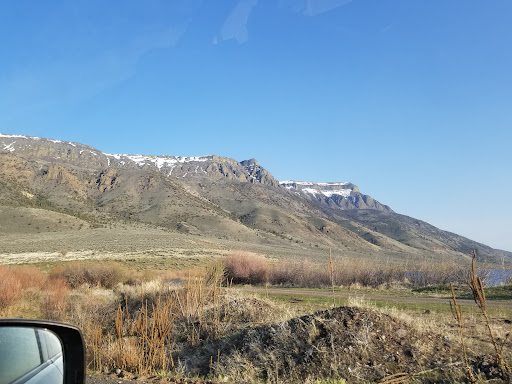
Hart Mountain in Lake County, Oregon, stands at an elevation of over 8,000 feet in the surrounding Warner Valley floor. This massive fault block ridge is noted for a series of steep slopes, craggy cliffs, and rugged ridges. From the west-side, there are spectacular views of the Warner Valley Wetlands. The east-side of Hart Mountain showcases the rolling sage lands and high-desert plateaus well-known in southeastern Oregon. Hart Mountain is most notably known to be home to the expansive Hart Mountain National Antelope Refuge.
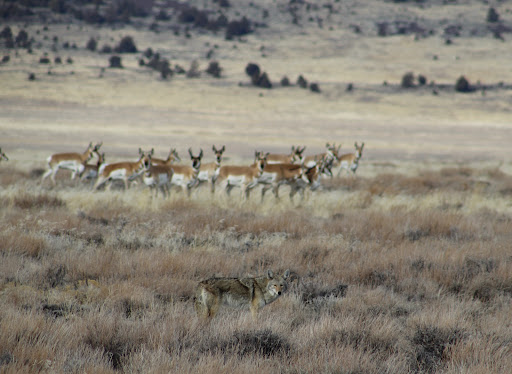
At one time in our national history, the pronghorn antelope was nearly as populous as the American bison. However, around the turn of the century, Western settlers nearly hunted the pronghorn antelope to extinction. In the 1930s, local residents in favor of protecting the pronghorn urged federal support with their grassroots movement. In response, President Franklin D. Roosevelt established by executive order, the range as breeding ground for pronghorn antelope in 1936. You may ask, “Why are these animals called pronghorn antelope?” Well, the antelopes at Hart Mountain are actually pronghorns, a family of hoofed animals that are related, but are not part of the true family of antelopes found in Africa or Asia. The pronghorn is only found in North America and are commonly referred to as pronghorn antelope.
Recreational opportunities are almost as diverse as the local inhabitants. They include wildlife observation, hiking, overnight backpacking, camping, fishing, horseback riding, rock hounding, hunting, and photography. Fishing is allowed per refuge regulations in Warner Pond, Rock Creek, and Guano Creek, except during drought periods. There is seasonal hunting permitted for partridge, quail, deer, pronghorn antelope, and bighorn sheep. Rock collecting is permitted with a 7-pound limit per person for above only ground collection. Digging and blasting are prohibited within the refuge.
The Hot Springs Campground is very primitive but will accommodate tent camping and small to medium sized motor homes. No water or other services are provided. The Hot Springs Campground has 30 camping sites. The camping spots are first-come first-serve, unmarked, and at no cost. The land at the campground is nestled nicely between rolling hills, and is fairly plush with aspen groves amidst a more barren prairie-like surrounding landscape. Most notable at the Hot Springs Campground is the Hart Mountain Hot Springs (also known as Antelope Hot Springs). This is a natural hot springs that is open year round. The hot springs is located in the middle of the campground, at the head of Rock Creek, and is surrounded by an aspen-dotted meadow. This natural rock pool is 6 by 9 feet, and 5 feet deep, made of bedrock, and can accommodate up to 6 people. The water is a very comfortable 100-104 degrees F and bubbles up from the pool’s gravel and bedrock bottom. A small ladder at one end of the pool provides convenience in getting in and out of the warm water. The Hart Mountain Hot Springs is well defined by the castle-like stone and concrete wall around the spring. This nicely constructed feature makes the hot springs very relaxing, can add privacy, and adds a bit of style and flair to this otherwise natural and rugged landscape.
This is a destination reminiscent of life on the range with its throwback to Oregon’s pioneering start. The picturesque land embodies solitude and has unrivaled majesty. The refuge has a sense of calm that is in stark contrast with many more highly visited recreational destinations in the state. With craggy vistas and flat sage-tipped plateaus, to rolling hills and aspen-lined springs, the landscape is a pristine ground for both discovery and tranquility. Hart Mountain is truly a home on the range where the deer and the...
Read more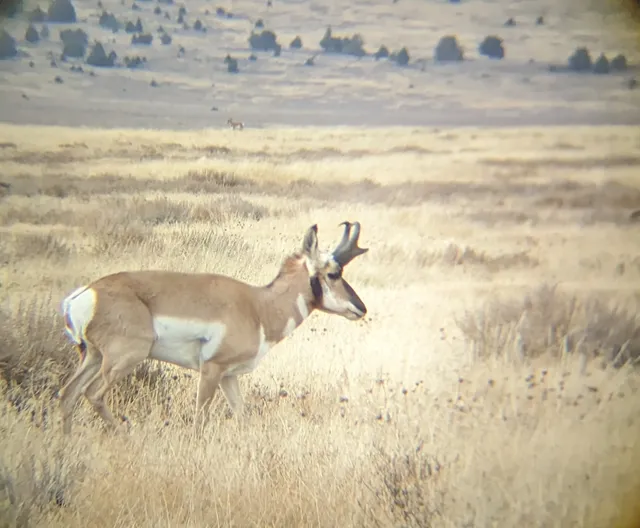
 Learn more insights from Wanderboat AI.