Currituck National Wildlife Refuge, located on the Outer Banks of North Carolina, is a serene and pivotal sanctuary primarily established to protect and provide a habitat for migratory waterfowl. Spanning over 8,000 acres, this refuge is an integral part of the Currituck Sound and is managed by the U.S. Fish and Wildlife Service. Its establishment in 1984 was a critical step towards preserving the unique ecosystem and the diverse wildlife of the northern Outer Banks.Geography and Landscape The geography of Currituck National Wildlife Refuge is characterized by a variety of habitats, including sandy beaches, dune ridges, maritime forests, marshes, and the shallow waters of Currituck Sound. This diverse topography not only beautifies the landscape but also supports a wide range of flora and fauna. The barrier island environment is dynamic, with natural processes such as wind and water flow shaping the habitat in constant flux.Wildlife and Biodiversity The refuge is a haven for wildlife enthusiasts and bird watchers, providing a home to an array of species. The primary residents are migratory waterfowl, including ducks, geese, and swans that use the area for wintering. Apart from these, the refuge supports various species of wading birds, shorebirds, raptors, and an assortment of mammalian species like white-tailed deer, raccoons, and otters.During spring and fall, the refuge becomes a bustling hub of activity as various species stop here during their migratory routes. The sound's shallow waters and the marshes provide abundant food sources and are ideal for bird watching, especially during these peak migratory seasons.Conservation Efforts Conservation efforts at Currituck National Wildlife Refuge are focused on habitat preservation and restoration. The challenge of managing such a dynamic landscape involves combating invasive species, maintaining the health of the maritime forests, and ensuring the cleanliness and vitality of the aquatic ecosystems. Controlled burns, reforestation, and marsh restoration are some of the key activities undertaken to maintain the ecological balance and health of the refuge.Educational programs and guided tours are regularly offered to increase public awareness and involvement in the conservation efforts. These programs aim to educate visitors about the importance of biodiversity and habitat conservation, highlighting the refuge's role in global ecological networks.Visitor Experiences Currituck National Wildlife Refuge offers a multitude of recreational opportunities for nature lovers. Hiking, wildlife photography, bird watching, and educational tours are some of the popular activities. The refuge’s trails and boardwalks are designed to enhance visitor experience without disturbing the natural habitat of the wildlife.One of the most enchanting experiences is walking along the pristine beaches that line the Atlantic coast of the refuge. These areas provide not only scenic views but also a chance to observe nesting sea turtles during the season, under the careful management of the refuge staff to ensure minimal human interference.Challenges and Future Directions Despite its beauty and ecological importance, Currituck National Wildlife Refuge faces several challenges, including rising sea levels, increased human activity, and habitat degradation. The management continuously strives to find a balance between allowing public access and maintaining the integrity of the wildlife habitat.The future of the refuge depends significantly on the continued support from environmental organizations, government agencies, and the public. Engaging local communities and fostering a collective environmental stewardship ethos are seen as critical steps towards sustainable management.Conclusion Currituck National Wildlife Refuge is more than just a sanctuary for wildlife; it is a vital part of the local and global ecosystem, offering refuge not only to species that call it home permanently but also to those that visit seasonally. Its rich biodiversity and beautiful landscapes make it a jewel of...
Read more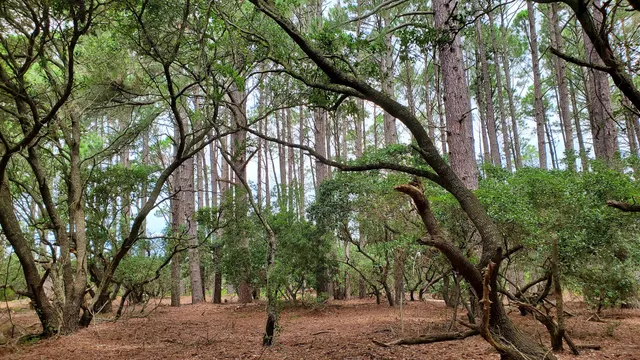
 Learn more insights from Wanderboat AI.