HTML SitemapExplore
Find Things to DoFind The Best Restaurants

Hampton Plantation State Historic Site — Attraction in Georgetown

Name
Hampton Plantation State Historic Site
Description
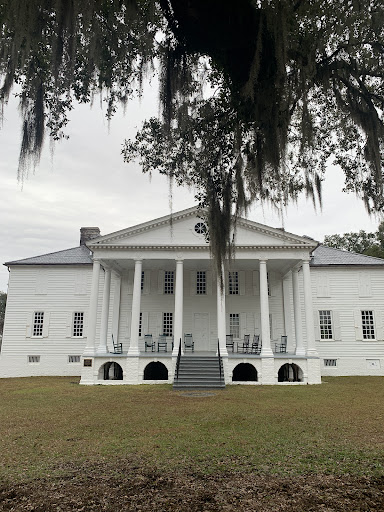
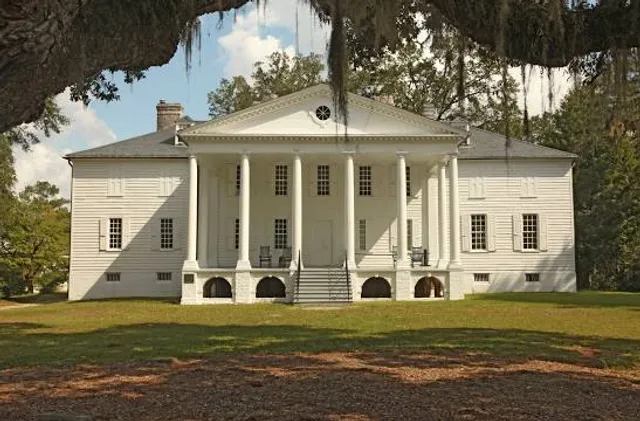
Hampton Plantation, also known as Hampton Plantation House and Hampton Plantation State Historic Site, is a historic plantation, now a state historic site, north of McClellanville, South Carolina.
Nearby attractions
Nearby restaurants
Nearby hotels
Related posts
Keywords
Hampton Plantation State Historic Site tourism.Hampton Plantation State Historic Site hotels.Hampton Plantation State Historic Site bed and breakfast. flights to Hampton Plantation State Historic Site.Hampton Plantation State Historic Site attractions.Hampton Plantation State Historic Site restaurants.Hampton Plantation State Historic Site travel.Hampton Plantation State Historic Site travel guide.Hampton Plantation State Historic Site travel blog.Hampton Plantation State Historic Site pictures.Hampton Plantation State Historic Site photos.Hampton Plantation State Historic Site travel tips.Hampton Plantation State Historic Site maps.Hampton Plantation State Historic Site things to do.
Hampton Plantation State Historic Site things to do, attractions, restaurants, events info and trip planning
Hampton Plantation State Historic Site
United StatesSouth CarolinaGeorgetownHampton Plantation State Historic Site

Basic Info

Hampton Plantation State Historic Site

1950 Rutledge Rd, McClellanville, SC 29458
4.6(328)
Closed
Save
spot

Ratings & Description

Info

Hampton Plantation, also known as Hampton Plantation House and Hampton Plantation State Historic Site, is a historic plantation, now a state historic site, north of McClellanville, South Carolina.

Cultural
Outdoor
Family friendly
Accessibility
attractions: , restaurants:
logoLearn more insights from Wanderboat AI.
Phone
(843) 546-9361
Website
southcarolinaparks.com
Open hoursSee all hours
Sat9 AM - 5 PMClosed

Plan your stay

hotel
Pet-friendly Hotels in Georgetown
Find a cozy hotel nearby and make it a full experience.
hotel
Affordable Hotels in Georgetown
Find a cozy hotel nearby and make it a full experience.
hotel
The Coolest Hotels You Haven't Heard Of (Yet)
Find a cozy hotel nearby and make it a full experience.
hotel
Trending Stays Worth the Hype in Georgetown
Find a cozy hotel nearby and make it a full experience.

Reviews

Get the Appoverlay
Get the AppOne tap to find yournext favorite spots!
Wanderboat LogoWanderboat

Your everyday Al companion for getaway ideas

CompanyAbout Us
InformationAI Trip PlannerSitemap
SocialXInstagramTiktokLinkedin
LegalTerms of ServicePrivacy Policy

Get the app

© 2025 Wanderboat. All rights reserved.

Reviews of Hampton Plantation State Historic Site

4.6
(328)
avatar
3.0
2y

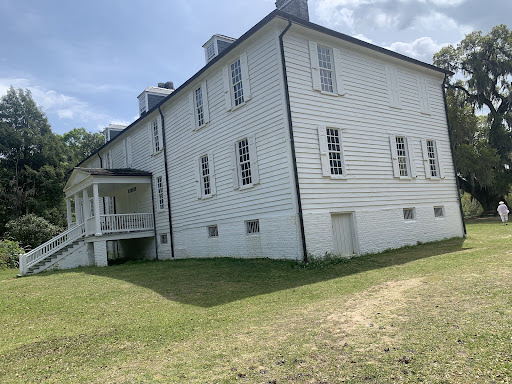
Black Friday Special at South Carolina State Parks got us traveling the hour drive to Hampton Plantation State Historical Site for free park access and free tour of the original house. The plantation was established in 1735 on the banks of Hampton Creek, north of McClellanville, South Carolina and now home to the remote, final remnants of a colonial-era rice plantation. Arriving via a dirt road some miles off of US 17 we discovered a small gift shop/welcome center, modern bathrooms, kitchen house and the main house. Being that the plantation is no longer in use, the majority of the property has been claimed with its natural surroundings. A few rough trails do showcase the magnitude of size of the property, the surrounding marshlands, deserted gardens and grave sites. Ancient, majestic oak trees with Spanish moss laden limbs dot the landscape. The only two remaining structures is the view from the outside of the kitchen house and the main house. Tours inside normally come at an additional charge and feature one of the earliest examples of a temple front in domestic architecture. The house is two and 1/2 story wood-frame, dormered hip roof, clapboard siding and raised brick foundation. The inside of the house is nearly gutted do to failed updates and age of the structure but give a general understanding and magnitude of what the house was originally like. Our guided tour was done by a volunteer, not a ranger, that was informative and underscored the history of a slave plantation. Being free it was...

   Read more
avatar
5.0
1y

There is a lot to do here, and not just the tour of the house. That is great too, though. You can walk around and read the signs that tell you everything you need to know about the history of this place. There are also good views of Hampton Creek, the rice fields, and controlled burns. Archibald Rutledge was the last owner of this historic home before the he sold it to the state park service. There is a sign that honors him and shows a poem that he wrote which is a beautiful poem in my opinion. You can walk to his burial site and through his beautiful garden. The Washington Oak is also a very cool landmark. It is a massive oak tree that is supposedly still standing because of George Washington's visit. The ladies who lived at this plantation at one point were obsessed with George Washington, and when he visited, one of them mentioned that the tree was going to be cut down. But allegedly, George Washigton said "let it stay," and so it is still here today. This is not confirmed, and is just a family legend. However, it is confirmed that George Washington did visit this plantation. The house itself is very large and exquisite, though not restored. The inside is not decorated, but there are plenty of signs that tell you all about its history. Our tour guide was very helpful and explained the plantation's history very well. I definitely recommend the tour if you come here. Tours are also...

   Read more
avatar
5.0
1y

My wife and I visit a lot of museums, historic landmarks, etc., and I don't think I've ever walked away from somewhere like this with a better understanding of its history and significance than I did at Hampton Plantation.

Hannah, the ranger who led the tour, which we had the pleasure of taking by ourselves, was deeply knowledgeable about the property. She was a wealth of knowledge about the structure itself, the timeline of its additions, damage, restorations, etc., but more importantly of both those who lived, and were enslaved at Hampton Plantation, as well as the descendants of both, and their lasting impacts and connection to both the plantation itself and the surrounding area.

You could tell that she has a lot of love for her job and for the plantation and those who played a role in its history, as she was not at all bothered by our countless questions, but rather seemed glad that we were asking them.

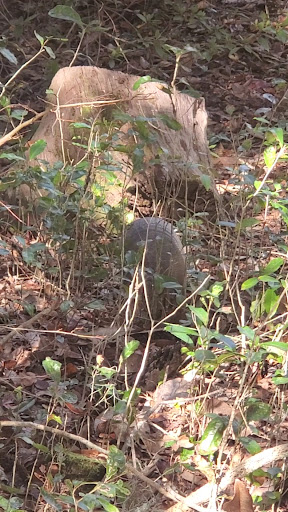
After taking the house tour, we walked the gardens and grounds to explore more of the beauty and history. We even saw an armadillo that did not at all seem to be bothered by our presence. Since we came in the dead of winter, there were no bugs, and many of the trees were surprisingly still flowering. I would recommend visiting Hampton Plantation to anyone, but based on the other reviews it seems like winter is an especially good...

   Read more
Page 1 of 7
Previous
Next

Posts

Philip WardPhilip Ward
Black Friday Special at South Carolina State Parks got us traveling the hour drive to Hampton Plantation State Historical Site for free park access and free tour of the original house. The plantation was established in 1735 on the banks of Hampton Creek, north of McClellanville, South Carolina and now home to the remote, final remnants of a colonial-era rice plantation. Arriving via a dirt road some miles off of US 17 we discovered a small gift shop/welcome center, modern bathrooms, kitchen house and the main house. Being that the plantation is no longer in use, the majority of the property has been claimed with its natural surroundings. A few rough trails do showcase the magnitude of size of the property, the surrounding marshlands, deserted gardens and grave sites. Ancient, majestic oak trees with Spanish moss laden limbs dot the landscape. The only two remaining structures is the view from the outside of the kitchen house and the main house. Tours inside normally come at an additional charge and feature one of the earliest examples of a temple front in domestic architecture. The house is two and 1/2 story wood-frame, dormered hip roof, clapboard siding and raised brick foundation. The inside of the house is nearly gutted do to failed updates and age of the structure but give a general understanding and magnitude of what the house was originally like. Our guided tour was done by a volunteer, not a ranger, that was informative and underscored the history of a slave plantation. Being free it was worth the drive.
Jaxon HaleJaxon Hale
There is a lot to do here, and not just the tour of the house. That is great too, though. You can walk around and read the signs that tell you everything you need to know about the history of this place. There are also good views of Hampton Creek, the rice fields, and controlled burns. Archibald Rutledge was the last owner of this historic home before the he sold it to the state park service. There is a sign that honors him and shows a poem that he wrote which is a beautiful poem in my opinion. You can walk to his burial site and through his beautiful garden. The Washington Oak is also a very cool landmark. It is a massive oak tree that is supposedly still standing because of George Washington's visit. The ladies who lived at this plantation at one point were obsessed with George Washington, and when he visited, one of them mentioned that the tree was going to be cut down. But allegedly, George Washigton said "let it stay," and so it is still here today. This is not confirmed, and is just a family legend. However, it is confirmed that George Washington did visit this plantation. The house itself is very large and exquisite, though not restored. The inside is not decorated, but there are plenty of signs that tell you all about its history. Our tour guide was very helpful and explained the plantation's history very well. I definitely recommend the tour if you come here. Tours are also quite cheap.
Brady BowyerBrady Bowyer
My wife and I visit a lot of museums, historic landmarks, etc., and I don't think I've ever walked away from somewhere like this with a better understanding of its history and significance than I did at Hampton Plantation. Hannah, the ranger who led the tour, which we had the pleasure of taking by ourselves, was deeply knowledgeable about the property. She was a wealth of knowledge about the structure itself, the timeline of its additions, damage, restorations, etc., but more importantly of both those who lived, and were enslaved at Hampton Plantation, as well as the descendants of both, and their lasting impacts and connection to both the plantation itself and the surrounding area. You could tell that she has a lot of love for her job and for the plantation and those who played a role in its history, as she was not at all bothered by our countless questions, but rather seemed glad that we were asking them. After taking the house tour, we walked the gardens and grounds to explore more of the beauty and history. We even saw an armadillo that did not at all seem to be bothered by our presence. Since we came in the dead of winter, there were no bugs, and many of the trees were surprisingly still flowering. I would recommend visiting Hampton Plantation to anyone, but based on the other reviews it seems like winter is an especially good time to visit.
See more posts
See more posts
hotel
Find your stay

Pet-friendly Hotels in Georgetown

Find a cozy hotel nearby and make it a full experience.

Black Friday Special at South Carolina State Parks got us traveling the hour drive to Hampton Plantation State Historical Site for free park access and free tour of the original house. The plantation was established in 1735 on the banks of Hampton Creek, north of McClellanville, South Carolina and now home to the remote, final remnants of a colonial-era rice plantation. Arriving via a dirt road some miles off of US 17 we discovered a small gift shop/welcome center, modern bathrooms, kitchen house and the main house. Being that the plantation is no longer in use, the majority of the property has been claimed with its natural surroundings. A few rough trails do showcase the magnitude of size of the property, the surrounding marshlands, deserted gardens and grave sites. Ancient, majestic oak trees with Spanish moss laden limbs dot the landscape. The only two remaining structures is the view from the outside of the kitchen house and the main house. Tours inside normally come at an additional charge and feature one of the earliest examples of a temple front in domestic architecture. The house is two and 1/2 story wood-frame, dormered hip roof, clapboard siding and raised brick foundation. The inside of the house is nearly gutted do to failed updates and age of the structure but give a general understanding and magnitude of what the house was originally like. Our guided tour was done by a volunteer, not a ranger, that was informative and underscored the history of a slave plantation. Being free it was worth the drive.
Philip Ward

Philip Ward

hotel
Find your stay

Affordable Hotels in Georgetown

Find a cozy hotel nearby and make it a full experience.

Get the Appoverlay
Get the AppOne tap to find yournext favorite spots!
There is a lot to do here, and not just the tour of the house. That is great too, though. You can walk around and read the signs that tell you everything you need to know about the history of this place. There are also good views of Hampton Creek, the rice fields, and controlled burns. Archibald Rutledge was the last owner of this historic home before the he sold it to the state park service. There is a sign that honors him and shows a poem that he wrote which is a beautiful poem in my opinion. You can walk to his burial site and through his beautiful garden. The Washington Oak is also a very cool landmark. It is a massive oak tree that is supposedly still standing because of George Washington's visit. The ladies who lived at this plantation at one point were obsessed with George Washington, and when he visited, one of them mentioned that the tree was going to be cut down. But allegedly, George Washigton said "let it stay," and so it is still here today. This is not confirmed, and is just a family legend. However, it is confirmed that George Washington did visit this plantation. The house itself is very large and exquisite, though not restored. The inside is not decorated, but there are plenty of signs that tell you all about its history. Our tour guide was very helpful and explained the plantation's history very well. I definitely recommend the tour if you come here. Tours are also quite cheap.
Jaxon Hale

Jaxon Hale

hotel
Find your stay

The Coolest Hotels You Haven't Heard Of (Yet)

Find a cozy hotel nearby and make it a full experience.

hotel
Find your stay

Trending Stays Worth the Hype in Georgetown

Find a cozy hotel nearby and make it a full experience.

My wife and I visit a lot of museums, historic landmarks, etc., and I don't think I've ever walked away from somewhere like this with a better understanding of its history and significance than I did at Hampton Plantation. Hannah, the ranger who led the tour, which we had the pleasure of taking by ourselves, was deeply knowledgeable about the property. She was a wealth of knowledge about the structure itself, the timeline of its additions, damage, restorations, etc., but more importantly of both those who lived, and were enslaved at Hampton Plantation, as well as the descendants of both, and their lasting impacts and connection to both the plantation itself and the surrounding area. You could tell that she has a lot of love for her job and for the plantation and those who played a role in its history, as she was not at all bothered by our countless questions, but rather seemed glad that we were asking them. After taking the house tour, we walked the gardens and grounds to explore more of the beauty and history. We even saw an armadillo that did not at all seem to be bothered by our presence. Since we came in the dead of winter, there were no bugs, and many of the trees were surprisingly still flowering. I would recommend visiting Hampton Plantation to anyone, but based on the other reviews it seems like winter is an especially good time to visit.
Brady Bowyer

Brady Bowyer

See more posts
See more posts