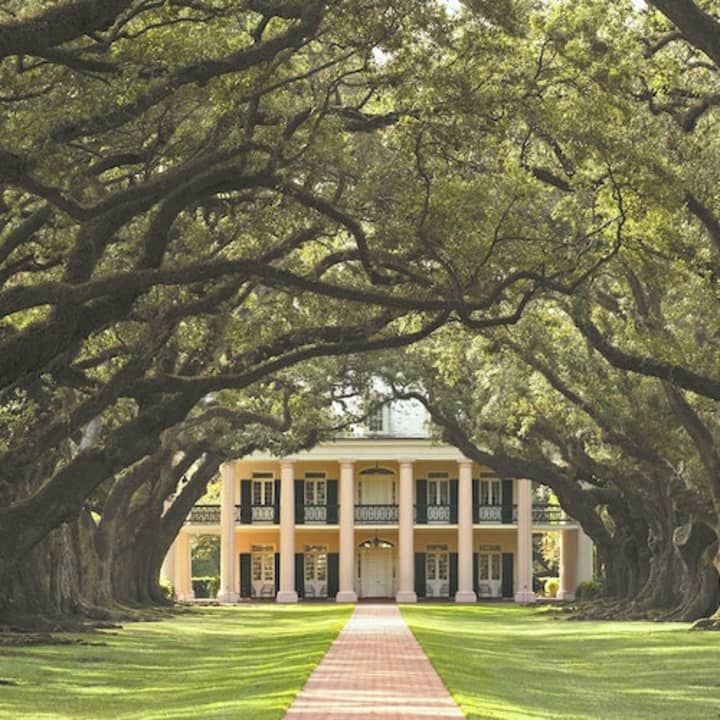
I booked this plantation over Oak Alley and Laura Plantation because of its focus on slavery. As someone who studied African American literature, I'm familiar with slave narratives and stories so I was bracing myself for a very emotional experience based on the reviews. I actually left feeling underwhelmed and unfazed.
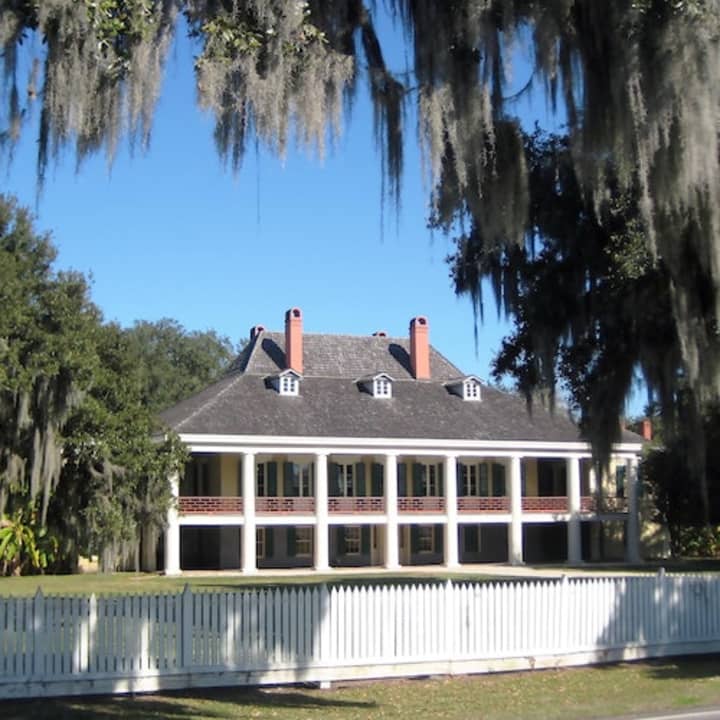
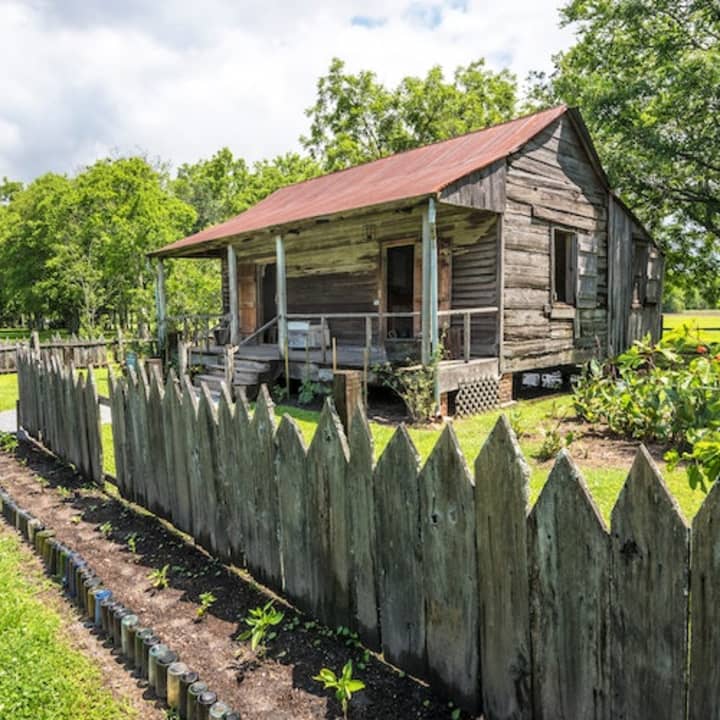
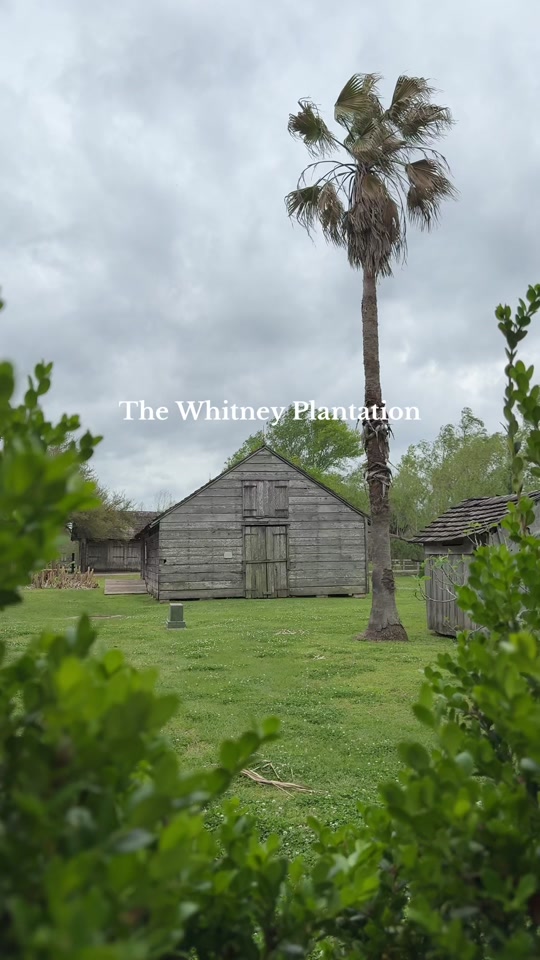
To start, our guide was very knowledgeable and respectable. She was eager to answer any questions our group asked, and did a great job explaining all the sites, exhibitions, and the process of harvesting sugar cane with respect to the slaves. The memorials they built to the side are very interesting and reading the quotes of slaves gave more insight into their day-to-day lives. It was also pretty surreal to walk inside the cabins, jail, kitchen, the house and be able to touch those walls.
There are two reasons I'm giving this tour four stars. The first reason is because of their lack of customer service. I made the mistake of booking a guided tour before reading that Ubers/Lyfts don't operate in that area. I sent an email a week before asking if they can assist me with coordinating transportation and never got a response. I called them when they were open and no one picked up and I never got a call back. This is unacceptable for a museum that's very isolated from the city. Thankfully, I coordinated a private ride with a previous Uber driver.
The second reason I'm giving it four stars is because of the organization's choice to clear out all the furniture from the main house to not perpetuate showcasing the wealth of the plantation owners. I understand they made that decision out of respect to the slaves, but I still would've liked to see how the house looked during its time, even if the furniture was borrowed from other plantations or museums. I believe history should be presented in its entirety, and walking through the empty house was very anti-climactic and actually detracted from the experience as it was the finale of the tour.
Overall, I was underwhelmed, but I respect the effort the organization is making to prioritize the slaves who lived there. I still recommend everyone do this tour because it’s very informative and explains the sobering, important, and dismal history of our nation and humanity in general. However, I think one would get a well-rounded experience if you paired a visit to Whitney with Laura and/or Oak Alley, despite being known to whitewash...
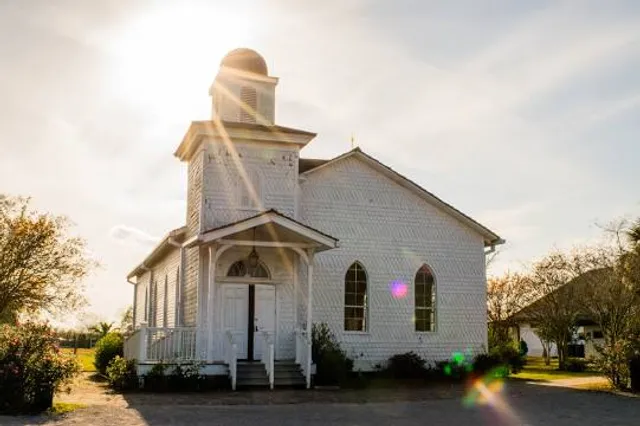
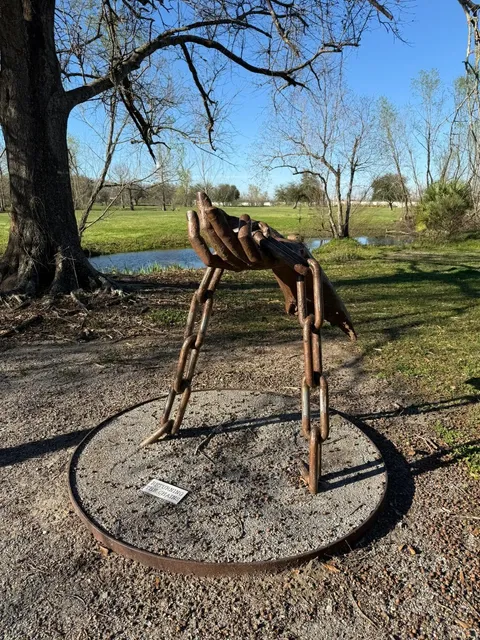
Read moreI wanted to experience this tour for what it offers, as it mentions focus on the daily experiences, daily life and contributions that enslaved people have made in the plantation south. It recognizes their lived experience and harsh realities, in contrast to the romanticized version of deep south industry/family. There are the enslaved peoples quarters, and kitchen, to understand a portion of what their environment was like, sugar kettles to understand the harsh sugar industry, and art installations to provoke thought and personal connection to the people enslaved here. I appreciate the small statues of children throughout the grounds that seem to conjure up the little souls born here, and a somber remembrance of the hard life they had here. I had to choke back tears in many places, including the cabins and in the Field of Angels, where names and their mother's names of children who passed away here/nearby are listed on a short wall. And a beautiful Black angel sculpture carrying a small baby to heaven is particularly beautiful and poignant to me. I spent additional time examining the names and reading personal quotes in the genealogy wall/exhibit, the 1811 German Coast Uprising exhibit, and visiting the church. I paid for the self led tour, and had no problem navigating and using the device to hear instructions and information needed. It is hot, but there were a few places to cool down and seek shade. It isn't so expansive that you couldn't seek refuge if needed for water or bathroom. I do feel that this is a time -to take your time, and be in the mindset to understand the information presented. Small children may not be able to tolerate the time or respect the mood/tone of a visit, so maturity should be considered when visiting. Regardless, I think it is necessary for everyone, young and older, to visit at a time when it's appropriate and respectful. They have a wonderful gift shop with books, art and jewelry from Black creators and various African countries. Staff were informative and pleasant. I may return and take a guided tour at another time, and be sure to bring my family with me. This is a must do for anyone that wants to understand more on the real history of plantations/enslaved labor, and contributions to New Orleans history. Also a side note, it seems there were a few cardinals following me and ultimately tapping on the outside of the church glass windows when...
Read moreI took the self guided tour which I was glad focused on the fact the plantation largely revolved around the slave trade. I felt it was very shallow however. The ordering of the tour was a bit random. It seemed to assume a lot of knowledge already but also then just repeat a lot of already well known information. It really didn't do justice to the story of the slaves I don't think, or really how difficult it was to be a slave before or after emancipation. It didn't at all address how the legacy of slavery still affects the US today. Although I don't want a sugar coated tour or anything glorifying plantation owners I felt it was an omission not to talk about the legacy of the plantation owners, who their descendants are now and what privilege they enjoy because of their family's terrible past.
I am amazed how many people leave negative reviews because of their white fragility, because "my family/poor people/white people/slaves elsewhere suffered too". So every museum should mention every single last atrocity in the world? People being offended at the insinuation that America is still racist. Completely missing the point of this place and the irony of their self entitlement that they think everything must revolve around their perspective of the world. I'm amazed that people can't understand how systemic racism is across the western world and the tour here misses an opportunity to really hammer this home.
This tour needs more structure, a better narrative, and better commentary on the societal legacy of slavery in the US. Not everyone that visits is intimately familiar with American history and it could do better at explaining how emancipation came about, and why slaves couldn't leave thereafter, hence how difficult and different the lives of black people in the US are compared to European migrants who faced challenges too but not to the same (or lasting) scale.
People compare this to Auschwitz but it doesn't come close. What Auschwitz does better is it puts you in the place of someone's story, so you can better imagine it happening to you and it leaves a more lasting and impactful impression.
I wonder if white people just can't fully empathise with the black experience here given how the tour is structured and the challenges of systemic, (sub) conscious racism and...
Read more