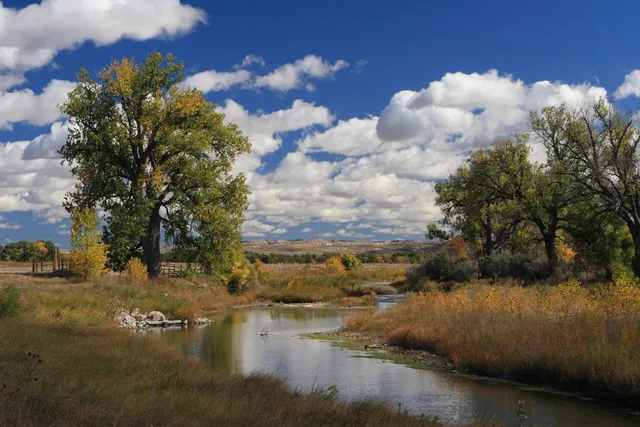
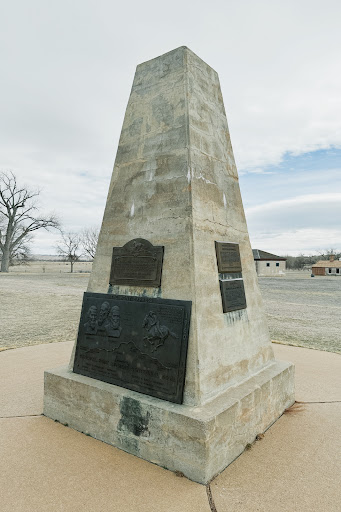
This gem, nestled at the confluence of the Laramie and North Platte Rivers, offers a fascinating window into the saga of westward expansion and the complex interactions between settlers, Native American tribes, and the U.S. military during the 19th century.
Originally established in 1834 as a fur trading post, Fort Laramie evolved into a key military outpost and a bustling stop along the Oregon, Mormon, and California Trails. Walking the grounds, you can feel the weight of historyโfrom the echoes of fur traders bartering with Cheyenne and Arapaho tribes to the hoofbeats of Pony Express riders and the negotiations of treaties like the 1868 Fort Laramie Treaty. The siteโs evolution from a private trading hub to a military fort abandoned in 1890 is meticulously preserved, making it one of the most significant historic sites on the Northern Plains.
There are 12 beautifully maintained structures, like the iconic โOld Bedlamโ (the oldest surviving building in Wyoming, built in 1849), alongside remnants of foundations that hint at the fortโs once-sprawling presence. The visitor center, housed in the restored 1884 Commissary Storehouse, is a great starting pointโdonโt skip the 18-minute orientation film, which sets the stage for your journey. In the summer, costumed interpreters bring the past to life with bugle calls and demonstrations, adding an immersive touch thatโs especially engaging for families or anyone who loves living history.
The site is free to enter, which is a bonus, and thereโs a well-stocked gift shop with books for those wanting to dive deeper. Iโd suggest budgeting at least 2-3 hours to wander the grounds, read the interpretive panels, and soak in the atmosphere. If youโve got more time, take the short hike from the Old Iron Bridge to the river confluenceโitโs a peaceful spot with stunning views and a chance to spot wildlife.
Fort Laramie isnโt just for history buffs. Its open layout and scenic surroundings make it a pleasant stop for anyone traveling through Wyoming. Itโs a bit off the beaten pathโabout 100 miles north of Cheyenne or 55 miles west of Scottsbluff, Nebraskaโbut that remoteness adds to its charm. Pair it with nearby attractions like the Oregon Trail Ruts or Register Cliffs for a fuller picture of the...
ย ย ย Read moreGreat place operated by the National Park Service. The Visitor Center has a movie presentation that details the history of the area and the Fort from its original days as a fur trading post, through its several names and physical layouts as a military outpost, until it's final form as exists today. The history presented includes how the relationship between the Army and the Native Americans changed under the pressure of the increasing waves of settlers flooding the area: battles began occurring and treaties were made and broken multiple times. The Visitor Center has a large gift shop, and includes a large supply of books available for purchase on the settling of the West, Native Americans, military history, etc.
The physical exhibits then build upon the information begun by the movie, including providing a picture of the the daily lives of settlers passing through on the area on their way West through excerpts from letters home that were written by actual settlers.
Artifacts, like a tipi, also show the life of Native Americans. A large room in the barracks building has enlargements of the many actual treaties that were written, then broken, by the US Government, and include how some of the provisions in the treaties have been used in present day lawsuits by Native Americans.
Walking out into the grounds of the Fort you will find restored buildings from the original mid 1800s Fort. The two story barracks is furnished with rows of beds, clothing, rifles, etc as if you were viewing an operation military base of that era. Other buildings are furnished to reflect their original purpose as storehouses/ quartermaster office, bachelor officer's quarters, family residences of command personnel, etc.
Foundations of buildings that didn't survive the years after the Army's closing of the Fort still exist, and photographs detail the preservation efforts of those buildings that did survive.
The Fort area includes a picnic grounds for visitors.
Follow-up a visit to the Fort with a visit to the site of the Oregon Trail wagon wheel ruts in the nearby town of Guernsey, Wyoming to get a sense of what the settlers experienced and saw as they passed...
ย ย ย Read moreAn Under-represented Historic Site:
I've visited Fort Laramie three times in the past two years and it should be rated 5+ stars. So why 3 stars? For one, before Fort Laramie became a U. S. Army post in 1849, it had been the site of vibrant fur trade activity and an important supply and rest stop along the Oregon, California, and Mormon Trails. Imagine French fur traders, their Native American wives and families, Native American bands of Lakota and Cheyennes men, women, and children camped nearby with their tipis and horses, interpreters, settlers and their families, oxen, cattle, etc.
The history of Fort Laramie is much more than the U.S. Army's presence there, which is very well represented. But aside from the many books sold in the Visitor Center, and the brief mentioning in the orientation film, you'd never know how much more American history happened there.
Also, ranger-interaction with visitors is not up-to-par with other national parks that I've visited. During each visit to Fort Laramie, I saw one ranger. That ranger was in the Visitor Center. And, the Visitor Center ranger was not the most forthcoming with information. Not un-welcoming, but not welcoming either.
Be prepared to be on your own...
ย ย ย Read more