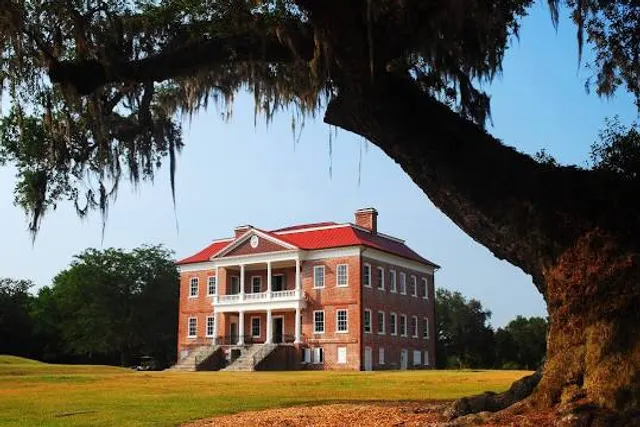
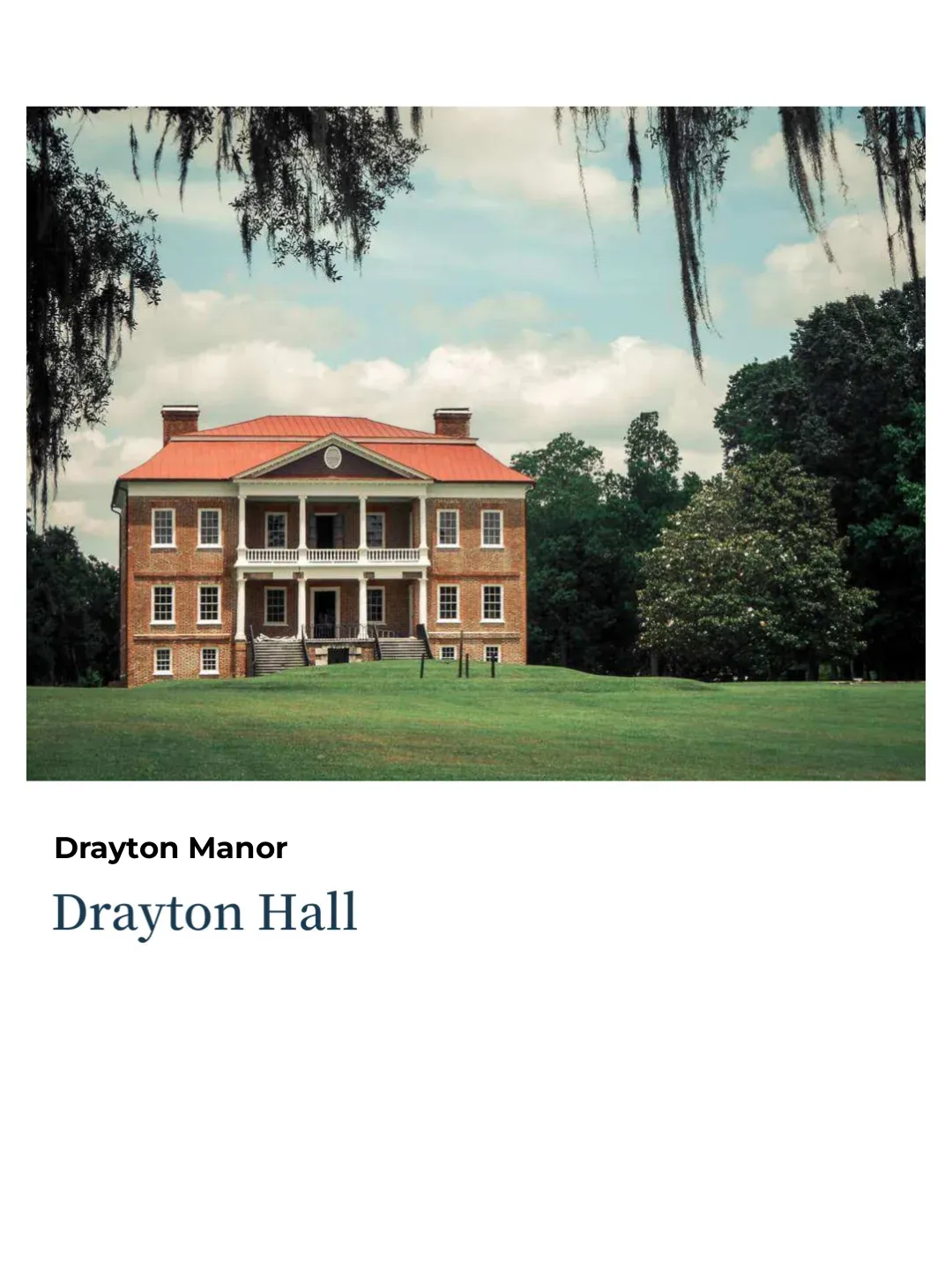
Drayton Hall. Built in the 1740s, the house was used as a primary residence by John Drayton and later by his third son, Charles Drayton. Their descendants continued to own the house until the 1970s when it was purchased by the National Trust. This property was one of several plantations owned by John Drayton, but as the primary residence it was a self-sustaining plantation and not a producing plantation for the most part. The number of enslaved Africans and African Americans in the 18th century numbered between 60-70 (I canโt quite recall the exact number, and maybe some of you might be able to correct me on that). It is believed that John Drayton was his own architect. Though not much is known about his education, he did posses a significant number of volumes in his personal library. The house is pretty spectacular, in part because it was never retrofitted with modern technology. No electric, no plumbing, nothing. It is nearly intact in its original state, with, of course, several layers of paint applied to different surfaces throughout the house over the years.
Our guide did an excellent job of illustrating how the family and their enslaved servants lived and interacted within the house, and juxtaposed their lived experiences, which all took place on the same site โ white and black, free and enslaved, powerful and powerless โ without being pedantic or too exhaustive. (Her name was Melanie, so ask for her if you visit.)
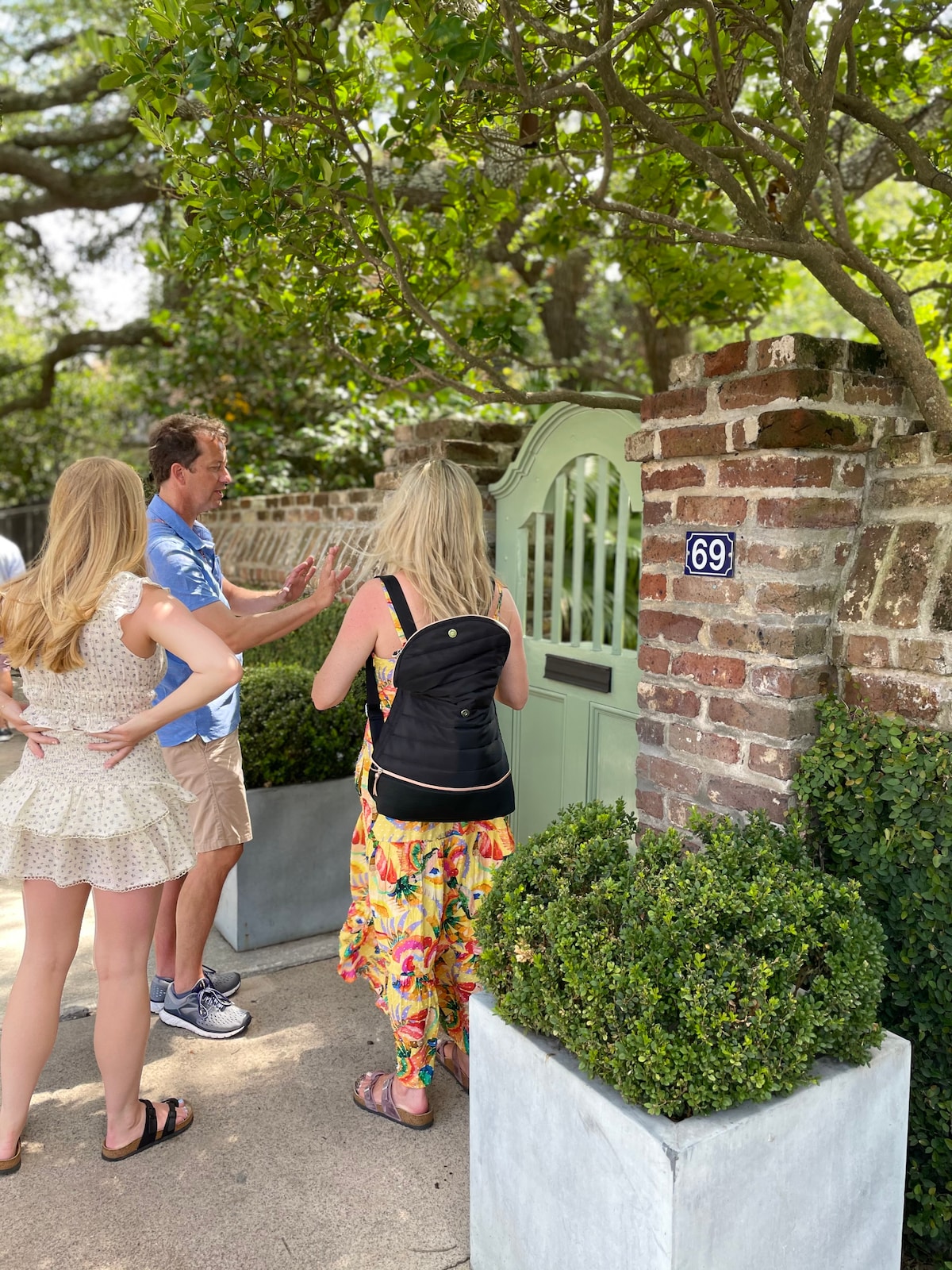
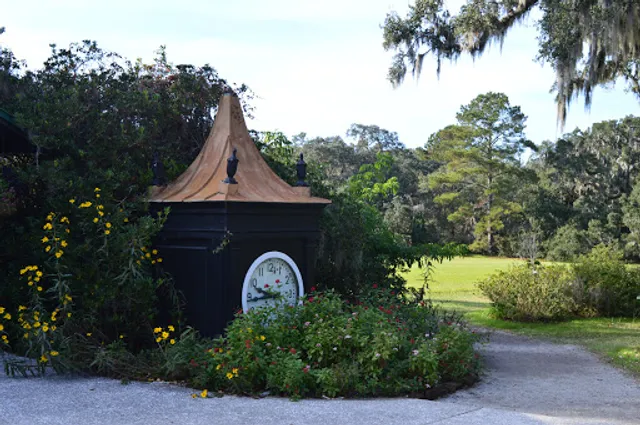
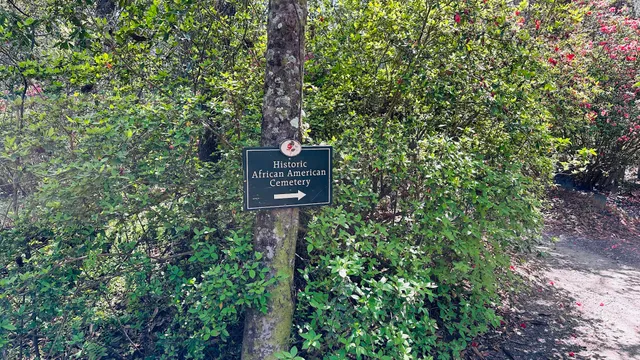
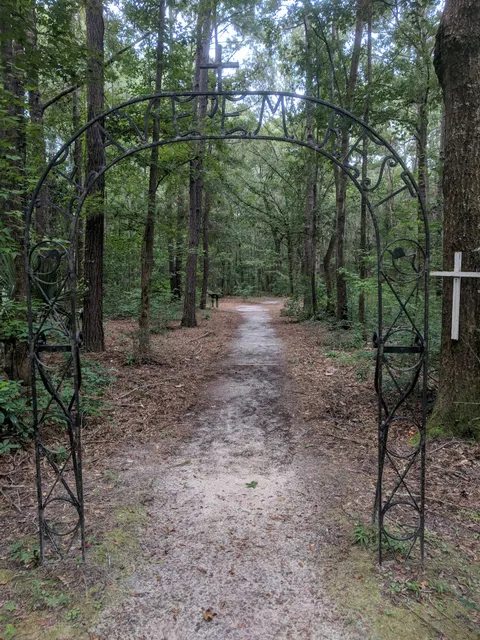
Here are some images that I thought were worth sharing from my visit there. One picture in particular is that of a brand owned by the Drayton family with which they would brand their human property. A reminder that much of what we have in this country was built upon the lives of others who were not given the choice to participate in the building of this country.
Iโm so glad to see more and more house museums and historic sites go in the direction of inclusivity. The interpretation of history should reflect all people, all backgrounds, and all possible...
ย ย ย Read morePrior to choosing this tour I thoroughly researched other plantations to determine the best option. I chose Drayton as I found multiple reviews stating how they were very informative and inclusive of the full history of America. Unfortunately, my wife and I found this tour extremely disappointing. During the initial meeting with our guide, she described what would be in store and referenced "how Europeans & Africans CAME TOGETHER to start America". It was at this point the tone was set for the information that would be shared. This tour was centered on the opulence of the dominant culture. Emphasis was put on the architecture, travels, and status of the slave master amongst his peers. There was a focus to tell his story absent the direct correlation with slavery. When "enslaved" persons were spoken of it was as if there was this respectful working relationship. Some examples include references from his journals such as; him feeling sorrow from the loss of 2 of his house slaves Jack & Dumpling. Multiple references to what he kept in his journal were made. We found it interesting that we had to ask questions regarding information directly relating to slaves. The tour guide would then explain that he did record notes regarding the the punishment of slaves in his journals. This information would not have been addressed if not asked. When addressed, it seemed a very slanted view primarily from the slavemaster's perspective. All that being said, our tour guide, Rosemary, was a very delightful lady. The tour was an eye-opener to the lack of I formation and truth NOT being shared regarding the history of America. It is a reminder of how far we have to go and the obstacles that remain. I would not recommend this tour to anyone and would prefer a refund. I had to give it 1 star just to review. I...
ย ย ย Read moreDid the candlelight tour of Drayton Hall. Overall itโs not a bad experience but Iโm a history nut and I disagree with many of the details the guide gave about the layout of the house and room usage. The explanations didnโt make sense based on the time periods included, like having the owner or his wife cross a formal parlor in order to visit the bedroom of the spouse. Not likely to have happened; bedrooms were generally connected by a back passageway so the family could have a sense of discretion.
It was explained that there is a lack of documents detailing day-to-day life within the hall, no problem, but the stories mainly focused on the slaves within the household and very little about to family which I found distracting. Iโd prefer to have details of all of the residents within a household so the stories can stand for themselves when telling the history. Having only one side, either side, is a disservice.
As others have mentioned, the house is unfurnished. Understanding the climate here is costal SC and the non-electrified house, itโs probably a good idea not to have furnishings in the house because of humidity. The museum was great and I do suggest reading the marriage contract if youโre able since it describes more details from that one moment than what you will get from much of the tour.
Overall, itโs promising, but not quite worth the cost of the tickets for the candlelight tour yet. Maybe itโll be better in...
ย ย ย Read more