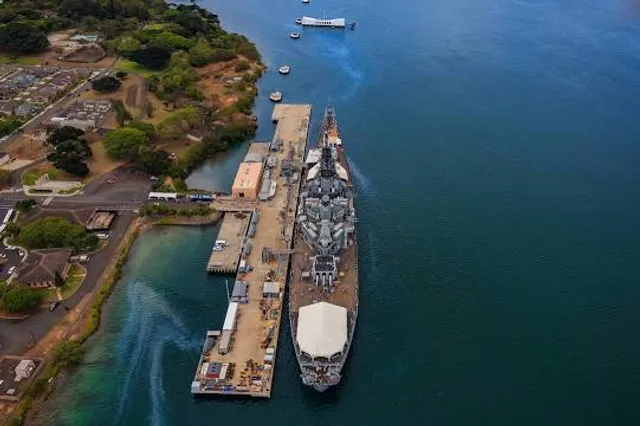
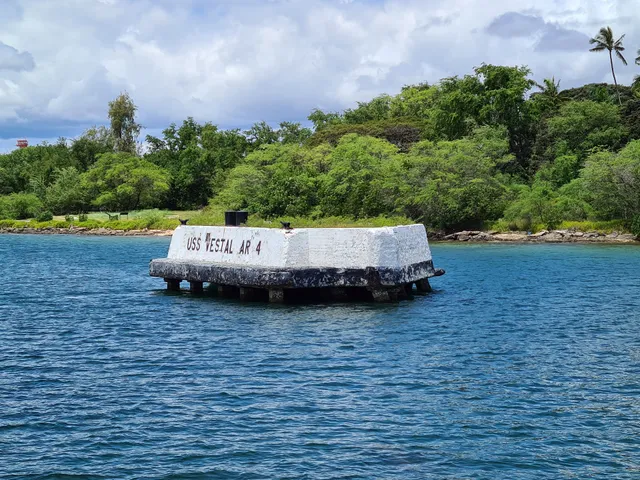
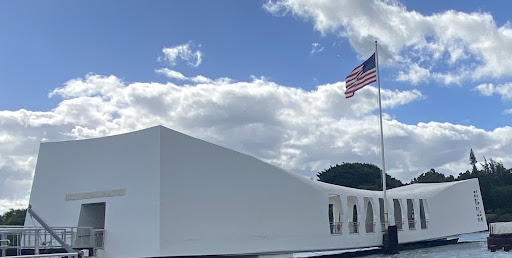
Location and Accessibility: The USS Arizona Memorial, located at Pearl Harbor in Honolulu, is easily accessible, about a 20-minute drive from downtown. Parking is ample and $7 (paid using phone app), and public transportation options are available.
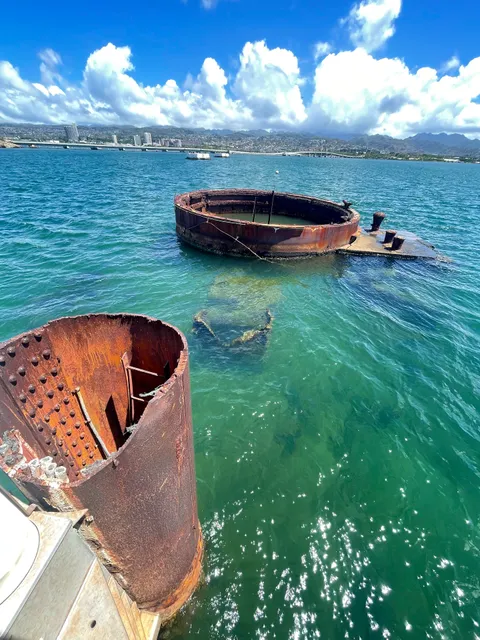
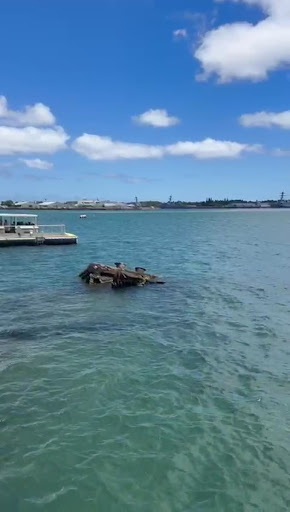
Historical Significance: The USS Arizona Memorial is a solemn tribute to the 1,177 crewmen who lost their lives when the battleship USS Arizona was sunk during the attack on Pearl Harbor on December 7, 1941. This event marked the United States’ entry into World War II, and the memorial stands as a reminder of the sacrifices made during that time. The structure is built over the remains of the sunken battleship, which still lies beneath the water, and oil can still be seen seeping from the ship’s hull, often referred to as the “tears of the Arizona.”
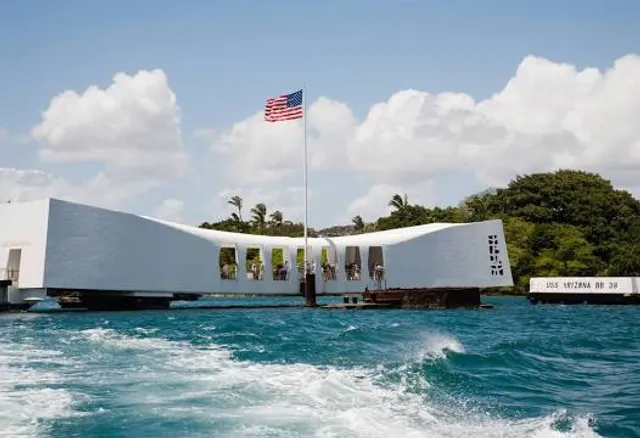
Visitor Center and Experience: The experience begins at the Pearl Harbor Visitor Center, offering exhibits, artifacts, and a 23-minute documentary. A boat ride takes visitors to the memorial, which is a simple, white pavilion divided into three sections: the entry room, assembly room, and shrine, where the names of the fallen are inscribed on a marble wall.
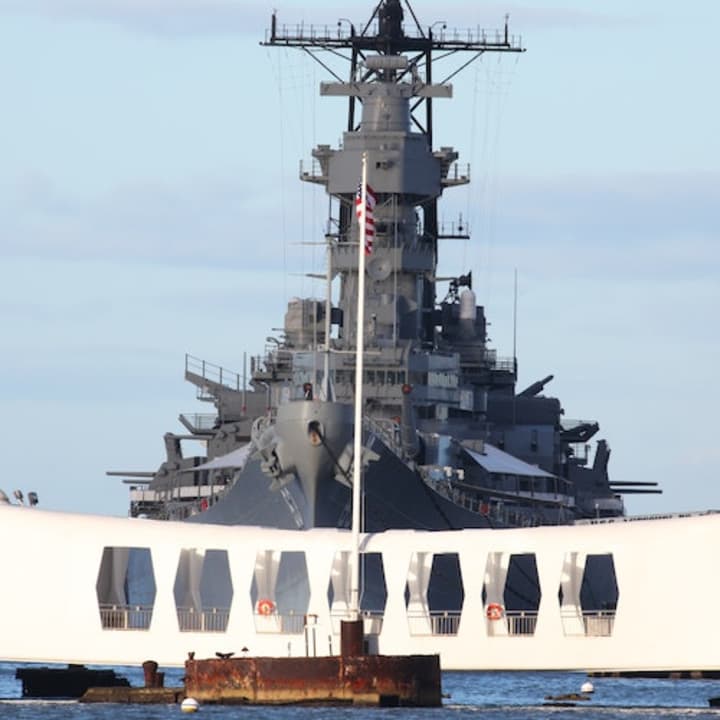
The Memorial: The USS Arizona Memorial itself is a striking and somber structure. It’s a simple, white, open-air pavilion that stretches across the mid-section of the sunken battleship. The memorial is designed in a way that evokes a sense of reverence and reflection. The interior is divided into three main sections: the entry room, the assembly room, and the shrine. The assembly room has seven large windows on either side and an opening in the ceiling, symbolizing eternal mourning for the lost sailors.
In the shrine room, the names of all the sailors and Marines who died on the USS Arizona are inscribed on a marble wall, providing a powerful visual representation of the loss. This is a place of deep reflection, and many visitors leave flowers or leis in memory of the fallen.
Guides and Information: Rangers and volunteers are knowledgeable, enhancing the visitor experience. The atmosphere is solemn and respectful, with visitors generally understanding the gravity of the site.
Facilities: The facilities are well-maintained, with modern boats, clean restrooms, a gift shop, and a café. The site is also accessible to those with disabilities.
Final Thoughts: Visiting the USS Arizona Memorial is an emotional and educational experience that should be on every visitor’s list when in Honolulu. It’s not just a visit to a historical site but a journey through a pivotal moment in American history that shaped the course of the 20th century. The memorial’s solemn beauty, coupled with the rich history it represents, leaves a lasting impact on all who visit. Whether you’re a history enthusiast or someone looking to pay respects, the USS Arizona Memorial is a powerful reminder of the sacrifices made...
Read morePearl Harbor's USS Arizona Memorial accomplishes something remarkable: it transforms tragedy into transcendence without sacrificing historical gravity. Alfred Preis's 1962 concrete shrine—initially dismissed as a "squashed milk carton"—now reads as a masterpiece that pioneered a distinctly American approach to commemorative space.
The memorial's genius lies in rejecting cemetery conventions. Rather than scattered headstones, Preis created a floating pavilion above an underwater tomb containing 900+ sailors eternally stationed in their steel sarcophagus. The effect is both intimate and monumental—1,177 names etched into marble humanize incomprehensible loss while the battleship's gun turrets, still visible beneath crystalline waters, serve as industrial-age relics frozen in time.
Architecturally, the three-room progression—entry, assembly, shrine—creates a carefully choreographed emotional journey. Twenty-one windows flood the interior with Hawaii's perpetual sunshine, creating an unexpectedly bright atmosphere that feels contemplative rather than mournful. The deliberate center sag, symbolizing "initial defeat and ultimate victory," demonstrates how architecture can embody complex narratives without heavy-handed metaphor.
The visitor experience reflects American democratic ideals in action. After annoying security protocols as this is an active naval base, guests—predominantly hearty heartland folk testing their adventure boundaries—enjoy a surprisingly swift 23-minute round trip that compresses anticipation into concentrated encounter. The efficiency feels almost theme-park-like until you're standing above those dead sailors, where place reasserts its weight.
Preis's modernist intervention enhances rather than competes with Pearl Harbor's natural beauty. Against swaying palms and trade winds, stark white concrete reads as bold sculpture that amplifies both the setting's serenity and the tragedy it commemorates.
The memorial succeeds where many contemporary monuments fail: it avoids sanitized patriotism and manipulative sentimentality, creating space for genuine reflection. Unlike traditional cemeteries designed for quiet contemplation, this floating shrine accommodates crowds while maintaining dignity—architectural and social engineering.
As America grapples with memorializing complex histories, the Arizona Memorial offers a compelling model: honoring the dead without dwelling in death, teaching history without lecturing, transforming national trauma into ongoing education. It's memorial-making at its most sophisticated.
The irony that this quintessentially American monument was designed by an Austrian refugee who fled Nazi persecution only deepens its significance as testament to democracy's capacity for self-reflection...
Read moreThe USS Arizona Memorial stands as a powerful testament to the valor and sacrifice of those who bravely fought during that chilling morning of December 7, 1941. This somber yet cathartic experience transcends words.
The moment you set foot on this solemn site, you are encapsulated in an overwhelming spirit of hallowed reverence, as around you resonates the bravery and undeniable resilience of the fallen men aboard the USS Arizona. A panorama of clear blue water punctuated by the sweeping views of the harbor manages to hold in time the chilling reality of that day and the endurance that followed in the wake of such deliberate chaos – a poignant reminder of resilience in face of adversity.
Despite the turbulent history, every corner of this living memorial embodies an atmosphere of poignant reflection. This is further deepened by the exemplary works of the dedicated and knowledgeable staff who elucidate the history with immense respect and poignant detail. Alongside, the accompanying museum boasts of a superbly archival collection which puts into perspective the narrative of those arduous times.
However, the most touching sight, by far, is the oil still leaking from the sunken wreckage - the 'Tears of the Arizona'. This ethereal manifestation imbues one with an overwhelming sense of the lives lost and stories untold, leaving behind a profound impact. And beneath it lies the final resting place of more than a thousand patriots who wrote the ultimate chapter of courage. Experiencing this indelible connection to them and their unyielding spirit is genuinely humbling.
For those who want to personally witness a pivotal slice of American history, the USS Arizona Memorial is an absolute must-visit. You leave the grounds not just with a deeper understanding of the events of December 7, 1941, but also infused with a profound gratitude and respect for those who selflessly laid down their lives for the love of their country.
Here's to the heroes of the USS Arizona! May we never forget the price they paid for...
Read more