A Living Volcano Kīlauea is not just a geological wonder—it’s a living, breathing force of nature. Located on the southeastern side of the Big Island, it is one of the most active volcanoes on Earth, with near-continuous activity from 1983 until 2018 and frequent eruptions since then.
For Hawaiians, Kīlauea is sacred. It’s believed to be the home of Pele, the volcano goddess, and visiting this place is not only an encounter with raw earth energy but a deep cultural experience.
🕰️ Visitor Experience 📍 Hawai‘i Volcanoes National Park Kīlauea is at the heart of Hawai‘i Volcanoes National Park, a UNESCO World Heritage site that offers an unforgettable mix of science, culture, and spectacle. The park itself covers over 300,000 acres, encompassing lava fields, craters, rainforests, and rare wildlife habitats.
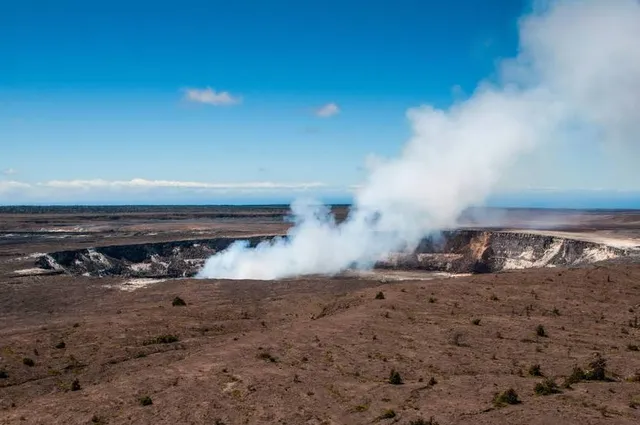
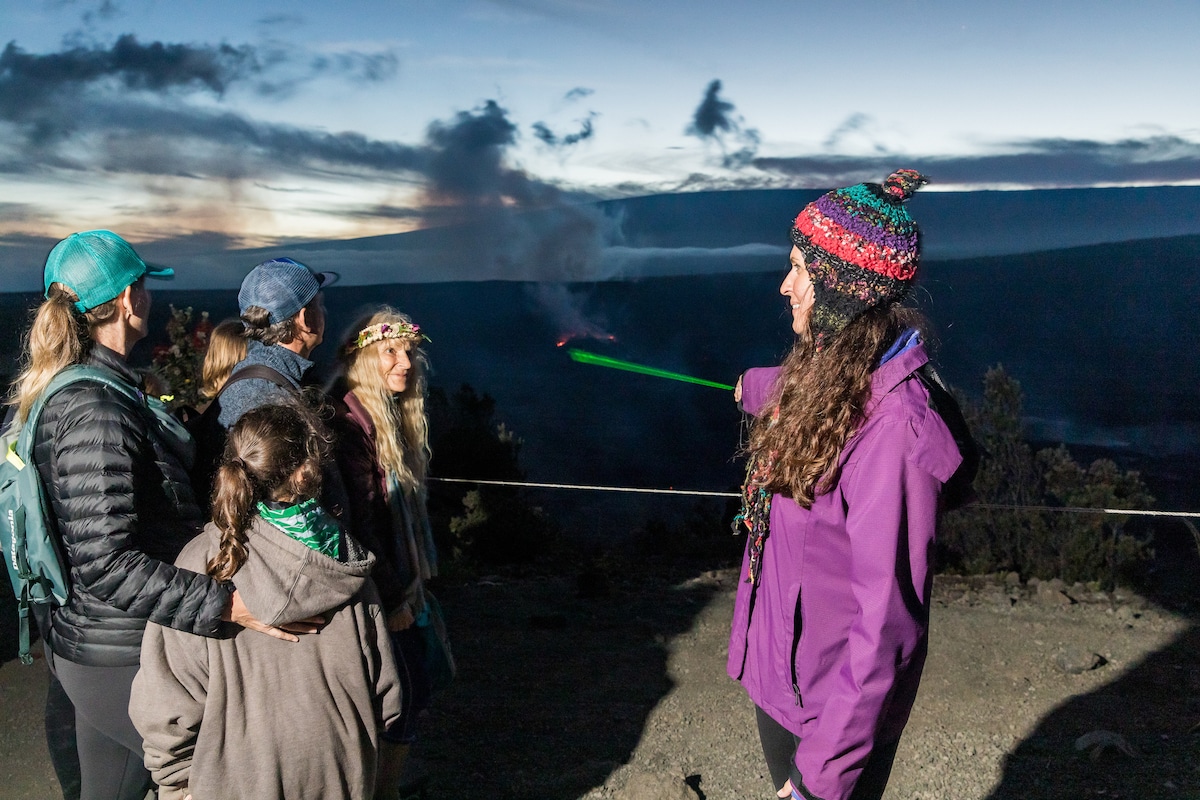
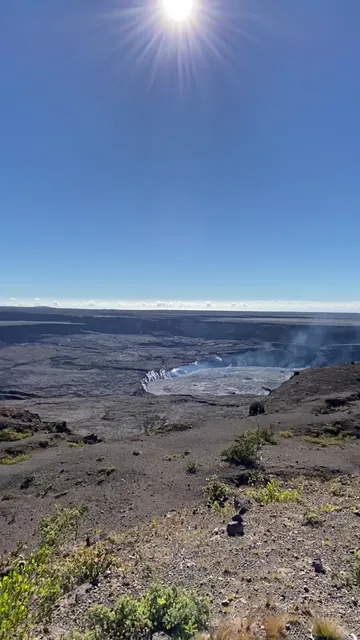
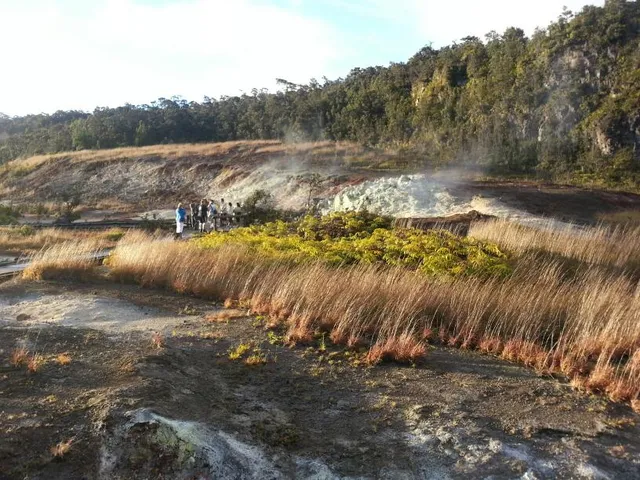
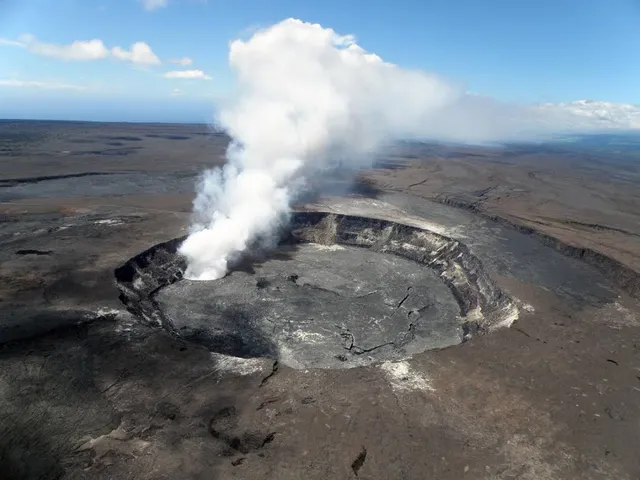
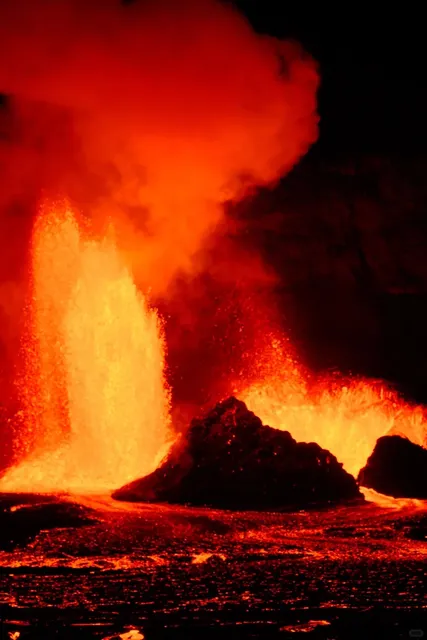
🏞️ Key Sites Around Kīlauea Kīlauea Caldera & Halemaʻumaʻu Crater: This is the star attraction. When active, glowing lava can be seen from designated viewpoints, especially after sunset—an absolutely surreal and humbling sight. Even during non-eruptive periods, steam vents and sulfurous gases create an otherworldly atmosphere.
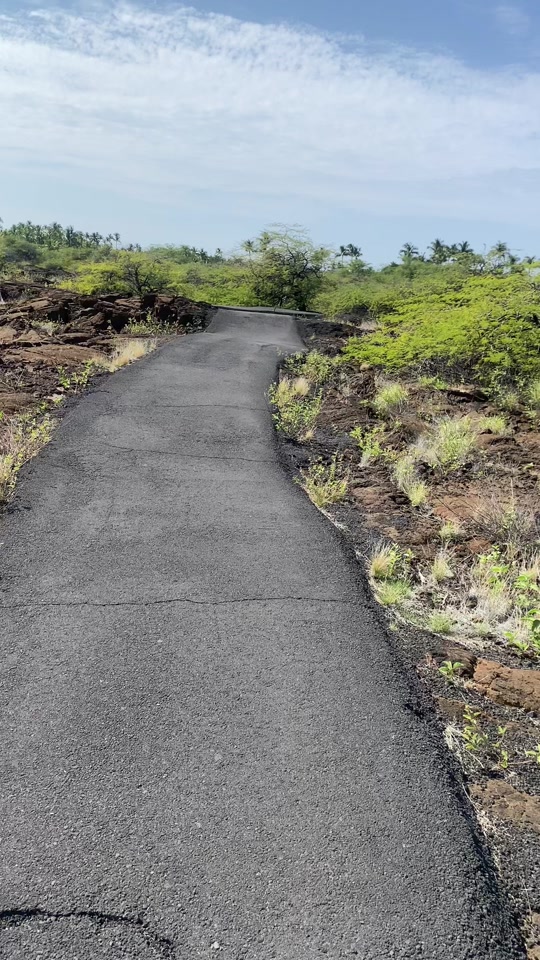
Crater Rim Drive & Chain of Craters Road: These scenic routes allow access to lookouts, pit craters, lava tubes, and oceanfront cliffs. Crater Rim Drive partially reopened after the 2018 collapse and is a must-do.
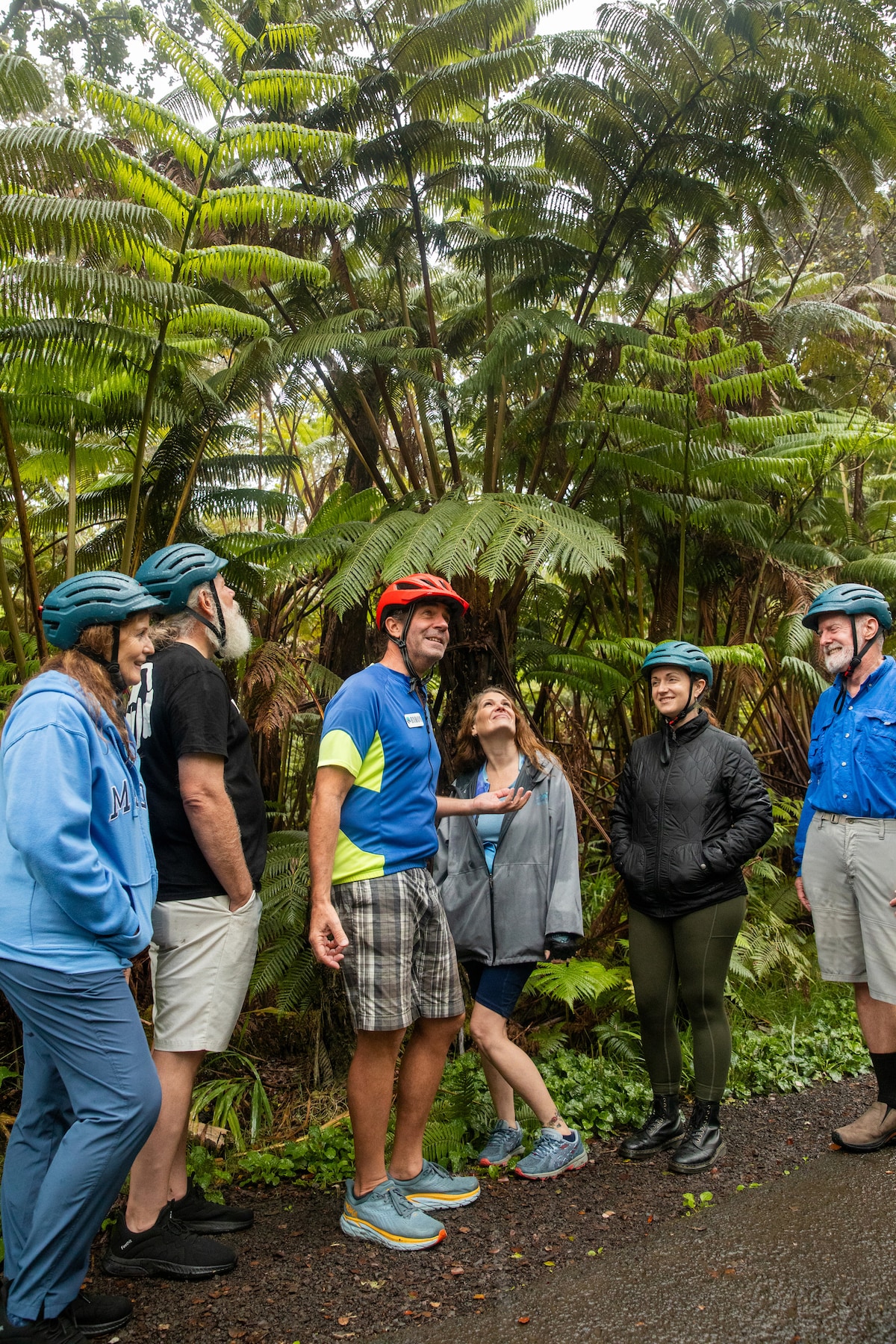
Nāhuku (Thurston Lava Tube): Walk through a real ancient lava tube surrounded by dense rainforest. It’s a short, family-friendly trail that feels like something from another planet.
Devastation Trail: A hauntingly beautiful walk through an area wiped out by a mid-20th-century eruption, now dotted with new vegetation.
Pu‘u Pua‘i Overlook and Keanakāko‘i Crater: Stunning viewpoints over collapsed craters and explosive eruption zones.
check the photolator guide to Hawaii on amazon...
Read more04/28/2025 (Mon) We saw only faint lava activity on the USGS YouTube livestream and heard that part of the trail had been closed due to a road collapse caused by recent earthquakes. Still, since we had already rented a car, we decided to come and check things out. We arrived around 4:30 a.m., and although it was still pitch dark, the stars were stunning. We walked to the current end of the trail as of today, and from a distance, we could see a faint red glow, which gave us a sense of the current volcanic activity.🌋As we returned to the parking lot around 5:30, the sound of birdsong surrounded us from all directions — a breathtaking, almost otherworldly experience that left us deeply moved🕊️🐦🌿🎶 05/06/2025 (Tue) During the day, we saw an incredible eruption being streamed live from a restaurant in Hilo. If we had headed there right after our meal, we probably could have witnessed the spectacular eruption in person. However, since this was our last chance to enjoy Hilo on this trip, we chose to spend the rest of the day by the ocean instead. Later that night, we decided we still wanted to see it, so we left around 9 p.m. Even though it takes about three hours from our hotel, we went anyway. We arrived just around midnight, and the eruption itself had already ended—we were only able to see the lava flowing afterward. Still, the sight of the glowing red lava streaming through the darkness felt mysterious and deeply moving. Thinking about how awe-inspiring the actual eruption must have been, we promised ourselves that next time we visit the Big Island, Kilauea Volcano will be our top...
Read moreKīlauea is a currently active shield volcano in the Hawaiian Islands, and the most active of the five volcanoes that together form the island of Hawaiʻi. Located along the southern shore of the island, the volcano is between 300,000 and 600,000 years old and emerged above sea level about 100,000 years ago.
It is the second youngest product of the Hawaiian hotspot and the current eruptive center of the Hawaiian–Emperor seamount chain. Because it lacks topographic prominence and its activities historically coincided with those of Mauna Loa, Kīlauea was once thought to be a satellite of its much larger neighbor. Structurally, Kīlauea has a large, fairly recently formed caldera at its summit and two active rift zones, one extending 125 km (78 mi) east and the other 35 km (22 mi) west, as an active fault of unknown depth moving vertically an average of 2 to 20 mm (0.1 to 0.8 in) per year.
Kīlauea has been erupting nearly continuously since 1983 and has caused considerable property damage, including the destruction of the town of Kalapana in 1990. On May 3, 2018, several lava vents opened in the lower Puna area, downrift from the summit. The new volcanic eruption was accompanied by a strong 6.9 earthquake, and nearly 2,000 residents were evacuated from Leilani Estates. By May 6, 2018 the eruption had destroyed 26 houses in the...
Read more