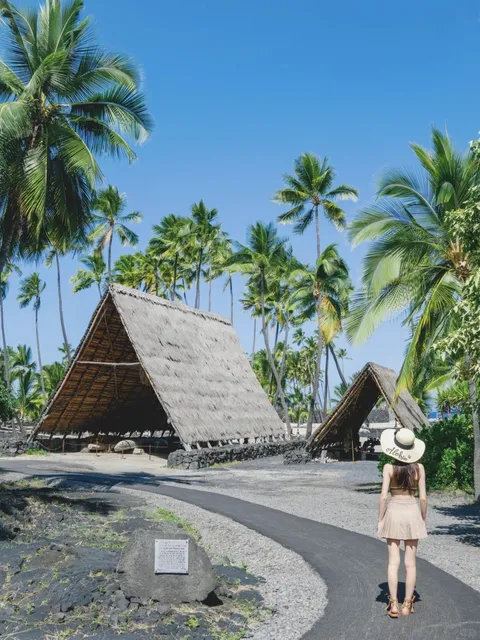
Puʻuhonua o Hōnaunau National Historical Park is a captivating destination that offers a profound glimpse into Hawaii’s rich cultural and historical heritage. Located on the Big Island’s scenic Kona Coast, this sacred site is steeped in history and surrounded by breathtaking natural beauty.
The park was once a place of refuge for ancient Hawaiians. In times of war or conflict, those who broke kapu (sacred laws) could seek sanctuary here and, after performing certain rituals, be forgiven and allowed to return to society. Walking through the park, you can feel the weight of its history and the spiritual significance it holds. The restored temple platforms, royal fishponds, and wooden kiʻi (carved statues) provide a vivid picture of what life was like in ancient Hawaii.
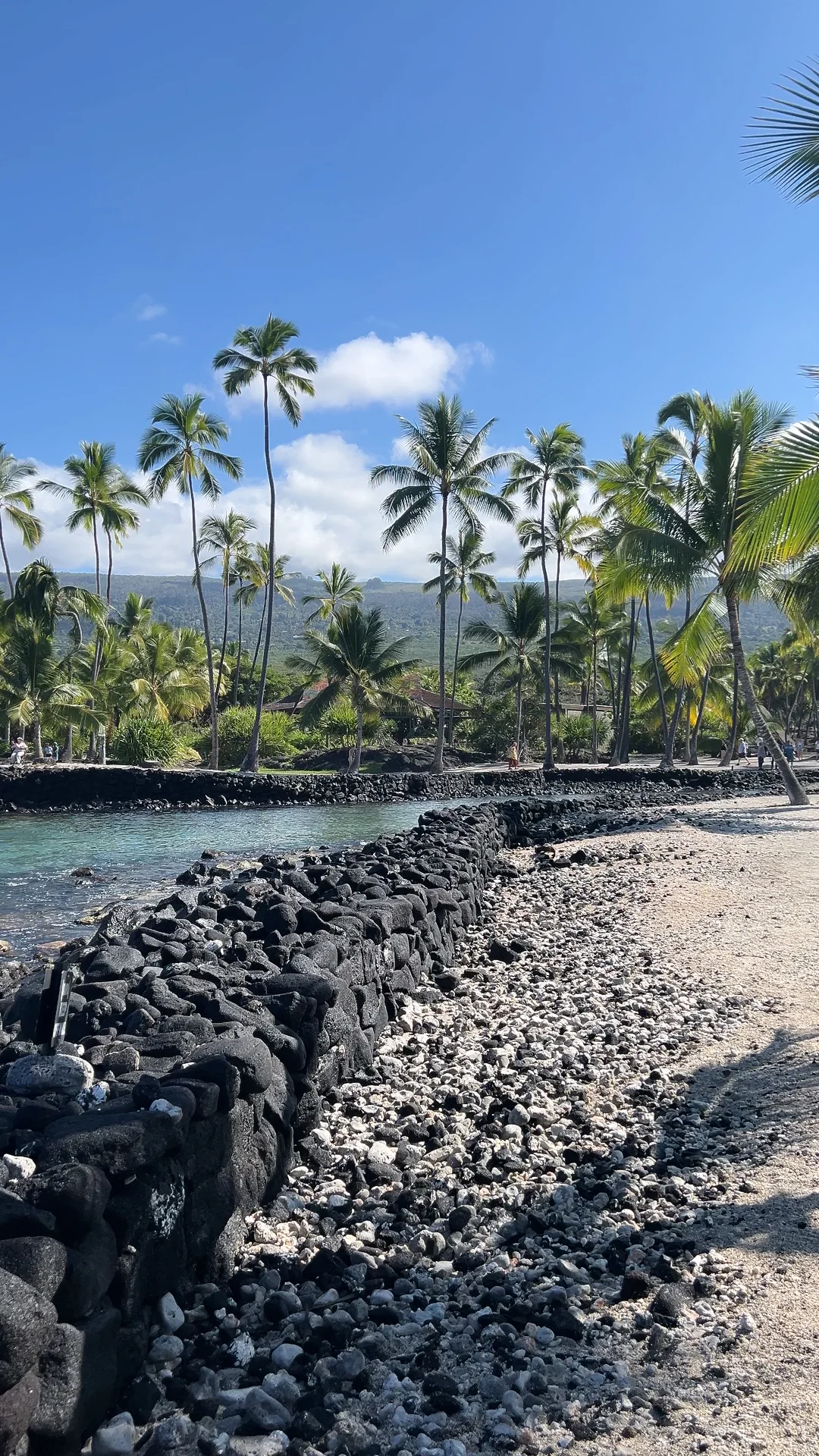
One of the highlights is the Great Wall, a massive stone structure that separates the royal grounds from the puʻuhonua (place of refuge). It’s an impressive feat of engineering and a powerful symbol of the site’s purpose. The park also features informative signage and exhibits that explain the history and cultural practices of the area, making it both educational and engaging.
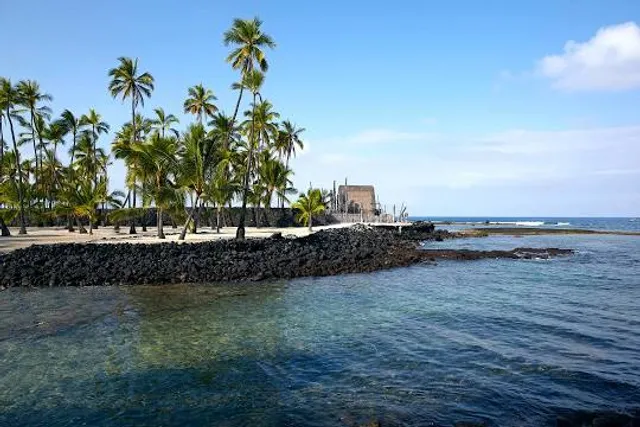
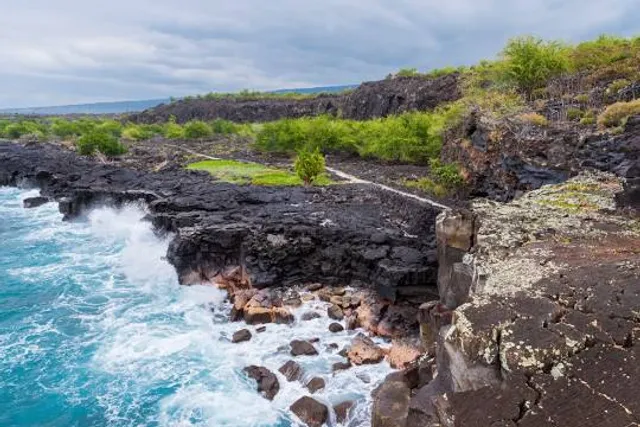
The natural setting is equally stunning, with lush palm trees, black lava rock coastlines, and the sparkling blue ocean as a backdrop. It’s a peaceful place to wander, reflect, and connect with Hawaii’s past. The nearby tidal pools and ocean views add to the park’s serene atmosphere.
While the park is relatively small, it’s packed with historical and cultural significance. It’s a great spot for history buffs, cultural enthusiasts, and anyone looking to experience a quieter, more reflective side of Hawaii. Be sure to bring water, sunscreen, and comfortable walking shoes, as the terrain can be uneven.
Puʻuhonua o Hōnaunau National Historical Park is a must-visit for anyone interested in Hawaiian history and culture. It’s a place where the past comes alive, offering a unique and meaningful experience that stays with you long...
Read moreA great raw sampling of Hawaiian culture, The City of Refuge also tells a story of a culture which took a totally different view to crime and punishment, as well as innovative approaches to fishing and farming. dilapidated over time, it's unfortunate that there's minimal effort put into pro-active preservation of the artifacts at this site.. none-the-less, the raw beauty of the location, and what remains of the artifacts is certainly worth a visit. There are several benches along a sandy stretch (not quite beach because it's not ocean front), and several fairly large tidal pools in lava rock. (Bring water shoes) Walk a bit further down the coast, and you'll come to one of the longer stretches of actual beach until you reach ho'okena. This site has no showers or water, they don't want you entering the water (particularly off the rocks), they don't allow flying kites, and it's a bit isolated. The same affordable ($25 last I got one I think) annual parks pass that allows entry to Volcano allows parking in the park, or you can park outside of the park and walk. There is always more than ample parking inside the park. Speaking of outside of the park... Two-step is immediately adjacent to The City of Refuge (Pu'uhonua O Honaunau National Historical Park), and is one of, if not the, best shore dive / snorkel / free dive sites in the Hawaii / the US. 200 yards from shore extends one of the most thriving and extensive coral reef system immediately offshore with a maximum depth of about 30'. At 200 yards from shore, a sand and coral shelf rapidly drops off to about 80', and the bay offers a maximum depth of just shy of 130'. Dolphins frequent the bay, as do deep water predators who patrol the shelf. Manta rays occassionally make an appearance, and all other reef critters you can see at these depths are present. Plenty of turtles, and the (completely harmless) white tip reef sharks have a few homes in some of the further...
Read moreIf you’re coming to see the tiki statues, you should temper your expectations. Currently the statues are all corralled behind a fence and in a circle—meaning you can’t get a good photo of them. And there’s orange fencing and yellow caution tape all around….. kinda hard to conjure an authentic “sacred Hawaiian” vibe with this type of scenery. Why isn’t there more thought into placing these (apparently very important) relics around the site?
There’s a sign on the orange gate saying that our admission fee is going towards making the site look better. That’s nice and all for the people who visit here in the future… but I’m the one paying to be here now and it’s weak sauce.
The whole thing seems low effort. There’s minimal information provided about what you’re seeing. You get a pamphlet that lists about 13 “sites” to check out, and there’s 1 sentence provided for each part. The other national parks we visited were not only free, but there was a lot more information provided to learn from.
Tip: the workers seem to leave at 4:30pm but the gates are left open. If you arrive after this time, you can get in for free and avoid talking to the unhappy lady who charges you for entering. This is incredibly insulting for people like us who arrive at 4:15pm and pay the full price but I hope others avoid the disappointment we felt after looking forward to...
Read more