HTML SitemapExplore
logo
Find Things to DoFind The Best Restaurants

Tulare Lake — Attraction in Lemoore

Name
Tulare Lake
Description
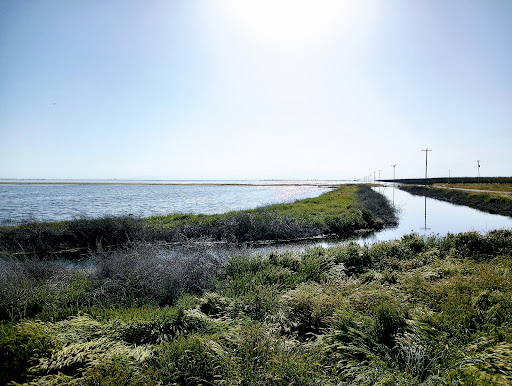
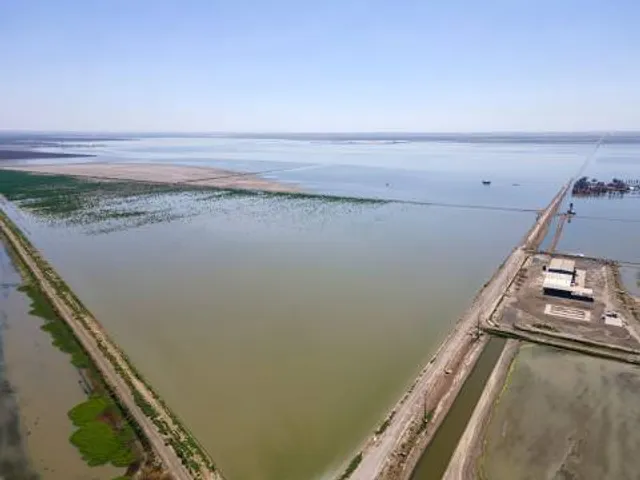
Tulare Lake or Tache Lake is a freshwater lake in the southern San Joaquin Valley, California, United States. Historically, Tulare Lake was once the largest freshwater lake west of the Mississippi River, and the second-largest freshwater lake entirely in the United States based upon surface area.
Nearby attractions
Nearby restaurants
Nearby hotels
Related posts
Keywords
Tulare Lake tourism.Tulare Lake hotels.Tulare Lake bed and breakfast. flights to Tulare Lake.Tulare Lake attractions.Tulare Lake restaurants.Tulare Lake travel.Tulare Lake travel guide.Tulare Lake travel blog.Tulare Lake pictures.Tulare Lake photos.Tulare Lake travel tips.Tulare Lake maps.Tulare Lake things to do.
Tulare Lake things to do, attractions, restaurants, events info and trip planning
Tulare Lake
United StatesCaliforniaLemooreTulare Lake

Basic Info

Tulare Lake

California 93266
4.3(75)
Open 24 hours
Save
spot

Ratings & Description

Info

Tulare Lake or Tache Lake is a freshwater lake in the southern San Joaquin Valley, California, United States. Historically, Tulare Lake was once the largest freshwater lake west of the Mississippi River, and the second-largest freshwater lake entirely in the United States based upon surface area.

Outdoor
Scenic
Family friendly
Pet friendly
Off the beaten path
attractions: , restaurants:
logoLearn more insights from Wanderboat AI.

Plan your stay

hotel
Pet-friendly Hotels in Lemoore
Find a cozy hotel nearby and make it a full experience.
hotel
Affordable Hotels in Lemoore
Find a cozy hotel nearby and make it a full experience.
hotel
The Coolest Hotels You Haven't Heard Of (Yet)
Find a cozy hotel nearby and make it a full experience.
hotel
Trending Stays Worth the Hype in Lemoore
Find a cozy hotel nearby and make it a full experience.

Reviews

Things to do nearby

Photos with Santa at Winter Wonderland
Thu, Dec 11 • 4:15 PM
400 North Douty Street, Hanford, CA 93230
View details
Suicide Prevention Support Group~ Purposeful Life In The Light
Thu, Dec 11 • 6:30 PM
115 Mall Drive, Hanford, CA 93230
View details
Line Dance Class
Line Dance Class
Fri, Dec 12 • 5:15 PM
721 West Cinnamon Drive, Lemoore, CA 93245
View details
Get the Appoverlay
Get the AppOne tap to find yournext favorite spots!
Wanderboat LogoWanderboat

Your everyday Al companion for getaway ideas

CompanyAbout Us
InformationAI Trip PlannerSitemap
SocialXInstagramTiktokLinkedin
LegalTerms of ServicePrivacy Policy

Get the app

© 2025 Wanderboat. All rights reserved.
logo

Reviews of Tulare Lake

4.3
(75)
avatar
5.0
2y

Tulare Lake: A Historic and Evolving Landscape ​Tulare Lake, often called the "ghost lake," is a fascinating and dynamic feature of California's Central Valley. Before modern agricultural and water diversion practices, it was the largest freshwater lake west of the Mississippi River, a massive body of water covering up to 800 square miles. The lake's history is tied to the dramatic changes in the environment and the human population that has called the region home. ​Pre-1850s: The Original Inhabitants ​For over 10,000 years, the area was home to the Tachi Yokuts, Chunut, and Wowol nations. The Yokuts people, in particular, lived on the shores of the lake, which they called "Pa'ashi" or "big water." They relied on the lake's abundant resources for sustenance, building tule boats for fishing and transportation, hunting, and trading with other tribes. The region was a vibrant and thriving ecosystem supporting a rich culture and way of life. ​Post-1850s: Settlers and the Agricultural Transformation ​The arrival of European settlers in the mid-19th century brought a dramatic shift. Drawn by the fertile land, they began diverting the rivers that fed the lake for irrigation, a practice that would eventually cause the lake to shrink and, by the early 20th century, completely dry up. This transformation of the landscape led to the displacement of the Indigenous communities. ​The town of Corcoran was founded in 1905 by land developer H.J. Whitley, who saw the agricultural potential of the now-dry lakebed. The town grew quickly as it became a hub for the burgeoning cotton industry, attracting a diverse workforce. Over time, the area's economy became almost entirely dependent on agriculture, a legacy that continues to this day. The Hansen family, a notable example of early settlers, battled the periodic flooding of the basin and helped establish the Corcoran Irrigation District to manage the challenging environment. ​The 2023 Flood: A Resurgence ​For decades, the Tulare Lake basin was a vast expanse of farmland. However, the historic and unprecedented atmospheric rivers of the winter of 2023 caused the lake to re-emerge for the first time since 1997. The massive snowpack in the Sierra Nevada melted and flowed into the valley, inundating tens of thousands of acres of agricultural land, including areas around Corcoran. ​The floodwaters, which at their peak covered over 111,000 acres, had a profound impact on the region's people and economy. While farmers faced immense crop and financial losses, the re-emergence of the lake also held significant cultural meaning for the Tachi Yokuts, who saw the return of their ancestral "Pa'ashi." The flood highlighted the long-standing tension between the lake's natural cycles and the human-made landscape of agriculture. It also brought to light the issue of land subsidence in the Central Valley—the ground has sunk in some areas due to excessive groundwater pumping, making the region even more susceptible to flooding. ​The flood of 2023 served as a stark reminder of Tulare Lake's powerful history and its potential to return, reminding both current residents and future generations of the land's...

   Read more

avatar
3.0
2y

I'm anxious to go see Tulare Lake but I think a lot of people especially on the environmental restoration side don't realize this is not really a lake it's really just a low spot in the topography ,a marsh area. (Edit i just read some information that says the average depth at full capacity would be 37ft, sooooo, what average means with such a large shoreline is open to debate) So yes, some Wildlife would flourish but also tules, mosquitoes and probably not the best of species of fish. Probably not the best of agriculture ground either but as long as you have quality water the soil doesn't have to be great,it mostly needs about 10 months of growing season. Look further south at the Salton Sea/ imperial Valley, A true desert that needs imported water but a very productive area. Maybe now tulare lake could be transitioned into a groundwater recharge area but that would unfortunately cost millions/billions of dollars to buy out the land holders, (who did cause most of the problems in the first place) where will our future...

   Read more
avatar
5.0
2y

Now that was cool! I had to work hard to find out how and where to travel to see Tulare Lake, and thanks go to other reviewers here on suggesting locations. Based on their suggestions, I zoomed in on Google Maps and found the closed roads that defined the lake perimeter. I probably should've done that from the beginning. For those who are traveling N/S on I-5 through Harris Ranch (like us), take the extra time required to drive 30+ miles each way to this spot. We didn't see the lake at all until just before reaching this spot - what a revelation once we got there! This is worth checking out to see a once in a generation phenomenon. We totally empathize with those who have lost equipment, homes and livelihood because of this flood, but our actually showing up to see this is (IMHO) our necessary act of witness. Check out my attempts to catch the scale of this thing, with my panoramic (180 degrees) shots -...

   Read more
Page 1 of 7
Previous
Next

Posts

Outdoors Beyond Nature1980Outdoors Beyond Nature1980
Tulare Lake: A Historic and Evolving Landscape ​Tulare Lake, often called the "ghost lake," is a fascinating and dynamic feature of California's Central Valley. Before modern agricultural and water diversion practices, it was the largest freshwater lake west of the Mississippi River, a massive body of water covering up to 800 square miles. The lake's history is tied to the dramatic changes in the environment and the human population that has called the region home. ​Pre-1850s: The Original Inhabitants ​For over 10,000 years, the area was home to the Tachi Yokuts, Chunut, and Wowol nations. The Yokuts people, in particular, lived on the shores of the lake, which they called "Pa'ashi" or "big water." They relied on the lake's abundant resources for sustenance, building tule boats for fishing and transportation, hunting, and trading with other tribes. The region was a vibrant and thriving ecosystem supporting a rich culture and way of life. ​Post-1850s: Settlers and the Agricultural Transformation ​The arrival of European settlers in the mid-19th century brought a dramatic shift. Drawn by the fertile land, they began diverting the rivers that fed the lake for irrigation, a practice that would eventually cause the lake to shrink and, by the early 20th century, completely dry up. This transformation of the landscape led to the displacement of the Indigenous communities. ​The town of Corcoran was founded in 1905 by land developer H.J. Whitley, who saw the agricultural potential of the now-dry lakebed. The town grew quickly as it became a hub for the burgeoning cotton industry, attracting a diverse workforce. Over time, the area's economy became almost entirely dependent on agriculture, a legacy that continues to this day. The Hansen family, a notable example of early settlers, battled the periodic flooding of the basin and helped establish the Corcoran Irrigation District to manage the challenging environment. ​The 2023 Flood: A Resurgence ​For decades, the Tulare Lake basin was a vast expanse of farmland. However, the historic and unprecedented atmospheric rivers of the winter of 2023 caused the lake to re-emerge for the first time since 1997. The massive snowpack in the Sierra Nevada melted and flowed into the valley, inundating tens of thousands of acres of agricultural land, including areas around Corcoran. ​The floodwaters, which at their peak covered over 111,000 acres, had a profound impact on the region's people and economy. While farmers faced immense crop and financial losses, the re-emergence of the lake also held significant cultural meaning for the Tachi Yokuts, who saw the return of their ancestral "Pa'ashi." The flood highlighted the long-standing tension between the lake's natural cycles and the human-made landscape of agriculture. It also brought to light the issue of land subsidence in the Central Valley—the ground has sunk in some areas due to excessive groundwater pumping, making the region even more susceptible to flooding. ​The flood of 2023 served as a stark reminder of Tulare Lake's powerful history and its potential to return, reminding both current residents and future generations of the land's ancient past.
Kevin ShortKevin Short
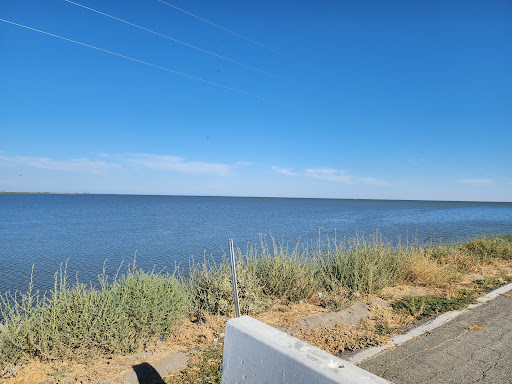
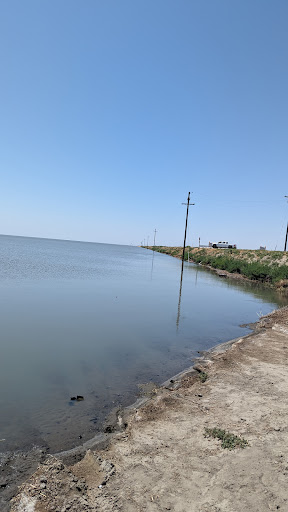
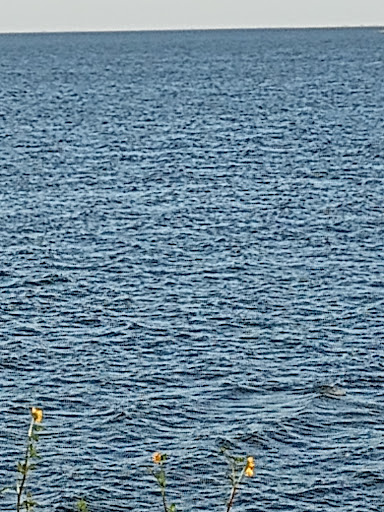
Now that was cool! I had to work hard to find out how and where to travel to see Tulare Lake, and thanks go to other reviewers here on suggesting locations. Based on their suggestions, I zoomed in on Google Maps and found the closed roads that defined the lake perimeter. I probably should've done that from the beginning. For those who are traveling N/S on I-5 through Harris Ranch (like us), take the extra time required to drive 30+ miles each way to this spot. We didn't see the lake at all until just before reaching this spot - what a revelation once we got there! This is worth checking out to see a once in a generation phenomenon. We totally empathize with those who have lost equipment, homes and livelihood because of this flood, but our actually showing up to see this is (IMHO) our necessary act of witness. Check out my attempts to catch the scale of this thing, with my panoramic (180 degrees) shots - north to south.
Andrea RAndrea R
The actual location where you can park and take a closer look is on 19th Ave/Manteca. There are different ways to arrive at this location but you will see some road blocks and detour signs. I recommend reading the background behind this lake in order to truly appreciate the current state of the lake.
See more posts
See more posts
hotel
Find your stay

Pet-friendly Hotels in Lemoore

Find a cozy hotel nearby and make it a full experience.

Tulare Lake: A Historic and Evolving Landscape ​Tulare Lake, often called the "ghost lake," is a fascinating and dynamic feature of California's Central Valley. Before modern agricultural and water diversion practices, it was the largest freshwater lake west of the Mississippi River, a massive body of water covering up to 800 square miles. The lake's history is tied to the dramatic changes in the environment and the human population that has called the region home. ​Pre-1850s: The Original Inhabitants ​For over 10,000 years, the area was home to the Tachi Yokuts, Chunut, and Wowol nations. The Yokuts people, in particular, lived on the shores of the lake, which they called "Pa'ashi" or "big water." They relied on the lake's abundant resources for sustenance, building tule boats for fishing and transportation, hunting, and trading with other tribes. The region was a vibrant and thriving ecosystem supporting a rich culture and way of life. ​Post-1850s: Settlers and the Agricultural Transformation ​The arrival of European settlers in the mid-19th century brought a dramatic shift. Drawn by the fertile land, they began diverting the rivers that fed the lake for irrigation, a practice that would eventually cause the lake to shrink and, by the early 20th century, completely dry up. This transformation of the landscape led to the displacement of the Indigenous communities. ​The town of Corcoran was founded in 1905 by land developer H.J. Whitley, who saw the agricultural potential of the now-dry lakebed. The town grew quickly as it became a hub for the burgeoning cotton industry, attracting a diverse workforce. Over time, the area's economy became almost entirely dependent on agriculture, a legacy that continues to this day. The Hansen family, a notable example of early settlers, battled the periodic flooding of the basin and helped establish the Corcoran Irrigation District to manage the challenging environment. ​The 2023 Flood: A Resurgence ​For decades, the Tulare Lake basin was a vast expanse of farmland. However, the historic and unprecedented atmospheric rivers of the winter of 2023 caused the lake to re-emerge for the first time since 1997. The massive snowpack in the Sierra Nevada melted and flowed into the valley, inundating tens of thousands of acres of agricultural land, including areas around Corcoran. ​The floodwaters, which at their peak covered over 111,000 acres, had a profound impact on the region's people and economy. While farmers faced immense crop and financial losses, the re-emergence of the lake also held significant cultural meaning for the Tachi Yokuts, who saw the return of their ancestral "Pa'ashi." The flood highlighted the long-standing tension between the lake's natural cycles and the human-made landscape of agriculture. It also brought to light the issue of land subsidence in the Central Valley—the ground has sunk in some areas due to excessive groundwater pumping, making the region even more susceptible to flooding. ​The flood of 2023 served as a stark reminder of Tulare Lake's powerful history and its potential to return, reminding both current residents and future generations of the land's ancient past.
Outdoors Beyond Nature1980

Outdoors Beyond Nature1980

hotel
Find your stay

Affordable Hotels in Lemoore

Find a cozy hotel nearby and make it a full experience.

Get the Appoverlay
Get the AppOne tap to find yournext favorite spots!
Now that was cool! I had to work hard to find out how and where to travel to see Tulare Lake, and thanks go to other reviewers here on suggesting locations. Based on their suggestions, I zoomed in on Google Maps and found the closed roads that defined the lake perimeter. I probably should've done that from the beginning. For those who are traveling N/S on I-5 through Harris Ranch (like us), take the extra time required to drive 30+ miles each way to this spot. We didn't see the lake at all until just before reaching this spot - what a revelation once we got there! This is worth checking out to see a once in a generation phenomenon. We totally empathize with those who have lost equipment, homes and livelihood because of this flood, but our actually showing up to see this is (IMHO) our necessary act of witness. Check out my attempts to catch the scale of this thing, with my panoramic (180 degrees) shots - north to south.
Kevin Short

Kevin Short

hotel
Find your stay

The Coolest Hotels You Haven't Heard Of (Yet)

Find a cozy hotel nearby and make it a full experience.

hotel
Find your stay

Trending Stays Worth the Hype in Lemoore

Find a cozy hotel nearby and make it a full experience.

The actual location where you can park and take a closer look is on 19th Ave/Manteca. There are different ways to arrive at this location but you will see some road blocks and detour signs. I recommend reading the background behind this lake in order to truly appreciate the current state of the lake.
Andrea R

Andrea R

See more posts
See more posts