HTML SitemapExplore
logo
Find Things to DoFind The Best Restaurants

Earthquake Lake — Attraction in Montana

Name
Earthquake Lake
Description
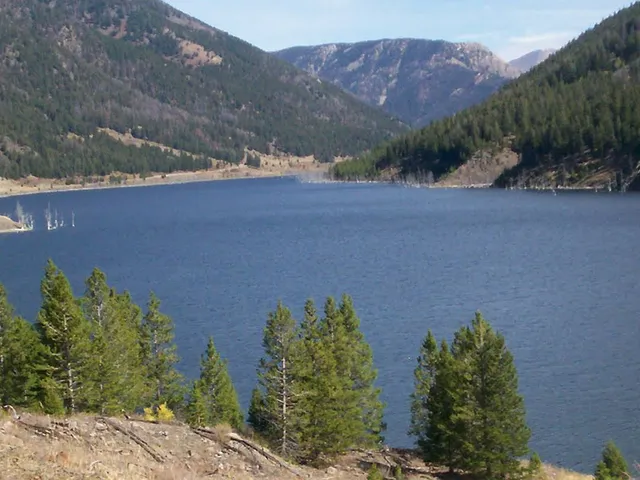
Quake Lake is a lake in the western United States, on the Madison River in southwestern Montana. It was created after an earthquake struck on August 17, 1959, with 28 fatalities. Northwest of West Yellowstone, Quake Lake is six miles in length with a maximum depth of 125 feet.
Nearby attractions
Nearby restaurants
Nearby hotels
Related posts
Keywords
Earthquake Lake tourism.Earthquake Lake hotels.Earthquake Lake bed and breakfast. flights to Earthquake Lake.Earthquake Lake attractions.Earthquake Lake restaurants.Earthquake Lake travel.Earthquake Lake travel guide.Earthquake Lake travel blog.Earthquake Lake pictures.Earthquake Lake photos.Earthquake Lake travel tips.Earthquake Lake maps.Earthquake Lake things to do.
Earthquake Lake things to do, attractions, restaurants, events info and trip planning
Earthquake Lake
United StatesMontanaEarthquake Lake

Basic Info

Earthquake Lake

Montana
4.8(128)
Open 24 hours
Save
spot

Ratings & Description

Info

Quake Lake is a lake in the western United States, on the Madison River in southwestern Montana. It was created after an earthquake struck on August 17, 1959, with 28 fatalities. Northwest of West Yellowstone, Quake Lake is six miles in length with a maximum depth of 125 feet.

Outdoor
Adventure
Scenic
Family friendly
Pet friendly
attractions: , restaurants:
logoLearn more insights from Wanderboat AI.

Plan your stay

hotel
Pet-friendly Hotels in Montana
Find a cozy hotel nearby and make it a full experience.
hotel
Affordable Hotels in Montana
Find a cozy hotel nearby and make it a full experience.
hotel
The Coolest Hotels You Haven't Heard Of (Yet)
Find a cozy hotel nearby and make it a full experience.
hotel
Trending Stays Worth the Hype in Montana
Find a cozy hotel nearby and make it a full experience.

Reviews

Get the Appoverlay
Get the AppOne tap to find yournext favorite spots!
Wanderboat LogoWanderboat

Your everyday Al companion for getaway ideas

CompanyAbout Us
InformationAI Trip PlannerSitemap
SocialXInstagramTiktokLinkedin
LegalTerms of ServicePrivacy Policy

Get the app

© 2025 Wanderboat. All rights reserved.
logo

Reviews of Earthquake Lake

4.8
(128)
avatar
5.0
1y

A Natural Marvel Born of Tragedy. Earthquake Lake, locally known as Quake Lake, is a picturesque yet poignant reminder of nature's raw power, located in the Madison Canyon of southwestern Montana, about 27 miles northwest of West Yellowstone. This stunning body of water was formed in the wake of a devastating earthquake on August 17, 1959. Today, it stands as both a natural wonder and a memorial to the lives lost in the disaster.

Formation and Historical Significance: Earthquake Lake was created when a massive 7.5 magnitude earthquake caused an enormous landslide, damming the Madison River and resulting in the creation of the lake. The landslide carried 80 million tons of rock and debris, burying a campground and blocking the river's flow, causing the water to rise rapidly and form the lake. Tragically, 28 people lost their lives in the earthquake and subsequent landslide, and the event dramatically altered the landscape.

Geological and Hydrological Features:

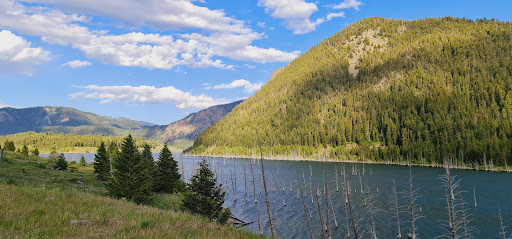
Size and Depth: Earthquake Lake stretches approximately 6 miles in length and covers an area of about 1,200 acres. It reaches depths of up to 190 feet. Landslide Scarp: The sheer cliff left behind by the landslide is a striking geological feature, illustrating the sheer force of the event. The scarp towers over the lake, providing a dramatic backdrop and a visual reminder of the earthquake’s impact. "Ghost Trees": One of the lake’s most haunting and distinctive features is the stand of dead trees that emerge from its waters. These "ghost trees" were submerged when the valley flooded and now serve as stark, skeletal reminders of the forest that once thrived in the canyon. Ecological and Recreational Aspects:

Wildlife Habitat: Earthquake Lake and its surrounding area support a diverse range of wildlife, including deer, elk, moose, and various bird species. The lake’s ecosystem is rich with aquatic life, making it a popular spot for fishing, particularly for species like trout. Recreation: Visitors to Earthquake Lake can engage in various recreational activities such as boating, fishing, and hiking. The area offers stunning views, and the unique landscape provides ample opportunities for photography and nature observation. Visitor Center: The Earthquake Lake Visitor Center, operated by the U.S. Forest Service, offers educational exhibits and detailed accounts of the earthquake and its aftermath. It features displays of geological phenomena, survivor stories, and a viewing area overlooking the lake and landslide area. The center provides valuable insights into the natural history and ongoing geological processes of the region. Accessibility and Surroundings:

Scenic Byway: Earthquake Lake is accessible via the scenic Highway 287, which runs through the Madison River Valley. The drive offers breathtaking views of the surrounding mountains and valleys, making it a popular route for travelers exploring southwestern Montana. Nearby Attractions: The lake is located near Yellowstone National Park, offering visitors additional opportunities to explore one of the nation’s most iconic natural landscapes. The area around Earthquake Lake is also known for its abundant outdoor activities, including hiking, camping, and wildlife viewing. Memorial and Legacy:

Quake Lake Memorial: At the Visitor Center and surrounding areas, memorial plaques and markers commemorate the lives lost during the earthquake. These memorials provide a place for reflection and remembrance, honoring those affected by the natural disaster. Educational Value: Earthquake Lake serves as a significant educational site, providing insights into earthquake dynamics, landslide geology, and the resilience of nature. It attracts geologists, students, and nature enthusiasts interested in studying the effects of natural disasters on the...

   Read more

avatar
5.0
3y

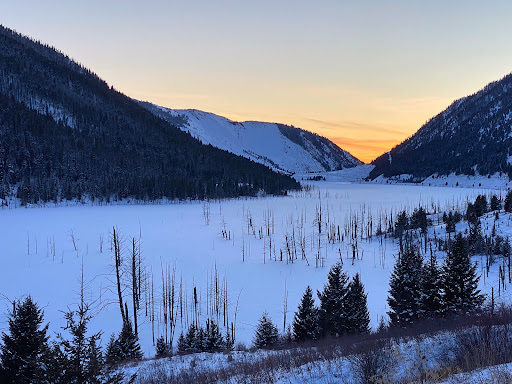
YES, this place is worth visiting, both in summer and in winter! If you are traveling to Yellowstone National Park, make the effort to go a bit out of your way to Earthquake Lake! It takes a little while to drive to, but it is a very unique place!

Earthquake Lake was formed not too long ago by one of the most powerful earthquakes in recent Yellowstone history. A landslide occurred, blocking off a river, and the area began to flood. Many people camping by the river died from this event unfortunately, and yet the lake is still here, decades later.

Earthquake Lake is so unusual as it still has many of the trunks from trees poking out of the water. These trees used to be on dry land alongside the river, but when it flooded, they died, and just the trunks remain. Also be sure to head up through the pass to see toward Idaho - if you’re there at sunset, it amounts for some beautiful photos.

There is a visitor center, gift shop, ample parking, some hiking trails, and various turnouts along the road so you can get some pictures of the lake. It’s worth visiting - I really...

   Read more
avatar
5.0
48w

Now, don't get me wrong, Earthquake Lake is gorgeous. Those towering cliffs, the crystal-clear water... breathtaking! But let's be real, the name kinda throws you off. I mean, you're paddling along, enjoying the serenity, and then you remember, 'Oh yeah, this place got shaken to its core at some point.' Makes you wonder if that serene cliff face might decide to have a little temper tantrum while you're picnicking. Still, gotta admire nature's sense of humor – 'Here's a paradise, but just to keep things interesting, we'll add a touch of...

   Read more
Page 1 of 7
Previous
Next

Posts

Chirag WartyChirag Warty
A Natural Marvel Born of Tragedy. Earthquake Lake, locally known as Quake Lake, is a picturesque yet poignant reminder of nature's raw power, located in the Madison Canyon of southwestern Montana, about 27 miles northwest of West Yellowstone. This stunning body of water was formed in the wake of a devastating earthquake on August 17, 1959. Today, it stands as both a natural wonder and a memorial to the lives lost in the disaster. Formation and Historical Significance: Earthquake Lake was created when a massive 7.5 magnitude earthquake caused an enormous landslide, damming the Madison River and resulting in the creation of the lake. The landslide carried 80 million tons of rock and debris, burying a campground and blocking the river's flow, causing the water to rise rapidly and form the lake. Tragically, 28 people lost their lives in the earthquake and subsequent landslide, and the event dramatically altered the landscape. Geological and Hydrological Features: Size and Depth: Earthquake Lake stretches approximately 6 miles in length and covers an area of about 1,200 acres. It reaches depths of up to 190 feet. Landslide Scarp: The sheer cliff left behind by the landslide is a striking geological feature, illustrating the sheer force of the event. The scarp towers over the lake, providing a dramatic backdrop and a visual reminder of the earthquake’s impact. "Ghost Trees": One of the lake’s most haunting and distinctive features is the stand of dead trees that emerge from its waters. These "ghost trees" were submerged when the valley flooded and now serve as stark, skeletal reminders of the forest that once thrived in the canyon. Ecological and Recreational Aspects: Wildlife Habitat: Earthquake Lake and its surrounding area support a diverse range of wildlife, including deer, elk, moose, and various bird species. The lake’s ecosystem is rich with aquatic life, making it a popular spot for fishing, particularly for species like trout. Recreation: Visitors to Earthquake Lake can engage in various recreational activities such as boating, fishing, and hiking. The area offers stunning views, and the unique landscape provides ample opportunities for photography and nature observation. Visitor Center: The Earthquake Lake Visitor Center, operated by the U.S. Forest Service, offers educational exhibits and detailed accounts of the earthquake and its aftermath. It features displays of geological phenomena, survivor stories, and a viewing area overlooking the lake and landslide area. The center provides valuable insights into the natural history and ongoing geological processes of the region. Accessibility and Surroundings: Scenic Byway: Earthquake Lake is accessible via the scenic Highway 287, which runs through the Madison River Valley. The drive offers breathtaking views of the surrounding mountains and valleys, making it a popular route for travelers exploring southwestern Montana. Nearby Attractions: The lake is located near Yellowstone National Park, offering visitors additional opportunities to explore one of the nation’s most iconic natural landscapes. The area around Earthquake Lake is also known for its abundant outdoor activities, including hiking, camping, and wildlife viewing. Memorial and Legacy: Quake Lake Memorial: At the Visitor Center and surrounding areas, memorial plaques and markers commemorate the lives lost during the earthquake. These memorials provide a place for reflection and remembrance, honoring those affected by the natural disaster. Educational Value: Earthquake Lake serves as a significant educational site, providing insights into earthquake dynamics, landslide geology, and the resilience of nature. It attracts geologists, students, and nature enthusiasts interested in studying the effects of natural disasters on the environment.
MichaelMichael
YES, this place is worth visiting, both in summer and in winter! If you are traveling to Yellowstone National Park, make the effort to go a bit out of your way to Earthquake Lake! It takes a little while to drive to, but it is a very unique place! Earthquake Lake was formed not too long ago by one of the most powerful earthquakes in recent Yellowstone history. A landslide occurred, blocking off a river, and the area began to flood. Many people camping by the river died from this event unfortunately, and yet the lake is still here, decades later. Earthquake Lake is so unusual as it still has many of the trunks from trees poking out of the water. These trees used to be on dry land alongside the river, but when it flooded, they died, and just the trunks remain. Also be sure to head up through the pass to see toward Idaho - if you’re there at sunset, it amounts for some beautiful photos. There is a visitor center, gift shop, ample parking, some hiking trails, and various turnouts along the road so you can get some pictures of the lake. It’s worth visiting - I really like it here!
Vagabond CoupleVagabond Couple
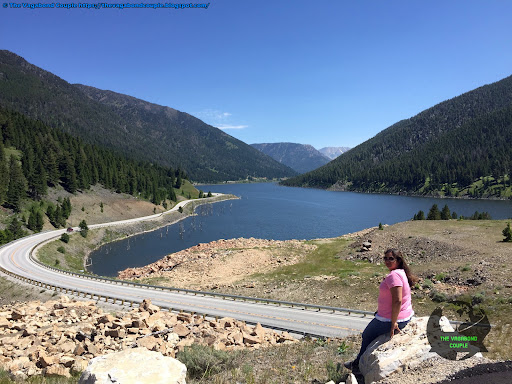
Now, don't get me wrong, Earthquake Lake is gorgeous. Those towering cliffs, the crystal-clear water... breathtaking! But let's be real, the name kinda throws you off. I mean, you're paddling along, enjoying the serenity, and then you remember, 'Oh yeah, this place got shaken to its core at some point.' Makes you wonder if that serene cliff face might decide to have a little temper tantrum while you're picnicking. Still, gotta admire nature's sense of humor – 'Here's a paradise, but just to keep things interesting, we'll add a touch of seismic drama!'
See more posts
See more posts
hotel
Find your stay

Pet-friendly Hotels in Montana

Find a cozy hotel nearby and make it a full experience.

A Natural Marvel Born of Tragedy. Earthquake Lake, locally known as Quake Lake, is a picturesque yet poignant reminder of nature's raw power, located in the Madison Canyon of southwestern Montana, about 27 miles northwest of West Yellowstone. This stunning body of water was formed in the wake of a devastating earthquake on August 17, 1959. Today, it stands as both a natural wonder and a memorial to the lives lost in the disaster. Formation and Historical Significance: Earthquake Lake was created when a massive 7.5 magnitude earthquake caused an enormous landslide, damming the Madison River and resulting in the creation of the lake. The landslide carried 80 million tons of rock and debris, burying a campground and blocking the river's flow, causing the water to rise rapidly and form the lake. Tragically, 28 people lost their lives in the earthquake and subsequent landslide, and the event dramatically altered the landscape. Geological and Hydrological Features: Size and Depth: Earthquake Lake stretches approximately 6 miles in length and covers an area of about 1,200 acres. It reaches depths of up to 190 feet. Landslide Scarp: The sheer cliff left behind by the landslide is a striking geological feature, illustrating the sheer force of the event. The scarp towers over the lake, providing a dramatic backdrop and a visual reminder of the earthquake’s impact. "Ghost Trees": One of the lake’s most haunting and distinctive features is the stand of dead trees that emerge from its waters. These "ghost trees" were submerged when the valley flooded and now serve as stark, skeletal reminders of the forest that once thrived in the canyon. Ecological and Recreational Aspects: Wildlife Habitat: Earthquake Lake and its surrounding area support a diverse range of wildlife, including deer, elk, moose, and various bird species. The lake’s ecosystem is rich with aquatic life, making it a popular spot for fishing, particularly for species like trout. Recreation: Visitors to Earthquake Lake can engage in various recreational activities such as boating, fishing, and hiking. The area offers stunning views, and the unique landscape provides ample opportunities for photography and nature observation. Visitor Center: The Earthquake Lake Visitor Center, operated by the U.S. Forest Service, offers educational exhibits and detailed accounts of the earthquake and its aftermath. It features displays of geological phenomena, survivor stories, and a viewing area overlooking the lake and landslide area. The center provides valuable insights into the natural history and ongoing geological processes of the region. Accessibility and Surroundings: Scenic Byway: Earthquake Lake is accessible via the scenic Highway 287, which runs through the Madison River Valley. The drive offers breathtaking views of the surrounding mountains and valleys, making it a popular route for travelers exploring southwestern Montana. Nearby Attractions: The lake is located near Yellowstone National Park, offering visitors additional opportunities to explore one of the nation’s most iconic natural landscapes. The area around Earthquake Lake is also known for its abundant outdoor activities, including hiking, camping, and wildlife viewing. Memorial and Legacy: Quake Lake Memorial: At the Visitor Center and surrounding areas, memorial plaques and markers commemorate the lives lost during the earthquake. These memorials provide a place for reflection and remembrance, honoring those affected by the natural disaster. Educational Value: Earthquake Lake serves as a significant educational site, providing insights into earthquake dynamics, landslide geology, and the resilience of nature. It attracts geologists, students, and nature enthusiasts interested in studying the effects of natural disasters on the environment.
Chirag Warty

Chirag Warty

hotel
Find your stay

Affordable Hotels in Montana

Find a cozy hotel nearby and make it a full experience.

Get the Appoverlay
Get the AppOne tap to find yournext favorite spots!
YES, this place is worth visiting, both in summer and in winter! If you are traveling to Yellowstone National Park, make the effort to go a bit out of your way to Earthquake Lake! It takes a little while to drive to, but it is a very unique place! Earthquake Lake was formed not too long ago by one of the most powerful earthquakes in recent Yellowstone history. A landslide occurred, blocking off a river, and the area began to flood. Many people camping by the river died from this event unfortunately, and yet the lake is still here, decades later. Earthquake Lake is so unusual as it still has many of the trunks from trees poking out of the water. These trees used to be on dry land alongside the river, but when it flooded, they died, and just the trunks remain. Also be sure to head up through the pass to see toward Idaho - if you’re there at sunset, it amounts for some beautiful photos. There is a visitor center, gift shop, ample parking, some hiking trails, and various turnouts along the road so you can get some pictures of the lake. It’s worth visiting - I really like it here!
Michael

Michael

hotel
Find your stay

The Coolest Hotels You Haven't Heard Of (Yet)

Find a cozy hotel nearby and make it a full experience.

hotel
Find your stay

Trending Stays Worth the Hype in Montana

Find a cozy hotel nearby and make it a full experience.

Now, don't get me wrong, Earthquake Lake is gorgeous. Those towering cliffs, the crystal-clear water... breathtaking! But let's be real, the name kinda throws you off. I mean, you're paddling along, enjoying the serenity, and then you remember, 'Oh yeah, this place got shaken to its core at some point.' Makes you wonder if that serene cliff face might decide to have a little temper tantrum while you're picnicking. Still, gotta admire nature's sense of humor – 'Here's a paradise, but just to keep things interesting, we'll add a touch of seismic drama!'
Vagabond Couple

Vagabond Couple

See more posts
See more posts