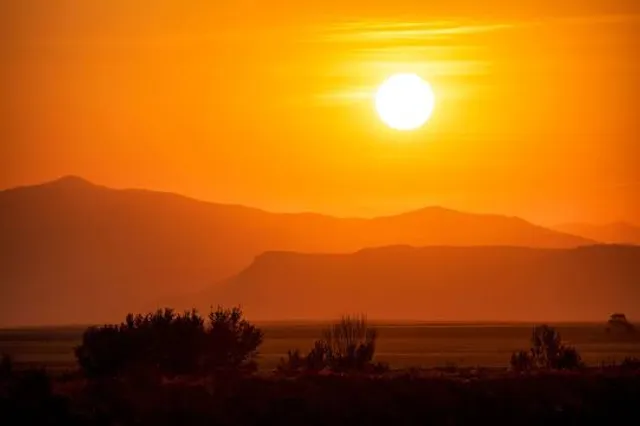
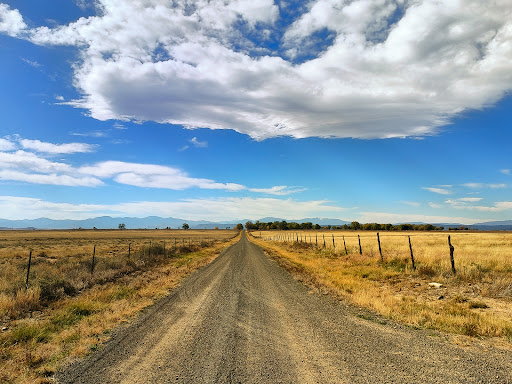
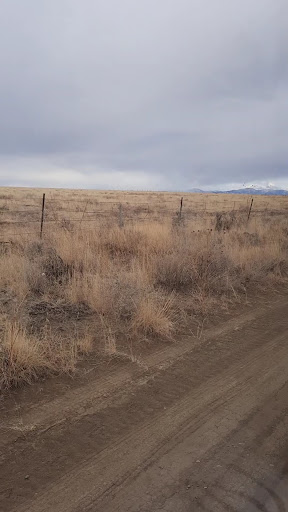
It was a nice visit here in October '24, fairly quiet and peaceful, few flies but many yellow jackets. The lakes were low, such as lake Thirteen & lake Fourteen which had many ducks and several varieties of birds. Thirteen had a boat ramp but it was many yards from the lake to the ramp that was dry land. Hence, there were no boaters out on the water and I did not go out on it either. However walking and cycling would be nice ways to spend time here, I brought my monocular (think binoculars) out and was able to view further out in the surroundings. So instead of spending time on / with my phone camera I was mostly using and testing out my monocular. There were some nice sunsets here, and the elevation and setting seemed to enhance that. We also had a look at Stubblefield reservoir nearby, it was even lower water than the "playa" lakes. I did enjoy my visit to the WLR campground however, here are some known facts: the elevation is at 6,050, ft encompassing 3,700 acres of short grass prairie, playa lakes, wetlands, woodlots and agricultural lands. The refuge sits in an open basin surrounded by high mesas & extinct volcanoes to the E and NE, and the Sangre de Cristo Mntns to the W. Approximately 2,800 acres are owned by the U.S Fish and Wildlife service and are made up of 23 tracts of land purchased by willing landowners under the authority of the Migratory Bird Conservation Act. An additional 907 acres are leased from the Vermejo Conservancy District. Over 278 species of birds have been recorded here, located on the high central plains of NE NM. The MWLR was established in 1965 as a feeding & resting area for migratory birds, about 70 species of which call it home. It is said that over 350 acres here are planted with wheat, corn, barley and alfalfa to provide food for resident and migratory wildlife. Remnants of the SF trail are within two miles from the Refuge boundary, the trail was a main trading route over 900 miles long used for over 60 years between Missouri and Santa Fe. Prior to European Colonization the lands making up the refuge around Colfax County were a source for food and an area of trade among Native Americans the Comanche, Ute, Kiowa, and...
Read moreI had a most magical experience with a hawk here, ten years ago. I showed up, and there were no animals and no people, and I thought, "What if they made a wildlife refuge, and no wildlife came?" So I made a turn down a gravel road to find my way back to the main road to leave. As I went down the road, thinking I may be made a wrong turn, a hawk swooped down from its perch, and started flying about five feet above my hood, as I drove along this road. There were tall trees on both sides of the road, so it had nowhere to go, but it seemed to be doing exactly what it intended to do, as it flew safely above my hood, until the trees parted, and it banked off to the right. It was one of those moments where you wish you could get your phone out and recording fast enough to capture a moment that no one will ever believe happened. I think about the experience often, and even went back a couple of years ago to try and recreate that magic. Sure enough, as I turned down that same dirt road, a hawk was gatekeeping it, in a tree at the start of the road. I'll be damned if that hawk didn't swoop down, and seemingly was going to fly above my hood again, but at the last second, it changed its mind, and turned off the path before the tall trees started. Nevertheless, Maxwell Wildlife Refuge, while from all appearances may seem like a refuge without animals, it's worth stopping over, if you're in the area, simply for the possibility that a gatekeeping hawk might sprinkle some magic on your day, in a way that tells you, you've arrived back home after a long journey. For bird nerds, it's most definitely worth a drive through the park. For campers, it's a great stop overnight, or for a couple of nights, to breathe in the healing energy of Northern New Mexico. If you journey that way, and a hawk shows you the way down that dirt road, consider yourself blessed, because it is truly an experience bestowed upon you by the...
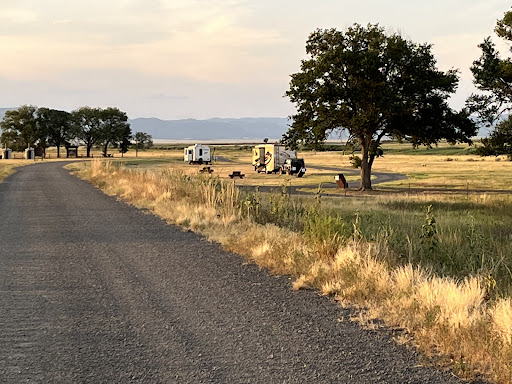
Read moreConvenient, Quiet and humble Stopped here on our way along I25 to stretch our legs last May. Was pleasantly surprised. There's a visitor center but it was closed. Several dirt roads to follow. At least one area has primitive campsites, there's enough room to turn a rig around--we had a truck and 24 ft bumper pull. Level campsites with picnic tables and there were a few trees for shade but otherwise windy since there's nothing to block the wind. Lots of wildlife--we saw birds, pronghorn, and prairie dogs. Free to visit. Free to camp. Nobody else around. Stopped again for the night on the next road trip. Will...
Read more