Bunker Hilton things to do, attractions, restaurants, events info and trip planning

Basic Info
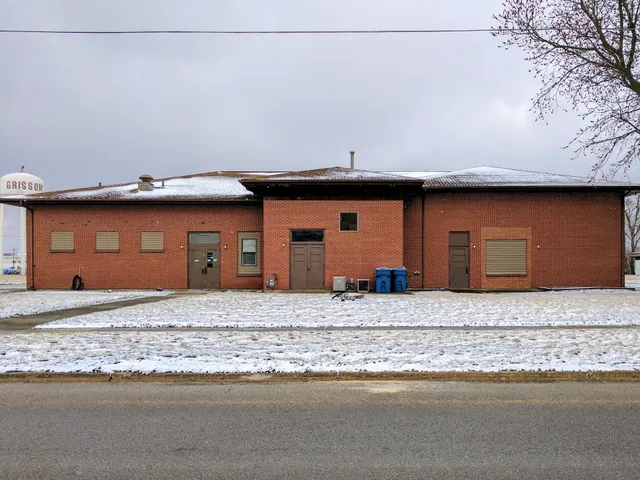
Bunker Hilton
Bunker Hill, IN 46914
5.0(4)
Open 24 hours
Save
spot
spot
Ratings & Description
Info
Relaxation
Luxury
attractions: , restaurants: , local businesses: Sugar Creek Candies
 Learn more insights from Wanderboat AI.
Plan your stay

Pet-friendly Hotels in Onward
Find a cozy hotel nearby and make it a full experience.

Affordable Hotels in Onward
Find a cozy hotel nearby and make it a full experience.

The Coolest Hotels You Haven't Heard Of (Yet)
Find a cozy hotel nearby and make it a full experience.

Trending Stays Worth the Hype in Onward
Find a cozy hotel nearby and make it a full experience.
Reviews
Live events

CKRR Awards & Chili Cook-Off Social
Sun, Mar 1 • 1:30 PM
219 West Mulberry Street #101 Kokomo, IN 46901
View details

Rural 1st Construction Workshop: Kokomo, Indiana
Thu, Feb 26 • 5:30 PM
The Venue at Brookestone, Celebration Suite, 1201 West Alto Road, Kokomo, United States
View details

KOKOMO FILMMAKERS MEET & GREET - Thursday, February 26th
Thu, Feb 26 • 6:00 PM
Kokomo-Howard County Public Library, 217 N Union St, Kokomo, IN 46901-4613, United States
View details
Nearby local services of Bunker Hilton
Sugar Creek Candies
Sugar Creek Candies
4.5
(15)
Click for details