HTML SitemapExplore
logo
Find Things to DoFind The Best Restaurants

Montezuma Well — Attraction in Rimrock

Name
Montezuma Well
Description
Nearby attractions
Montezuma Well (Montezuma Castle National Monument)
5512 County Rd 77, Rimrock, AZ 86335
Nearby restaurants
Nearby hotels
Related posts
Keywords
Montezuma Well tourism.Montezuma Well hotels.Montezuma Well bed and breakfast. flights to Montezuma Well.Montezuma Well attractions.Montezuma Well restaurants.Montezuma Well travel.Montezuma Well travel guide.Montezuma Well travel blog.Montezuma Well pictures.Montezuma Well photos.Montezuma Well travel tips.Montezuma Well maps.Montezuma Well things to do.
Montezuma Well things to do, attractions, restaurants, events info and trip planning
Montezuma Well
United StatesArizonaRimrockMontezuma Well

Basic Info

Montezuma Well

Arizona 86335
4.8(215)
Open 24 hours
Save
spot

Ratings & Description

Info

Cultural
Outdoor
Scenic
Family friendly
Accessibility
attractions: Montezuma Well (Montezuma Castle National Monument), restaurants:
logoLearn more insights from Wanderboat AI.

Plan your stay

hotel
Pet-friendly Hotels in Rimrock
Find a cozy hotel nearby and make it a full experience.
hotel
Affordable Hotels in Rimrock
Find a cozy hotel nearby and make it a full experience.
hotel
The Coolest Hotels You Haven't Heard Of (Yet)
Find a cozy hotel nearby and make it a full experience.
hotel
Trending Stays Worth the Hype in Rimrock
Find a cozy hotel nearby and make it a full experience.

Reviews

Nearby attractions of Montezuma Well

Montezuma Well (Montezuma Castle National Monument)

Montezuma Well (Montezuma Castle National Monument)

Montezuma Well (Montezuma Castle National Monument)

4.8

(859)

Open 24 hours
Click for details

Things to do nearby

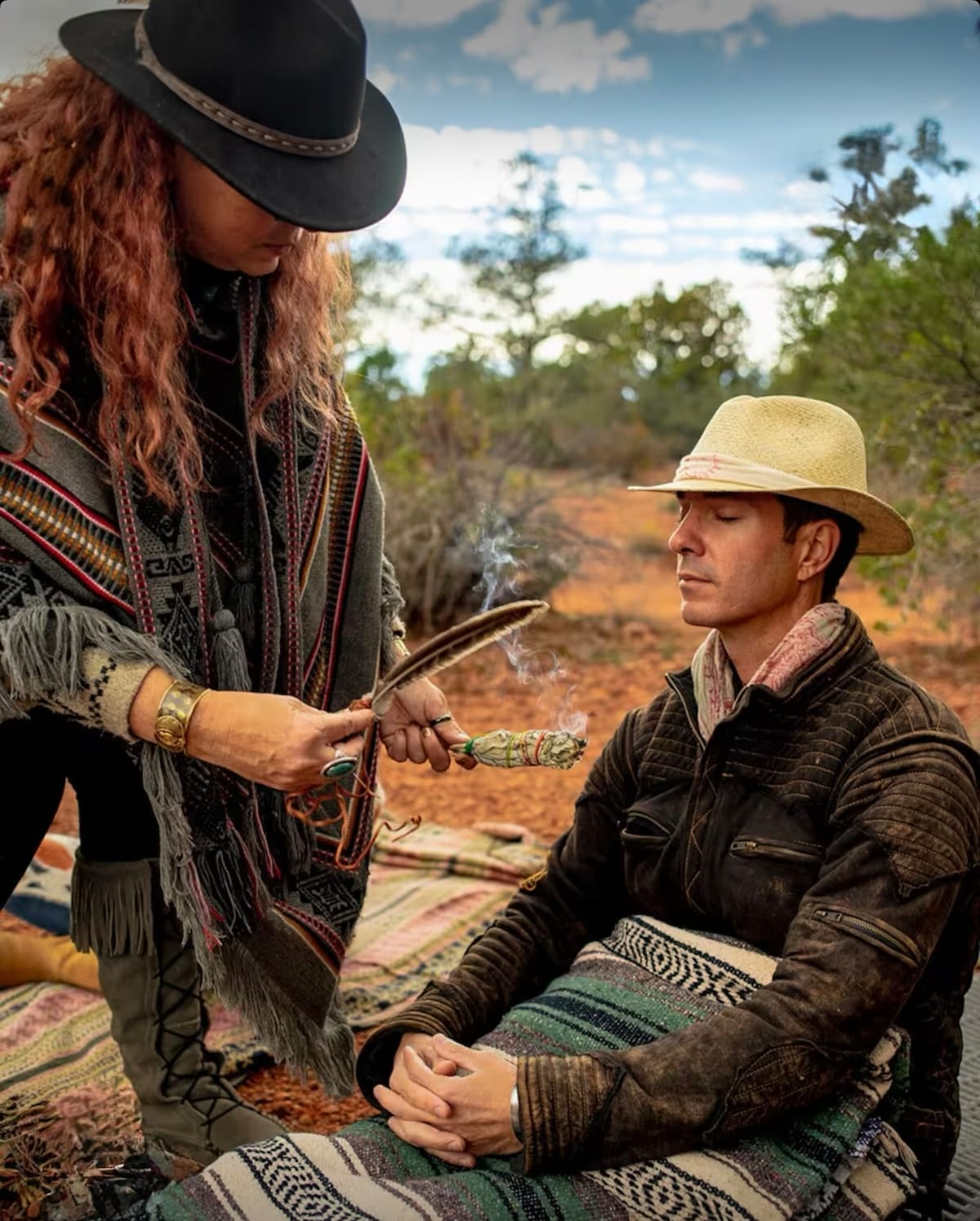
Hike and heal in the Sedona vortex with a guide
Thu, Dec 11 • 9:30 AM
Sedona, Arizona, 86336
View details
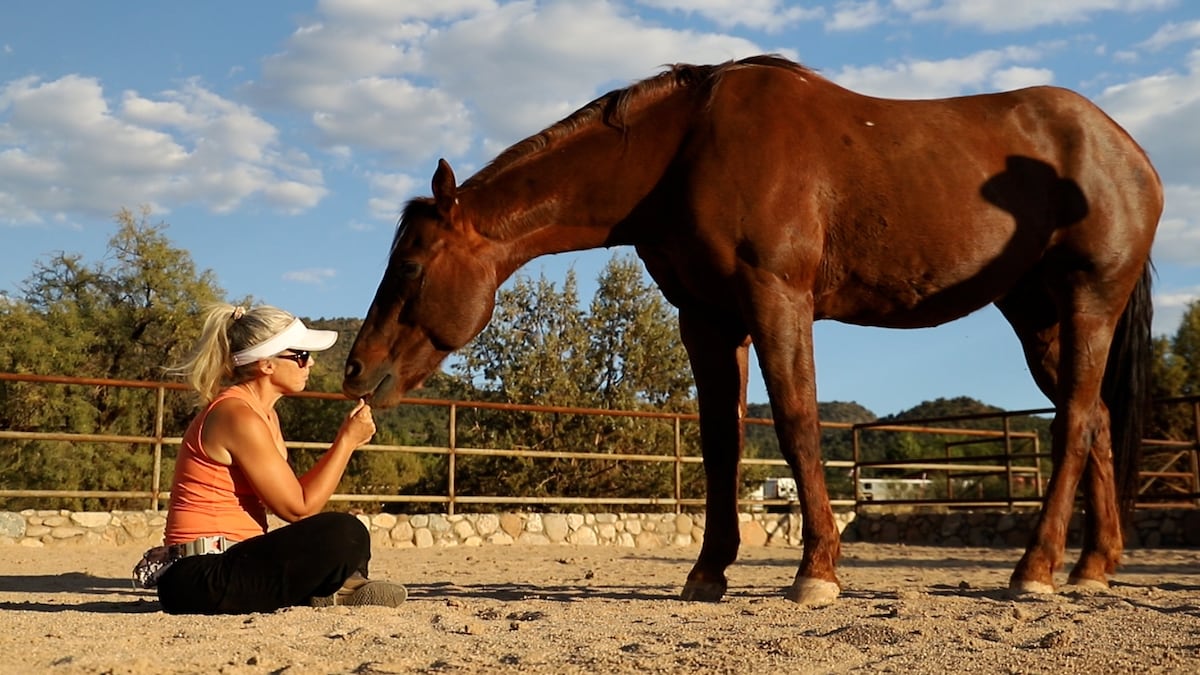
Horse, Heart & Connection
Wed, Dec 10 • 12:00 PM
Sedona, Arizona, 86351
View details
Get the Appoverlay
Get the AppOne tap to find yournext favorite spots!
Wanderboat LogoWanderboat

Your everyday Al companion for getaway ideas

CompanyAbout Us
InformationAI Trip PlannerSitemap
SocialXInstagramTiktokLinkedin
LegalTerms of ServicePrivacy Policy

Get the app

© 2025 Wanderboat. All rights reserved.
logo

Reviews of Montezuma Well

4.8
(215)
avatar
5.0
36w

Montezuma Well – Late March 2025 Visit

We visited Montezuma Well in late March 2025 and were pleasantly surprised by how peaceful, unique, and easy the experience was. The trail is very manageable — we’re a couple in our late 40s and late 60s and had no issues at all.

Quick Facts & Visitor Tips:

It’s free, no permit needed

Plenty of parking

Bathrooms available

Dog-friendly (on leash)

Not wheelchair accessible

Easy walk up to the overlook; wide rocky path down to the outlet

We recommend using AllTrails just to stay on track

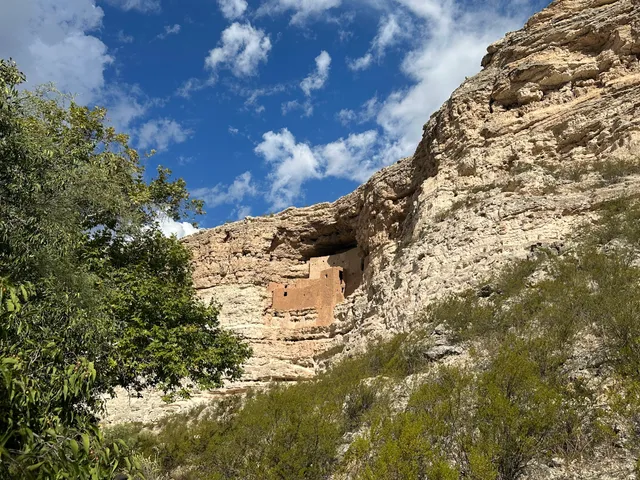
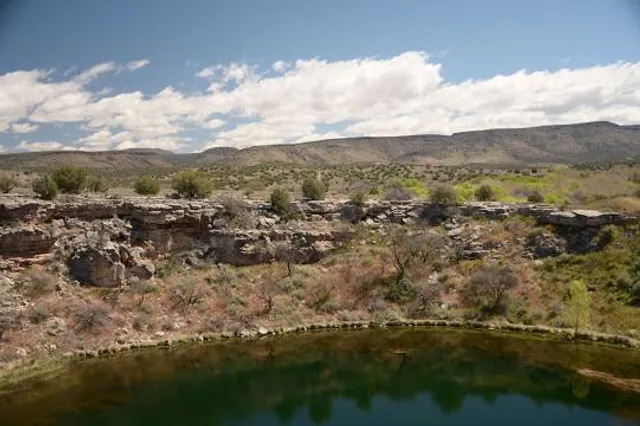
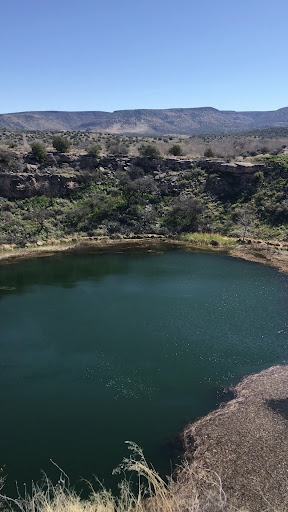
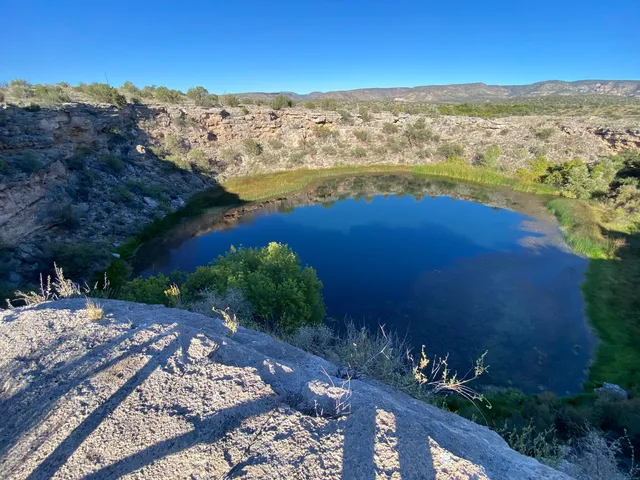
Now for the important clarification: Montezuma Well has nothing to do with Emperor Montezuma, and it’s not a man-made well. It’s actually a natural limestone sinkhole, formed when an underground cave collapsed and filled with spring water. The name was mistakenly given by early settlers — just like Montezuma Castle and even the nearby town name. Montezuma II was born in the 1400s, long after the Sinagua people had built and used these sites (between 1100–1400 A.D.).

The water here is high in carbon dioxide and arsenic, which means no fish — but five rare species live here that are found nowhere else on Earth. You can also see ancient irrigation canals the Sinagua carved to carry water to their crops — over 1,000 years ago.

This site is also considered sacred by Indigenous tribes such as the Hopi and Yavapai, and it truly feels that way when you walk the quiet loop.

If you’re visiting Montezuma Castle, definitely include Montezuma Well in your trip. It’s less crowded, totally free, and filled with both natural beauty and...

   Read more
avatar
5.0
2y

Extremely beautiful. Even after traveling much of the Southwest and visiting numerous Pueblo’s, ruins, and ancestral sites this was a breath of fresh air. We’d never seen anything like it.

The birds were singing, the water was flowing, it was a very beautiful and relaxing atmosphere.

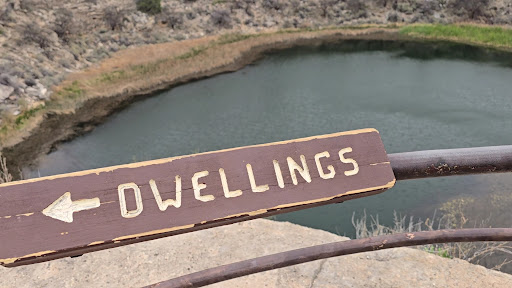
The trail was well paved. There is a bit of an incline to get to the rim, then you have the option to walk down stairs to get into the sink hole itself to see more ruins in a back cave.

There are a very benches scattered throughout. The information plaques are all well done and interesting especially answering the question “can you swim in there” the answer is NO but you’ll have to go to find out why!

The parking lot itself is VERY small. There is no room for oversized rigs. We are a 25’ skoolie and there’s a small dirt pull off that we parked in but it had overflow of normal sized cars as well. Would not recommend bringing anything larger.

On the roads out, for some reason our GPS kept wanting us to take the interstate as opposed to a side road to get to the site. The side road (going left when leaving the park) is paved the entire way. It’s a narrow road with some twists and turns but we managed. Taking the interstate (going right when leaving the park) is a very wash boarded and bumpy dirt road that took us much longer than the paved route.

Definitely check out V bar V while you’re in the area. It’s a beautiful walk with petroglyphs...

   Read more
avatar
5.0
1y

Abbiamo visitato questo parco ieri 23 settembre 2024. Per chi non vuole leggere tutta la recensione dico subito che è un luogo meraviglioso e sorprendente. L'ingresso è gratuito. Come può l'acqua essere la protagonista più importante in una storia sul deserto? In un anno intero, Montazuma Well riceve meno di 13 pollici (33 cm) di pioggia, appena un terzo della media nazionale degli Stati Uniti. Eppure il pozzo contiene oltre 15 milioni di galloni (16,8 milioni di litri) di acqua. Da dove viene? Come ci è arrivata? Fino a poco tempo fa le risposte a queste domande erano un mistero. Sebbene l'acqua possa essere facilmente deviata, è paziente, persistente e implacabile. Più di 10.000 anni fa, l'acqua del pozzo cadeva sotto forma di pioggia e ora ferma il Mogollon Rim, visibile a nord. Nel corso dei millenni, è filtrata lentamente attraverso centinaia di metri di terreno, drenando goccia a goccia lungo il percorso di minor resistenza. Se l'acqua scolpisce la terra a Montezuma Well, ha anche influenzato la vita stessa. Tutti gli strati di roccia penetrati ed erosi da quest'acqua hanno lasciato una firma chimica. L'acqua contiene arsenico e alti livelli di anidride carbonica fanno sì che nessun pesce possa vivere qui, poiché semplicemente non possono respirare. In assenza di pesci, cinque specie si sono evolute qui che non esistono da nessun'altra parte del pianeta. Le acque possono sembrare tranquille, ma notte dopo notte, tre di queste specie recitano un dramma di vita o di morte sotto le onde. Al centro dell'azione c'è il minuscolo anfipode. Questo crostaceo sembra un gambero ma non è più grande della tua unghia più piccola. Durante il giorno, gli anfipodi nuotano e si nutrono vicino al centro del Pozzo, appena fuori dalla portata delle anatre tuffatrici e di altri predatori. Di notte, però, mentre quei cacciatori dormono, una nuova minaccia sorge da sotto: le sanguisughe. Questi invertebrati endemici non succhiano il sangue come gli altri della loro specie, sono anfipodi! Gli anfipodi fuggono in superficie e verso i bordi dell'acqua, solo per incontrare. Come altri esseri viventi, le persone hanno da tempo trovato Montezuma Well come un rifugio attraente in questo paesaggio arido. Dal pozzo, si possono vedere e di insediamenti permanenti che coprono più di 1.000 anni, anche se le persone probabilmente hanno vissuto qui molto più a lungo. Una delle culture che ha costruito case qui erano probabilmente gli Hohokam, qui dalla Salt River Valley nel sud dell'Arizona. La casa a fossa, datata intorno al 1030 d.C., è un esempio della loro architettura. Dove l'acqua lascia il pozzo e scorre fuori dalla stretta grotta, questi primi contadini la incanalarono mille anni fa in un canale che correva per miglia e irrigava acri di mais, fagioli e zucchine.

Ma qui l'acqua incontra un ostacolo molto più duro degli altri attraverso cui è fluita. Sotto il Pozzo, una parete verticale di basalto vulcanico agisce come una diga, costringendo l'acqua a tornare in superficie. Nel suo lungo viaggio verso la luce del giorno, ha eroso una caverna sotterranea fino a far crollare il suo tetto e creare la dolina che vedi oggi. Per molte culture, Montezuma Well è un ambiente sacro. È un luogo di potere, non deve visitato alla leggera, ma con attenzione e rispetto. L'acqua scorre ancora. Ogni giorno, il Pozzo viene rifornito con 15 milioni di galloni (57 milioni di litri) di nuova acqua. Come una ciotola con una crepa sul lato, l'acqua trabocca attraverso una lunga e stretta grotta nel bordo sud-orientale per riapparire dall'altro lato allo sbocco. Sentieri laterali conducono dal circuito principale fino a panchine fresche e ombreggiate a ciascuna estremità di questo corso d'acqua sotterraneo. Il sentiero laterale del portafoglio conduce giù per le scale. Nella pomice che circonda l'acqua, gli anfipodi devono rimanere il più fermi possibile per evitare di essere scoperti. Nonostante ieri fosse già autunno la temperatura era di 30 gradi. Consiglio pertanto un abbigliamento adeguato e un cappello. Anche le scarpe da trekking sono...

   Read more

Page 1 of 7
Previous
Next

Posts

RachelRachel
Montezuma Well – Late March 2025 Visit We visited Montezuma Well in late March 2025 and were pleasantly surprised by how peaceful, unique, and easy the experience was. The trail is very manageable — we’re a couple in our late 40s and late 60s and had no issues at all. Quick Facts & Visitor Tips: It’s free, no permit needed Plenty of parking Bathrooms available Dog-friendly (on leash) Not wheelchair accessible Easy walk up to the overlook; wide rocky path down to the outlet We recommend using AllTrails just to stay on track Now for the important clarification: Montezuma Well has nothing to do with Emperor Montezuma, and it’s not a man-made well. It’s actually a natural limestone sinkhole, formed when an underground cave collapsed and filled with spring water. The name was mistakenly given by early settlers — just like Montezuma Castle and even the nearby town name. Montezuma II was born in the 1400s, long after the Sinagua people had built and used these sites (between 1100–1400 A.D.). The water here is high in carbon dioxide and arsenic, which means no fish — but five rare species live here that are found nowhere else on Earth. You can also see ancient irrigation canals the Sinagua carved to carry water to their crops — over 1,000 years ago. This site is also considered sacred by Indigenous tribes such as the Hopi and Yavapai, and it truly feels that way when you walk the quiet loop. If you’re visiting Montezuma Castle, definitely include Montezuma Well in your trip. It’s less crowded, totally free, and filled with both natural beauty and ancient history.
Karson WilsonKarson Wilson
Extremely beautiful. Even after traveling much of the Southwest and visiting numerous Pueblo’s, ruins, and ancestral sites this was a breath of fresh air. We’d never seen anything like it. The birds were singing, the water was flowing, it was a very beautiful and relaxing atmosphere. The trail was well paved. There is a bit of an incline to get to the rim, then you have the option to walk down stairs to get into the sink hole itself to see more ruins in a back cave. There are a very benches scattered throughout. The information plaques are all well done and interesting especially answering the question “can you swim in there” the answer is NO but you’ll have to go to find out why! The parking lot itself is VERY small. There is no room for oversized rigs. We are a 25’ skoolie and there’s a small dirt pull off that we parked in but it had overflow of normal sized cars as well. Would not recommend bringing anything larger. On the roads out, for some reason our GPS kept wanting us to take the interstate as opposed to a side road to get to the site. The side road (going left when leaving the park) is paved the entire way. It’s a narrow road with some twists and turns but we managed. Taking the interstate (going right when leaving the park) is a very wash boarded and bumpy dirt road that took us much longer than the paved route. Definitely check out V bar V while you’re in the area. It’s a beautiful walk with petroglyphs along the river!
Maria Eugenia MaxiaMaria Eugenia Maxia
Abbiamo visitato questo parco ieri 23 settembre 2024. Per chi non vuole leggere tutta la recensione dico subito che è un luogo meraviglioso e sorprendente. L'ingresso è gratuito. Come può l'acqua essere la protagonista più importante in una storia sul deserto? In un anno intero, Montazuma Well riceve meno di 13 pollici (33 cm) di pioggia, appena un terzo della media nazionale degli Stati Uniti. Eppure il pozzo contiene oltre 15 milioni di galloni (16,8 milioni di litri) di acqua. Da dove viene? Come ci è arrivata? Fino a poco tempo fa le risposte a queste domande erano un mistero. Sebbene l'acqua possa essere facilmente deviata, è paziente, persistente e implacabile. Più di 10.000 anni fa, l'acqua del pozzo cadeva sotto forma di pioggia e ora ferma il Mogollon Rim, visibile a nord. Nel corso dei millenni, è filtrata lentamente attraverso centinaia di metri di terreno, drenando goccia a goccia lungo il percorso di minor resistenza. Se l'acqua scolpisce la terra a Montezuma Well, ha anche influenzato la vita stessa. Tutti gli strati di roccia penetrati ed erosi da quest'acqua hanno lasciato una firma chimica. L'acqua contiene arsenico e alti livelli di anidride carbonica fanno sì che nessun pesce possa vivere qui, poiché semplicemente non possono respirare. In assenza di pesci, cinque specie si sono evolute qui che non esistono da nessun'altra parte del pianeta. Le acque possono sembrare tranquille, ma notte dopo notte, tre di queste specie recitano un dramma di vita o di morte sotto le onde. Al centro dell'azione c'è il minuscolo anfipode. Questo crostaceo sembra un gambero ma non è più grande della tua unghia più piccola. Durante il giorno, gli anfipodi nuotano e si nutrono vicino al centro del Pozzo, appena fuori dalla portata delle anatre tuffatrici e di altri predatori. Di notte, però, mentre quei cacciatori dormono, una nuova minaccia sorge da sotto: le sanguisughe. Questi invertebrati endemici non succhiano il sangue come gli altri della loro specie, sono anfipodi! Gli anfipodi fuggono in superficie e verso i bordi dell'acqua, solo per incontrare. Come altri esseri viventi, le persone hanno da tempo trovato Montezuma Well come un rifugio attraente in questo paesaggio arido. Dal pozzo, si possono vedere e di insediamenti permanenti che coprono più di 1.000 anni, anche se le persone probabilmente hanno vissuto qui molto più a lungo. Una delle culture che ha costruito case qui erano probabilmente gli Hohokam, qui dalla Salt River Valley nel sud dell'Arizona. La casa a fossa, datata intorno al 1030 d.C., è un esempio della loro architettura. Dove l'acqua lascia il pozzo e scorre fuori dalla stretta grotta, questi primi contadini la incanalarono mille anni fa in un canale che correva per miglia e irrigava acri di mais, fagioli e zucchine. Ma qui l'acqua incontra un ostacolo molto più duro degli altri attraverso cui è fluita. Sotto il Pozzo, una parete verticale di basalto vulcanico agisce come una diga, costringendo l'acqua a tornare in superficie. Nel suo lungo viaggio verso la luce del giorno, ha eroso una caverna sotterranea fino a far crollare il suo tetto e creare la dolina che vedi oggi. Per molte culture, Montezuma Well è un ambiente sacro. È un luogo di potere, non deve visitato alla leggera, ma con attenzione e rispetto. L'acqua scorre ancora. Ogni giorno, il Pozzo viene rifornito con 15 milioni di galloni (57 milioni di litri) di nuova acqua. Come una ciotola con una crepa sul lato, l'acqua trabocca attraverso una lunga e stretta grotta nel bordo sud-orientale per riapparire dall'altro lato allo sbocco. Sentieri laterali conducono dal circuito principale fino a panchine fresche e ombreggiate a ciascuna estremità di questo corso d'acqua sotterraneo. Il sentiero laterale del portafoglio conduce giù per le scale. Nella pomice che circonda l'acqua, gli anfipodi devono rimanere il più fermi possibile per evitare di essere scoperti. Nonostante ieri fosse già autunno la temperatura era di 30 gradi. Consiglio pertanto un abbigliamento adeguato e un cappello. Anche le scarpe da trekking sono consigliati.
See more posts
See more posts
hotel
Find your stay

Pet-friendly Hotels in Rimrock

Find a cozy hotel nearby and make it a full experience.

Montezuma Well – Late March 2025 Visit We visited Montezuma Well in late March 2025 and were pleasantly surprised by how peaceful, unique, and easy the experience was. The trail is very manageable — we’re a couple in our late 40s and late 60s and had no issues at all. Quick Facts & Visitor Tips: It’s free, no permit needed Plenty of parking Bathrooms available Dog-friendly (on leash) Not wheelchair accessible Easy walk up to the overlook; wide rocky path down to the outlet We recommend using AllTrails just to stay on track Now for the important clarification: Montezuma Well has nothing to do with Emperor Montezuma, and it’s not a man-made well. It’s actually a natural limestone sinkhole, formed when an underground cave collapsed and filled with spring water. The name was mistakenly given by early settlers — just like Montezuma Castle and even the nearby town name. Montezuma II was born in the 1400s, long after the Sinagua people had built and used these sites (between 1100–1400 A.D.). The water here is high in carbon dioxide and arsenic, which means no fish — but five rare species live here that are found nowhere else on Earth. You can also see ancient irrigation canals the Sinagua carved to carry water to their crops — over 1,000 years ago. This site is also considered sacred by Indigenous tribes such as the Hopi and Yavapai, and it truly feels that way when you walk the quiet loop. If you’re visiting Montezuma Castle, definitely include Montezuma Well in your trip. It’s less crowded, totally free, and filled with both natural beauty and ancient history.
Rachel

Rachel

hotel
Find your stay

Affordable Hotels in Rimrock

Find a cozy hotel nearby and make it a full experience.

Get the Appoverlay
Get the AppOne tap to find yournext favorite spots!
Extremely beautiful. Even after traveling much of the Southwest and visiting numerous Pueblo’s, ruins, and ancestral sites this was a breath of fresh air. We’d never seen anything like it. The birds were singing, the water was flowing, it was a very beautiful and relaxing atmosphere. The trail was well paved. There is a bit of an incline to get to the rim, then you have the option to walk down stairs to get into the sink hole itself to see more ruins in a back cave. There are a very benches scattered throughout. The information plaques are all well done and interesting especially answering the question “can you swim in there” the answer is NO but you’ll have to go to find out why! The parking lot itself is VERY small. There is no room for oversized rigs. We are a 25’ skoolie and there’s a small dirt pull off that we parked in but it had overflow of normal sized cars as well. Would not recommend bringing anything larger. On the roads out, for some reason our GPS kept wanting us to take the interstate as opposed to a side road to get to the site. The side road (going left when leaving the park) is paved the entire way. It’s a narrow road with some twists and turns but we managed. Taking the interstate (going right when leaving the park) is a very wash boarded and bumpy dirt road that took us much longer than the paved route. Definitely check out V bar V while you’re in the area. It’s a beautiful walk with petroglyphs along the river!
Karson Wilson

Karson Wilson

hotel
Find your stay

The Coolest Hotels You Haven't Heard Of (Yet)

Find a cozy hotel nearby and make it a full experience.

hotel
Find your stay

Trending Stays Worth the Hype in Rimrock

Find a cozy hotel nearby and make it a full experience.

Abbiamo visitato questo parco ieri 23 settembre 2024. Per chi non vuole leggere tutta la recensione dico subito che è un luogo meraviglioso e sorprendente. L'ingresso è gratuito. Come può l'acqua essere la protagonista più importante in una storia sul deserto? In un anno intero, Montazuma Well riceve meno di 13 pollici (33 cm) di pioggia, appena un terzo della media nazionale degli Stati Uniti. Eppure il pozzo contiene oltre 15 milioni di galloni (16,8 milioni di litri) di acqua. Da dove viene? Come ci è arrivata? Fino a poco tempo fa le risposte a queste domande erano un mistero. Sebbene l'acqua possa essere facilmente deviata, è paziente, persistente e implacabile. Più di 10.000 anni fa, l'acqua del pozzo cadeva sotto forma di pioggia e ora ferma il Mogollon Rim, visibile a nord. Nel corso dei millenni, è filtrata lentamente attraverso centinaia di metri di terreno, drenando goccia a goccia lungo il percorso di minor resistenza. Se l'acqua scolpisce la terra a Montezuma Well, ha anche influenzato la vita stessa. Tutti gli strati di roccia penetrati ed erosi da quest'acqua hanno lasciato una firma chimica. L'acqua contiene arsenico e alti livelli di anidride carbonica fanno sì che nessun pesce possa vivere qui, poiché semplicemente non possono respirare. In assenza di pesci, cinque specie si sono evolute qui che non esistono da nessun'altra parte del pianeta. Le acque possono sembrare tranquille, ma notte dopo notte, tre di queste specie recitano un dramma di vita o di morte sotto le onde. Al centro dell'azione c'è il minuscolo anfipode. Questo crostaceo sembra un gambero ma non è più grande della tua unghia più piccola. Durante il giorno, gli anfipodi nuotano e si nutrono vicino al centro del Pozzo, appena fuori dalla portata delle anatre tuffatrici e di altri predatori. Di notte, però, mentre quei cacciatori dormono, una nuova minaccia sorge da sotto: le sanguisughe. Questi invertebrati endemici non succhiano il sangue come gli altri della loro specie, sono anfipodi! Gli anfipodi fuggono in superficie e verso i bordi dell'acqua, solo per incontrare. Come altri esseri viventi, le persone hanno da tempo trovato Montezuma Well come un rifugio attraente in questo paesaggio arido. Dal pozzo, si possono vedere e di insediamenti permanenti che coprono più di 1.000 anni, anche se le persone probabilmente hanno vissuto qui molto più a lungo. Una delle culture che ha costruito case qui erano probabilmente gli Hohokam, qui dalla Salt River Valley nel sud dell'Arizona. La casa a fossa, datata intorno al 1030 d.C., è un esempio della loro architettura. Dove l'acqua lascia il pozzo e scorre fuori dalla stretta grotta, questi primi contadini la incanalarono mille anni fa in un canale che correva per miglia e irrigava acri di mais, fagioli e zucchine. Ma qui l'acqua incontra un ostacolo molto più duro degli altri attraverso cui è fluita. Sotto il Pozzo, una parete verticale di basalto vulcanico agisce come una diga, costringendo l'acqua a tornare in superficie. Nel suo lungo viaggio verso la luce del giorno, ha eroso una caverna sotterranea fino a far crollare il suo tetto e creare la dolina che vedi oggi. Per molte culture, Montezuma Well è un ambiente sacro. È un luogo di potere, non deve visitato alla leggera, ma con attenzione e rispetto. L'acqua scorre ancora. Ogni giorno, il Pozzo viene rifornito con 15 milioni di galloni (57 milioni di litri) di nuova acqua. Come una ciotola con una crepa sul lato, l'acqua trabocca attraverso una lunga e stretta grotta nel bordo sud-orientale per riapparire dall'altro lato allo sbocco. Sentieri laterali conducono dal circuito principale fino a panchine fresche e ombreggiate a ciascuna estremità di questo corso d'acqua sotterraneo. Il sentiero laterale del portafoglio conduce giù per le scale. Nella pomice che circonda l'acqua, gli anfipodi devono rimanere il più fermi possibile per evitare di essere scoperti. Nonostante ieri fosse già autunno la temperatura era di 30 gradi. Consiglio pertanto un abbigliamento adeguato e un cappello. Anche le scarpe da trekking sono consigliati.
Maria Eugenia Maxia

Maria Eugenia Maxia

See more posts
See more posts