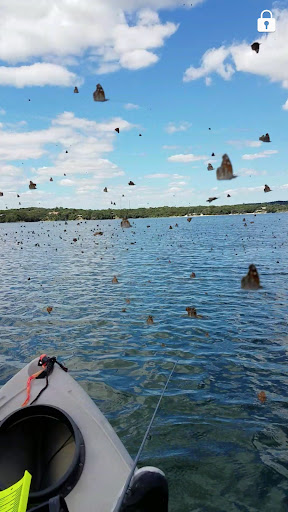
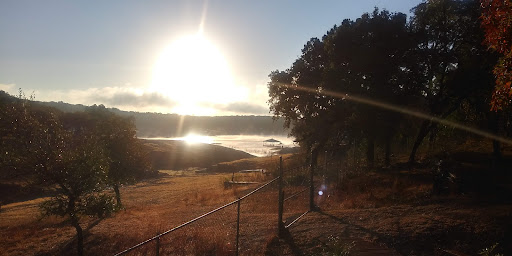
Medina Lake, once a vibrant recreational hub near San Antonio, has experienced a dramatic decline in water levels, severely impacting its appeal and usability.
Current Conditions: As of March 14, 2025, the lake stands at a mere 2.3% of its full capacity, with a water surface elevation of approximately 970.74 feet above sea level. This drastic reduction has transformed vast areas of the lakebed into barren stretches, rendering many boat ramps and docks unusable. The once thriving aquatic ecosystem now faces significant challenges, affecting both local wildlife and recreational fishing activities.
Contributing Factors: The primary culprit behind the lake's depletion is an extended period of drought. San Antonio recorded only 23.67 inches of rainfall in 2024, which is 8.71 inches below the annual average. This prolonged dry spell has not only diminished inflows into Medina Lake but has also strained other regional water sources, including the Edwards Aquifer.
Community Concerns: Local residents and stakeholders have voiced growing concerns over the lake's management. The organization Save Medina Lake has been at the forefront, advocating for improved water management practices and seeking greater oversight from state authorities to ensure the lake's sustainability.
Recommendations for Restoration:
Implement Enforceable Water Management Policies: Establishing and enforcing drought contingency and water conservation plans is crucial. This includes setting a conservation threshold at 50% capacity to ensure the lake maintains a healthy ecological balance and continues to recharge surrounding aquifers.
Revise Management Structures: Transitioning the oversight of Medina Lake from the current Bexar Medina Atascosa Water Control and Improvement District #1 (BMA) to a dedicated river authority could bring more specialized expertise. Such a body would be better equipped with the necessary tools and knowledge to manage the lake effectively, balancing the needs of all stakeholders.
Enhance Community Engagement: Encouraging active participation from local communities in decision making processes ensures that diverse perspectives are considered. This collaborative approach can lead to more sustainable and accepted water management strategies.
Invest in Alternative Water Storage Solutions: Exploring and investing in aquifer storage and recovery (ASR) systems can provide alternative water storage options. This method reduces reliance on surface reservoirs like Medina Lake, mitigating the impacts of evaporation and ensuring a more stable water supply during drought periods.
Conclusion: Medina Lake's current state is a stark reminder of the challenges posed by climate variability and water management practices. While the situation is dire, a concerted effort involving policy reform, community involvement, and innovative water storage solutions offers a pathway to restore this cherished natural resource to its...
Read more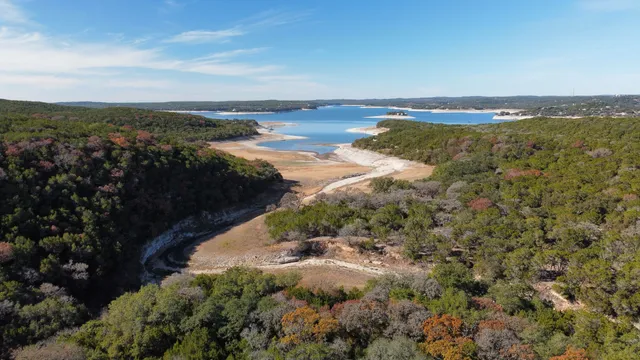
 Learn more insights from Wanderboat AI.