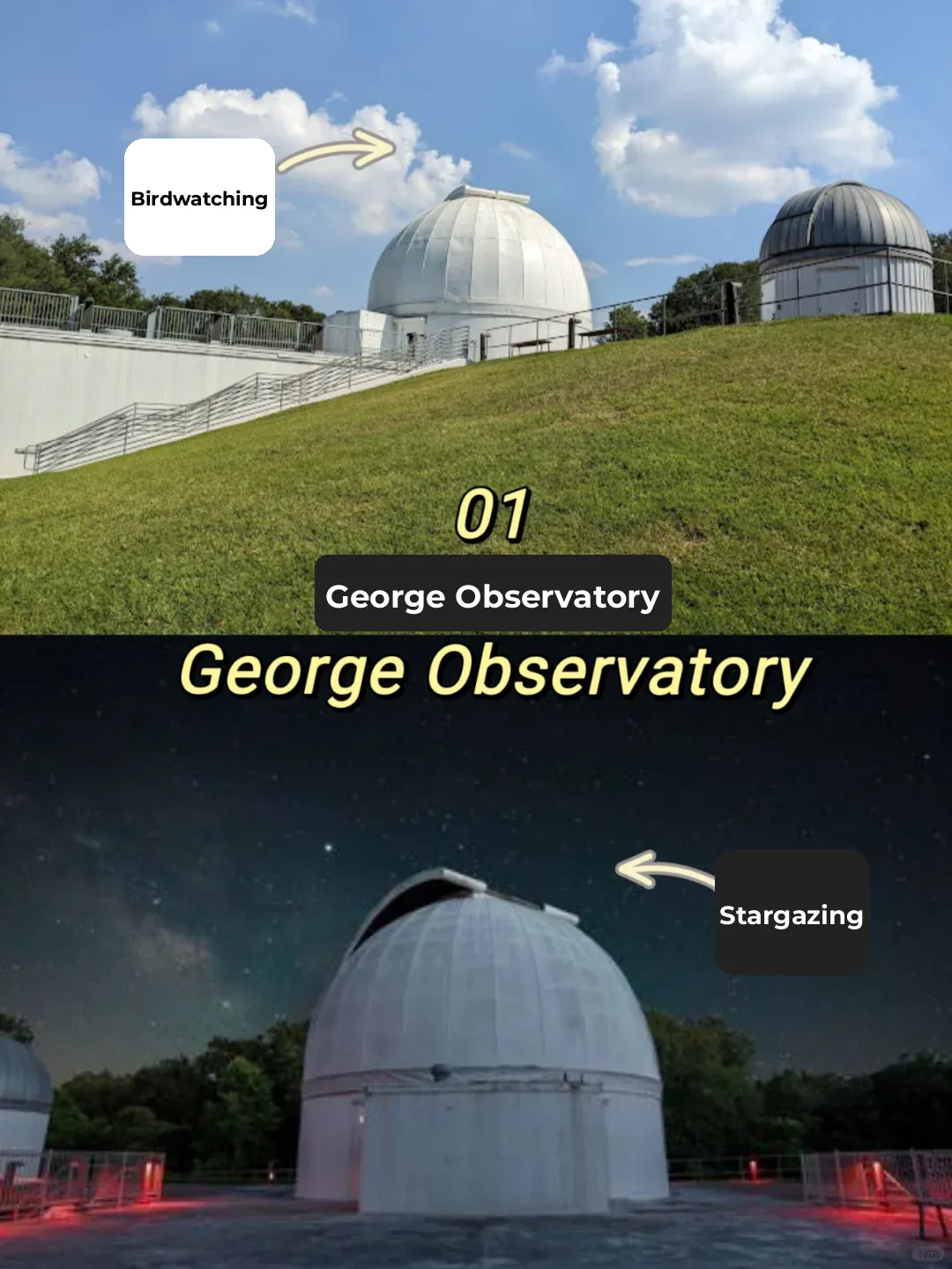
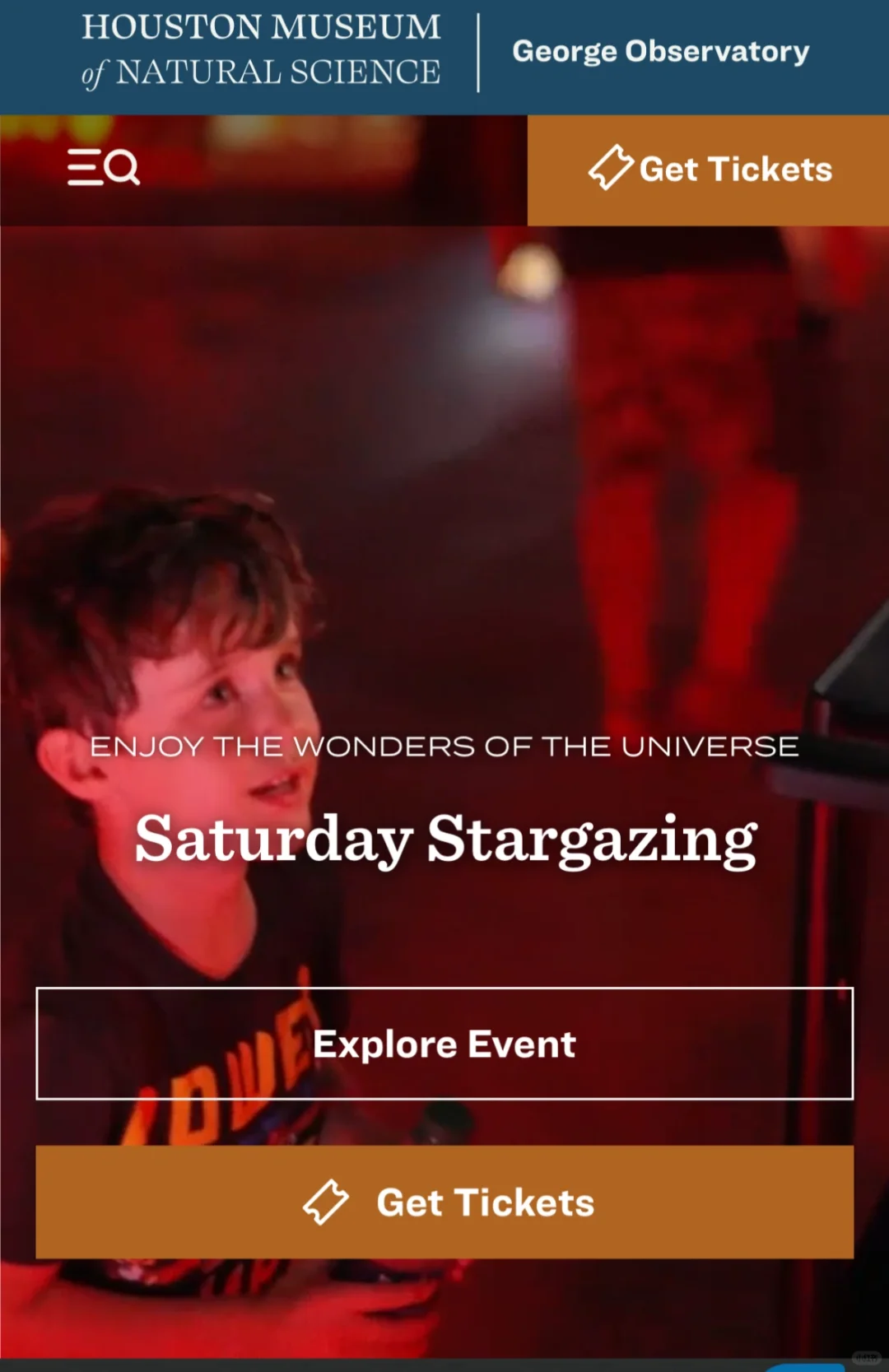
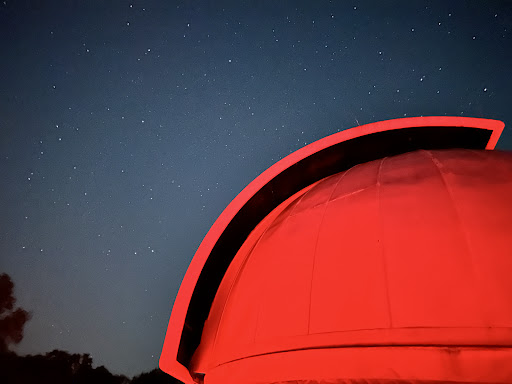
Plan to come out just before sunset to take advantage of the lectures and exhibits in the ground floor main building before ascending the stairs (or wheelchair ramp) to the telescope deck. If you have an astronomy app on your phone, check to see what planets, if any, will rise that evening during your visit. There is a good possibility that at least one telescope will be pointed at a planet, but it is not a certainty. Many factors come into consideration before a telescope operator selects an object to observe. Allow for at least one half hour more to view an object after it rises in the east, giving it time to clear the trees and the telescope Dome wall before it can get into telescope view. Know that the telescope operators decide what objects are most suitable to general public for viewing that evening, taking safety considerations into account, as you may have to climb a small step ladder to get to the eyepiece. Also during the time the observatory is open, a telescope operator may elect to point their telescope at a deep space object like a globular cluster or a Messier object, instead of a planet or the moon, but if visibility is poor, they may switch back to a more crowd pleasing object. People standing in line may be underwhelmed by finally getting to the front of the line and not appreciate looking at a fuzzy object they never heard of, many light years away. Volunteers working the dome doors may fill you in on what’s being viewed inside, so you can do more research later. If you plan to use your phone, put it on night mode, with a red filter, and no flash for any pictures. Human night vision does not allow one to see pretty colors in the telescope eyepiece, so even the most colorful planets will be less so in the eyepiece. Local astronomy club volunteers working deck telescopes may focus on items best suited for their telescope. If the weather is inclement you may not be able to view many objects due to cloud-cover, and if there is a full moon, you will get great telescope views of the full moon, but other objects may be drowned out by the moon's light pollution. This is why sometimes all telescopes may be pointing at the same object—the alternative might be a less interesting white cotton ball looking object and people will be disappointed at what they see, not appreciating the effort and thought process went through by the telescope operators in choosing that object. Purchase a ticket to go into the three domed telescope buildings, or if your finances are tight, plan to enjoy looking through the telescopes on the deck (for free) manned by members of local astronomy clubs. Bring plenty of bug spray, as this is a protected wetland area, and they do not spray for mosquitoes. Lectures, a discovery dome, and gift shop are in the air-conditioned building below the telescope deck, as well as restrooms and a space mission run by the Houston Museum of Natural Science (by appointment). The lighted walkway from the parking lot also has planet distances on the path. Bring a flashlight. Alligators and other critters live in the park. Stay on the path and stay alert, especially with small children. I have never heard of any incidents here, but have seen alligators on the path in daytime. At night you can see their eyes with...
Read more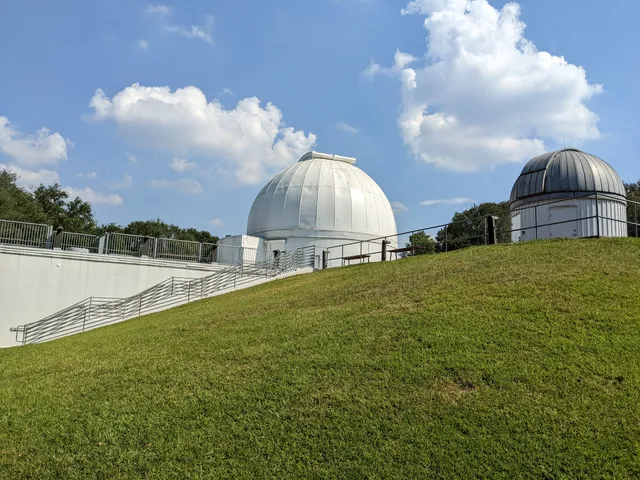

 Learn more insights from Wanderboat AI.