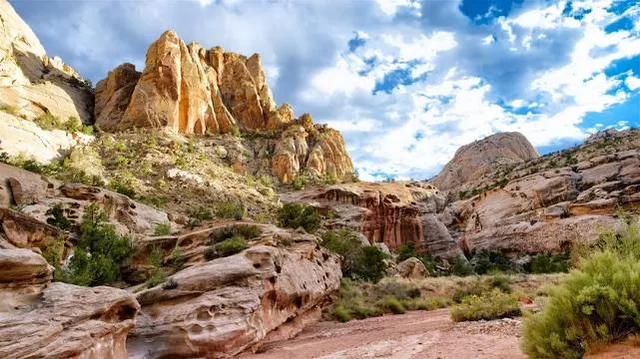
Capitol Reef National Park, Utah United States is a true hidden gem.
This Park is located in south-central Utah, is a hidden gem that offers a unique and breathtaking landscape. Often overshadowed by its more famous neighbors, Zion and Bryce Canyon, the park boasts stunning geological formations, scenic drives, hiking trails, and historical sites that make it a memorable destination.
Its most prominent feature, the Waterpocket Fold, is a 100-mile-long monocline that exposes layers of colorful sandstone, creating a striking contrast of deep reds, oranges, yellows, and whites across the terrain.
Visitors to the park can explore its diverse landscapes through several scenic drives. The Capitol Reef Scenic Drive, a 7.9 mile paved road, provides access to trailheads and views of towering rock formations.
Highway 24, which runs through the park, allows travelers to take in stunning vistas with multiple pull-over spots for photos.
For those seeking a more remote experience, the Loop the Fold drive offers over 100 miles of winding roads that circle the Waterpocket Fold, while the Cathedral Valley Loop, a 60-mile dirt road, takes adventurers through rugged backcountry landscapes.
Hiking opportunities in Capitol Reef vary from short, accessible walks to challenging backcountry treks. The Grand Wash Trail, a relatively flat 4 mile route, winds through a canyon with towering walls.
The Cohab Canyon Trail features steep switchbacks leading to panoramic views of the park, while the Hickman Bridge Trail takes hikers to a natural rock bridge. More strenuous options, such as the Rim Overlook Trail and the Cassidy Arch Trail, reward visitors with sweeping views of the dramatic rock formations below.
Beyond its scenic landscapes, Capitol Reef has a rich cultural and historical heritage. The Fruita area, once a settlement for early pioneers, is home to historic orchards where visitors can pick fresh fruit during the harvest season.
The park also contains well preserved petroglyphs left by ancient Indigenous civilizations, providing a glimpse into the region’s past. Additionally, remnants of a pioneer schoolhouse offer insight into the lives of settlers who once inhabited the area.
Capitol Reef’s remote location makes it an ideal destination for those seeking solitude and a deep connection with nature. The park’s dark skies and minimal light pollution create perfect conditions for stargazing, with the Milky Way stretching brilliantly across the night sky.
Despite its isolation, there are a few lodging options nearby, including the Capitol Reef Resort, which offers unique accommodations such as covered wagons for an immersive experience under the stars.
While Capitol Reef’s rugged beauty is undeniable, visitors should be mindful of the park’s climate and conditions. Summers can be extremely hot, making early morning or late afternoon visits ideal. Winters bring cooler temperatures, and visiting during the off-season allows for a more peaceful experience with fewer crowds.
Some areas of the park, including sections of the Scenic Drive, may be closed for maintenance at certain times of the year, so checking for updates before arrival is advisable.
Despite being lesser-known than Utah’s other national parks, Capitol Reef’s breathtaking landscapes, diverse hiking trails, rich history, and peaceful atmosphere make it a must-visit destination.
Whether driving through its scenic roads, exploring its winding trails, or marveling at the ancient petroglyphs, visitors will find an unforgettable experience in this remarkable corner of Utah’s red...
Read morePros Fruit picking, if available, is a neat and unique experience for a Natl park. No park entrance station, no fee
Fruita camprground is nice. I don’t suggest campsite 18 loop A, however. Right next to sewage dump, campsite dumpsters and a porta potty style bathroom and the entrance/exit. We had wonderful smells all day and night and light blaring from cars pulling in. 😒 plus little privacy as this site is also on the corner of the road that goes to loop b campsites. Otherwise, there were horses in a neighboring pasture for kids to say hi to across the fence (not feed), plenty of shade, large campsites, flushing toilets, fire pit and a separate grill for cooking on. It’s also in a calm setting next to the river, which you can hear at night. 2 campground host sites. Overall, this was the best portion of our trip here.
Cons The scenic drive wasn’t all that scenic. Not much to look at compared to the rest of the national parks, or the rest of southern UT in general. The road on the scenic dr is not well maintained. It’s very narrow, barely fits 2 vehicles wide. The edges are falling away. I posted a picture of a section of the road covered in dirt. To me, that was also the coolest portion of the drive. The main road, hwy 24, was a much more scenic and safer drive that actually takes you across the fold (what this park is here for).
There were plenty of orchards all in & around the park. We saw 10+ easily. Only 1 was open for fruit picking! And it wasn’t one of the ones listed on the website to be open during the time of our stay.
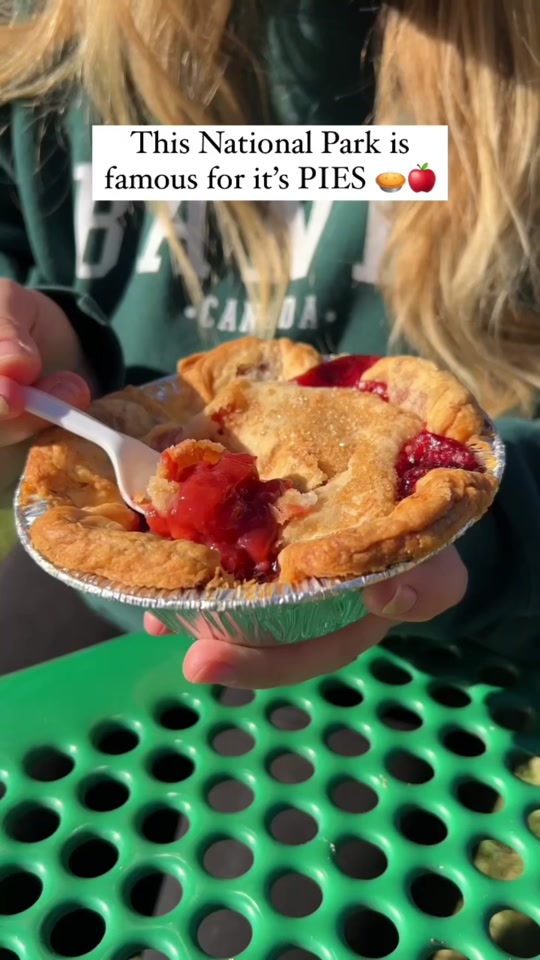
As we were walking up to the Gifford house for pie they closed up, at noon. Their sign says open until 4:30pm and NOTHING about closing for lunch. We watched people walk out with pie right in front of us. This was super frustrating and a big turn-off to the park.
Not dog friendly. We knew this going in, but it’s still a con. Dogs are allowed in the park but not on any of the hikes. And there’s a rule about leaving them unattended. So basically if you bring a dog with you, you’re trapped in the car. In the campground they have to stay on a 6ft leash.
Plenty of picnic areas but the deer like to hang out there and there’s a rule about staying away from the deer. 100 ft away. So basically, you can’t use the picnic area. The deer have claimed it.
The petroglyphs are pretty cool, but Utah has so many of them. I’ve...
Read moreThe shape of the Capitol Reef National Park resembles a narrow noodle, defined by a 160 km long rock wall Waterpocket Fold. The total area of the park is 979 square km, the majority of the surface is covered by sandstone monoliths, turrets, cliffs, valleys and desert. Once upon a time, the Fremont River gave the canyons sharp edges.
Capitol Reef was first a national monument on August 2, 1937, and was promoted to a national park on December 18, 1971. It came to its name relatively easily. The sandstone domes reminded the first explorers of the area of the Washington D Capitol building. The rock walls again evoked sea cliffs, called "reefs" in English. NP Capitol Reef is visited by around 660,000 people every year.
The highest point of the park is with 2,730 meters a place near Billings Pass, the lowest in 1,182 meters is Halls Creek.
Of the animals in the park, you will most likely see iguanas, lizards and spotted toads, while mammals are dominated by foxes, bats, hares and rabbits. The most numerous species of fish are spotted deer, red-backed deer and blackthorn, of birds eagles, falcons and ravens.
Across the entire Capitol Reef Park, it grows 887 plant species, six of which are on the federal endangered species list. The trees are dominated by Utah juniper, Colorado pine, aspen pine and Fremont poplar. You can come across several species of cacti, which bloom in the park from...
Read more