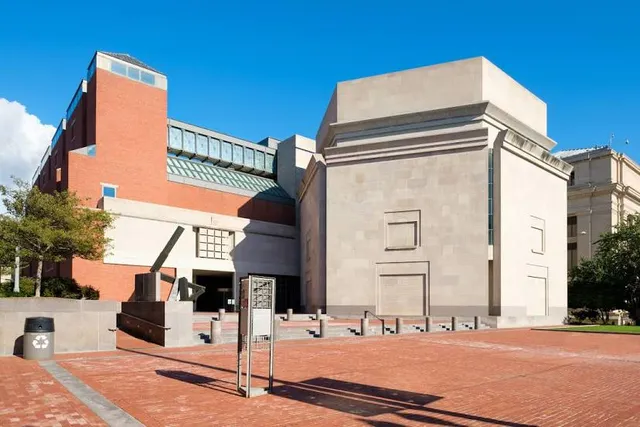
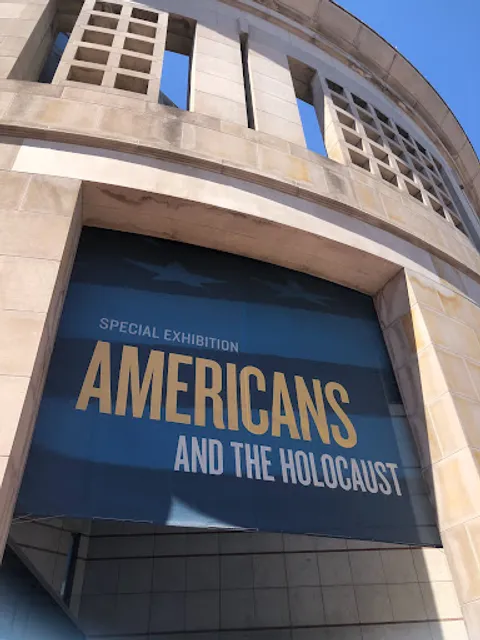
Walking into the United States Holocaust Memorial Museum in Washington, D.C., you immediately feel a shift in the atmosphere. Unlike many other museums in the city, where crowds chatter and excitement fills the air, this space is almost eerily quiet—not because it enforces silence, but because the weight of its subject matter naturally commands it. Every visitor, regardless of age or background, seems to instinctively lower their voice, slow their steps, and absorb the magnitude of what is presented.
This is not a museum that one simply walks through. It is a journey—a deeply thought-provoking, emotionally heavy exploration of the darkest depths of human history. The exhibits do not shy away from the atrocities committed during the Holocaust; instead, they lay them bare in a way that is both educational and profoundly affecting.
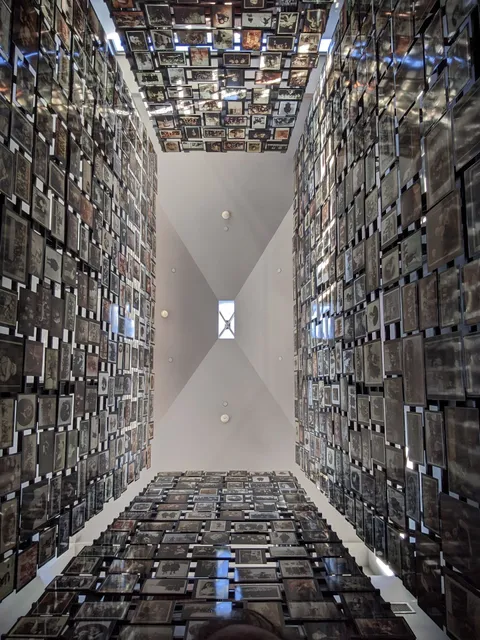
From the moment you begin, the layout of the museum takes you chronologically through the rise of Nazi Germany, the persecution of Jews and other targeted groups, the horrors of the concentration camps, and finally, the aftermath of the Holocaust. You are given an identity card—the story of a real person who lived through the Holocaust—and as you move through the exhibits, you learn what ultimately happened to them. It’s a simple yet deeply personal way to connect to the enormity of the event, making history not just numbers, but faces and names.
The museum’s artifacts and photographs are staggering in their impact. One display features a massive collection of shoes taken from victims at concentration camps, piled in a haunting, suffocating mass. The smell of aged leather and decay lingers in the air, a poignant and inescapable reminder that these were real people, stripped of their belongings and their dignity before being sent to their deaths. It is impossible to walk by without feeling something in your chest tighten—grief, anger, disbelief.
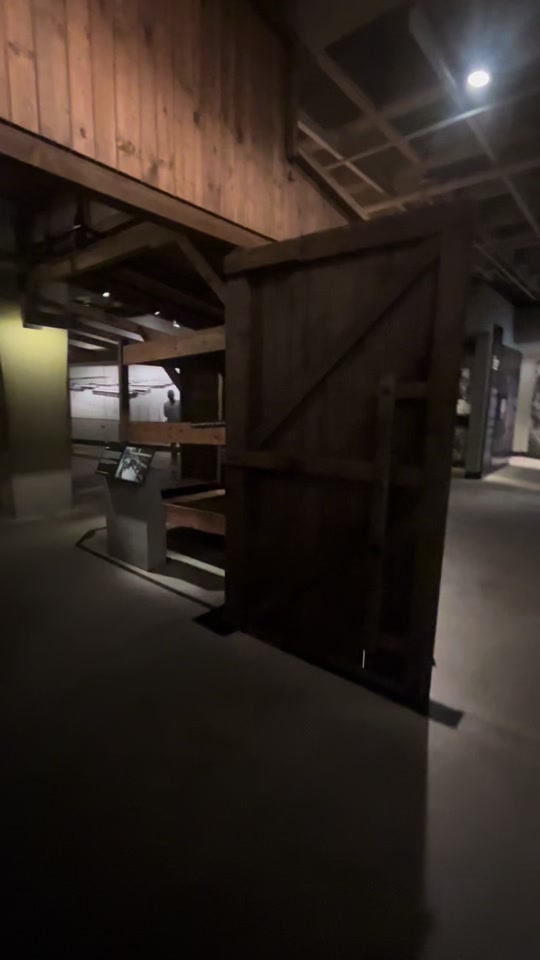
Another part of the exhibit that lingers in the mind long after leaving is the boxcar—an actual railcar used to transport prisoners to concentration camps. Walking inside, even for a brief moment, you feel the claustrophobic horror that so many endured, crammed into these small, airless spaces with no knowledge of their fate.
The Hall of Remembrance at the end of the museum provides a space for reflection, with an eternal flame burning in memory of the millions of lives lost. Many visitors stand in silence, lost in thought, some lighting candles in remembrance.
One of the most viscerally moving parts of the museum is the Show Exhibit (Shoah, meaning "catastrophe" in Hebrew). This immersive space confronts visitors with first-hand testimonies, video footage, and documentary evidence of the genocide. The smell of charred wood and aged documents fills the room, adding a sensory layer to the experience that makes it all the more real.
It is here that you truly see the power of the museum—not just as a place of historical record, but as a force that compels visitors to grapple with the depths of human cruelty and to confront what mankind is capable of. The phrase "Never Again" echoes through the halls, not just as a hope, but as a responsibility.
A visit to the United States Holocaust Memorial Museum is not one that anyone walks away from unchanged. It is an emotionally draining, yet essential experience, one that forces deep reflection on the past, the present, and the future.
The most striking thing about the museum is how quiet it remains, despite the number of visitors. It is not the forced silence of a library or a church, but the kind that comes from collective reverence and sorrow. People leave with tear-streaked faces, holding each other a little tighter, speaking in hushed tones as they process what they’ve seen.
It is a museum that does not simply tell history—it makes you feel it, down to your core. A sobering reminder of what unchecked hatred can lead...
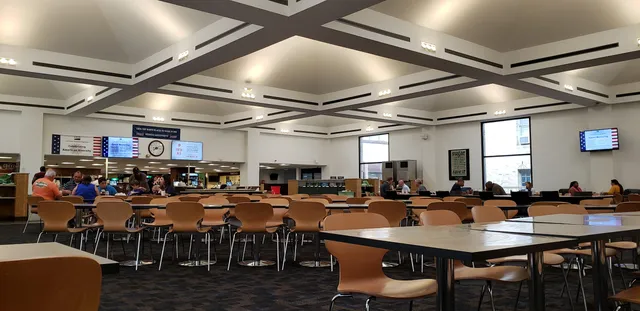
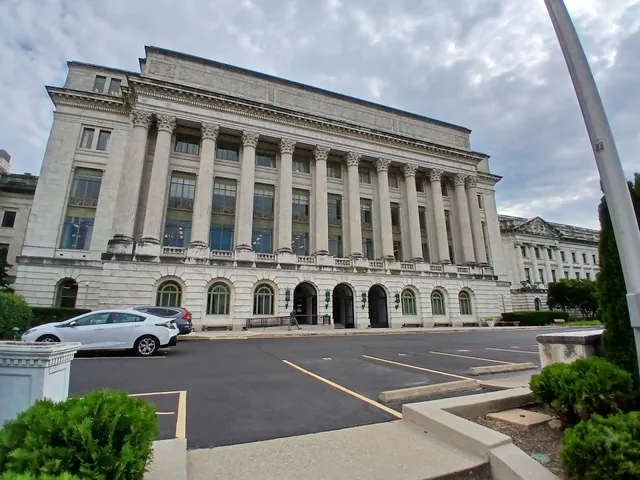
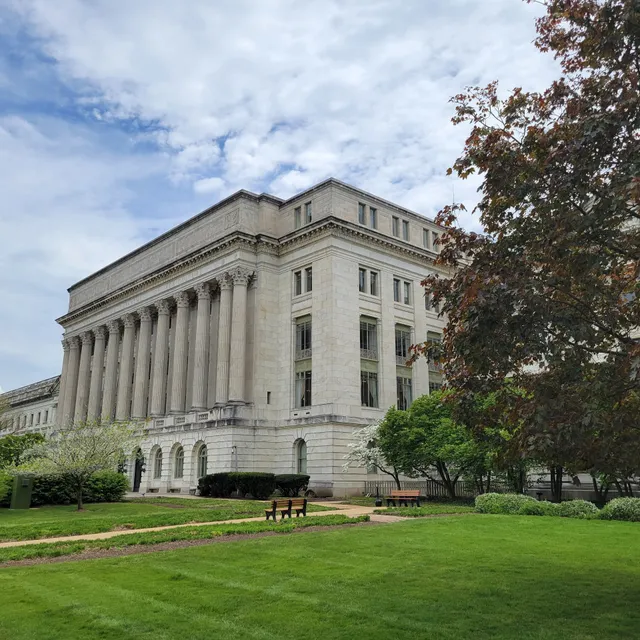
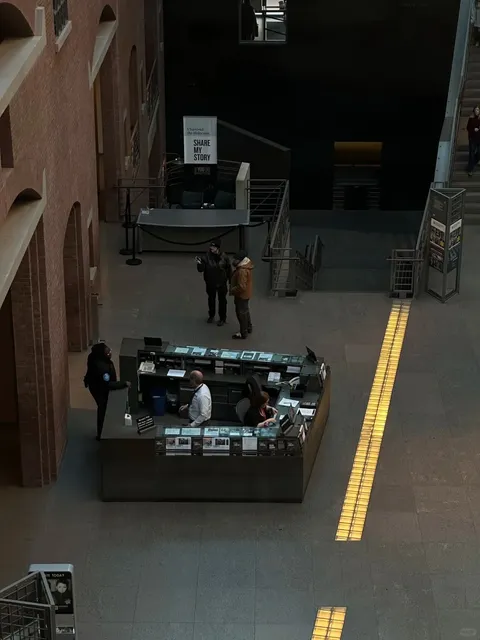
Read moreFirst off, many of the bad reviews have been written by people who had no clue what they were doing. The Main Exhibit, which is two and a half floors of displays and artifacts, requires a ticket for timed entry during the busy months. The rest of the exhibits are free but make up a very small part of the whole. The Main Exhibit takes, at least, three to four hours just to skim through. I have met people who have gone back three days in a row to see it from start to finish. During the summer months, when tickets are used, it IS very crowded. They also have reserved groups from schools and clubs and tour groups that can make the Main Exhibit VERY crowded. It wasn't built to handle large numbers of visitors and the first hallway can become jammed. The tickets were put in place to try to stop that but there are always VIPs and Membership card holders who can bypass the system by their very importance. So there are always more people in the Main Exhibit than there should be. This is not a half-hour visit. IF you were smart enough to get a ticket plan to spend most of the day. And have patience. Now for the bad - security is not known for being polite and patient (even when I worked there). And for some reason visitors are never ready to go through security even though they have had to go through security in many of the other museums. The security here is like airport security. Just put everything into a BAG. And many of the Visitor Service staff who pass out tickets, work the desks, and such were not hired for their knowledge of history - they are there to help run the museum. You want to learn? Get ready to read for many, many, many hours. Most of us who had degrees in history left, or were fired, many years ago. The Manage treated their employees like the security guards treated the visitors. And the good guards have found better jobs with the Smithsonian. The museum cafe is a museum cafe in another building on 15th Street. If you want real food I suggest going to the Museum of Native Americans or maybe the National Gallery of Art. Otherwise all the museum cafes have museum cafe food. To complain about museum food just shows how many of the reviewers never leave the house. There are bathrooms on each floor BUT the ground floor and there are gift shops and, unless being worked on, a checkroom. And you will find lots of children, people using their phones and cameras, and being entitled. The folks who respected it, who came to learn about the Holocaust, visited shortly after it opened so many years ago. NOW most of the visitors you will run into are there to take a photo with the few remaining survivors, grab a postcard, and say they visited the museum. In other words people who are just passing through. People who are trying to visit as many places as they can in one day for selfies for their Facebook. And to the museum they are numbers, so many voters that pass through each day, so they can get a yearly allowance from Congress. IF you don't want that - visit one of the art museums. Few people go to those and there are no kids and very few people talking on their phones or using their cameras with flash. In short - great museum where even the building was built to be part of the exhibits (like the American Indian and the African American Museums later were) but badly thought out when it came to crowd control and safety and the handling...
Read moreMy visit to the Holocaust Museum left an indelible mark on my heart and mind. This museum stands as a powerful testament to the resilience of the human spirit and a stark reminder of the atrocities that unfolded during one of the darkest chapters in history.
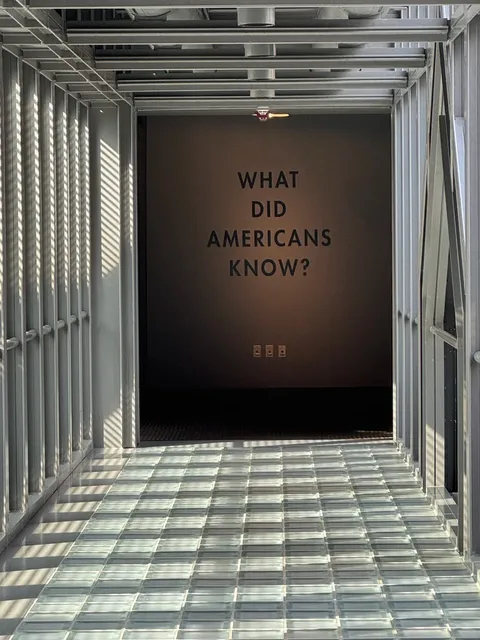
From the moment I stepped through the museum's doors, I was struck by its solemn and contemplative atmosphere. The museum's well-designed layout and curated exhibits provided a deeply immersive experience, guiding visitors through the chronological narrative of the Holocaust. Each room was thoughtfully arranged, featuring photographs, artifacts, and poignant personal stories that helped to humanize the incomprehensible scale of suffering.
One of the museum's most impactful features was the Hall of Remembrance, a space dedicated to honoring the memory of the millions of innocent lives lost. The subdued lighting, reflective surfaces, and the haunting melody playing softly in the background created a somber ambiance that encouraged deep introspection. It was a space for paying homage and reflecting on the profound implications of unchecked hatred and discrimination.
The museum's dedication to education and awareness was evident in its interactive displays and engaging multimedia presentations. I was particularly moved by the survivor testimonials, which offered firsthand accounts of the horrors endured during the Holocaust. These personal stories served as a stark reminder that behind the statistics and historical facts, there were real people with families, dreams, and aspirations.
The Holocaust Museum's commitment to fostering understanding and empathy was evident in its outreach programs and educational initiatives. It is clear that the museum seeks to ensure that the lessons of the Holocaust are never forgotten and that its legacy serves as a catalyst for promoting tolerance, inclusivity, and social justice.
My visit to the Holocaust Museum was an emotionally-charged and thought-provoking experience. It is a place that not only commemorates the past but also challenges us to confront the darker aspects of human nature. I wholeheartedly recommend this museum to anyone seeking a profound and meaningful encounter with history and a renewed commitment to building a...
Read more