Museum of Victims of Political Repression things to do, attractions, restaurants, events info and trip planning
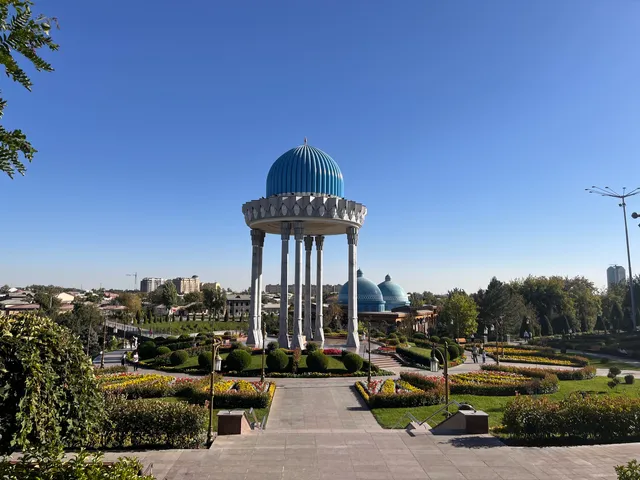
Basic Info
Museum of Victims of Political Repression
87WQ+Q79, Tashkent, Uzbekistan
4.3(193)
Open until 12:00 AM
Save
spot
spot
Ratings & Description
Info
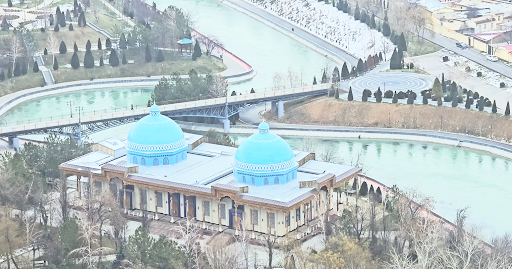
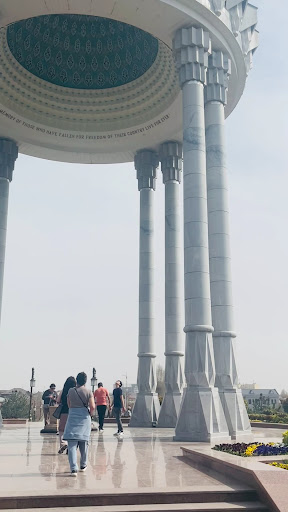
Museum of Victims of Political Repression in Tashkent — is a museum which tells the history of Uzbekistan during the time of the Soviet Union, in particular that of the people killed by the Soviet government at that time. The Museum is divided into 10 parts.
Cultural
Accessibility
attractions: Memorial to the Victims of Repression in Tashkent, Tashkent Television Tower, Mirzo-Yusuf Mosque, Tashkentland, Japanese Garden, restaurants: Besh Qozon, Yaponamama, Bon!, local businesses: Tashkent Television Tower, Stan Holiday, Shahriston, Tashkentland
 Learn more insights from Wanderboat AI.
Phone
+998 71 212 36 85
Open hoursSee all hours
Tue9 AM - 1 PM, 2 - 5 PMOpen
Plan your stay

Pet-friendly Hotels in Tashkent
Find a cozy hotel nearby and make it a full experience.

Affordable Hotels in Tashkent
Find a cozy hotel nearby and make it a full experience.

The Coolest Hotels You Haven't Heard Of (Yet)
Find a cozy hotel nearby and make it a full experience.

Trending Stays Worth the Hype in Tashkent
Find a cozy hotel nearby and make it a full experience.
Reviews
Live events

Fintech Fuckup Talks
Sat, Jan 31 • 11:00 AM
Тоshkent, Toshkent
View details
Nearby attractions of Museum of Victims of Political Repression
Memorial to the Victims of Repression in Tashkent
Tashkent Television Tower
Mirzo-Yusuf Mosque
Tashkentland
Japanese Garden
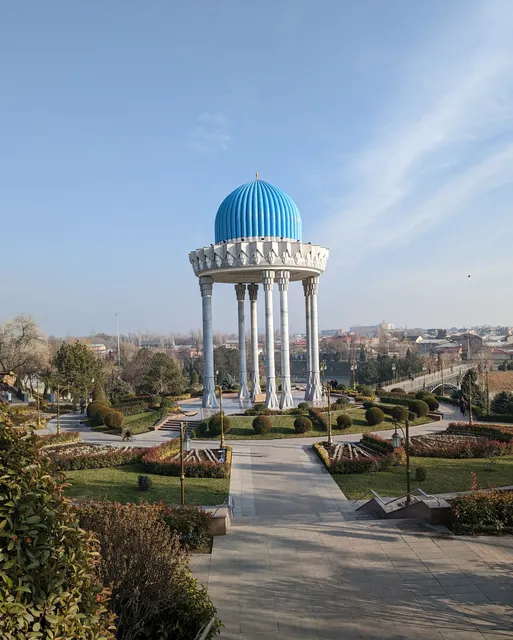
Memorial to the Victims of Repression in Tashkent
4.7
(502)
Open until 8:00 PM
Click for details
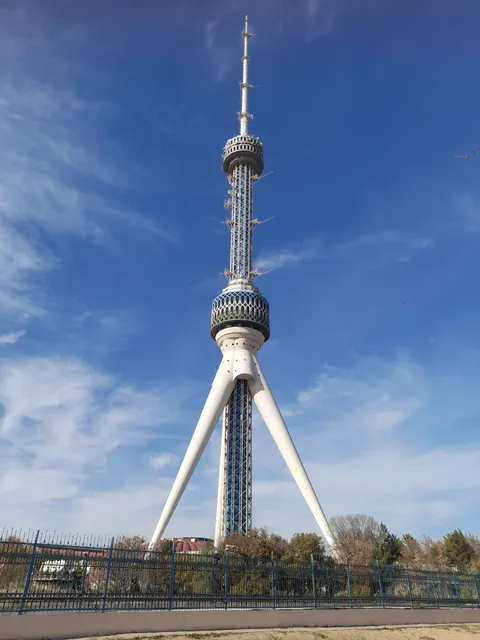
Tashkent Television Tower
4.4
(91)
Closed
Click for details
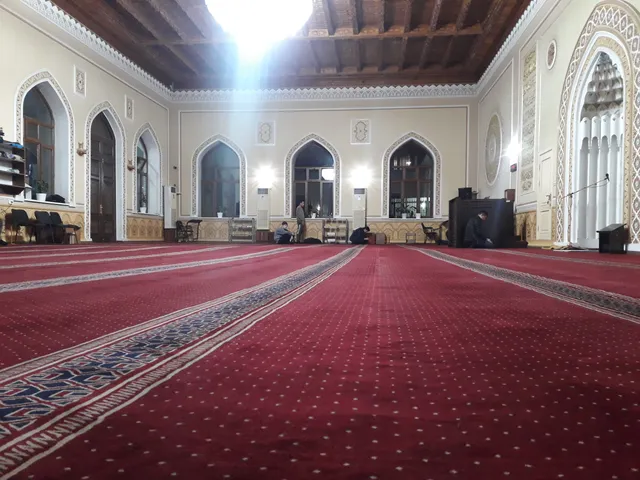
Mirzo-Yusuf Mosque
4.9
(268)
Open until 8:00 PM
Click for details
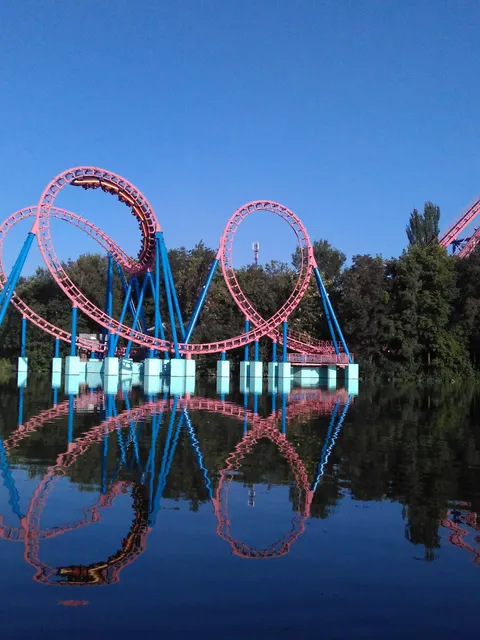
Tashkentland
4.1
(239)
Open until 12:00 AM
Click for details
Nearby restaurants of Museum of Victims of Political Repression
Besh Qozon
Yaponamama
Bon!
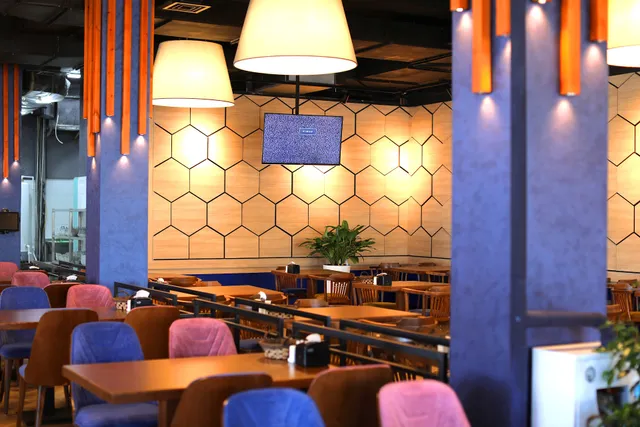
Besh Qozon
4.6
(2.6K)
Open until 12:00 AM
Click for details
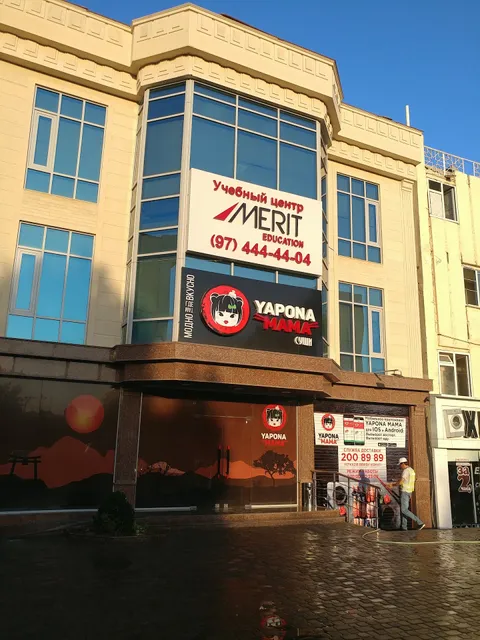
Yaponamama
4.2
(170)
Open until 10:00 PM
Click for details
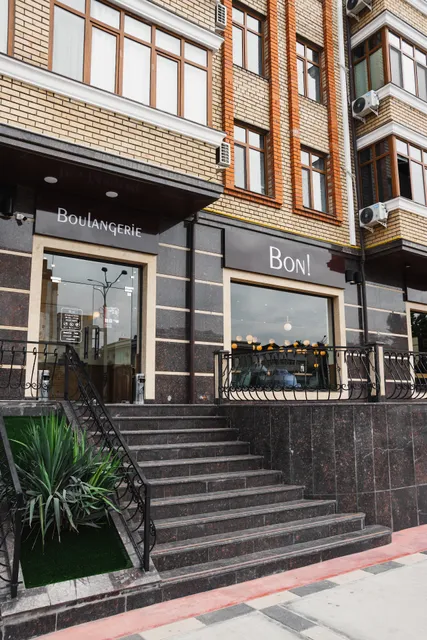
Bon!
4.5
(46)
Open until 10:00 PM
Click for details
Nearby local services of Museum of Victims of Political Repression
Tashkent Television Tower
Stan Holiday
Shahriston
Tashkentland
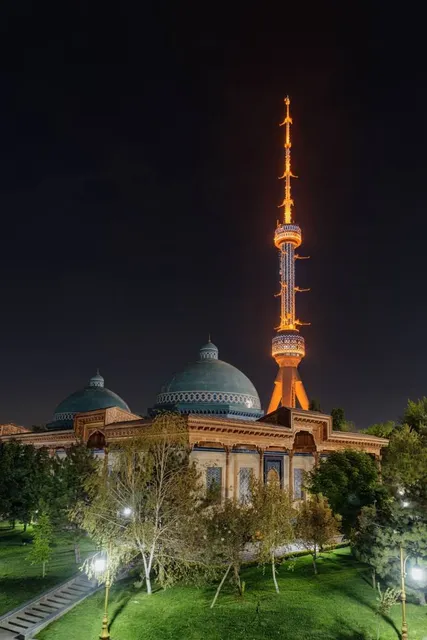
Tashkent Television Tower
4.4
(833)
Click for details
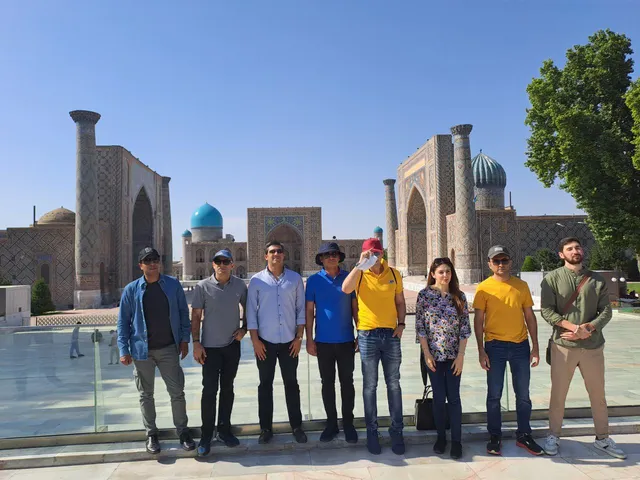
Stan Holiday
5.0
(30)
Click for details
Shahriston
4.4
(46)
Click for details
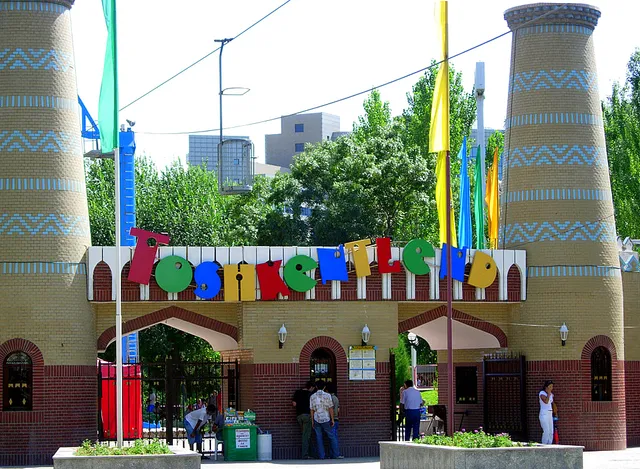
Tashkentland
4.1
(203)
Click for details