Castillo Negro, Venezuela – A Hidden Historical Gem
Castillo Negro, located along the historic Camino de los Españoles connecting Caracas to La Guaira, is a remarkable architectural site that reflects Venezuela’s rich colonial history.
Built in the 1770s, its name (Black Castle) comes from the practice of painting its walls with charcoal, giving it a dark tone that helped camouflage it from potential invaders approaching from the coast. (actualidad-24.com)
This fortress, along with Castillo de San Joaquín, played a crucial role in defending the northern slopes of El Ávila, securing the Camino Real de los Españoles, the main route between Caracas and the port of La Guaira during the colonial era. Its strategic design allowed for effective surveillance and defense against enemy incursions. (elbucare.com)
Throughout history, Castillo Negro witnessed significant events. It suffered severe damage during the devastating earthquake of 1812 and was later abandoned. However, recognizing its cultural and architectural importance, Venezuela declared it a National Historic Monument on April 13, 1976. (primicias24.com)
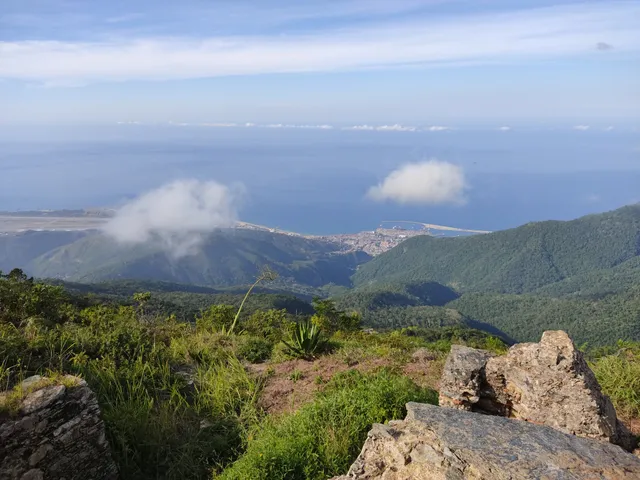
Today, though only parts of its walls remain, the site offers visitors a glimpse into the past and a chance to appreciate colonial-era military engineering. Additionally, the castle’s location provides breathtaking panoramic views of the central coast and Caracas, especially at sunset, making it an attractive destination for history enthusiasts and nature lovers alike. (minube.com)
Visiting Castillo Negro is like stepping back in time, exploring the remnants of a structure that once played a vital role in Venezuela’s defense and communication. It stands as a powerful reminder of the resilience and ingenuity of those who built and...
Read moreThis was one of the biggest forts on the Avila protecting against pirates and even indigenous tribes. Its walls were painted black with ashes to help its camouflage and that's how it got its nsme; however, due to its strategic location it was a key part of the warning system along the mountain side.
This fort is part of the route of Camino de...
Read moreBueno su nombre se debe a la coloración de la tierra sobre el cual fué construido ya que es de color oscuro. Solo quedan algunas pocas partes de su estructura original antigua de resto es como un terraplén. Personas inescrupulosas dejan basura, hacen parrillas y dejan la suciedad en el sitio y eso termina de afear la zona. La vista es espectacular dirección la Guaira y el Ávila, el clima súper relajante el sol inclemente. El trayecto rústico piedras tierra partes boscosas etc... Existe un transporte pago hasta cierta zona y desde el castillo negro se puede bajar por un sendero hasta el fortín. El trayecto de ascenso es de aproximadamente 2 horas un poco menos dependiendo de la intensidad de ascenso, NO hay agua aunque hay construcciones cercanas, suben motos y carros rústicos puedes acampar bajo tu propio riesgo, no hay delincuencia en la zona, llegas hasta puerta Caracas la pastora y de hay tomas un Jeep y te sube hasta cierto sitio y el transporte...
Read more