HTML SitemapExplore
logo
Find Things to DoFind The Best Restaurants

Vinh Trang Pagoda — Attraction in Mỹ Tho

Name
Vinh Trang Pagoda
Description
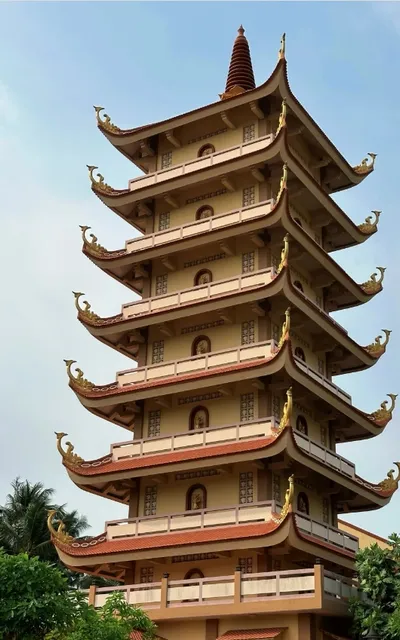
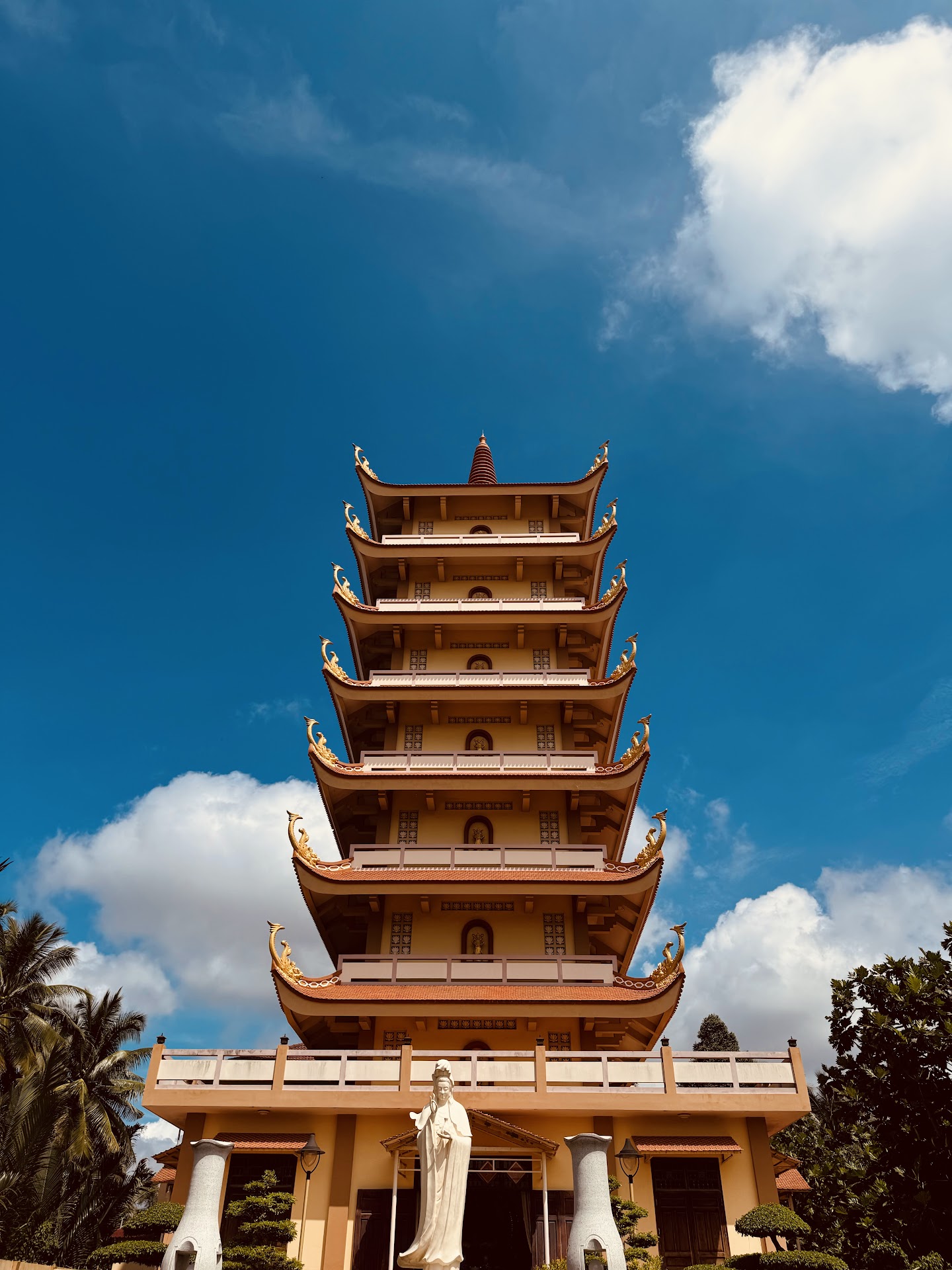
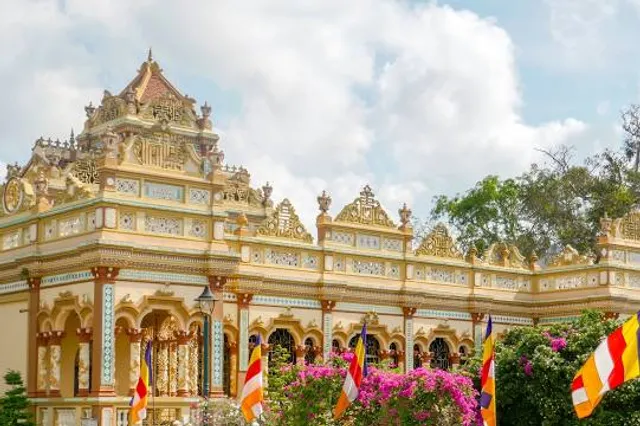
Vĩnh Tràng Temple is a Buddhist temple near Mỹ Tho in the Mekong Delta region of southern Vietnam. It is one of the best-known temples in the region. The temple stands on a 2-hectare block filled with fruit trees in the village of Mỹ Hóa in the town of Mỹ Phong, on the banks of the Bảo Định canal.
Nearby attractions
Nearby restaurants
Nearby hotels
Minh Tai Hotel
1 Quarter 2, Nguyen Hue Street, Ward 1, My Tho City ( 1 KP2 NGUYỄN HUỆ, P.1, TP.MỸ THO), Vietnam
Siri 2 Hotel - Khách sạn Siri 2 Mỹ Tho
7/15 Nguyễn Hữu Trí, Ấp Mỹ Thạnh, xã, Mỹ Tho, Tiền Giang, Vietnam
Related posts
Vietnam National Heritage Site Vĩnh Tràng Pagoda
Keywords
Vinh Trang Pagoda tourism.Vinh Trang Pagoda hotels.Vinh Trang Pagoda bed and breakfast. flights to Vinh Trang Pagoda.Vinh Trang Pagoda attractions.Vinh Trang Pagoda restaurants.Vinh Trang Pagoda travel.Vinh Trang Pagoda travel guide.Vinh Trang Pagoda travel blog.Vinh Trang Pagoda pictures.Vinh Trang Pagoda photos.Vinh Trang Pagoda travel tips.Vinh Trang Pagoda maps.Vinh Trang Pagoda things to do.
Vinh Trang Pagoda things to do, attractions, restaurants, events info and trip planning
Vinh Trang Pagoda
VietnamTiền Giang ProvinceMỹ ThoVinh Trang Pagoda

Basic Info

Vinh Trang Pagoda

ấp Mỹ An, Mỹ Phong, Mỹ Tho, Tiền Giang, Vietnam
4.6(3.8K)
Open 24 hours
Save
spot

Ratings & Description

Info

Vĩnh Tràng Temple is a Buddhist temple near Mỹ Tho in the Mekong Delta region of southern Vietnam. It is one of the best-known temples in the region. The temple stands on a 2-hectare block filled with fruit trees in the village of Mỹ Hóa in the town of Mỹ Phong, on the banks of the Bảo Định canal.

Cultural
Outdoor
Family friendly
attractions: , restaurants:
logoLearn more insights from Wanderboat AI.
Phone
+84 273 3873 427
Website
facebook.com

Plan your stay

hotel
Pet-friendly Hotels in Mỹ Tho
Find a cozy hotel nearby and make it a full experience.
hotel
Affordable Hotels in Mỹ Tho
Find a cozy hotel nearby and make it a full experience.
hotel
The Coolest Hotels You Haven't Heard Of (Yet)
Find a cozy hotel nearby and make it a full experience.
hotel
Trending Stays Worth the Hype in Mỹ Tho
Find a cozy hotel nearby and make it a full experience.

Reviews

Things to do nearby

Bike & Farm Tour in the Coconut Village
Sat, Dec 6 • 10:30 AM
thành phố Bến Tre, Bến Tre, 932690, Vietnam
View details
Get the Appoverlay
Get the AppOne tap to find yournext favorite spots!
Wanderboat LogoWanderboat

Your everyday Al companion for getaway ideas

CompanyAbout Us
InformationAI Trip PlannerSitemap
SocialXInstagramTiktokLinkedin
LegalTerms of ServicePrivacy Policy

Get the app

© 2025 Wanderboat. All rights reserved.
logo

Reviews of Vinh Trang Pagoda

4.6
(3,751)
avatar
5.0
1y

Vinh Trang Pagoda is the greatest pagoda of Tien Giang Province, in an area of 2,000m2 with many beautiful trees. It was built in 1849 in My Phong village, My Tho City, in the shape of  “Nation” letter of Chinese characters. The pagoda includes four large departments connected with each other: the front department, the main department, the worship department and the back department, bearing a combination of European-Asian architecture and creating a splendid beauty, solemnity, but purity.

The beautiful structure features a mixture of Chinese, Vietnamese and Angkor (Cambodian) architectural styles. The pagoda consists of five buildings, two ornamental yards and 178 pillars.

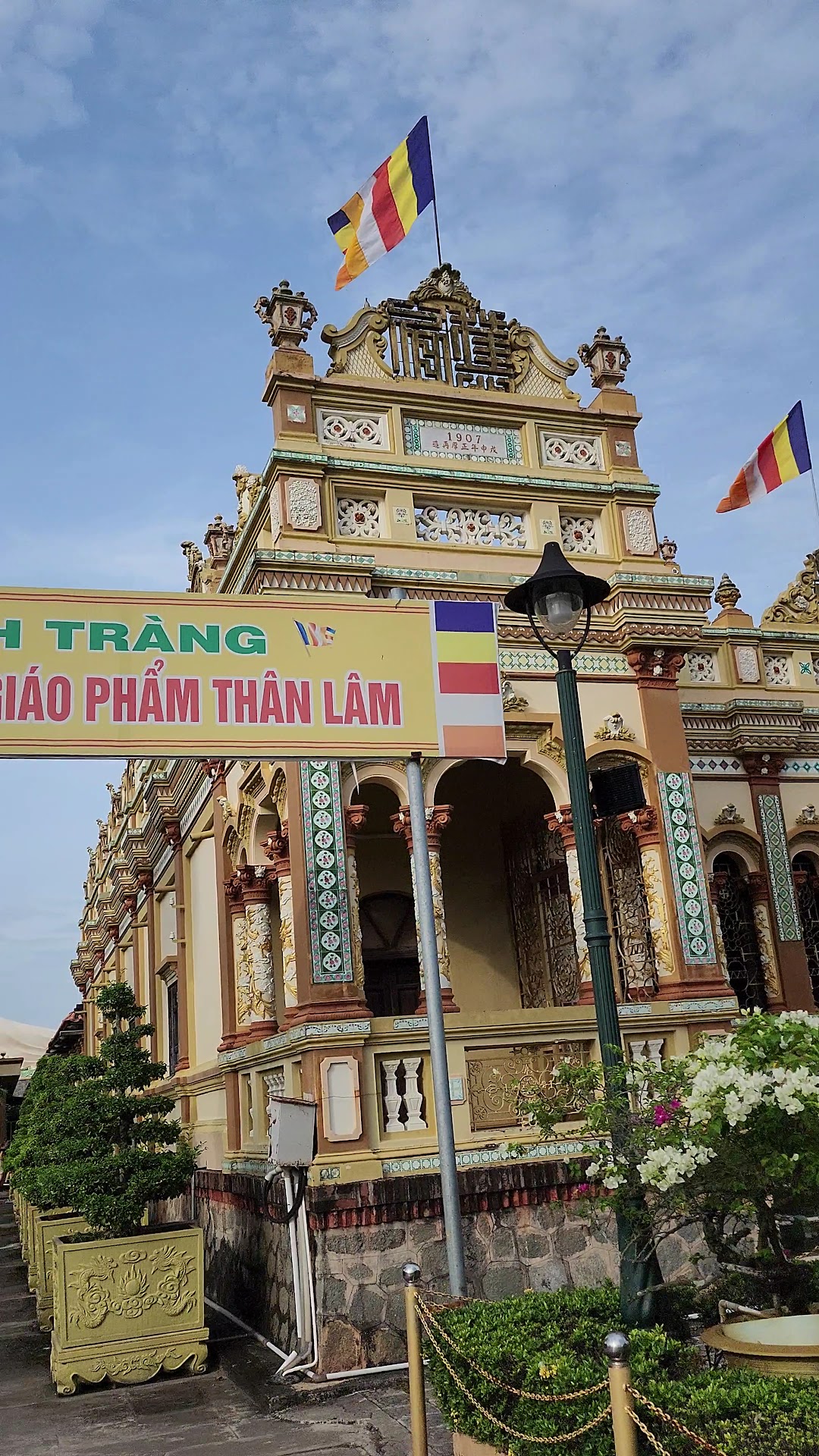
The extremely beautiful structures in the pagoda are two triumphal arches bearing an art of inserting bottle and porcelain fragments which create harmonious pictures illustrating the Buddha’s legendaries. Inside the pagoda, there is a set of pictures “eight angels riding on animals” another set of statues of the Amitabha Holy Trinity carved in bronze, as big as a man, and more particularly, the set of the eighteen Arhants, wood carving work, is the only one, not two, in the west of South Vietnam, made by a snumber of artists in 1907. Graves of Buddhist priests who took care of the pagoda are scattered around. These graves are decorated with carefully engraved flagstones.

There are three entrances to the pagoda. The central iron gate is always closed, while the two side gates, which are designed in the co lau style are open. The side gates are adorned with colorful porcelain mosaics featuring Buddhist folktales and natural scenery.

The facade of Vinh Trang Pagoda contains both Asian and European architecture including elements from the Renaissance period, Romanesque style, French decorative flowers and Japanese enameled tile. From afar, the pagoda resembles the five-tower Angkor Temple.

According to locals, a monk named Minh Dan and an architect named Huynh Tri Phu traveled to Cambodia prior to building the pagoda for inspiration and eventually combined Khmer architecture with European styles for the pagoda. Vinh Trang Pagoda houses 60 precious statues made from copper, wood and terracotta. The most valuable collection is the 18 arhats made from jackfruit tree wood in 1907. Additionally, the pagoda has a bell that was cast in 1854.

The pagoda is surrounded by gardens of ornamental trees, ancient trees and bonsai, creating a peaceful atmosphere. It provided shelter for Vietnamese patriots and is recognized as a national historical and cultural relic by...

   Read more
avatar
5.0
1y

Vinh Trang Pagoda was a delightful stop on my Mekong Delta tour and quickly became one of the highlights of my trip. As a French tourist, I was captivated by the pagoda’s unique blend of architectural styles—a mix of Vietnamese, Chinese, Khmer, and even a bit of European influence. It’s unlike anything you’d typically see in temples across Asia, with intricate mosaics, detailed floral carvings, and a certain elegance that feels almost regal.

The pagoda’s grounds are filled with impressive Buddha statues, each with its own charm. The smiling Buddha greeted us with a warm and joyful presence, setting a peaceful tone for our visit. Nearby, the reclining Buddha is serene, a symbol of rest and tranquility, while the standing Buddha radiates compassion and kindness. The size of these statues is monumental, making them even more awe-inspiring up close.

The gardens around the pagoda are lush and beautifully maintained, perfect for a quiet walk. Filled with bonsai trees, lotus ponds, and vibrant flowers, the setting feels like a little oasis, inviting you to slow down and take it all in. I especially loved the lotus ponds—they add a delicate beauty to the surroundings that made me want to linger just a bit longer.

Adding to the charm is the bell tower and the intricately designed gates adorned with dragon and phoenix motifs. The whole place feels like a harmonious blend of cultures and artistic influences, which makes it so unique and visually engaging. And even though it was a busy day, the place felt calm, with the sound of bells and the soft rustling of leaves adding to the serene ambiance.

The monks and staff here are incredibly welcoming. They were more than happy to share little insights into the significance of the statues and architecture, making the visit feel even more personal. It was a warm touch that made me feel truly welcome.

Overall, Vinh Trang Pagoda is a must-see if you’re exploring the Mekong Delta. It’s not just a temple; it’s a beautiful, peaceful space that offers a unique blend of culture, spirituality, and natural beauty. Whether you’re a history enthusiast or just looking for a lovely spot to take in the local culture, this pagoda has something special. Highly...

   Read more
avatar
5.0
2y

La Pagoda Vinh Trang está ubicada en la calle Nguyen Trung Truc, aldea de My An, comuna de My Phong , ciudad de My Tho , provincia de Tien Giang , Vietnam .

A principios del siglo XIX , la pagoda fue construida por el Sr. y la Sra. Bui Cong Dat. En 1849 , el Venerable Thich Hue Dang de la Pagoda Giac Lam ( Gia Dinh ) se convirtió en abad y organizó la construcción de una gran pagoda y la llamó Pagoda Vinh Truong con la implicación de desear que la pagoda fuera " Eterna para las montañas y los ríos, para siempre". "El cielo y la tierra existen". La gente de los alrededores todavía está acostumbrada a llamarla Pagoda Vinh Trang.

En 1907 , el Venerable Chanh Hau reconstruyó la pagoda, combinando elementos arquitectónicos asiáticos y europeos.

Este es un templo famoso en el sur y un famoso destino turístico y de peregrinación.

En 1984, la Pagoda Vinh Trang fue clasificada como Monumento Nacional por el Ministerio de Cultura e Información (ahora Ministerio de Cultura, Deportes y Turismo).

El salón principal está solemnemente decorado. La pagoda también conserva muchas estatuas antiguas y láminas elaboradamente talladas. El sorprendente conjunto de Dieciocho Arhats son estatuas redondas únicas talladas por artesanos del sur a principios del siglo XX .

La pagoda fue construida gracias al trabajo arquitectónico de muchas personas durante muchos años, y es una pagoda grande con una arquitectura bastante sofisticada y diversa que sigue el estilo arquitectónico combinado asiático-europeo (francés, romano, tailandés, camboyano, etc. índigo). Sin embargo, la pagoda todavía conserva la audaz arquitectura escultórica tradicional vietnamita.

La Pagoda Vinh Trang está diseñada con la forma del carácter chino y consta de 4 espacios consecutivos (salón frontal, salón principal, casa ancestral y casa trasera) de 14.000 m² de ancho, 70 m de largo, 20 m de ancho, construidos con cemento y madera preciosa . La base moldeada tiene 1 m de altura y se construye una pared sólida a su alrededor.

En el interior, el salón principal y la casa ancestral están hechos en estilo chino pero aún conservan características arquitectónicas vietnamitas . Conectando estos dos espacios hay un pequeño espacio con una rocalla en el medio, esta rocalla representa una vívida escena natural con identidad vietnamita. Justo en la rocalla mirando hacia la parte trasera del salón principal, a ambos lados del puente y al frente de la casa solariega, veremos arquitectura romana con hileras de mármoles de colores franceses decorados en el techo, en las columnas . cemento.

Al entrar en cada habitación, verá un color dorado brillante aplicado a las tallas y estatuas de Buda. Los pares de pilares de dragón en el salón principal son grandes pilares redondos, hechos de madera preciosa, con un diseño arquitectónico al estilo del "otoño superior e inferior".

Frente a la pagoda, hay dos sofisticadas puertas Tam Quan de estilo marcial, construidas al estilo de una pagoda antigua para colocar la imagen del monje Le Ngoc Xuyen en los escalones de cemento. Esta puerta está hecha completamente de porcelana china y porcelana vietnamita. Impreso con imágenes de dragones, unicornio, tortuga y fénix. Sopa, podredumbre, pecera y frases paralelas también están hechas de botellas brillantes y coloridas.

La Pagoda Vinh Truong está equipada con más de 60 estatuas de Buda fundidas en madera, bronce, terracota y cemento, la mayoría de ellas de madera, todas bañadas en oro brillante y creadas a finales del siglo XIX y principios del XX. En particular, a mediados del siglo XIX se crearon tres estatuas de bronce (Amitabha, de 98 cm de altura, Guan Yin y The Chi, de 93 cm de altura).

Además de las estatuas, los artefactos que quedan en la pagoda son: Dai Hong Chung llamado Phap Bao Bell, de 12 cm de alto, que pesa alrededor de 150 kg, fundido a mediados de mayo de 1854, grabado con la palabra "Vinh Truong Tu". Actualmente, el Phap Bao Chuong no se puede utilizar y está dañado debido a que estuvo bajo el agua durante mucho tiempo después...

   Read more

Page 1 of 7
Previous
Next

Posts

Vietnam National Heritage Site  Vĩnh Tràng Pagoda
AmeliaAmelia
Vietnam National Heritage Site Vĩnh Tràng Pagoda
Raphael NavarroRaphael Navarro
Vinh Trang Pagoda is the greatest pagoda of Tien Giang Province, in an area of 2,000m2 with many beautiful trees. It was built in 1849 in My Phong village, My Tho City, in the shape of  “Nation” letter of Chinese characters. The pagoda includes four large departments connected with each other: the front department, the main department, the worship department and the back department, bearing a combination of European-Asian architecture and creating a splendid beauty, solemnity, but purity. The beautiful structure features a mixture of Chinese, Vietnamese and Angkor (Cambodian) architectural styles. The pagoda consists of five buildings, two ornamental yards and 178 pillars. The extremely beautiful structures in the pagoda are two triumphal arches bearing an art of inserting bottle and porcelain fragments which create harmonious pictures illustrating the Buddha’s legendaries. Inside the pagoda, there is a set of pictures “eight angels riding on animals” another set of statues of the Amitabha Holy Trinity carved in bronze, as big as a man, and more particularly, the set of the eighteen Arhants, wood carving work, is the only one, not two, in the west of South Vietnam, made by a snumber of artists in 1907. Graves of Buddhist priests who took care of the pagoda are scattered around. These graves are decorated with carefully engraved flagstones. There are three entrances to the pagoda. The central iron gate is always closed, while the two side gates, which are designed in the co lau style are open. The side gates are adorned with colorful porcelain mosaics featuring Buddhist folktales and natural scenery. The facade of Vinh Trang Pagoda contains both Asian and European architecture including elements from the Renaissance period, Romanesque style, French decorative flowers and Japanese enameled tile. From afar, the pagoda resembles the five-tower Angkor Temple. According to locals, a monk named Minh Dan and an architect named Huynh Tri Phu traveled to Cambodia prior to building the pagoda for inspiration and eventually combined Khmer architecture with European styles for the pagoda. Vinh Trang Pagoda houses 60 precious statues made from copper, wood and terracotta. The most valuable collection is the 18 arhats made from jackfruit tree wood in 1907. Additionally, the pagoda has a bell that was cast in 1854. The pagoda is surrounded by gardens of ornamental trees, ancient trees and bonsai, creating a peaceful atmosphere. It provided shelter for Vietnamese patriots and is recognized as a national historical and cultural relic by the government.
Reji DoewtzReji Doewtz
Vinh Trang Pagoda was a delightful stop on my Mekong Delta tour and quickly became one of the highlights of my trip. As a French tourist, I was captivated by the pagoda’s unique blend of architectural styles—a mix of Vietnamese, Chinese, Khmer, and even a bit of European influence. It’s unlike anything you’d typically see in temples across Asia, with intricate mosaics, detailed floral carvings, and a certain elegance that feels almost regal. The pagoda’s grounds are filled with impressive Buddha statues, each with its own charm. The smiling Buddha greeted us with a warm and joyful presence, setting a peaceful tone for our visit. Nearby, the reclining Buddha is serene, a symbol of rest and tranquility, while the standing Buddha radiates compassion and kindness. The size of these statues is monumental, making them even more awe-inspiring up close. The gardens around the pagoda are lush and beautifully maintained, perfect for a quiet walk. Filled with bonsai trees, lotus ponds, and vibrant flowers, the setting feels like a little oasis, inviting you to slow down and take it all in. I especially loved the lotus ponds—they add a delicate beauty to the surroundings that made me want to linger just a bit longer. Adding to the charm is the bell tower and the intricately designed gates adorned with dragon and phoenix motifs. The whole place feels like a harmonious blend of cultures and artistic influences, which makes it so unique and visually engaging. And even though it was a busy day, the place felt calm, with the sound of bells and the soft rustling of leaves adding to the serene ambiance. The monks and staff here are incredibly welcoming. They were more than happy to share little insights into the significance of the statues and architecture, making the visit feel even more personal. It was a warm touch that made me feel truly welcome. Overall, Vinh Trang Pagoda is a must-see if you’re exploring the Mekong Delta. It’s not just a temple; it’s a beautiful, peaceful space that offers a unique blend of culture, spirituality, and natural beauty. Whether you’re a history enthusiast or just looking for a lovely spot to take in the local culture, this pagoda has something special. Highly recommended!
See more posts
See more posts
hotel
Find your stay

Pet-friendly Hotels in Mỹ Tho

Find a cozy hotel nearby and make it a full experience.

Vietnam National Heritage Site Vĩnh Tràng Pagoda
Amelia

Amelia

hotel
Find your stay

Affordable Hotels in Mỹ Tho

Find a cozy hotel nearby and make it a full experience.

Get the Appoverlay
Get the AppOne tap to find yournext favorite spots!
Vinh Trang Pagoda is the greatest pagoda of Tien Giang Province, in an area of 2,000m2 with many beautiful trees. It was built in 1849 in My Phong village, My Tho City, in the shape of  “Nation” letter of Chinese characters. The pagoda includes four large departments connected with each other: the front department, the main department, the worship department and the back department, bearing a combination of European-Asian architecture and creating a splendid beauty, solemnity, but purity. The beautiful structure features a mixture of Chinese, Vietnamese and Angkor (Cambodian) architectural styles. The pagoda consists of five buildings, two ornamental yards and 178 pillars. The extremely beautiful structures in the pagoda are two triumphal arches bearing an art of inserting bottle and porcelain fragments which create harmonious pictures illustrating the Buddha’s legendaries. Inside the pagoda, there is a set of pictures “eight angels riding on animals” another set of statues of the Amitabha Holy Trinity carved in bronze, as big as a man, and more particularly, the set of the eighteen Arhants, wood carving work, is the only one, not two, in the west of South Vietnam, made by a snumber of artists in 1907. Graves of Buddhist priests who took care of the pagoda are scattered around. These graves are decorated with carefully engraved flagstones. There are three entrances to the pagoda. The central iron gate is always closed, while the two side gates, which are designed in the co lau style are open. The side gates are adorned with colorful porcelain mosaics featuring Buddhist folktales and natural scenery. The facade of Vinh Trang Pagoda contains both Asian and European architecture including elements from the Renaissance period, Romanesque style, French decorative flowers and Japanese enameled tile. From afar, the pagoda resembles the five-tower Angkor Temple. According to locals, a monk named Minh Dan and an architect named Huynh Tri Phu traveled to Cambodia prior to building the pagoda for inspiration and eventually combined Khmer architecture with European styles for the pagoda. Vinh Trang Pagoda houses 60 precious statues made from copper, wood and terracotta. The most valuable collection is the 18 arhats made from jackfruit tree wood in 1907. Additionally, the pagoda has a bell that was cast in 1854. The pagoda is surrounded by gardens of ornamental trees, ancient trees and bonsai, creating a peaceful atmosphere. It provided shelter for Vietnamese patriots and is recognized as a national historical and cultural relic by the government.
Raphael Navarro

Raphael Navarro

hotel
Find your stay

The Coolest Hotels You Haven't Heard Of (Yet)

Find a cozy hotel nearby and make it a full experience.

hotel
Find your stay

Trending Stays Worth the Hype in Mỹ Tho

Find a cozy hotel nearby and make it a full experience.

Vinh Trang Pagoda was a delightful stop on my Mekong Delta tour and quickly became one of the highlights of my trip. As a French tourist, I was captivated by the pagoda’s unique blend of architectural styles—a mix of Vietnamese, Chinese, Khmer, and even a bit of European influence. It’s unlike anything you’d typically see in temples across Asia, with intricate mosaics, detailed floral carvings, and a certain elegance that feels almost regal. The pagoda’s grounds are filled with impressive Buddha statues, each with its own charm. The smiling Buddha greeted us with a warm and joyful presence, setting a peaceful tone for our visit. Nearby, the reclining Buddha is serene, a symbol of rest and tranquility, while the standing Buddha radiates compassion and kindness. The size of these statues is monumental, making them even more awe-inspiring up close. The gardens around the pagoda are lush and beautifully maintained, perfect for a quiet walk. Filled with bonsai trees, lotus ponds, and vibrant flowers, the setting feels like a little oasis, inviting you to slow down and take it all in. I especially loved the lotus ponds—they add a delicate beauty to the surroundings that made me want to linger just a bit longer. Adding to the charm is the bell tower and the intricately designed gates adorned with dragon and phoenix motifs. The whole place feels like a harmonious blend of cultures and artistic influences, which makes it so unique and visually engaging. And even though it was a busy day, the place felt calm, with the sound of bells and the soft rustling of leaves adding to the serene ambiance. The monks and staff here are incredibly welcoming. They were more than happy to share little insights into the significance of the statues and architecture, making the visit feel even more personal. It was a warm touch that made me feel truly welcome. Overall, Vinh Trang Pagoda is a must-see if you’re exploring the Mekong Delta. It’s not just a temple; it’s a beautiful, peaceful space that offers a unique blend of culture, spirituality, and natural beauty. Whether you’re a history enthusiast or just looking for a lovely spot to take in the local culture, this pagoda has something special. Highly recommended!
Reji Doewtz

Reji Doewtz

See more posts
See more posts