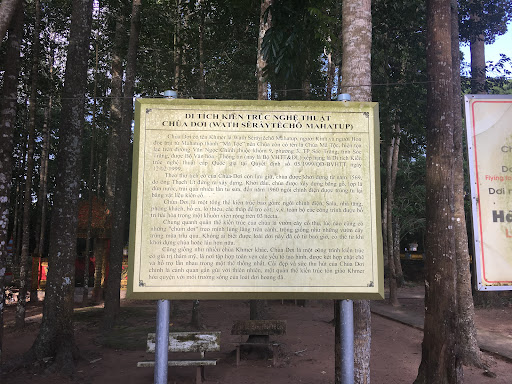
Chùa Dơi (Bats' Pagoda) in Soc Trang, Vietnam, is a unique and fascinating religious site with a rich history. Here's a review in English:
Chùa Dơi, or Bats' Pagoda, is an enchanting place of worship nestled in the heart of Soc Trang province in Vietnam. This pagoda is renowned for its distinctive architectural style and the thousands of fruit bats that call it home, making it a truly unique and captivating destination.
Architectural Marvel: Chùa Dơi's architecture is a blend of Khmer and Chinese influences, characterized by intricate carvings, colorful details, and towering pagodas. The pagoda's design is a testament to the region's cultural diversity and religious harmony.
Breathtaking Scenery: The pagoda's serene surroundings, including lush gardens and lotus ponds, create a tranquil atmosphere that is perfect for meditation and reflection. The sight of bats hanging from the trees and pagoda structures adds to the mystique of the place.
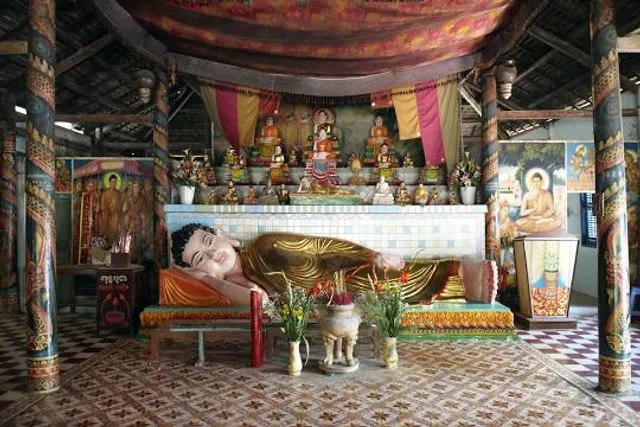
Spiritual Experience: Chùa Dơi is a significant religious site for Buddhists and visitors seeking spiritual enlightenment. Inside the pagoda, you can witness beautiful altars, sculptures, and religious artifacts that showcase the rich Buddhist traditions.
Unique Bat Colony: The pagoda is most famous for its bat colony, which resides in the trees and pagoda roofs. At dusk, thousands of bats emerge in search of food, creating a mesmerizing spectacle. It's a sight that you won't find at most other pagodas.
Cultural Exploration: Exploring Chùa Dơi offers a glimpse into the diverse cultural fabric of Soc Trang. Visitors can witness local religious rituals, interact with friendly monks, and learn about the history of Buddhism in the region.
Photographer's Paradise: The vibrant colors, intricate details, and the enchanting presence of bats make Chùa Dơi a paradise for photographers and art enthusiasts. Every corner of the pagoda offers a unique photo opportunity.
Local Hospitality: The local community is welcoming and often engages with visitors, sharing stories and insights into the pagoda's significance.
Chùa Dơi is not only a place of religious importance but also a cultural and natural wonder. Its unique blend of spirituality and the natural world makes it a must-visit destination for travelers exploring the Mekong Delta region in Vietnam. Whether you are seeking spiritual solace or simply appreciating its beauty, Chùa Dơi leaves an indelible impression on...
Read moreChùa rộng ! Thờ phụng nhiều phật
Nhạc Ngũ âm của người Khmer ở Sóc Trăng Nhạc Ngũ âm là loại hình âm nhạc hòa tấu mang tính chất nghi lễ và tôn giáo, gắn bó chặt chẽ với các nghi lễ và đời sống sinh hoạt của Phật giáo Tiểu thừa Theravada trong các ngôi chùa và phum, sóc của người Khmer. Loại hình âm nhạc này được xác định có ảnh hưởng từ cung đình và tôn giáo của Ấn Độ và một số quốc gia trong khu vực Đông Nam Á (Campuchia, Thái Lan) nhưng vẫn phản ánh những nét đặc trưng, riêng biệt của người Khmer nói chung và ở Sóc Trăng nói riêng. Nhạc Ngũ âm truyền thống của người Khmer (Pinn Peat) là một dàn nhạc được hợp thành bởi 5 bộ nhạc cụ được làm từ 5 loại chất liệu khác nhau tạo nên 5 âm sắc riêng biệt: bộ đồng, bộ sắt, bộ mộc, bộ hơi và bộ da. Trong đó, mỗi bộ sẽ có một, hai hoặc ba loại nhạc cụ tham gia tạo nên biên chế hoàn chỉnh của dàn nhạc Ngũ âm truyền thống gồm loại 9 nhạc cụ: Kèn Srolai Pinn Peat (Bộ hơi); đàn Rôneat Ek, Rôneat Thung (Bộ mộc); Rôneat Đek (Bộ sắt); Kuông Vông Tôch, Kuông Vông Thum, Chhưng (Bộ đồng); Trống Samphô, Trống Skô Thum (Bộ da). Có thể thấy, cấu trúc dàn nhạc Ngũ âm của người Khmer ở Sóc Trăng có sự tương đồng rất lớn với dàn nhạc Ngũ âm của người Khmer ở các tỉnh thành khác, cũng như với dàn nhạc Pinn Peat của người Khmer ở Campuchia, hay các dàn nhạc Sebnai của Lào, Piphat của Thái Lan, Saing Waing (Patwaing) của Myanmar, Gamelan của Malaysia,… Cách biên chế và liên kết dàn nhạc Ngũ âm của người Khmer còn mang đậm triết lý âm dương lưỡng hợp và nguyên lý ngũ hành của văn hóa phương Đông. Cụ thể: Triết lý âm dương lưỡng hợp: Đàn Rôneat Ek (chính) - Rôneat Thung, Rôneat Đek (phụ); Đàn Kuông Vông Thum (lớn) - Kuông Vông Tôch (nhỏ); Trống Samphô (2 mặt: 1 trầm, 1 bổng); 2 Skôr Thum (Trống lớn 2 mặt: 1 trầm, 1 bổng)... Nguyên lý ngũ hành: 5 âm sắc được phát ra từ các nhạc cụ gắn với 5 nguyên lý ngũ hành là: đồng – hỏa, sắt – kim, gỗ - mộc, da – thổ, hơi – thủy. Trong kỹ thuật trình tấu của dàn nhạc Ngũ âm, đàn Rôneat Ek giữ vị trí là nhạc khí trung tâm, đóng vai trò dồn bè và diễn tấu giai điệu chính để các nhạc cụ khác đánh đồng âm theo. Nhạc cụ này cũng được dùng để mở đầu hoặc kết thúc một bản nhạc. Trong khi đó, vai trò làm nền hòa thanh và tạo ra các tầng âm thanh được giành cho đàn Rôneat Thung và Rôneat Đek. Đàn Kuông Vông Tôch và Kuông Vông Thum thì lại giữ chức năng tạo hòa thanh trong dàn nhạc. Việc làm nền tiết tấu sẽ do Skô Samphô (Trống Samphô) thực hiện. Còn cặp Skô Thum (Trống lớn) có nhiệm vụ điểm vào những phách mạnh và tạo ra động lực để dẫn dắt cả dàn nhạc đi lên cao trào. Riêng Chhưng (chũm chọe) sẽ là nhạc cụ giúp tô điểm thêm âm sắc cho dàn nhạc bằng những phách mạnh được đệm vào. Tất cả các nhạc cụ của dàn nhạc Ngũ âm, với từng đặc điểm, kỹ thuật diễn tấu và vai trò riêng, nhưng cùng phối hợp gắn kết chặt chẽ, hợp lý với nhau tạo nên sự hòa quyện, liền mạch và hoàn chỉnh cho từng bản nhạc...
Read moreI paid a quick visit to Mahaup pagoda due to its famous architecture and its bats (mostly its bats). It was smaller than I thought. One biggest building and few smaller towers, some were in reconstruction. I am not an intellectually architectural man but honestly speaking, the architecture of this pagoda is somehow beautiful to me. The bats were still crowded but not as crowded as they used to be (according to local taxi driver who drove me there). But they were giantic compared to these tiny bats I encountered in the big city. They were hanging in groups in the backside of pagoda. I were surprised of how they live peacefully right on top of human made buildings and many other human activities. I give 4 stars for the architecture and the bats. 1 star is deducted due to bad hygiene (trash is mostly everywhere in the backside of pagoda, maybe due to the reconstruction).
P/S: it is free. No...
Read more