HTML SitemapExplore
logo
Find Things to DoFind The Best Restaurants

Cầu Muối Temple — Attraction in Thái Nguyên Province

Name
Cầu Muối Temple
Description
Nearby attractions
Nearby restaurants
Nearby hotels
Related posts
Keywords
Cầu Muối Temple tourism.Cầu Muối Temple hotels.Cầu Muối Temple bed and breakfast. flights to Cầu Muối Temple.Cầu Muối Temple attractions.Cầu Muối Temple restaurants.Cầu Muối Temple travel.Cầu Muối Temple travel guide.Cầu Muối Temple travel blog.Cầu Muối Temple pictures.Cầu Muối Temple photos.Cầu Muối Temple travel tips.Cầu Muối Temple maps.Cầu Muối Temple things to do.
Cầu Muối Temple things to do, attractions, restaurants, events info and trip planning
Cầu Muối Temple
VietnamThái Nguyên ProvinceCầu Muối Temple

Basic Info

Cầu Muối Temple

G2P8+586, ĐT269B, Tân Thành, Phú Bình, Thái Nguyên 250000, Vietnam
4.4(519)
Open 24 hours
Save
spot

Ratings & Description

Info

Cultural
attractions: , restaurants:
logoLearn more insights from Wanderboat AI.

Plan your stay

hotel
Pet-friendly Hotels in Thái Nguyên Province
Find a cozy hotel nearby and make it a full experience.
hotel
Affordable Hotels in Thái Nguyên Province
Find a cozy hotel nearby and make it a full experience.
hotel
The Coolest Hotels You Haven't Heard Of (Yet)
Find a cozy hotel nearby and make it a full experience.
hotel
Trending Stays Worth the Hype in Thái Nguyên Province
Find a cozy hotel nearby and make it a full experience.

Reviews

Get the Appoverlay
Get the AppOne tap to find yournext favorite spots!
Wanderboat LogoWanderboat

Your everyday Al companion for getaway ideas

CompanyAbout Us
InformationAI Trip PlannerSitemap
SocialXInstagramTiktokLinkedin
LegalTerms of ServicePrivacy Policy

Get the app

© 2025 Wanderboat. All rights reserved.
logo

Reviews of Cầu Muối Temple

4.4
(519)
avatar
4.0
40w

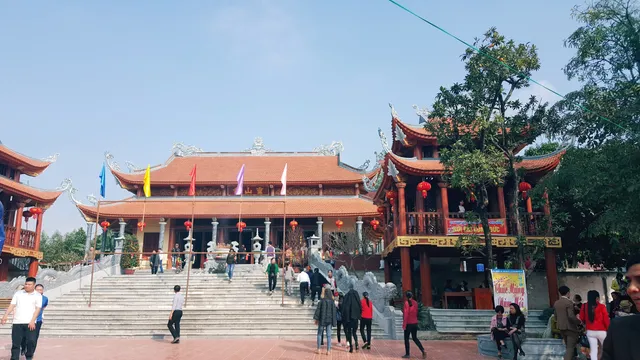
The Đình - Đền - Chùa Cầu Muối complex, located in Tân Thành commune, Phú Bình district, Thái Nguyên province, is a significant cultural and historical site that attracts numerous visitors annually. This complex, comprising a communal house (đình), two temples (đền), and a pagoda (chùa), offers a profound insight into Vietnam’s rich spiritual and historical tapestry.

Accessibility and Directions

Situated approximately 80 kilometers from Hanoi, the Cầu Muối complex is accessible via National Highway 3, connecting Hanoi to Thái Nguyên city. From Thái Nguyên city, visitors can follow Provincial Road 266 to reach Phú Bình district. The roads are well-maintained, facilitating a smooth journey by car or motorbike. For those relying on public transportation, regular bus services operate from Hanoi to Thái Nguyên, with subsequent local buses or taxis available to Tân Thành commune.

Structural Organization and Current State

The complex is strategically positioned on three hills spanning over 3 hectares, providing a serene and majestic ambiance. At its heart lies the Cầu Muối communal house, dedicated to Cao Sơn Quý Minh Đại Vương, also known as Dương Tự Minh, a revered general from the Lý dynasty renowned for his contributions to defending the nation’s northern frontier. Flanking the communal house are the Công Đồng temple, honoring Mother Liễu Hạnh, and the Thượng temple, devoted to Mother Thượng Ngàn. The pagoda within the complex serves as a place for Buddhist worship.

Constructed approximately 300 years ago during the Later Lê dynasty, the complex has undergone various restorations to preserve its structural integrity and historical essence. Recent renovations have enhanced the site’s accessibility and facilities, ensuring it remains a welcoming destination for pilgrims and tourists alike.

Cultural Significance and Festivals

Beyond its architectural and historical value, the Cầu Muối complex holds deep cultural and spiritual significance. It serves as a focal point for local religious practices and community gatherings. Annually, on the fourth day of the first lunar month, the site hosts a grand festival that extends throughout the month, drawing visitors nationwide. The festival features traditional rituals such as processions, incense offerings, and bell tolling ceremonies to pray for peace and prosperity. A distinctive tradition involves offering small packets of salt and rice, symbolizing wishes for a prosperous and fulfilling year ahead. 

Historically, the complex has played pivotal roles beyond its religious functions. In 1948, it served as a venue for teaching the national script to local residents, contributing to literacy efforts. During the resistance wars against French and American forces, it functioned as a strategic base for military units, including the 308th Division in 1950 and the 304th Division between 1969 and 1970. 

Preservation Efforts

Recognizing its cultural and historical importance, local authorities have implemented measures to preserve and promote the Cầu Muối complex. Educational programs have been introduced to raise awareness among younger generations about the site’s heritage. Infrastructure improvements, such as upgrading access roads and visitor facilities, have been undertaken to enhance the overall experience. These initiatives aim to maintain the site’s sanctity while accommodating the growing number of visitors. 

In conclusion, the Đình - Đền - Chùa Cầu Muối complex stands as a testament to Vietnam’s enduring cultural and historical legacy. Its harmonious blend of spiritual significance, historical relevance, and natural beauty makes it a compelling destination for those seeking to connect with the nation’s rich...

   Read more

avatar
3.0
4y

Chùa có tên chữ là Linh Sơn Tự. Cụm di tích đình, đền, chùa Cầu Muối tọa lạc trên địa bàn xóm Cầu Muối, xã Tân Thành huyện Phú Bình, tỉnh Thái Nguyên. Tên gọi của cụm di tích này thường là đình Cầu Muối, chùa Cầu Muối, đền Cầu Muối. Nhưng để gọi tên nhanh người ta hay gọi là đình – đền – chùa Cầu Muối, hay đình Muối, chùa Muối và đền Muối.

Cụm di tích Cầu Muối được xây dựng vào năm 1719 thời Hậu Lê, đời Vua Lê Dụ Tông. Bao gồm: Đình Cầu Muối thờ Thành Hoàng làng Cao Sơn Quý Minh Đại Vương (tức là Dương Tự Minh), một danh tướng đã có công giúp vua Lý chống giặc Tống xâm lược. Đền Muối ở Thái Nguyên bao gồm:

Đền Thượng thờ Mẫu Thượng Ngàn Đền Công Đồng thờ Mẫu Liễu Hạnh Chùa Cầu Muối thì thờ Phật Năm 1950 trong cuộc kháng chiến chống Pháp, Đại đoàn 308 đã từng chọn nơi này làm nơi đóng quân. Cho đến cuộc chiến chống đế quốc Mỹ xâm lược, Sư đoàn 304 cũng chọn đây làm nơi huấn luyện, phục vụ chiến trường miền Nam. Cùng với những giá trị lịch sử đó, đến năm 2005, cụm di tích Đình, đền, chùa Cầu Muối đã được công nhận là Di tích văn hóa lịch sử cấp tỉnh.

Đặc biệt, lễ hội Đình - Đền - Chùa Cầu Muối được tổ chức vào ngày 4 tháng Giêng (âm lịch) hàng năm với lễ rước kiệu và nhiều trò chơi dân gian độc đáo, thu hút hàng ngàn khách du lịch...

   Read more
avatar
5.0
43w

Cụm di tích đình, đền, chùa Cầu Muối tọa lạc trên địa bàn xóm Cầu Muối, xã Tân Thành huyện Phú Bình, tỉnh Thái Nguyên. Tên gọi của cụm di tích này thường là đình Cầu Muối, chùa Cầu Muối, đền Cầu Muối. Nhưng để gọi tên nhanh người ta hay gọi là đình – đền – chùa Cầu Muối, hay đình Muối, chùa Muối và đền Muối.đây là Một nơi tâm linh để mọi người thắp hương vãn cảnh du xuân khá đẹp.Đình - đền - chùa Muối có 2 ngôi Đền nổi tiếng linh thiêng “Cầu gì được đấy – ước thỏa lòng thành” có tên Đền Công Đồng và Đền Thượng, mọi người thường hay đến xin lộc.ĐÚng vớ câu nói "Đầu năm mua muối" Vào ngày khai hội mùng 4 tháng giêng hàng năm thì đông không chen được chân. Dọc không gian bên ngoài là nơi phố ẩm thực Món gà nướng bán ở...

   Read more
Page 1 of 7
Previous
Next

Posts

Luc NguyenLuc Nguyen
The Đình - Đền - Chùa Cầu Muối complex, located in Tân Thành commune, Phú Bình district, Thái Nguyên province, is a significant cultural and historical site that attracts numerous visitors annually. This complex, comprising a communal house (đình), two temples (đền), and a pagoda (chùa), offers a profound insight into Vietnam’s rich spiritual and historical tapestry. Accessibility and Directions Situated approximately 80 kilometers from Hanoi, the Cầu Muối complex is accessible via National Highway 3, connecting Hanoi to Thái Nguyên city. From Thái Nguyên city, visitors can follow Provincial Road 266 to reach Phú Bình district. The roads are well-maintained, facilitating a smooth journey by car or motorbike. For those relying on public transportation, regular bus services operate from Hanoi to Thái Nguyên, with subsequent local buses or taxis available to Tân Thành commune. Structural Organization and Current State The complex is strategically positioned on three hills spanning over 3 hectares, providing a serene and majestic ambiance. At its heart lies the Cầu Muối communal house, dedicated to Cao Sơn Quý Minh Đại Vương, also known as Dương Tự Minh, a revered general from the Lý dynasty renowned for his contributions to defending the nation’s northern frontier. Flanking the communal house are the Công Đồng temple, honoring Mother Liễu Hạnh, and the Thượng temple, devoted to Mother Thượng Ngàn. The pagoda within the complex serves as a place for Buddhist worship. Constructed approximately 300 years ago during the Later Lê dynasty, the complex has undergone various restorations to preserve its structural integrity and historical essence. Recent renovations have enhanced the site’s accessibility and facilities, ensuring it remains a welcoming destination for pilgrims and tourists alike. Cultural Significance and Festivals Beyond its architectural and historical value, the Cầu Muối complex holds deep cultural and spiritual significance. It serves as a focal point for local religious practices and community gatherings. Annually, on the fourth day of the first lunar month, the site hosts a grand festival that extends throughout the month, drawing visitors nationwide. The festival features traditional rituals such as processions, incense offerings, and bell tolling ceremonies to pray for peace and prosperity. A distinctive tradition involves offering small packets of salt and rice, symbolizing wishes for a prosperous and fulfilling year ahead.  Historically, the complex has played pivotal roles beyond its religious functions. In 1948, it served as a venue for teaching the national script to local residents, contributing to literacy efforts. During the resistance wars against French and American forces, it functioned as a strategic base for military units, including the 308th Division in 1950 and the 304th Division between 1969 and 1970.  Preservation Efforts Recognizing its cultural and historical importance, local authorities have implemented measures to preserve and promote the Cầu Muối complex. Educational programs have been introduced to raise awareness among younger generations about the site’s heritage. Infrastructure improvements, such as upgrading access roads and visitor facilities, have been undertaken to enhance the overall experience. These initiatives aim to maintain the site’s sanctity while accommodating the growing number of visitors.  In conclusion, the Đình - Đền - Chùa Cầu Muối complex stands as a testament to Vietnam’s enduring cultural and historical legacy. Its harmonious blend of spiritual significance, historical relevance, and natural beauty makes it a compelling destination for those seeking to connect with the nation’s rich traditions and past.
Tran hoang van ThinhTran hoang van Thinh
Chùa có tên chữ là Linh Sơn Tự. Cụm di tích đình, đền, chùa Cầu Muối tọa lạc trên địa bàn xóm Cầu Muối, xã Tân Thành huyện Phú Bình, tỉnh Thái Nguyên. Tên gọi của cụm di tích này thường là đình Cầu Muối, chùa Cầu Muối, đền Cầu Muối. Nhưng để gọi tên nhanh người ta hay gọi là đình – đền – chùa Cầu Muối, hay đình Muối, chùa Muối và đền Muối. Cụm di tích Cầu Muối được xây dựng vào năm 1719 thời Hậu Lê, đời Vua Lê Dụ Tông. Bao gồm: Đình Cầu Muối thờ Thành Hoàng làng Cao Sơn Quý Minh Đại Vương (tức là Dương Tự Minh), một danh tướng đã có công giúp vua Lý chống giặc Tống xâm lược. Đền Muối ở Thái Nguyên bao gồm: Đền Thượng thờ Mẫu Thượng Ngàn Đền Công Đồng thờ Mẫu Liễu Hạnh Chùa Cầu Muối thì thờ Phật Năm 1950 trong cuộc kháng chiến chống Pháp, Đại đoàn 308 đã từng chọn nơi này làm nơi đóng quân. Cho đến cuộc chiến chống đế quốc Mỹ xâm lược, Sư đoàn 304 cũng chọn đây làm nơi huấn luyện, phục vụ chiến trường miền Nam. Cùng với những giá trị lịch sử đó, đến năm 2005, cụm di tích Đình, đền, chùa Cầu Muối đã được công nhận là Di tích văn hóa lịch sử cấp tỉnh. Đặc biệt, lễ hội Đình - Đền - Chùa Cầu Muối được tổ chức vào ngày 4 tháng Giêng (âm lịch) hàng năm với lễ rước kiệu và nhiều trò chơi dân gian độc đáo, thu hút hàng ngàn khách du lịch thập phương.
tiendat dotiendat do
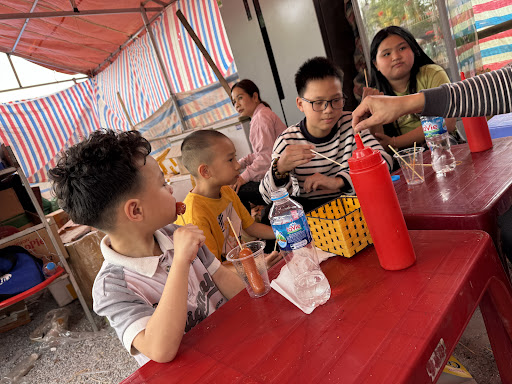
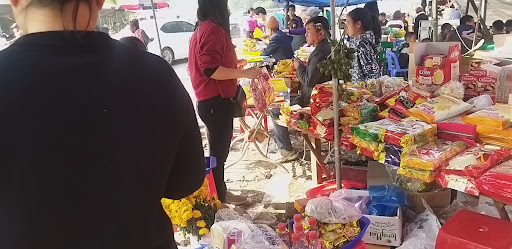
Cụm di tích đình, đền, chùa Cầu Muối tọa lạc trên địa bàn xóm Cầu Muối, xã Tân Thành huyện Phú Bình, tỉnh Thái Nguyên. Tên gọi của cụm di tích này thường là đình Cầu Muối, chùa Cầu Muối, đền Cầu Muối. Nhưng để gọi tên nhanh người ta hay gọi là đình – đền – chùa Cầu Muối, hay đình Muối, chùa Muối và đền Muối.đây là Một nơi tâm linh để mọi người thắp hương vãn cảnh du xuân khá đẹp.Đình - đền - chùa Muối có 2 ngôi Đền nổi tiếng linh thiêng “Cầu gì được đấy – ước thỏa lòng thành” có tên Đền Công Đồng và Đền Thượng, mọi người thường hay đến xin lộc.ĐÚng vớ câu nói "Đầu năm mua muối" Vào ngày khai hội mùng 4 tháng giêng hàng năm thì đông không chen được chân. Dọc không gian bên ngoài là nơi phố ẩm thực Món gà nướng bán ở hội ăn ngon.
See more posts
See more posts
hotel
Find your stay

Pet-friendly Hotels in Thái Nguyên Province

Find a cozy hotel nearby and make it a full experience.

The Đình - Đền - Chùa Cầu Muối complex, located in Tân Thành commune, Phú Bình district, Thái Nguyên province, is a significant cultural and historical site that attracts numerous visitors annually. This complex, comprising a communal house (đình), two temples (đền), and a pagoda (chùa), offers a profound insight into Vietnam’s rich spiritual and historical tapestry. Accessibility and Directions Situated approximately 80 kilometers from Hanoi, the Cầu Muối complex is accessible via National Highway 3, connecting Hanoi to Thái Nguyên city. From Thái Nguyên city, visitors can follow Provincial Road 266 to reach Phú Bình district. The roads are well-maintained, facilitating a smooth journey by car or motorbike. For those relying on public transportation, regular bus services operate from Hanoi to Thái Nguyên, with subsequent local buses or taxis available to Tân Thành commune. Structural Organization and Current State The complex is strategically positioned on three hills spanning over 3 hectares, providing a serene and majestic ambiance. At its heart lies the Cầu Muối communal house, dedicated to Cao Sơn Quý Minh Đại Vương, also known as Dương Tự Minh, a revered general from the Lý dynasty renowned for his contributions to defending the nation’s northern frontier. Flanking the communal house are the Công Đồng temple, honoring Mother Liễu Hạnh, and the Thượng temple, devoted to Mother Thượng Ngàn. The pagoda within the complex serves as a place for Buddhist worship. Constructed approximately 300 years ago during the Later Lê dynasty, the complex has undergone various restorations to preserve its structural integrity and historical essence. Recent renovations have enhanced the site’s accessibility and facilities, ensuring it remains a welcoming destination for pilgrims and tourists alike. Cultural Significance and Festivals Beyond its architectural and historical value, the Cầu Muối complex holds deep cultural and spiritual significance. It serves as a focal point for local religious practices and community gatherings. Annually, on the fourth day of the first lunar month, the site hosts a grand festival that extends throughout the month, drawing visitors nationwide. The festival features traditional rituals such as processions, incense offerings, and bell tolling ceremonies to pray for peace and prosperity. A distinctive tradition involves offering small packets of salt and rice, symbolizing wishes for a prosperous and fulfilling year ahead.  Historically, the complex has played pivotal roles beyond its religious functions. In 1948, it served as a venue for teaching the national script to local residents, contributing to literacy efforts. During the resistance wars against French and American forces, it functioned as a strategic base for military units, including the 308th Division in 1950 and the 304th Division between 1969 and 1970.  Preservation Efforts Recognizing its cultural and historical importance, local authorities have implemented measures to preserve and promote the Cầu Muối complex. Educational programs have been introduced to raise awareness among younger generations about the site’s heritage. Infrastructure improvements, such as upgrading access roads and visitor facilities, have been undertaken to enhance the overall experience. These initiatives aim to maintain the site’s sanctity while accommodating the growing number of visitors.  In conclusion, the Đình - Đền - Chùa Cầu Muối complex stands as a testament to Vietnam’s enduring cultural and historical legacy. Its harmonious blend of spiritual significance, historical relevance, and natural beauty makes it a compelling destination for those seeking to connect with the nation’s rich traditions and past.
Luc Nguyen

Luc Nguyen

hotel
Find your stay

Affordable Hotels in Thái Nguyên Province

Find a cozy hotel nearby and make it a full experience.

Get the Appoverlay
Get the AppOne tap to find yournext favorite spots!
Chùa có tên chữ là Linh Sơn Tự. Cụm di tích đình, đền, chùa Cầu Muối tọa lạc trên địa bàn xóm Cầu Muối, xã Tân Thành huyện Phú Bình, tỉnh Thái Nguyên. Tên gọi của cụm di tích này thường là đình Cầu Muối, chùa Cầu Muối, đền Cầu Muối. Nhưng để gọi tên nhanh người ta hay gọi là đình – đền – chùa Cầu Muối, hay đình Muối, chùa Muối và đền Muối. Cụm di tích Cầu Muối được xây dựng vào năm 1719 thời Hậu Lê, đời Vua Lê Dụ Tông. Bao gồm: Đình Cầu Muối thờ Thành Hoàng làng Cao Sơn Quý Minh Đại Vương (tức là Dương Tự Minh), một danh tướng đã có công giúp vua Lý chống giặc Tống xâm lược. Đền Muối ở Thái Nguyên bao gồm: Đền Thượng thờ Mẫu Thượng Ngàn Đền Công Đồng thờ Mẫu Liễu Hạnh Chùa Cầu Muối thì thờ Phật Năm 1950 trong cuộc kháng chiến chống Pháp, Đại đoàn 308 đã từng chọn nơi này làm nơi đóng quân. Cho đến cuộc chiến chống đế quốc Mỹ xâm lược, Sư đoàn 304 cũng chọn đây làm nơi huấn luyện, phục vụ chiến trường miền Nam. Cùng với những giá trị lịch sử đó, đến năm 2005, cụm di tích Đình, đền, chùa Cầu Muối đã được công nhận là Di tích văn hóa lịch sử cấp tỉnh. Đặc biệt, lễ hội Đình - Đền - Chùa Cầu Muối được tổ chức vào ngày 4 tháng Giêng (âm lịch) hàng năm với lễ rước kiệu và nhiều trò chơi dân gian độc đáo, thu hút hàng ngàn khách du lịch thập phương.
Tran hoang van Thinh

Tran hoang van Thinh

hotel
Find your stay

The Coolest Hotels You Haven't Heard Of (Yet)

Find a cozy hotel nearby and make it a full experience.

hotel
Find your stay

Trending Stays Worth the Hype in Thái Nguyên Province

Find a cozy hotel nearby and make it a full experience.

Cụm di tích đình, đền, chùa Cầu Muối tọa lạc trên địa bàn xóm Cầu Muối, xã Tân Thành huyện Phú Bình, tỉnh Thái Nguyên. Tên gọi của cụm di tích này thường là đình Cầu Muối, chùa Cầu Muối, đền Cầu Muối. Nhưng để gọi tên nhanh người ta hay gọi là đình – đền – chùa Cầu Muối, hay đình Muối, chùa Muối và đền Muối.đây là Một nơi tâm linh để mọi người thắp hương vãn cảnh du xuân khá đẹp.Đình - đền - chùa Muối có 2 ngôi Đền nổi tiếng linh thiêng “Cầu gì được đấy – ước thỏa lòng thành” có tên Đền Công Đồng và Đền Thượng, mọi người thường hay đến xin lộc.ĐÚng vớ câu nói "Đầu năm mua muối" Vào ngày khai hội mùng 4 tháng giêng hàng năm thì đông không chen được chân. Dọc không gian bên ngoài là nơi phố ẩm thực Món gà nướng bán ở hội ăn ngon.
tiendat do

tiendat do

See more posts
See more posts