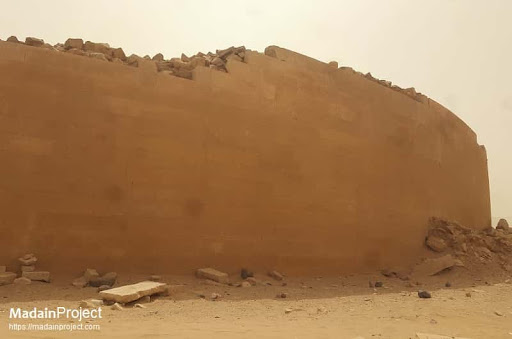
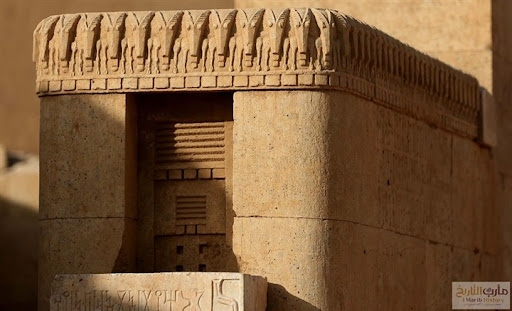
The Temple of Awwam, also spelled Awam, (معبد اوام) or "Mahram Bilqis" is a Sabaean temple dedicated to the principal deity of Saba, Almaqah, near Ma'rib in what is now Yemen. It was made about the time of the emergence of Sabaean culture, around the beginning of the fi rst millennium BCE. The temple continued to operate up to the end of the 4th century CE.
The Awwam Temple, located some 600 meters east of the Bar'an Temple, is one of the most famous monument of the ancient Kingdom of Saba dating back to the first millennium BCE Marib, Yemen. Looking towards the eight pillars propylaeum marking the main entrance from within the complex. Pillars are the most widespread architectural feature used in ancient South Arabian religious structures. In the pre-Islamic times, numerous pilgrims gathered in Ma'rib city and headed to almaqah temple of Harunum to perform their cultic rituals, and continued to the sanctuary of Awwam using processional road.
When Wendell Phillips left for Marib in northern Yemen in the spring of 1951, only the tops of the temple’s eight massive pillars and the upper sections of an oval wall remained visible. The focus of this expedition was the Awam Temple (Mahram Bilqis), the largest of its kind on the Arabian Peninsula. Workers painstakingly removed the windblown sand before the expedition team uncovered a large hall lined with monumental pillars, stairways, impressive bronze and alabaster sculptures, and numerous inscriptions.
Awām Complex: Area A, Building I – Gate, staircase passage, this gate along with Building I gate had locking devices, so apparently these could be closed if necessary. A double inscription (inspect) by the ʿAmdān Bayin Yuhaqbiḍ, decorated the interior of the main staircase (pictured above: Area A, Building I – Gate, staircase passage). The inscription mentions the dedication of a horse statue to Almaqah (MB 2001 I-102). The Alhān Nahfān Gate is visible in the lower background with two podia.
The 7th century BCE cemetery is attached to the Oval Sanctuary, and apparently accessed only through a gate in the western wall of the protective enclosure, and restricted to funerary rites usage. The cemetery tombs were multi-storey structures (up to four) and external walls were sometimes decorated with friezes and low relief of the dead's face.
Sabaean inscription (inspect) addressed to the god Almaqah, mentioning five ancient Yemeni gods, two reigning sovereigns and two governors, 7th century, BCE. The religion of the people was in many ways similar to that of Mesopotamia. The gods were thought to have created the world and the people and provided them with all good gifts. The Sabean moon god Almakah was the king of the gods and similar in many ways to the Mesopotamian moon god Nanna (also known as Sin, Nannar, Nanna-Suen), one of the oldest deities in the...
Read moreThe Belqis Throne or the Pran Temple is the most famous archaeological site among the ruins of Yemen. It is located 1400 meters northwest of Muharram Balqis, a temple dedicated to the god of the moon "Elmekh". The temple until 1988 was covered by sand dunes surrounding it, until the details revealed buried under the sand archaeological excavation results, he found that the temple consists of different architectural units, most notably the Holy of Holies and the front courtyard and their accessories, such as the Great Wall and built of brick and subsidiary facilities, The architectural elements of the Temple of Pran in different periods of time since the beginning of the first millennium BC, and it seems that the temple consists of a uniform architectural unit where the main entrance and the courtyard with the high runway in a manner that suggests the splendor, beauty and magnificence.
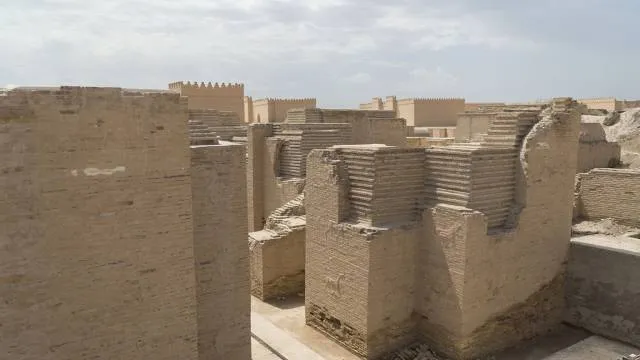
It should be noted that the throne underwent a major restoration process for four consecutive seasons starting from 1997 to 2000 by the German Institute of Antiquities and thus became the temple ready to receive tourists. The temple was built in two main phases, the first from the end of the second millennium until the beginning of the first millennium BC and the second began in 850 BC
A square-shaped temple has an open space with a sacred well and a stone water basin that is reached by an outlet from the mouth of the holy bull. The hall is surrounded by a number of walls from the north, west and south, and opposite the western wall, a number of marble seats and the exposed hall. There are 12 degrees leading to the Holy of Holies where the six columns currently have five columns and the sixth is broken with crowns decorated with cubes. The column weighs 17 tons and 350 kg. Meter and thickness 80 x 60 cm. The Holy Temple Square is surrounded by a mud wall with towers, and the door of the temple is located on the north side. He is known by his five columns and the sixth...
Read moreمعبد أوام (المسند: ) أو محرم بلقيس هو معبد يقع على مسافة (10كم) على الجنوب من مدينة مأرب العاصمة السبئية التي كانت تتحكم بطرق التجارة القديمة، لقد كان معبد أوام مكانًا مقدساً تمارس فيه العبادات إلى بداية النصف الثاني من القرن الرابع الميلادي، وتدل المعلومات الأولية أن تاريخ بناء هذا المعبد قد شيد لأول مرة في القرن العاشر قبل الميلاد، ولا يستبعد الباحثون تاريخاً أقدم من ذلك لإنشائه، يتكون المعبد من سور مبنى بالأحجار المهندمة من الصخور الكلسية يبلغ طولها حوالي (752م) بسماكة تتراوح من (5:3م)، ويتوسطه فناء بطول (52م) وعرض (24م) وضعت فيه ألأعمدة الثمانية، أما المدخل فيقع في الجهة الشمالية الشرقية من السور.
تشير المصادر التاريخية والأثرية على أن معبد (أوام) هو المعبد الرئيسي للإله (المقه) إله الدولة والذي كان يعرف بإله القمر، ويحتل المعبد مكانة مميزة بين بقية معابد الإله المقة في اليمن القديم فقد كان الناس يحجون إليه من مختلف أنحاء الجزيرة العربية، كما يتميز بكثير من المميزات المعمارية والهندسية فضلاً عن مكانته الدينية في تلك الحقبة. معبد أوام أو "محرم بلقيس" هو معبد سبئي مكرس للإله الرئيسي لسبأ ألمقه، ويوجد بالقرب من مأرب في اليمن. يقع المعبد على بعد 7 كيلومترات جنوب شرق مأرب القديمة، وتم بناؤه في ضواحي المدينة. عادة ما تقع المحميات الرئيسية في سبأ خارج المراكز الحضرية، والسبب وراء ذلك هو على الأرجح للخصوصية الدينية ولتيسير تسيير الطقوس من خلال وصول الحجاج من المناطق النائية من الأراضي السبئية. وقد لوحظت هذه الأنماط في عدة معابد من الجوف وحضرموت.
أقدم نقش عثر عليها في المعبد يشير إلى بناء السور العظيم للمعبد بواسطة مكرب يدع إل ذريح الأول في منتصف القرن السابع قبل الميلاد. مبينًا الفترة المبكرة من بناء المعبد. نقش يدع إل محفور خارج السور، ويحتوي على ما يلي:
«يدع إل ذريح بن سموهع علي، مكرب سبأ، سور معبد ألمقه، عندما ضحى لعشتار وأسس الاتحاد من قبل إله وراعي ومعاهدة سرية بواسطة عشتار وحواس وألمقه»
يحتل الجزء الأكبر من المعبد ساحة خالية من الحراسة محاطة بجدار حجري ذي مخطط أرضي بيضاوي غير منتظم. على الجدار الداخلي للقاعة كان هناك عشرات النقوش الهامة للغاية من الفترة المتأخرة من مملكة سبأ.
الحفريات الجزئية لأعمدة أوام في 1951-1952 من قبل المؤسسة الأمريكية لدراسة الإنسان التي قادها ويندل فيليبس، قامت بتنظيف قاعة المدخل بالكامل تقريبًا واكتشفت العديد من الاكتشافات. مثل التماثيل البرونزية المتقنة، واستخدام المدخل الجنوبي في الجدار الإهليلجي لطقوس الوضوء قبل الدخول إلى الغرفة الداخلية. يقع المعبد في منطقة معزولة تستخدم بشكل رئيسي كمكان ديني مقدس. اسم المكان، أوم (مكان اللجوء)، يدل على أن قدسية هذا المكان.
هناك احتمال أن المعبد تطور من ضريح صغير إلى مجمع هائل يشمل العديد من الهياكل المرتبطة بالمعبد، أي منازل للكهنة، وغرف مساعدة، وورش عمل للتنجيم، ومقبرة متصلة بالمحمية والمنطقة السكنية التي جعلت أسمها المقاطعة المحمية. أظهرت الأبحاث الجيومورفولوجية أن معبد أوام شيّد على منصة طبيعية عالية، مما يجعله أكثر إعجابًا للعيان.
وجّه المعبد نحو مشرق الشمس (الشمال الشرقي) ويتكون من ثمانية أعمدة بروبيلية عند المدخل، تليها قاعة كبيرة مستطيلة الشكل، وسور ضخم على شكل بيضاوي مع هياكل خارجية أخرى مرتبطة (بالقرب من المقبرة). الركائز هي الميزة المعمارية الأكثر انتشارًا في الهياكل الدينية العربية الجنوبية القديمة. قد تعكس قاعة الأعمدة أرقام البروبيليا ذي الأعمدة الثمانية؛ يوجد اثنان وثلاثون عمودًا (4 × 8) داخل قاعة الأعمدة، وأربعة وستون (8 × 8) نوافذ داخلية.
استخدم الثور البرونزي والحصان والتماثيل البشرية في بوابات الدخول للمعبد. للوصول إلى المجمع وضعت أبواب مؤدية إلى سلسلة هرمية من الساحات والقاعات التي كانت بمثابة مناطق انتقالية.
العديد من جوانب الزخرفة واللوحات الهندسية والتماثيل والمنحوتات والأحجار الكبيرة المنحوتة بدقة، والنقوش المنحوتة بدقة المطلية باللون الأحمر، والأفاريز الجميلة المزخرفة على الجدار الخارجي، تهدف إلى إقناع الزائر وأرهابه بحضور الإله.
قاعة الأعمدة
تحتوي القاعة على شكل شبه مستطيل، مع ثمانية مداخل مترابطة من البروبيليا المغطاة بأقواس مربعة مصممة لاستيعاب العتبة. محيط قاعة الأعمدة حوالي 42 × 19م ويحيط بها نهاية السور البيضاوي الشكل في جدرانها الخارجية الغربية والشرقية. يحتوي الجزء الداخلي للمبنى على مكتبة كبيرة من الكتل الحجرية المدونة و 64 نافذة مزدوجة عموديا وهمية مع 32 عمودا مصنوعة من متراصة واحدة باستثناء اثنين كانا يدعمان الحزم الحجرية ذات يوم. قد يعكس الرقم الثامن رقمًا مقدسًا، حيث تم استخدامه عند المدخل والأعمدة الداخلية (8 × 4) والنوافذ (8 × 8). يبدو أن المباني الجنوبية العربية القديمة، بما في...
Read more