Temple of Barran (معبد بران) is a Sabaean temple near Ma'rib, Yemen; also known as "Throne of Bilqis" (عرش بلقيس). The Arash Bilqis, which dates back to the 10th century BCE, harbors evidence that Queen Bilqis once actually lived. Despite being thousands of years old, the main part of the building is still standing and continues to shed light on the deep history of Yemen.
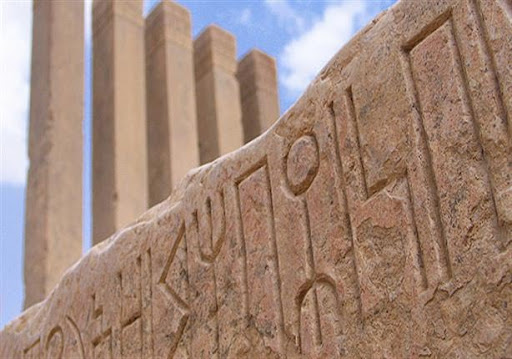
What is known today as the Bilquis Throne, is mentioned in ancient Sabaean inscriptions at Barran Temple the home of the Goddess Almaqa' (Moon), the inscriptions also mention Dhat Hameem (Sun) and Athter (Blossom). Located some 600 meters west of the Awam Temple, it is associated with the Queen Bilqis, Queen of Sheba, mentioned in Bible and Quran. Although researchers disagree about the homeland of Malikat Bilqis, while claiming that she was Egyptian, Ethiopian, or even Syrian, strong evidence suggests her presence in Yemen where archeologists found statues of women in the Barran Temple.
The temple (illustration), located in the city of Marib, 170 km east of Sana’a, partly excavated by Wendell Phillips' expedition of 1951–1952. Marib is mentioned in holy books as the capital of the kingdom of Saba, the birthplace of a 3,000-year-old civilization that left behind significant ancient ruins. The most famous of these is the throne of Queen Bilquis. The temple is divided into several architectural units, including the ‘courtyard’ along with its annexes, and the great brick fence and its extensions.
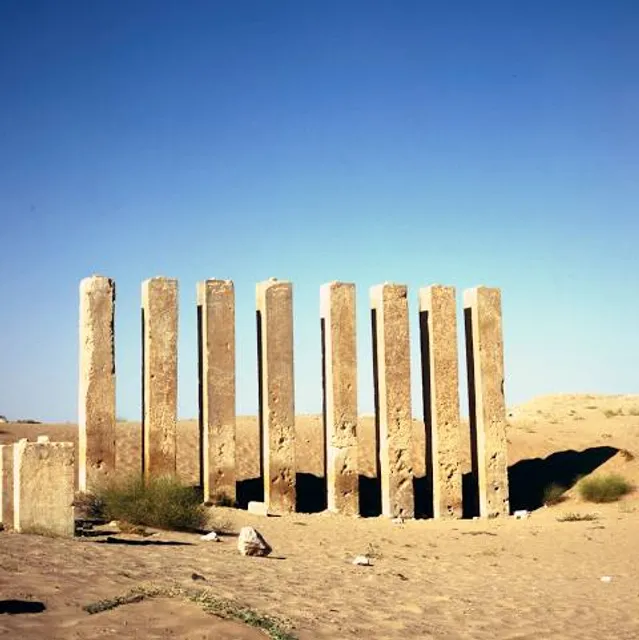
Located on the western side of the Safer – Marib road, the Barran Temple was renowned for its five magnificent columns which are more than twelve meters high. In the years 1988, new archaeological excavations revealed remains of an equally impressive sixth column hidden under the sand. The results of the German expedition show that the Temple went through two historical stages, the first stage extending from the 2nd Millennium BCE to the beginning of the 1st Millennium BCE, and the second stage starting from 850 BCE to the end of the Sabean dynasty.
The main features of the structure are the six columns and the sacred well in the middle of the courtyard. Previously only five columns were known to exist, until 1988 excavations, when remains of another pillar were discovered. Behind the six columns there is a broad platform, which historians believe was the main location for the throne of Queen Bilquis. The temple has a unique harmony where in the majestic main entrance and the courtyard unite together to face off against a steep staircase with a magnificent display of architectural virtuosity that hints at the greatness of its builders.
In 2000, the German Institute of Archaeology began a huge renovation project on the temple that was completed in 2007. Professor of History and Civilization at Sana’a University, Abdullah Abu al-Ghaith, said that the temple is considered to be the largest temple in Yemen before Islam, and it was a temple for worshipping the moon, the main god of the Sabaeans. "Despite the temple being looted many times since the 4th century CE after Yemenis embraced monotheistic religion, its discoveries confirm the huge size of the temple, and it should be 8th place among the Seven Wonders of the World,"
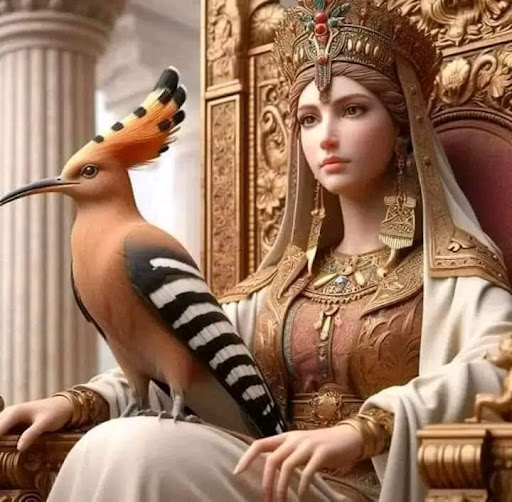
In the original story, Bilqis (biblical Sheba), after whom the temple bears its fame, brings a caravan of valuable gifts for King Solomon. This tale has undergone extensive Jewish, Islamic, and Ethiopian elaborations, and has become the subject of one of the most widespread and fertile cycles of legends in the Orient.
According to some researchers, the walls of the temple were covered by bronze plates that contained writings and diverse motifs. However, these writings were removed and only the bronze nails on the walls remain. A full archive of all events experienced by the Sabaean state since the first millennium B.C., which made researchers realize that the temple was also a documentation center for the...
Read more🛑Queen Sheba of kingdom of saba ,marib yemen. Sabeans were preislamic South arabian sun worshippers. SABEANS were POLYATHEISTS, IDOLATORS with strange FERTILITY and CULTIC rituals . ALMAQAH was the main patron god and the sabeans used to dedicate all hunts to him .sabeans called themselves progeny of almaqah. Queen sheba of the sabeans Visited Jerusalem as a trade delegation to meet king solomon in 10TH CENTAURY BCE . Temple of mahram bilqis-- dedicated to moon god ALMAQAH or SIN the moon god of Hadhramaut. Similar to mesopotamian mood god sin or Nanna. ALMAQAH WAS THE PROBABLY MOON GOD OF IRRIGATION AND AGRICULTURE. BULL , VINE SHOOTS WERE THE SYMBOLS OF ALMAQAH. ALMAQAH MAY ALSO BE MALE COUNTERPART OF SUN GODDESS SHAM OF HADRAMAWT, HIMYAR AND SABA. 🛑 sabeans enjoyed prosperity from 7th century BCE till 2nd century CE when they were defeated by the Yemeni Himyarites. The inland sabeans declined due to decline of the land route frankincense trade and dominance of the red sea trade route of frankincense by the coastal and high lander Himyarites of zafar . Saba was ultimately surrounded by ABYSSINIANS in west, Himyarites in south, Hadhramaut in east . Dead of the sabeans were embalmed with myrrah and Frankincense and buried. 🛑Bursting of marib dam followed by failed repairs by Himyarites in 450 And 542 CE led to return to nomadic life and migration of these pre Islamic Arabic tribes all over arabia...
Read moreمأرب - تاريخ و مجتمع حيوي
مأرب هي محافظة يمنية عريقة وعميقة في حضارتها وقد شَكلّت واحدة من بين أشهر المُدن التاريخية في اليمن يقطُنها ما يزيد عن (500) ألف نسمة ومساحتها تزيد عن (20 كم2) وتتوزع في (14) مديرية مركزها مدينة مأرب، فيها الكثير من المُميزات، ففيها الآثار والتاريخ اليمني العظيم ومنطلق الشورى والديمقراطية منذ عهد الملكة بلقيس، وهي غنيّة بالنفط والغاز وفيها محطة الكهرباء الرئيسية التي تضيء اليمن .. مأرب تُعد من المناطق الاستراتيجية في اليمن ، فهي قِبلَة السياحة الداخلية والخارجية حيث يوجد فيها سدّ مأرب التاريخي ومَعبد الشمس وعرش بلقيس مروراً بتركة الدولة السبئية التي تبهرنا به مأرب بين فترة وأخرى بحضارة تخرج من بين الأنقاض التاريخية المدفونة منذ آلاف السنين ، مأرب ذلك المَقصد الذي يَبتغيه كلّ اليمنيين والذي يَفيض بالكثير من التفاعُل المجتمعي اليمني ويَحوي التنُوع الثقافي والإرث التاريخي المُتميز ، وكتب عنها في كتب التاريخ ودراسات المؤرخين العرب والأجانب . لقد كانت تَحتل المرتبة الثالثة في المحصول الزراعي من بين المحافظات اليمنية كنشاط رئيسي للسكّان لكنها تراجعت في الآونة الأخيرة لأسباب الصراع الحالي، والتي يتطلع الكثير من أبنائها لاستعادة دورها الريادي المجتمعي والإنساني في اليمن.
صحيح أن في مأرب البنية القبلية والعادات والتقاليد قوية وهي مجتمع محافظ، و من بين المناطق الأكثر انتشاراً للسلاح الذي يعتبر - حسب المعتقدات القبلية- واجهة شخصية لكن مجتمعها مُسالم يحترم حقوق الأخرين ولا يعتدي على أي جماعات أخرى لكنهم يدافعون عن أنفسهم عند الاقتضاء ويحمون الغير المستنجد بهم ويقومون بواجب الضيف فهي تعيش التنُوع الاجتماعي والسياسي والاقتصادي .. وهناك عادات أخرى إيجابية يعرفها كافة اليمنيين، ومع كل ذلك أصبحت اليوم تتمتع بالصبغة الحضرية والمدنية مع حفاظها على هويتها التاريخية وموروثها الثقافي والإنساني المعروف تاريخياً حيث المَعابد المتعددة، تلك الآثار التي يساهم المجتمع المحلي بحمايتها.
مأرب حالياً من المناطق الأكثر اكتظاظاً بالسكان والحاضن الأكبر للنازحين داخلياً جَرّاء الحرب والذين يزيدون عن مليون نازح حيث شعروا بالأمان والقبول المجتمعي، ويتحمل فيها المجتمع عبء مساعدتهم والوقوف معهم، ومع ذلك فيها العديد من الشباب من أبنائها ومن النازحين بحاجة إلى المساندة والدعم والتوجيه نحو التنمية في ظل التطور التنموي والتوسع السُكاني الذي حدث مؤخراً فيها حيث ينبغي أن يترافق مع التوعية والتنمية برامج إشراك المجتمعات من الشباب والنساء في مجالات تنموية ومهارية من بينها الحفاظ على التراث والتاريخ الذي تتميز به مأرب، فضلاً عن ضرورة مساندة المجتمع المحلي في مواجهة السيول التي أحدثت أضراراً كبيرة خلال الفترة الحالية؛ بالإضافة إلى ضرورة تعزيز قدرتها المجتمعية في تحسين سبل العيش. وتظل مأرب في سياق المجتمع اليمني المحافظ اجتماعياً والمتمسك بعاداته بما في ذلك الممارسات المرتبطة بها التي تربط الهوية التاريخية بالحاضر، في حين ظهرت مؤخراً في مأرب العديد من المبادرات والمؤسسات المحلية غير الحكومية كمؤسسة أجيال مأرب للتنمية والتي تلعب دوراً مؤثراً مجتمعياً وتنموياً وإنسانياً ، وأيضاً برزت فيها قيادات شبابية وانفتحت كثيراً على مسألة التعليم والعمل والمهن الحرفية لكل من النساء والرجال والفن والإبداع. كما تزايد اهتمام المنظمات الدولية بمجتمع مأرب والمستضافين فيها من النازحين، وفي ظِلّ ذلك اتسعت رقعة البطالة وزادت المتطلبات الإنسانية، حيث أصبحت بحاجة إلى دعم المجتمع والنازحين لتأمين حاجاتهم من خلال برامج مساعدات تنموية تضمن الديمومة وحَث شبابها ونسائها على الانخراط في تلك الأنشطة والبرامج. وهذا ما تسعى إليه خطط المنظمات المحلية والدولية والجهات الداعمة ومشاريعها خلال الفترة القادمة. وينبغي تَسليط الضوء على بعض معالم النقلة النوعية في مأرب من حيث التنمية والخدمات والاستجابة المجتمعية السريعة للعمل المدني، كما حصلت بنت مأرب ياسمين القاضي على الجائزة الدولية للمرأة الشجاعة من وزارة الخارجية الأمريكية، بالإضافة إلى معرض الفن التشكيلي النسوي الذي أقيم في مارس 2020 لأول مرة في مأرب شاركت فيه 15 فنانة تشكيلية الذي يَحكي عن الحرب والسلم، ولا يزال في طيات مأرب الكثير مما تحمله للوطن والمجتمع والتنمية والمشاركة وأن تستمر نبراساً يضيء كافة أنحاء اليمن. • تلك هي مأرب التي تَغنّى بها الكثيرين والأغنية الأكثر شهرة لأيوب طارش عبسي وهو يُحاكي معبد الشمس من كلمات الشاعر عثمان أبو ماهر : يا مَعبد الشَمس كم لَك مُحتجب واحبيب قلِّي متى بعدما قاسيت شــوق الغريب تَعود شمس الحضارة مِنك بَعد المَغيب والسُمر يحيين من حولك رنين الحُجول بُشراك يا مأرب الأمجاد عُدنا وعَـــاد يهدي لك الخير لأجل الأقوياء الشِــــداد يبني ويزرع غروس البُن في كل واد لابد ما تلتقي فيه...
Read more