Matusadona National Park gets its name from the rolling Matusadona hills that form part of its water rich landscape. Flanked by Lake Kariba in the north, and two perennial rivers, the Ume and the Sanyati, this remote and rugged park is the first in Zimbabwe to fall under the African Parks mandate. Proclaimed a National Park in 1975, it was once a conservation stronghold for African elephant and black rhino, and a sought-after tourism destination. But over the years, financial resources slowly diminished and poor management impacted the parks’ wildlife. Limited road networks and manpower left some areas entirely unpatrolled resulting in rampant poaching which virtually eliminated the black rhino population and severely reduced the elephant population. While Matusadona’s wildlife has suffered, fortunately its integrity as a wilderness landscape has remained undiminished, providing an exceptional opportunity for this park to be restored.
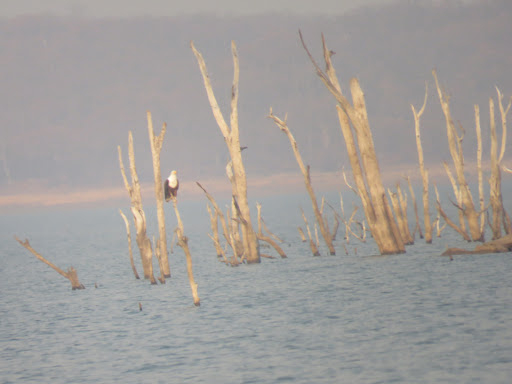
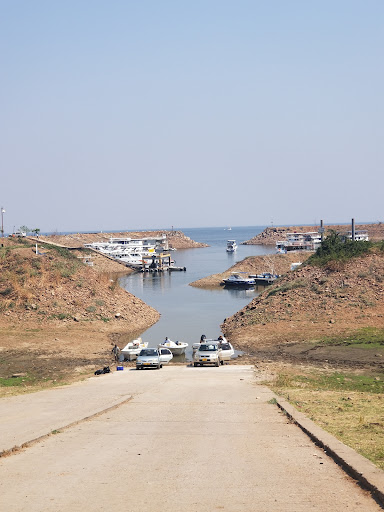
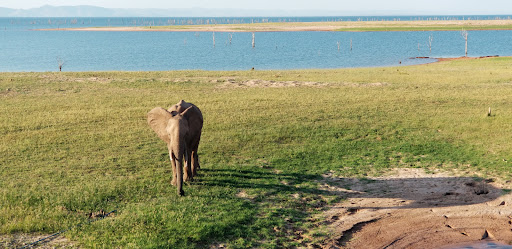
African Parks, in partnership with the Zimbabwe Parks and Wildlife Management Authority (Zimparks), signed a 20-year agreement to manage Matusadona National Park on November 1st, 2019. At 1,470 km2, this stunning and unique landscape presents enormous potential for both wildlife and tourism. The lush landscape, consisting of undulating hills that quickly descend to abruptly flat grasslands, forms important habitat for a large diversity of savannah and woodland species. Apart from the astounding diversity of over 240 bird species, a healthy variety of mammal species still occur within Matusadona including lion, buffalo, elephant, waterbuck and impala. The Lake’s shoreline is guarded by a kilometre-wide, iconic drowned forest, and when combined along with the parks unique vegetation, offers considerable and unique tourism potential through game viewing, fishing and other lake and park activities.
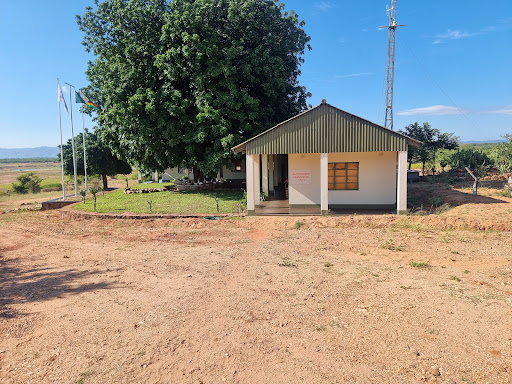
This spectacular park is fraught with challenges but under African Park’s careful management in collaboration with Zimparks, and their strong history of conservation excellence, Matusadona has the potential to become Zimbabwe’s premier elephant and black rhino sanctuary once again. African Parks aims to revive Matusadona through a foundation of good governance, an effective law enforcement strategy to secure the park, community engagement initiatives, boosting tourism and restoring wildlife populations through reintroductions of indigenous wildlife. Our shared vision with the government is to reposition Matusadona as a leading safari tourism destination offering exceptional game viewing from both land and water, benefiting people and wildlife for generations to come.In November 2019, African Parks and the Zimbabwe Parks and Wildlife Management Authority (Zimparks) signed a 20-year agreement to restore, develop and manage Matusadona National Park.
The park contains a unique collection of habitats that provide refuge for a variety of mammal species. At one point the park supported the highest density of lion in Africa and was a stronghold for both African elephant and black rhino. Although poaching has significantly decreased these species, the park has the potential to support large populations once again.
One of Matusadona’s most compelling features is its diverse bird life with over 240 species being recorded in the park.
Matusadona National Park holds extraordinary potential to become a leading safari tourism destination offering exceptional game viewing from both land and the lake, creating much needed revenue for surrounding...
Read more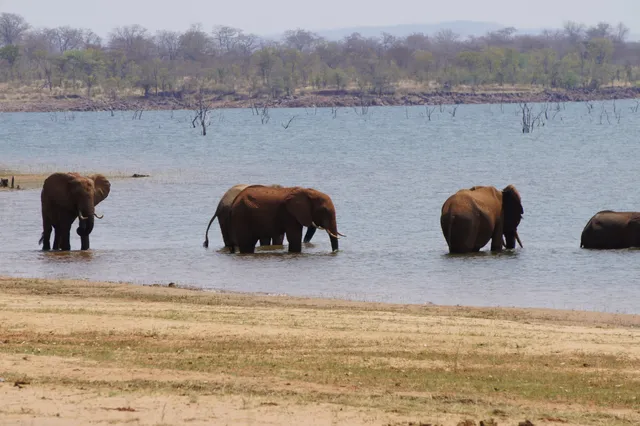

 Learn more insights from Wanderboat AI.