A Weekend at the Great Zimbabwe Ruins: A Journey Through Time
My weekend visit to the Great Zimbabwe ruins in Masvingo was nothing short of magical. From the moment I arrived, the rich history and breathtaking landscapes captivated me.
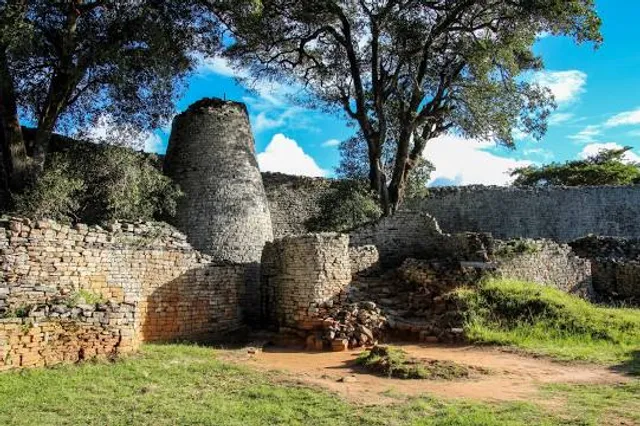
Historical Significance Walking through the ancient stone structures, I was struck by the architectural brilliance of the Great Zimbabwe civilization. The site, a UNESCO World Heritage site, offered a deep dive into the past, showcasing the ingenuity of a society that thrived between the 11th and 15th centuries. The Great Enclosure and the Hill Complex were particular highlights, with their impressive walls and intricate stonework telling tales of a once-thriving city.
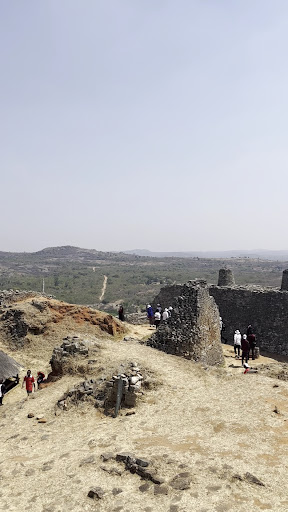
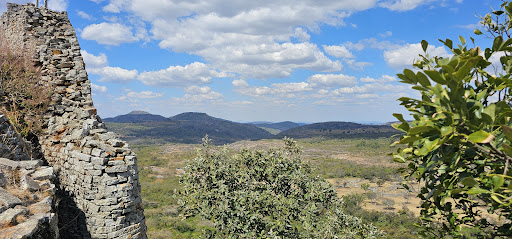
Natural Beauty The ruins are nestled in a stunning natural landscape, surrounded by rolling hills and vibrant vegetation. The views from the hilltop were absolutely breathtaking, providing a panoramic glimpse of the surrounding area. I spent hours wandering the grounds, taking in the beauty of both the ruins and the landscape, which offered numerous perfect photo opportunities.
Guided Tours I opted for a guided tour, which was a fantastic decision. Our guide was incredibly knowledgeable, sharing fascinating stories and historical insights that brought the ruins to life. He answered all our questions and pointed out details that I would have easily overlooked on my own.
Cultural Experience The visit also included a wonderful opportunity to engage with local culture. I enjoyed a traditional meal at a nearby restaurant, where I savored local dishes that complemented the experience beautifully. The hospitality of the locals made the visit even more memorable.
Conclusion Overall, my weekend at the Great Zimbabwe ruins was a perfect blend of history, culture, and natural beauty. I left feeling enriched by the experience and eager to share the wonders of this remarkable site with others. I highly recommend visiting Great Zimbabwe to anyone seeking an unforgettable...
Read moreEntrance & Fees: The entrance to the Great Zimbabwe archaeological site is clearly marked and distinct from the nearby hotel. Admission costs $15 USD for international tourists, $10 for African nationals, and less for Zimbabwean citizens. An informal tour guide can be arranged through the main office for about $6 USD.
Facilities & Preparation: The site has an office with maps of the complex, but the shop is not operating, and there are no stores on the property—so it’s important to bring your own water, sunscreen, and anything else you might need, especially in the midday heat.
Main Attractions: • The Hill Complex is the highlight, offering sweeping views and a fascinating network of walls, alleys, and open areas. • There are three routes up: • Ancient Path – historically significant but steep and narrow, best avoided by those with mobility issues. • Terrace Path – another option, though less common. • Modern Path – gentler, with benches along the way. • The climb takes only 10–15 minutes and can be either crowded (especially with school groups) or quiet, depending on the time of visit.
Museum: The museum contains informative models showing how the site may have looked centuries ago. Photography is not allowed, and when I visited, the interior was poorly lit, making it difficult to see everything in detail.
Overall: Great Zimbabwe is both a world-class historical treasure and a rewarding scenic hike. Whether you’re fascinated by history or simply looking for panoramic views and a unique walk, this site offers a remarkable and...
Read moreGreat Zimbabwe in Shona means "great house of stone" and by their name these stone ruins automatically named my country Zimbabwe as well as gave us our national symbol, the Zimbabwe bird, which is an important feature on our nation flag. The word "Great" distinguishes this site from many other small ruins in Zimbabwe such as the Bumbusi, Danamombe and the Naletale ruins.
To date Great Zimbabwe is one of the most important archaeological historic sites in Sub-Saharan Africa and there is still an ongoing debate on its origin and reasons why it was built. However there is vast evidence pointing to the Shona speaking people of Zimbabwe specifically the Gokomere tribe as the founders and builders of Great Zimbabwe.
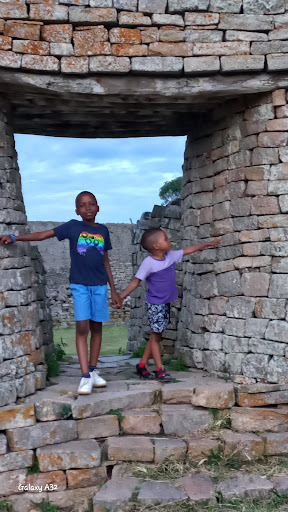
This unique structure chiefly made up of rectangular granite blocks skillfully put together without any mortar or adhesive is believed to have been fashioned between 1250 and 1450 AD. It is also believed that the stone structures that make up Great Zimbabwe served as living quarters for the elite ruling class as well as a religious center for the inhabitants.
Great Zimbabwe is located in the southern-eastern hills of present day Zimbabwe, close to the city of Masvingo (which is another Shona name for Great Zimbabwe) and in its prime Great Zimbabwe served as the capital of the kingdom...
Read more