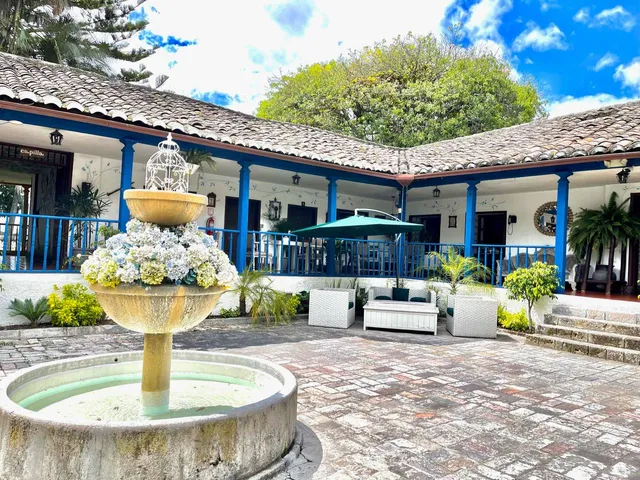
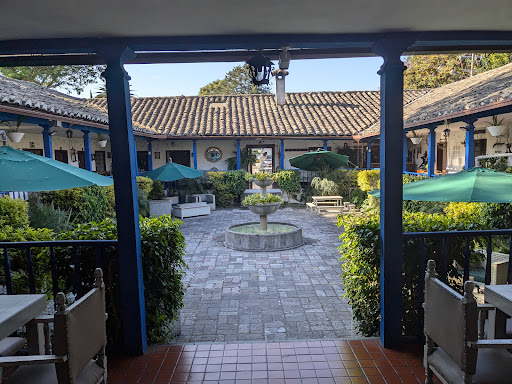
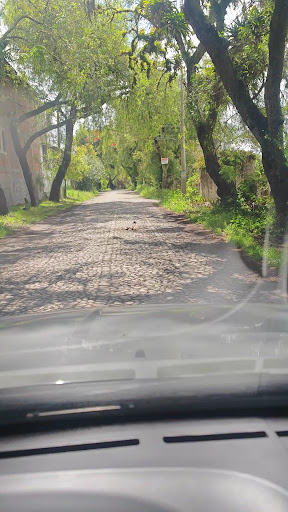
Rating this place is kind of interesting because it depends on the type of visitor you are. It has an Old colonial hacienda with cobblestone sidewalks. It has many amenities for children and families to play. The distance between rooms gives you a more spread out feeling. For people who have a lot of luggage or have a hard time walking it can be difficult. Some of the best rooms are a pretty good hike to get to. The restaurant is very good. They do a very nice breakfast with fresh fruit, fruit juice and your choice of egg. The staff is very friendly and accommodating. As a very nice touch they bring around a hot water bottle to put in your bed on cold evenings. It is a great place for families to come and have a good time. It is close to Ibarra and yet far enough away that you feel like you are out of the city. You will hear dogs barking and roosters crowing. Depending on what you like you can really...
Read moreStaying in Hacienda Chorlavi was definitely one of our best stops in Ecuador, from the moment we arrived (with a kind offer from the hacienda to arrange us a transport) to the very last moment. The place is absolutely beautiful, surrounded with nature, a beautiful light and decoration, wisdom in each corner and lots of love and attentive gestures from the staff— adding to the food variety and quality, there are many beautiful thoughts and prompts spread around the place. The rooms are very spacious as well as comfortable and well decorated. Besides all these beautiful elements, the Hacienda offers a lot of different options and opportunities one can entertain himself with. All of this combined, creating a very personal and wholesome environment. It was an amazing opportunity to come and stay, relax, as well as engage with the culture of Ibarra. We can’t wait to be back.||Thank you so...
Read moreLegend has it that in these lands more than five centuries ago the great Inca Huaynacapac, met and fell in love with the princess Caranqui Pacha. In language caranqui Chorlavi means Nest of Love. In 1620 it was the first property that the Jesuits buy in the region. From the time of the colony it was a great Treasury that transcended the Republic until our days. Towards 1800 it was Troje or Monastery of the Jesuits, a stately peasant mansion with design and decoration in the purest European style, but with a taste of adobe, tiles and wood, made by the skilled native craftsmen, heirs of the majestic Caranqui-Inca tradition of its...
Read more